A clear foundation supports electrical safety across the UK housing sector. A structured understanding of inspection records creates stronger protection for occupants and properties. An EICR report plays a vital role in that process and functions as a central document for assessing fixed electrical installations. Strong compliance practices reduce risks linked to faulty wiring and ageing systems. National fire statistics confirm that electrical faults remain a leading cause of accidental domestic fires across the UK, and consistent inspection routines lower related threats. Trust in factual data forms the basis of safe property management, and each EICR strengthens that evidence.
A consistent rise in electrical incidents recorded by local authorities highlights the need for proactive evaluation. Routine assessments identify faults before damage occurs, and structured documentation provides clarity for decision-making. Reliable inspection work prevents overlooked risks from increasing into major failures.
Key Takeaways
- Essential checks reduce electrical risks across all property types
- Early fault identification limits major system failures
- Clear documentation supports stronger safety results
- Routine assessments improve long-term installation stability
- Accurate findings help guide effective maintenance actions
- Professional evaluation strengthens overall safety assurance
- Consistent monitoring reduces doubt during inspections
- Structured reporting improves property management planning
- 9. Regular oversight maintains reliable electrical performance
Purpose of an EICR Report Explained
A firm purpose guides the EICR process. Fixed wiring, consumer units, protective devices, and circuit arrangements fall under this detailed assessment. Clear wording in the report identifies damaged components, incorrect modifications, or outdated systems that may threaten occupants. A systematic approach records observations in an organized format that highlights safety priorities.
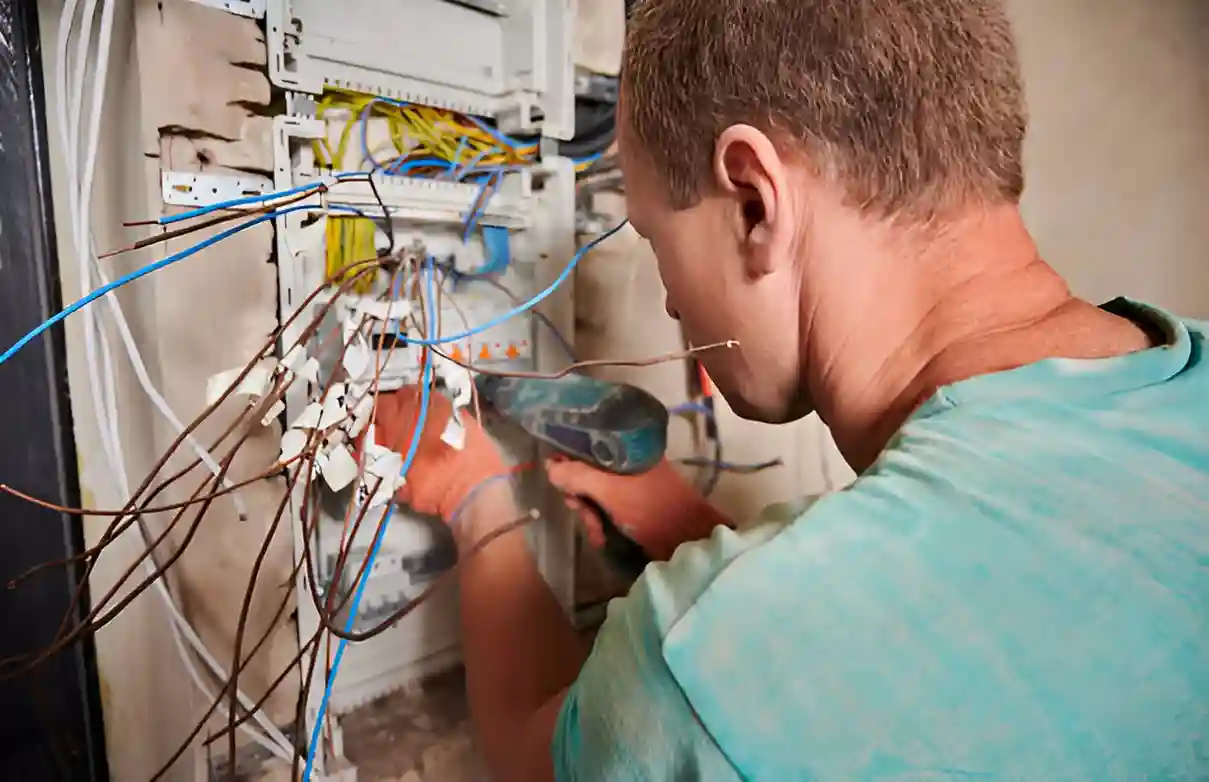
Fire and rescue services report thousands of electrical fires yearly, and many result from faults hidden behind walls or inside distribution boards. Evidence gathered during assessments shows how minor defects quickly turn into severe risks. A case recorded in Manchester highlighted overheated connections that created a near-fire event. Early detection through a detailed EICR report prevented significant damage and ensured rapid corrective action.
Safety Planning Based on Condition Ratings
Condition ratings provided in electrical documentation influence safety decisions made by property owners, managers, and inspectors. Each rating highlights the urgency of a fault and guides the level of corrective action to be taken. National guidance indicates that coded observations play a central role in identifying risk before it develops into severe issues. Fault trends revealed through condition ratings help stakeholders prioritize repairs in older dwellings and high-demand buildings. EICR certificate meaning ensures that ratings are interpreted correctly and applied effectively. Industry studies show that properties guided by accurate ratings experience fewer electrical failures. Clear classification also supports insurance requirements and regulatory expectations across the UK housing sector.
Electrical Risk Insight Through an EICR Report
A detailed EICR report provides essential insight into potential risks. Electrical installations often develop faults over time due to wear, moisture exposure, or accidental damage. Regular evaluation reveals these weaknesses and supports safe system performance. National housing surveys confirm that millions of properties contain outdated wiring or insufficient protective measures, and such problems increase the likelihood of shocks or fires. A report captures that information in a structured summary.
Real examples show the impact of unnoticed faults. Several incidents across the UK flats resulted from deteriorated insulation hidden behind plasterboard. A complete report identified the underlying cause and prevented further incidents. Strong analysis of such cases builds a clearer understanding of electrical within different property types.
Fault Patterns Directing Priority Repairs Across Properties
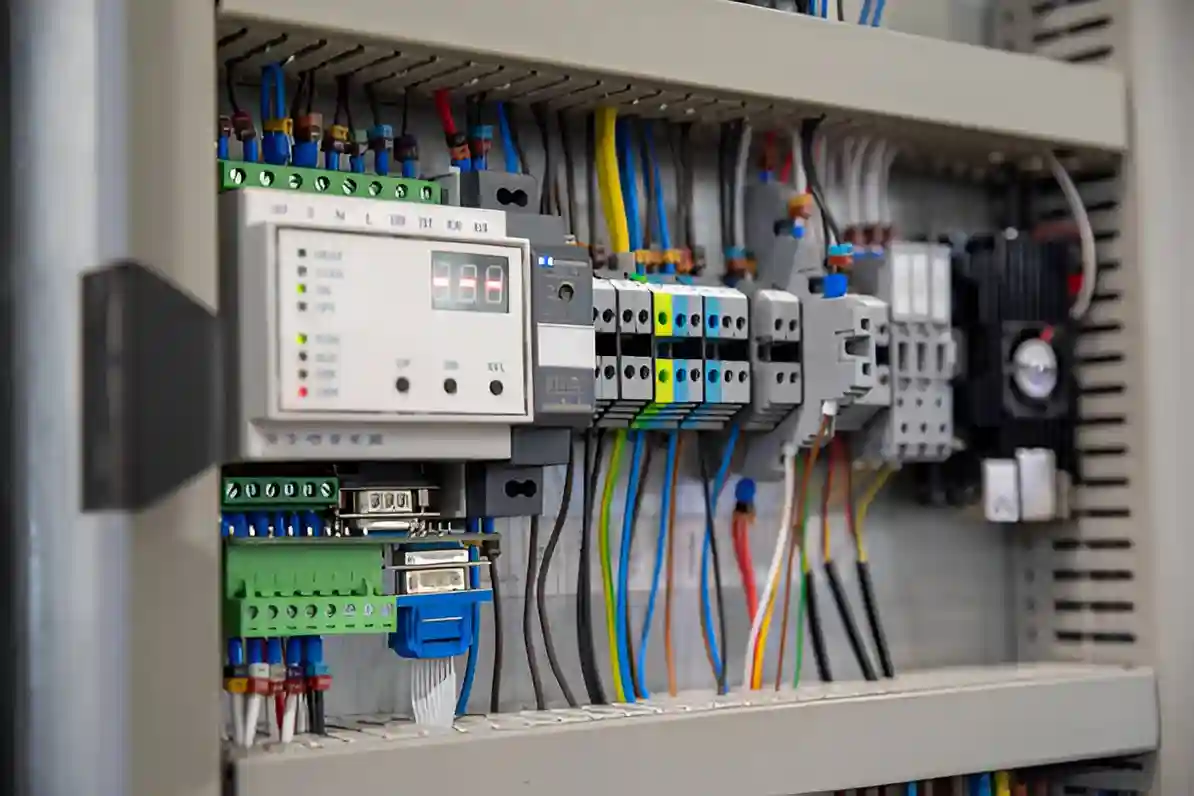
Fault patterns found in many dwellings direct priority repairs that protect long-term electrical performance. Ageing wiring often weakens insulation and increases the chance of overheating within concealed routes. National surveys show that older buildings present higher rates of overloaded circuits and worn accessories. High-demand environments also pressure protective devices and reduce their response reliability. Repeated faults across similar property types reveal consistent risks that require early action. Housing association records confirm that structured repair planning based on recurrent patterns reduces incidents linked to electrical deterioration. Strong decision-making emerges when inspection data align with recorded fault over time. Understanding the EICR certificate meaning helps property managers interpret these patterns correctly and prioritize repairs effectively, ensuring electrical systems remain safe and compliant.
Legal Position of an EICR Report in the UK
A clear legal framework places responsibility for safe electrical installations on landlords and property managers. UK regulations require formal evaluations at defined intervals. Each EICR forms part of this legal requirement and serves as official evidence that installations meet recognized standards. Enforcement bodies request inspection records regularly during audits, and formal action often follows when documentation cannot confirm compliance.
Local authority reports show thousands of enforcement actions issued due to unsafe electrics. A complete EICR report provides structured information that demonstrates compliance with legal requirements. The presence of EICR certificates strengthens the overall record and supports property history tracking. Correct interpretation of the EICR certificate meaning allows a property owner or manager to understand how the document confirms system condition and safety status.
Main Sections of an EICR Report Clarified
A typical EICR report contains several core sections that detail the status of the electrical system. The initial summary states whether the installation is satisfactory or requires urgent work. Observation codes indicate severity. Code 1 refers to immediate danger. Code 2 refers to potentially dangerous conditions. Code 3 refers to recommended improvements. A further investigation note appears when uncertainty remains and additional checks become necessary.
Detailed readings and circuit descriptions follow those observations. Each value recorded in the EICR report relates to protective performance and system continuity. Cases recorded in the area show the importance of careful interpretation. A landlord arranged corrective work after a report flagged several Code 2 concerns, preventing a likely appliance failure in a high-use living area. Accurate reading of these sections ensures an informed plan for remedial action.
The EICR certificate becomes more practical once the structure of the report is understood. Clear interpretation supports better decision-making regarding future maintenance and upgrades.
Electrical Fault Patterns Across UK Residential Properties
A wide range of electrical faults appears consistently across UK homes due to ageing infrastructure, heavy usage, and environmental exposure. Many dwellings contain wiring installed several decades ago, and the condition of that wiring often declines unnoticed. National surveys highlight the presence of overloaded circuits, cracked sockets. Fault styles often follow similar traits that relate to installation age, quality type, and common maintenance history. High moisture regions, together with bathrooms and kitchens, frequently give improved deterioration because of condensation and frequent appliance use. Rural homes now and again show troubles connected to voltage fluctuations or previous delivery preparations. Urban residences frequently enjoy accelerated strain on circuits due to compact layouts that accommodate a couple of home appliances within a restricted area. Regular commentary on these styles facilitates creating a clearer understanding of risk distribution throughout one-of-a-kind housing categories. Real case records from housing associations confirm that early detection of recurring faults prevents system degradation.
How Maintenance Protects Electrical Systems
A strong preventive maintenance strategy acts as a central component of safe property management and supports long-term electrical reliability. Electrical systems deteriorate steadily due to heat cycles, physical vibration, and natural materials. Routine attention to wiring routes, distribution boards, and protective devices minimizes the impact of this deterioration. Periodic checks carried out by qualified professionals reveal subtle faults that remain hidden during daily use, and targeted maintenance avoids extensive repairs later. Government reports repeatedly show that planned upkeep significantly lowers the rate of electrical failures in both home and commercial environments. A structured maintenance timeline ensures that each component receives evaluation before reaching critical stages of wear. Property portfolios managed through preventive systems demonstrate fewer appliance failures and lower rates of electrical incidents, according to multiple housing studies. Successful examples across social housing schemes prove that a methodical approach provides strong long-term benefits.
Environmental Impact on Electrical Systems
Environmental factors exert a powerful influence over the condition of electrical installations across the UK, and many of these issues become clear during an EICR certificate inspection. Temperature changes cause expansion and contraction within wiring and connections, and this repeated movement weakens terminals over the years. Coastal places face better corrosion charges due to salt exposure that hastens the degradation of metallic additives. High humidity promotes moisture ingress that compromises inside enclosures. Dust accumulation inside client devices and distribution forums restricts airflow and reasons warmth retention, which exacerbates the issue. Properties situated near industrial zones sometimes experience higher vibration levels that loosen connections and reduce system stability. Geological conditions in some regions contribute to fluctuating grounding performance, which affects fault protection reliability. National safety studies confirm that environmental impact remains one of the most common contributors to electrical faults across the UK housing stock. These factors also influence the results shown on an EICR certificate, helping property owners plan maintenance more effectively and strengthen protection throughout the system’s lifespan.
Actions Required After Receiving an EICR Report
A structured plan must follow the completion of any EICR report. Professional electricians correct hazards noted in the report and verify that work meets relevant standards. Slow responses often lead to increased risk, as confirmed by multiple case studies across housing associations where delays allowed faults to escalate. Open communication between tenants, contractors, and property managers improves coordination and reduces disruption during repair work. A case in Birmingham demonstrated how rapid action prevented a severe incident when unsafe earthing in a kitchen extension was corrected promptly. Effective decision-making ensures safety and continuity in property function.
When You Need Expert Safety Inspection Support
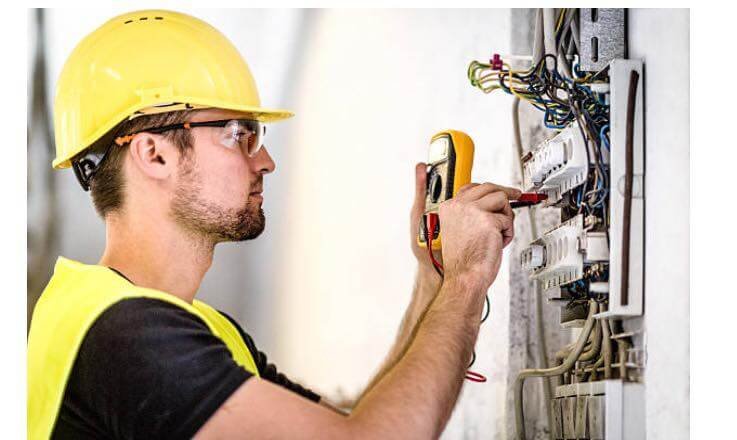
A qualified electrician must perform every EICR report. Competency ensures accurate evaluation and correct identification of faults. National trade bodies report an increasing number of dangers caused by unqualified individuals attempting electrical tasks. Professional oversight prevents such situations and ensures compliance with UK regulations.
Clear explanations from certified electricians remove uncertainty and strengthen understanding of the report structure. Each EICR report demands careful interpretation, and professional guidance provides clarity on the priority of each action. Independent assessment safeguards against errors.
Safety Report Inspection Schedule
Routine inspection maintains reliable electrical safety. Residential rentals follow legally defined intervals. Commercial premises follow industry standards. Each new EICR report updates the safety record and confirms whether conditions remain compliant.
Electrical components deteriorate with old and wear. Regular inspections reveal issues at early stages and reduce the likelihood of severe damage. EICR certificates form part of long-term property documentation and support consistent management practices. Accurate records allow smooth audits during checks by authorities.
Frequently asked questions.
Conclusion
Electrical safety in UK properties depends on structured control, organized inspection, and consistent documentation. An EICR report acts as an essential tool within that framework and supports every phase of property management. National statistics confirm the scale of electrical risk, and professional assessments reduce associated risks. A clear understanding of report content strengthens safety planning and guides necessary remedial actions.
Comprehensive records provide evidence during enforcement checks and support a transparent maintenance history. Regular inspection intervals maintain system reliability over time. Lessons drawn from real incidents reinforce the importance of detailed assessment and proper corrective work. Strong commitment to electrical safety ensures safer living environments across the UK, and each EICR report contributes to that outcome.