A stronger focus on secure electrical practice now guides many rental decisions across London. It is important to know that EICR London checks now shape compliance standards. A consistent shift toward a structured inspection follows regular updates from regulators. A survey from an accredited trade system reported that over 70 % of rented homes required corrective action during recent assessments. That figure highlights structural gaps within many buildings. A pattern of rising enforcement activity across borough authorities improves that concern. Region reports confirmed several hundred penalty notices within a recent cycle. That pattern pushed landlords toward more proactive management habits.
A strategic approach now shapes how property teams plan routine checks. A structured EICR London cycle supports guide protection and strengthens tenant confidence.
Key Takeaways
- Regular inspections support a safer occupation across all property types
- Periodic checks reduce electrical risk in rented buildings
- Accurate reports strengthen compliance for landlords and managers
- C1 and C2 faults require quick corrective action to restore safety
- Old cable systems across older estates remain major defect sources
- Proper preparation improves inspection efficiency and reduces delays
- Digital archives help maintain organized evidence for regulators
- Short-term rental operators face strict expectations for documentation
- Commercial buildings require a deeper assessment due to higher load demands
- Structured planning supports long-term operational stability across buildings
Breakdown of EICR Scope Across London Property Settings Site
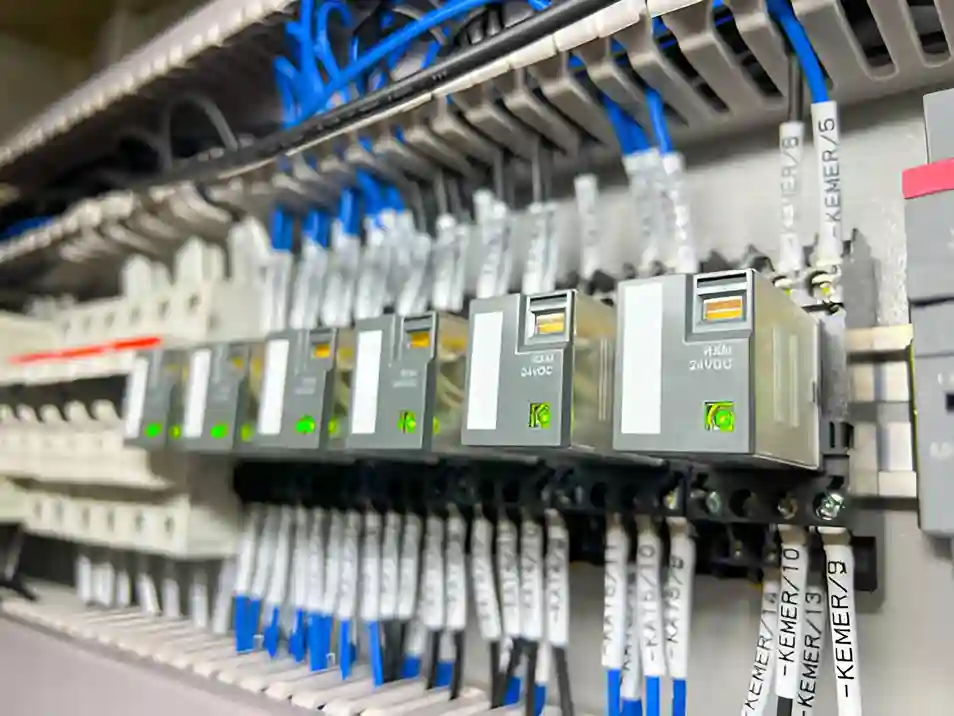
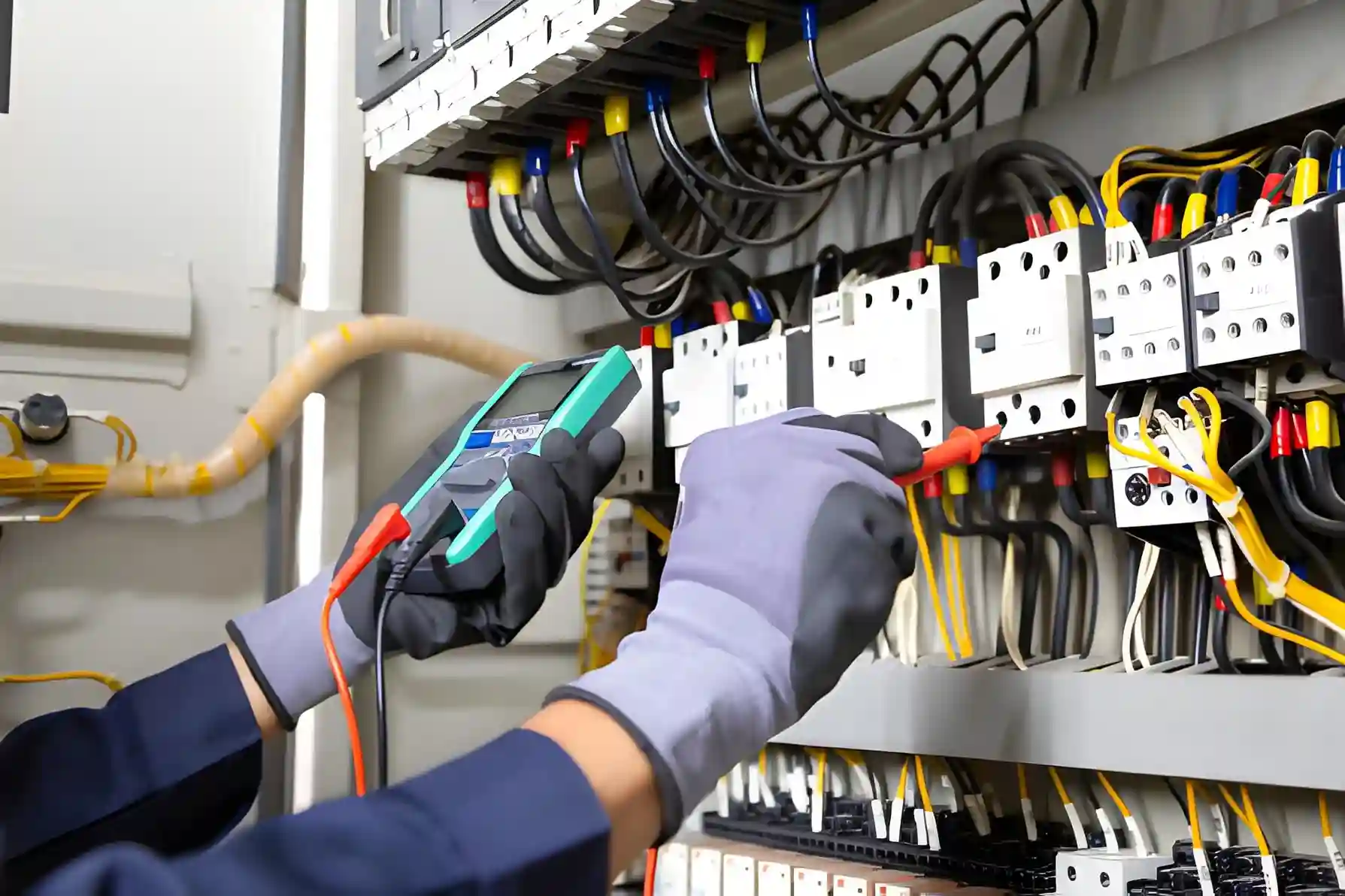
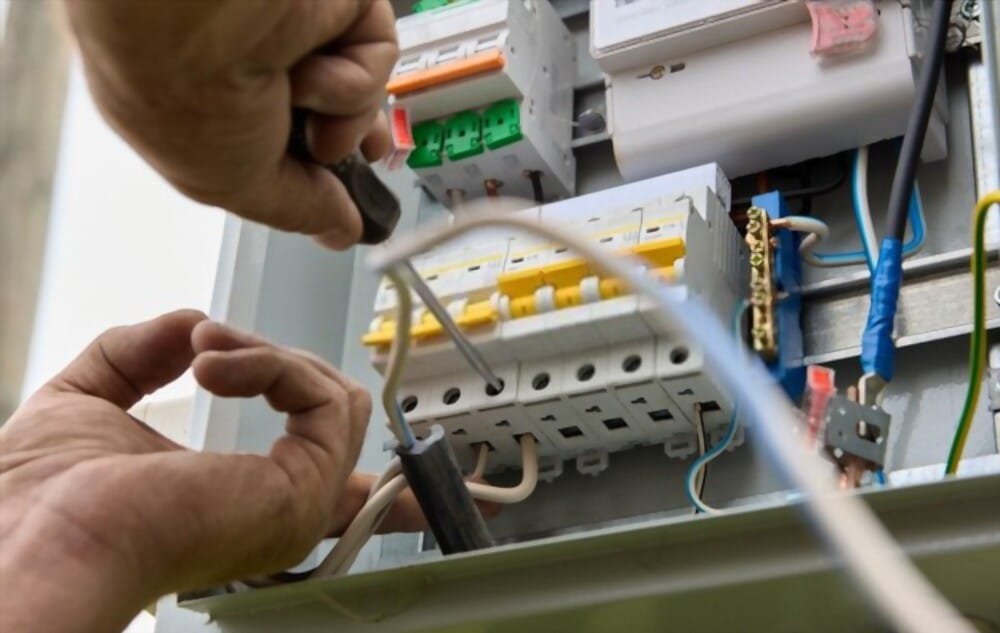
A clear understanding of assessment scope supports safer environments across London. It is important to know that an EICR report covers fixed wiring, sockets, consumer units, protective devices, and bonding arrangements. A technical survey from a national institution confirmed that older blocks displayed the highest number of overloaded circuits. That data aligns with common findings across the capital. A comprehensive EICR cost procedure usually includes polarity checks, RCD response tests, insulation resistance readings, and dead testing sequences. A national regulatory briefing noted that over half of electrical fires originated from faults within fixed installations. That statistic confirms the value of periodic inspection. A detailed EICR London process now extends far beyond basic visual checks. An accurate interpretation of test readings ensures a reliable final report and prevents hidden faults from developing.
EICR Legal Requirements for Landlords Across Property Types
A statutory requirement now governs electrical inspection across rented accommodation within London. A compliance notice from a leading trade structure stated that most enforcement actions resulted from missed deadlines or unsafe installations. That trend highlights the significance of well-planned inspection cycles. A mandatory EICR London requirement when a new tenancy starts. A renewal also triggers a need for a valid document. A detailed government briefing confirmed that all HMOs must keep a current inspection record as part of licensing rules. Inspectors recorded immediate danger notices. Corrective work allowed the property to pass a re-inspection. Another case from a Tower Hamlets short-let unit involved damaged socket outlets that created a shock risk. Repairs guided the owner toward full compliance.
A structured understanding of EICR London rules reduces the chance of enforcement action and supports safe occupation across varied property types.
EICR Certificate Structure for London Professional Records
A completed inspection results in a structured EICR London certificate. This document includes test readings, observation codes, supply characteristics, earthing details, and inspector credentials. Guidance from a major professional body confirmed that accurate record-keeping reduced dispute rates by over 40 %. That figure highlights strong operational benefits.
A typical EICR London certificate includes a summary of condition ratings. A structured digital archive improves long-term management. A facility confirmed that electronic copies reduced administrative delays. Agents often request EICR London certificates before listing a rental. Councils may also request evidence during complaint investigations. Insurance check reports during claim evaluations.
Factors That Shape EICR Cost Across London Electrical Homes
A range of variables influences EICR cost patterns across the capital. That layout complexity, circuit numbers, wiring condition, and access limitations shape inspection duration. Industry data from a national regulator showed that larger dwellings produced higher rates of remedial findings. That trend increased assessment time and raised overall pricing variation. Trade surveys also confirmed that older blocks recorded more defects. A structured approach helps identify unrealistic EICR London pricing. Reports of extremely low quotations improve warnings from professional groups. A briefing from a respected trade association stated that unusually low estimates often indicated unqualified contractors or incomplete testing. A careful review of assessor credentials usually prevents such problems.
| Property Type | Price Range | Notes |
|---|---|---|
| Small flat | £90–£140 | Simple layout with limited circuits |
| Mid-size dwelling | £140–£220 | Additional circuits and accessories |
| Large dwelling | £220–£350 | Complex routing and extended testing |
| HMO | £250–£450 | Multiple loads and increased defect risk |
| Conversion layout | £180–£300 | Hidden junction points and irregular wiring |
EICR London Scope Across All Property Ownership Groups Sector
A structured framework defines how EICR requirements apply across multiple ownership categories. It is private landlords with single units who remain responsible for periodic electrical validation. Selection owners must coordinate schedules across larger holdings. Market data from a regulated trade register indicated that multi-unit groups produced higher volumes of remedial actions due to varied building ages. That pattern shaped several compliance campaigns. Buy-to-let investors rely on an EICR certificate to support risk control. Estate and letting firms handling compliance often coordinate bookings, documentation flow, and renewal alerts. Short-term rental operators face regular scrutiny because rapid guest turnover increases stress on fixed installations. Housing associations manage large estates with complex upgrade cycles. Commercial building owners and managers also fall within the regulatory scope when domestic areas form part of mixed-use layouts.
A clear understanding of each category helps prevent missed deadlines and supports safer environments across all buildings.
Failure Outcomes After an EICR Assessment Report Data
An unsatisfactory result indicates that an installation contains a risk requiring urgent or scheduled action. It is important to know that an EICR London report categorizes findings through coded observations. C1 identifies immediate danger. C2 signals urgent risk. FI requires further investigation. C3 highlights improvement suggestions. A technical review from a professional institute noted that over half of inspected dwellings recorded at least one C2 fault across recent inspection cycles. That statistic reflects widespread issues in older stock.
Existing occupants may face temporary restrictions when high-risk circuits require isolation. A new occupation cannot start until an EICR certificate confirms a satisfactory outcome. Agents managing compliance often request evidence of completed repairs before progressing documentation. A detailed follow-up assessment then verifies that corrective work restored a safe condition across all tested elements.
Frequent Electrical Defects Across the London Rental Homes Sector
A high proportion of rented dwellings contain recurring issues identified through structured EICR inspections. That ageing wiring across older estates remains one of the most common risks. A national fire service reported that a large share of electrical incidents originated from deteriorated insulation within fixed installations. That trend continues across many districts. Faulty DIY alterations from past owners also cause frequent defects. Unsafe kitchen rewires appear often in reports due to heavy loads from appliances. Inspectors frequently note inadequate bonding or outdated consumer units lacking modern protective devices. A trade report highlighted that nearly 40 % of inspected HMOs recorded overloaded circuits, particularly within multi-occupancy layouts.
Overextended ring circuits, brittle rubber cable remnants, and damaged accessories form additional risks. Systematic inspection identified each defect category and guided structured remedial planning to restore safe operation across the entire installation.
Steps to Prepare Spaces Before an EICR London Inspection Unit
A smooth inspection requires clear access and planned coordination across all areas of a dwelling. Access to the main distribution board forms the foundation of any EICR London process. Inspectors also require space around circuits, consumer units, and protective devices. Industry reports indicated that restricted access accounted for a significant portion of delayed assessments across London properties. Tenant cooperation supports efficient progress. Rooms containing fixed electrical points must remain accessible. A preparation checklist for an EICR London visit usually includes clearing pathways, unlocking storage areas, and removing obstacles around sockets and switches. Improved access also helps prevent return visits. Structured planning lowers disruption across occupied dwellings. Inspectors then complete test sequences such as insulation resistance checks, RCD response tests, and polarity verification without obstruction. Thorough preparation significantly improves workflow and supports accurate reporting after the EICR London assessment concludes.
EICR London Rules for Commercial and Mixed-Use Buildings Block
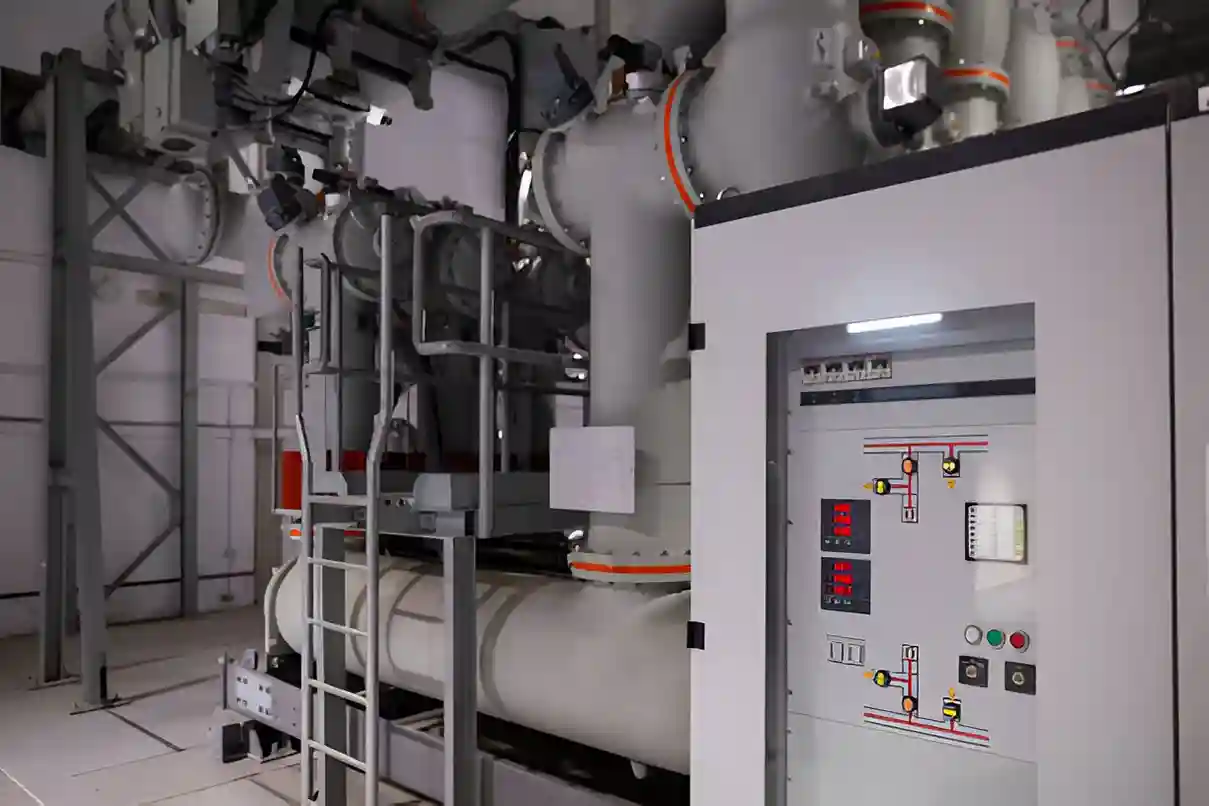
Commercial and mixed-use buildings follow broader requirements that differ from home standards. It is important to know that an EICR certificate assessment for commercial settings often incorporates protective device coordination, distribution board mapping, and load analysis across larger installations. A regulatory review from a national authority noted that commercial properties recorded higher fault levels due to greater appliance demand.
Fire safety considerations also influence inspection depth. Risk assessments link directly to EICR London findings. A retail unit in Camden demonstrated that inadequate emergency lighting circuits triggered multiple coded observations. Mixed-use buildings present additional complexities. Shared risers, communal distribution boards, and combined metering arrangements require coordinated evaluation.

Frequency Demand for EICR Checks in the London Property
A clear schedule for electrical inspection supports safe occupation across all rented and commercial spaces. It is important to know that legislation sets a standard five-cycle requirement for routine assessment across most dwellings. A national regulatory update confirmed that many properties exceeded safe limits before the mandated interval ended. That fact encouraged more frequent evaluation across older estates. A renewal often occurs earlier when faults emerge or when major alterations disturb fixed wiring. Borough teams may request an updated document during enforcement checks. Agents may also ask for a fresh report before approving a new agreement. A survey from an accredited trade body noted that many inspections conducted ahead of schedule revealed hidden defects across concealed junctions. HMOs follow stricter patterns because dense occupation places higher stress on circuits. Renovation projects also trigger fresh assessment because new accessories or altered routes change installation characteristics. Commercial sites require shorter intervals in many sectors because heavier loads increase risk across distribution boards.
Frequently asked questions.
Conclusion
A structured approach toward EICR London compliance supports safer occupation across all property categories. It is important to know that consistent inspection cycles reduce risk, strengthen documentation standards, and protect installations from progressive deterioration. Market studies from accredited bodies confirmed that periodic testing lowers incident rates across diverse building types. Practical examples from multiple districts demonstrated how early detection prevented severe electrical failures. Clear coordination between owners, agents, and professional inspectors ensures smoother processes and stronger outcomes. A forward-looking maintenance strategy grounded in accurate EICR London reporting promotes stability, safety, and long-term operational confidence across the entire property landscape.