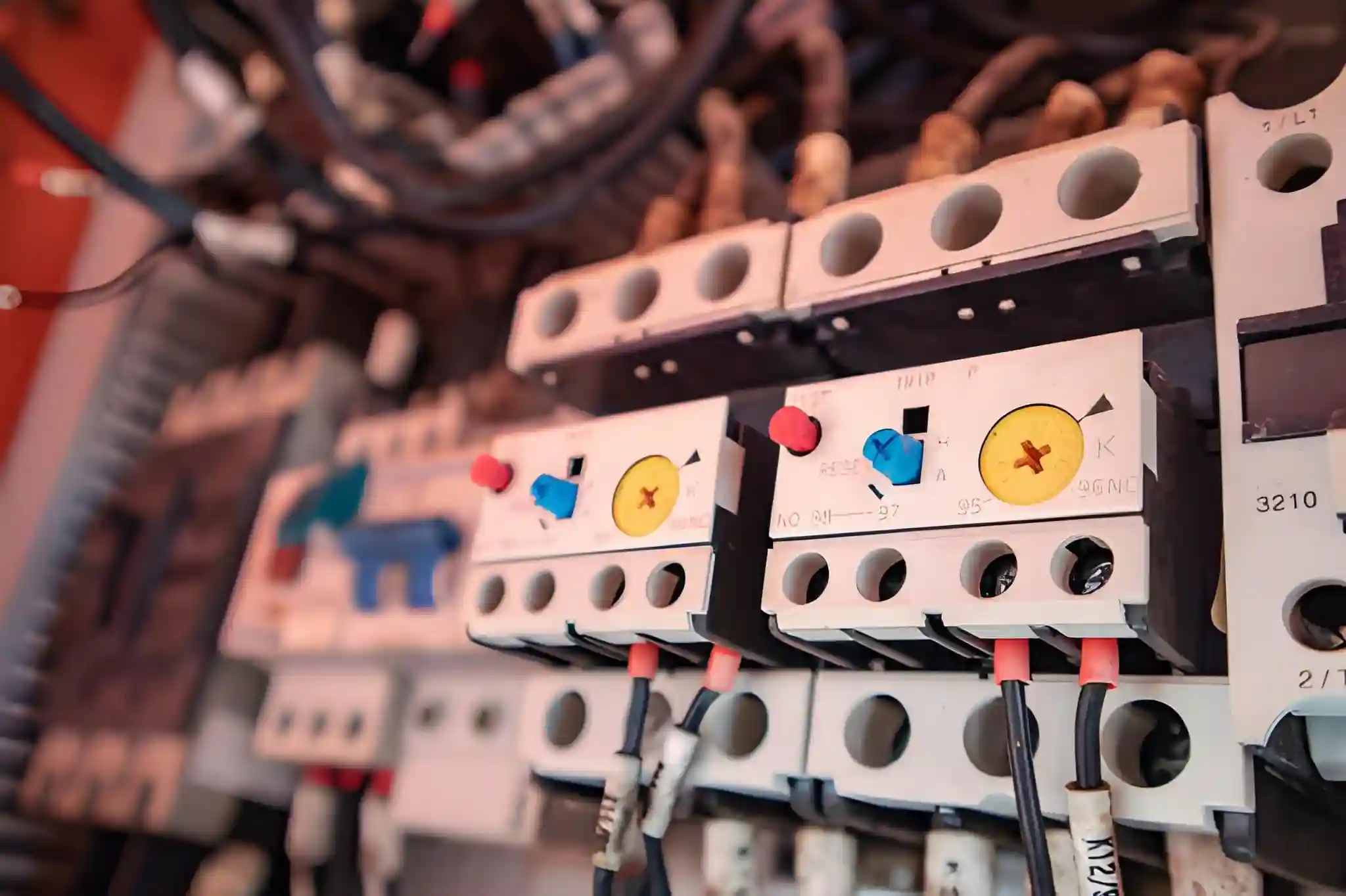
EICR London refers to a formal electrical condition assessment used across properties in the capital. The term represents the Electrical Installation Condition Report. The process focuses on the safety status of fixed electrical systems. Authorities on EICR London as a recognized safety record. Property stakeholders often treat EICR London as an essential compliance document. It is understood that EICR London exists to identify electrical risks before serious incidents occur. Electrical faults often remain hidden within walls and circuits. Heat buildup and insulation wear increase danger over time. Electrical condition reporting supports early fault recognition. Preventive action then becomes possible through clear recommendations within an EICR Report. London operates under strict legal and safety expectations. National housing and safety regulations apply across all boroughs. Rental properties face mandatory inspection requirements. Councils actively monitor compliance. Failure to meet an EICR Requirement may lead to enforcement notices. The EICR Certificate serves as formal proof of compliance for authorities and occupants. The EICR London only covers fixed electrical systems. Permanent installations remain the inspection focus. Wiring, circuits, consumer units, sockets, and switches fall under the scope. Earthing and bonding arrangements also receive detailed attention. External fixed supplies, such as garden circuits, may also receive assessment. Portable appliances do not fall within the EICR London scope. Separate testing of such a device. A clear scope definition supports accurate safety evaluation and legal clarity.
Key Takeaways
- Regular electrical checks help reveal hidden faults before serious damage develops.
- Clear safety records support accountability and demonstrate responsible property care.
- Preventive assessment reduces the chance of fires and electric shock incidents.
- Early fault identification allows planned repairs rather than urgent emergency work.
- Well-maintained systems improve occupant confidence and overall building reliability.
- Legal compliance becomes easier through structured inspection and proper documentation.
- Electrical wear increases over time, even when no visible signs appear.
- Consistent maintenance planning protects both people and physical property assets.
- Transparent safety information reduces disputes during tenancy or ownership changes.
- Long-term property value benefits from a proven commitment to safety standards.
Why does electrical safety inspection matter in London properties?
It is the electrical safety inspection plays a critical role across London properties. Town buildings often contain complex electrical networks. High occupancy levels increase system demand. Ageing infrastructure also remains common. Electrical faults develop quietly within such environments. Early detection through structured inspection reduces serious risk. Recognize that residential buildings face distinct electrical challenges. Modern appliances place heavy loads on circuits. Poor alterations may compromise safety. Loose connections and worn insulation increase failure risk. Electrical safety inspection highlights such issues before harm occurs. Occupant protection remains the primary concern. Commercial buildings face additional electrical pressures. Offices and retail spaces continue to use power. Machinery and devices increase electrical demand. Public access raises liability concerns. Electrical failure in commercial settings may disrupt operations and endanger people. Regular inspection supports safe and stable business activity. The fire and electric shock remain the most serious risk. Electrical faults rank among the leading fire causes in London properties. Damaged cables and overloaded circuits increase explosion risk. Inadequate earthing raises shock danger. Inspection identifies such threats through testing and visual checks. The value of preventive assessment. Proactive inspection addresses issues before an increase. Electrical safety inspection supports long-term reliability. Risk reduction benefits occupants, owners, and businesses alike.
Who must follow EICR London regulations?
EICR London regulations to several property stakeholders. Legal responsibility varies by property use. Rental and commercial environments face stricter oversight. A clear understanding of responsibility supports compliance and safety. Private landlords must arrange electrical inspections at required intervals. Documentation must remain available for tenants and authorities. Failure to meet an EICR Requirement may lead to enforcement action. Tenant safety remains the essential legal priority. The social housing providers carry similar responsibilities. Housing associations and councils must maintain safe electrical systems. Large-scale properties increase risk exposure. Regular inspection supports occupant protection across shared buildings. Accountability remains high within social housing frameworks.
Management agreements often assign compliance tasks. Clear communication between owners and agents supports regulatory adherence. Offices, shops, and mixed-use buildings require electrical assessment. Workplace safety law intersects with EICR London requirements. Public access increases the responsibility of care. Electrical reliability supports business continuity. It is understood that owner-occupiers do not face mandatory inspection under most circumstances. Voluntary inspection remains strongly recommended. Property sales, renovations, or safety concerns often require a quick assessment. Electrical condition awareness supports informed property decisions.
What does an EICR inspection actually assess?
EICR inspection assesses the condition of fixed electrical installations. The assessment focuses on safety and compliance. Each element receives a systematic review through visual checks and electrical tests. Findings then appear within an EICR document. The wiring systems form a central inspection area. Cables receive assessment for damage, age, and suitability. Insulation condition receives close attention. Circuit routing and protection also receive review. Signs of overheating or deterioration raise concern. It is recognized that consumer units and fuse boards receive detailed inspection. Protective devices such as circuit breakers undergo testing. RCD functionality receives confirmation. Labelling accuracy also matters. Modern safety standards guide evaluation outcomes. The earthing and bonding arrangements play a critical safety role. Proper earthing reduces electric shock risk. Bonding connections ensure equal potential across metal parts. Inspectors verify continuity and connection quality. Deficiencies often lead to higher risk classifications. It is recognized that sockets, switches, and fixed appliances fall within the inspection scope. Physical condition receives review. Secure fitting and correct operation matter. Fixed lighting circuits also receive testing. Signs of wear or damage trigger recommendations. Understand that both visual and technical test elements. Visual inspection identifies obvious defects. Electrical testing measures performance under load. Combined methods provide a complete safety picture. Accurate assessment supports reliable EICR London compliance.
What information appears inside an EICR Document?
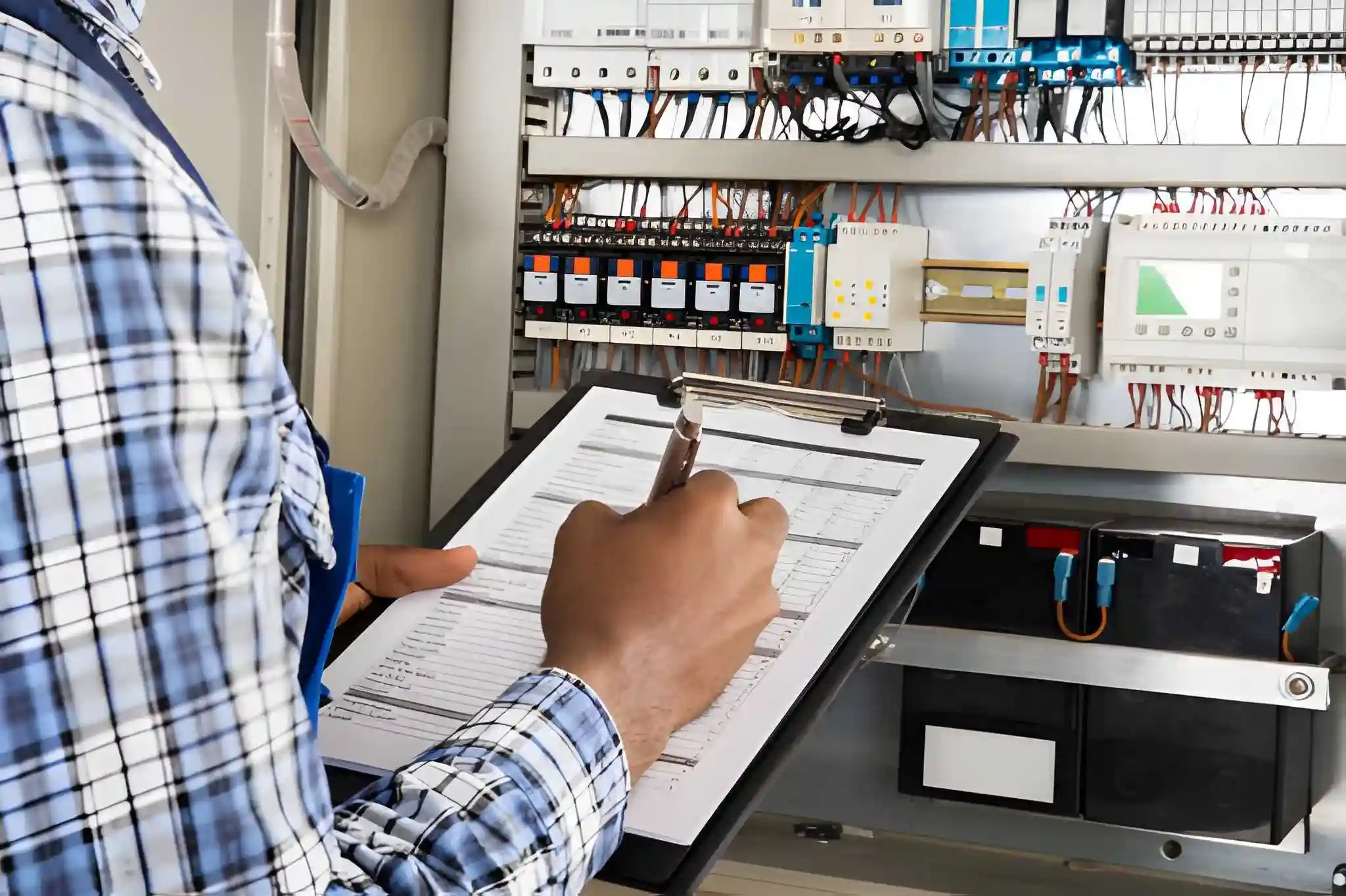
It is important to know that an EICR document presents electrical condition findings in a clear and structured format. The document follows a nationally recognized layout. The report allows authorities, landlords, and property managers to review safety status without ambiguity. Property details appear at the start. Installation characteristics follow next. Inspection results then appear circuit by circuit. A summary section highlights the overall condition. This layout supports quick reference and formal review. Each observed issue receives formal notation. Observations relate directly to safety standards. The report avoids opinion-based commentary. Objective assessment remains the priority. It is the risk classification codes guide decision-making. Codes indicate severity level. Higher risk codes reflect immediate danger. Lower risk codes suggest improvement rather than urgency. Authorities and landlords rely on these codes to prioritize action. Clear classification reduces confusion and delay. It is the recommended action sections outline the next steps. The report specifies corrective measures where required. Urgent issues receive emphasis. Advisory improvements appear separately. This section supports maintenance planning and compliance response.
The documentation format keeps legal importance. The report includes inspector credentials and signatures. Inspection date and review period appear clearly. Official formatting ensures acceptance by councils and insurers. Accurate documentation supports reliable EICR London compliance.
| Inspection Area | Condition Found | Code | Action |
|---|---|---|---|
| Consumer Unit | No RCD protection | C2 | Upgrade required |
| Wiring | Insulation wear | C2 | Repair needed |
| Earthing | Inadequate bonding | C1 | Urgent fix |
| Sockets | Loose fittings | C3 | Improvement advised |
| Overall Result | Safety not met | Fail | Remedial work required |
What are the official EICR Requirement timelines?
Clear EICR Requirement timelines exist under national electrical safety regulations. Inspection schedules aim to maintain safe electrical installations. Regular assessment reduces the chance of serious faults. London authorities expect property owners and managers to follow defined intervals without delay. Standard inspection intervals for most properties. Residential electrical installations usually require inspection every five years. An earlier assessment may be required after significant electrical work. System old and usage levels also influence timing. Rental property inspection frequency remains a legal requirement. Private rented homes must keep a valid EICR Certificate at all times. Local councils may request evidence without notice. Non-compliance may result in formal enforcement. Commercial inspection considerations differ due to higher operational demand. Business buildings often operate complex electrical systems. Risk assessments guide inspection frequency. Certain environments require more frequent checks due to load and usage. Workplace safety law increases accountability.
Specific events act as triggers for additional inspections. Electrical alterations often require reassessment. Flood damage or fire exposure demands immediate review. Repeated electrical faults also indicate the need. Proactive reassessment supports continuous safety compliance.
What happens after an unsatisfactory EICR Result?
An unsatisfactory EICR result indicates safety concerns within the electrical installation. Observation codes highlight severity and urgency. Corrective action becomes necessary to reduce risk. Authorities and insurers often expect a timely response after such outcomes. Understanding observation codes supports proper action. Codes classify risk level. C1 reflects immediate danger. C2 highlights potential danger. C3 suggests improvement without urgency. Clear interpretation allows correct prioritization. Urgent and non-urgent actions differ by code. C1 issues require immediate correction. Electrical isolation may become necessary in severe cases. C2 issues require repair within a reasonable timeframe. C3 items allow planned improvement. Risk reduction remains the guiding principle. Follow-up inspections confirm corrective work completion. Re-inspection verifies fault resolution through testing. Updated findings then replace previous observations. Accurate testing supports compliance restoration. The updated certification process follows successful re-inspection. A new EICR Certificate becomes available after satisfactory results. The revised EICR Report confirms safety status. Valid documentation restores full EICR London compliance.
How does EICR London support landlord compliance?
A clear compliance structure forms the foundation of EICR London. Electrical safety law places defined responsibilities on landlords. Formal inspection provides documented proof of compliance. Authorities keep such records during reviews and investigations. Legal documentation expectations require valid electrical reports. A current EICR Certificate must remain available. Supporting EICR Report documents must also remain accessible. Councils often request copies during audits. Proper documentation demonstrates responsible property management. Tenant communication responsibilities form a key compliance element. Tenants must receive electrical safety information. Transparent communication builds trust and reduces disputes. Safety awareness supports stable tenancy relationships. Record-keeping responsibilities extend beyond inspection completion. Reports must remain stored securely. Documentation should remain accessible for future inspections and authority requests. Digital and physical records are both valuable. Accurate record retention supports long-term compliance. Enforcement authority involvement increases after non-compliance. Local councils keep enforcement powers. Improvement notices may follow missing or unsatisfactory reports. Penalties may apply after failure to act. EICR London compliance reduces regulatory risk and supports lawful property operation.
What role does EICR London play in property sales and purchases?
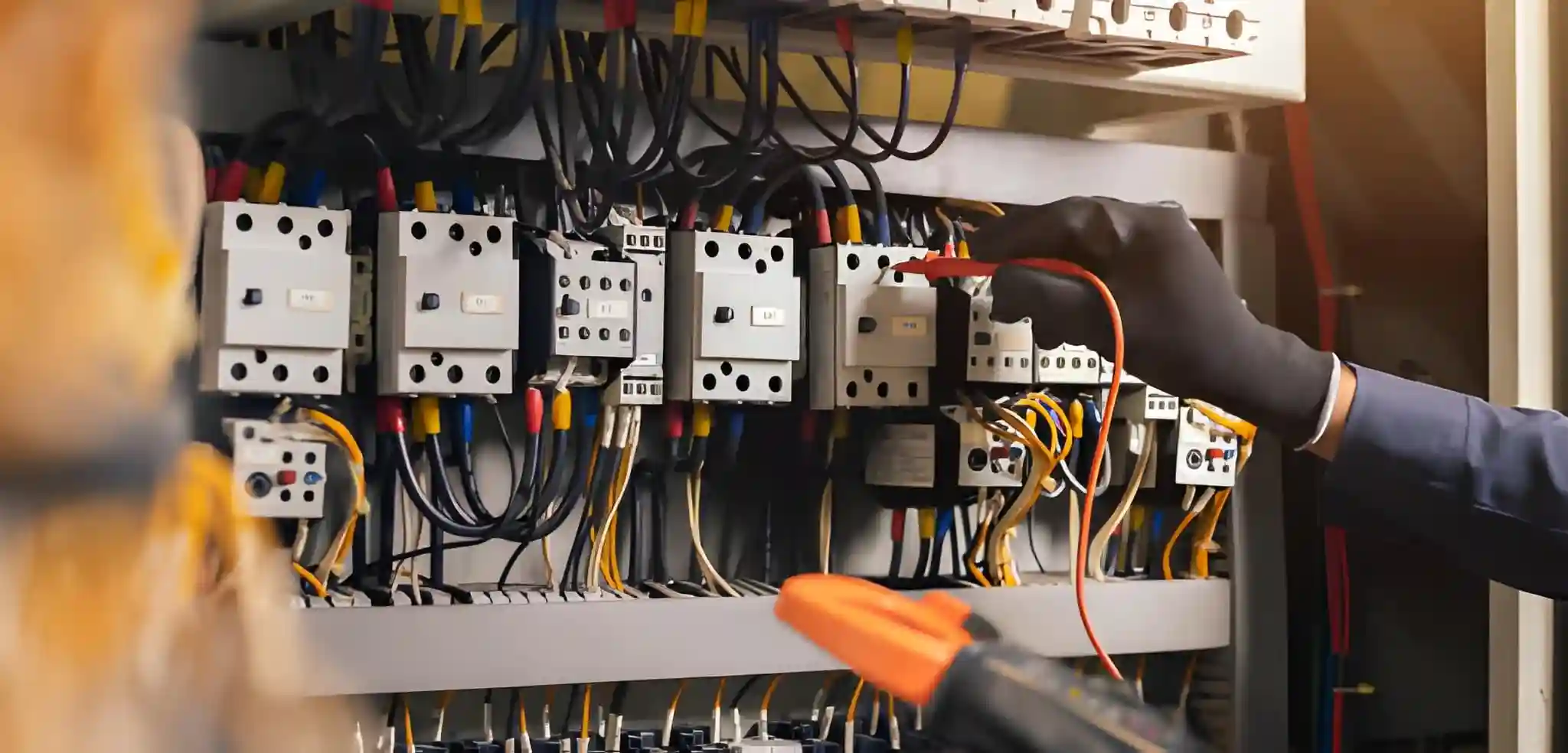
Electrical safety assurance influences property transactions across London. EICR London provides formal evidence of installation conditions. Buyers often seek reassurance before commitment. Safety documentation supports informed decision-making during negotiations. Buyer safety expectations continue to rise. Electrical reliability ranks high among concerns. An available EICR Report offers clarity on system condition. Identified issues allow early discussion. Confidence often increases when documentation remains current. Surveyor and legal representative involvement further importance. Surveyors may reference electrical reports during inspections. Legal often requests safety documentation during conveyancing. Absence of an EICR Certificate may trigger additional enquiries. Clear reporting supports smoother legal review. Transaction delays prevention remains a key benefit. Late discovery of electrical issues often causes delays. Early inspection reduces unexpected findings. Document readiness supports efficient progress toward completion. Disclosure importance carries legal weight. Known electrical defects require transparency. Accurate reporting protects sellers from future disputes. EICR London documentation supports clear disclosure and transaction integrity.
Frequently asked questions.
Conclusion
EICR London remains a vital element of electrical safety and regulatory compliance. Clear inspection processes support risk reduction across residential and commercial properties. Landlords, property managers, and owners benefit from defined responsibilities and documented evidence. Electrical condition assessment also supports smoother transactions and long-term asset protection. Ongoing awareness of inspection requirements helps prevent enforcement issues. For detailed guidance and service information, professional support should be contacted directly to ensure accurate compliance and continued electrical safety.