Property safety in London demands clear attention to asbestos duties. UK regulations place strong responsibility on responsible holders across residential and commercial spaces. An Asbestos Management Survey plays a central role in that responsibility. Such a survey supports safe occupation and supports legal alignment under the Control of Asbestos Regulations 2012. Industry data from the Health and Safety Executive reports over five thousand asbestos-related deaths each year across the UK. That figure highlights the scale of risk present within older structures across London. Clear awareness also helps property stakeholders recognize how asbestos remains present in many buildings built before the year 2000. Materials such as insulation boards, ceiling coatings, and service ducts often contain asbestos fibers. A structured inspection approach reduces exposure risk. A second Asbestos Management allows accurate identification of materials and supports an active plan of control. Research from the HSE confirms that early identification lowers long-term health impact across occupied buildings.
Property owners across the capital often rely on an Asbestos survey that London specialists deliver to meet regulatory duties. Professional inspections support informed decisions and safe daily use. Questions often arise around legal accountability and occupant welfare. Clear compliance supports health protection and preserves long-term property value. For further guidance or inspection support, contact a qualified asbestos team for accurate information and professional assistance.
Key Takeaways
1. Many buildings in London built before 2000 still contain asbestos materials
2. UK safety laws require property controllers to manage asbestos risks properly
3. Exposure to asbestos can cause serious health problems after many years
4. Professional surveys help identify risks and keep building occupants safe
5. Written asbestos records help demonstrate legal responsibility during inspections
6. Regular checks help track material condition and reduce unexpected risk
7. Maintenance and repair work often creates asbestos disturbance if unchecked
8. Trained specialists understand common asbestos locations in older properties
9. Safety inspections and regulatory checks continue to increase across London
10. Ongoing asbestos control helps protect people, businesses, and property
Why Should You Arrange an Asbestos Survey for Your London Property?
An Asbestos Management Survey supports legal compliance and protects occupants across London buildings. UK regulation under the Control of Asbestos Regulations 2012 places clear duties on property responsibility holders. London contains a high concentration of buildings constructed before 2000. Health and Safety Executive records confirm asbestos exposure causes more than five thousand deaths each year in the UK. That statistic highlights the ongoing presence of risk within occupied buildings. An Asbestos Management Survey allows accurate identification of asbestos-containing materials and supports safe day to day use. Survey findings guide maintenance planning and reduce accidental fiber release during routine work. HSE research confirms that structured asbestos control lowers reported exposure incidents in non-domestic buildings. Legal responsibility for asbestos control usually falls on landlords, managing agents, employers, or building controllers. That responsibility includes assessment, record maintenance, monitoring, and review. Enforcement activity across Greater London continues to rise according to HSE inspection reports. That pattern shows increased regulatory focus on compliance within dense urban environments. Many properties across the capital require inspection. Offices, retail units, schools, healthcare facilities, and communal residential areas fall within the scope. Older housing stock increases the likelihood of asbestos presence. Property stakeholders often rely on Asbestos survey London professionals to deliver to meet statutory obligations and support safe property oversight. For detailed requirements or professional guidance, contact an experienced asbestos team for accurate support.
When Should an Asbestos Management Survey Take Place?
An asbestos management survey should take place before occupation of any non-domestic premises. UK legislation requires asbestos risks to remain identified and controlled throughout the lifecycle of a building. London holds one of the oldest building stocks in the country. Health and Safety Executive data confirms that a large proportion of asbestos exposure incidents occur during routine building use rather than major construction work. Certain events trigger the need for a new or updated Asbestos Management Survey. Changes in building use, new tenancy agreements, structural alterations, or deterioration of materials increase risk potential. HSE enforcement reports show a rise in non-compliance notices following refurbishment work completed without updated asbestos records. That pattern demonstrates regulatory expectation for continuous review following change. Regular review also forms a legal requirement. Asbestos registers require periodic reassessment to reflect material condition and accessibility. Industry guidance recommends review at least every twelve months or sooner if damage occurs. London property managers often align reviews with planned maintenance schedules. Many duty holders rely on a UK asbestos check process to maintain accurate records and demonstrate ongoing compliance. For review schedules or professional guidance, contact an experienced asbestos team for accurate support.

How does an Asbestos Management Survey Protect Occupants and Owners?
An Asbestos Management Survey plays a vital role in risk reduction across occupied buildings. Legal compliance under UK regulations depends on accurate identification and monitoring of asbestos-containing materials. London includes a high concentration of ageing properties where asbestos remains present within walls, ceilings, and service areas. Health and Safety Executive data confirms asbestos exposure causes more than five thousand deaths each year in the UK. That statistic demonstrates the seriousness of unmanaged asbestos within everyday environments. Asbestos Management Survey supports controlled building use and provides documented evidence of responsible property oversight.
Why asbestos exposure remains a risk in London properties
Older construction methods relied heavily on asbestos due to its fire resistance and durability. Large sections of London property stock date back to periods when asbestos use remained common. Maintenance work, repairs, and minor alterations increase disturbance risk. HSE inspection findings show that many exposure incidents occur during routine tasks such as electrical work or pipe access. That pattern highlights the importance of clear asbestos records before any work activity begins.
What problems arise without a valid asbestos management survey
Absence of a valid survey increases health risk and legal exposure. Owners face enforcement action where asbestos duties remain unmet. HSE prosecution records confirm penalties linked to missing or outdated asbestos documentation. Occupant confidence also declines without clear safety assurance. Many property controllers rely on the commercial asbestos survey London specialists provide to maintain compliance and protect long-term quality value. For professional clarification or survey support, contact a qualified asbestos team for accurate guidance.
What Happens During an Asbestos Management Survey in London
An Asbestos Management Survey in London follows a structured inspection process designed to identify asbestos-containing materials within occupied buildings. Qualified surveyors carry out visual assessments across accessible areas such as plant rooms, corridors, ceilings, and service risers. Sampling takes place where materials show potential asbestos composition and where access remains safe. Laboratory analysis then confirms material type and condition. Health and Safety Executive guidance confirms that accurate identification forms the foundation of effective asbestos control. London enforcement data shows properties with verified survey records demonstrate stronger compliance during regulatory inspection. Surveyors evaluate material condition, surface damage, and the chance of disturbance during normal use. Priority ratings support control planning and ongoing monitoring. HSE research confirms that structured risk grading reduces accidental exposure during routine maintenance. That process supports safe occupation without disruption.
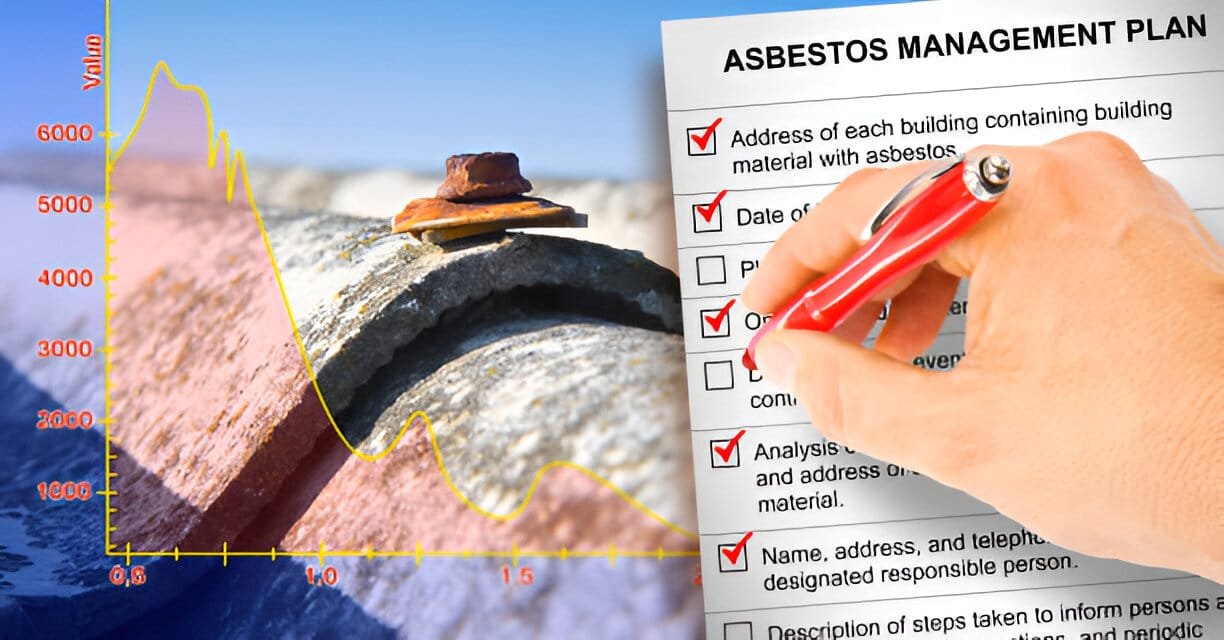
Many London buildings contain asbestos within insulation boards, sprayed coatings, floor tiles, pipe lagging, roofing sheets, and textured finishes. Properties constructed before 2000 show higher prevalence rates according to UK building surveys. A detailed Asbestos Management Survey records material location and accessibility for long-term reference. Property stakeholders often rely on a property asbestos inspection to support maintenance planning and statutory compliance. For technical clarification or inspection support, contact a qualified asbestos team for accurate professional guidance.
What Documentation Follows an Asbestos Management Survey
An Asbestos Management Survey leads to a structured set of formal records that support ongoing asbestos control within a property. The register records the location, condition, and material type of identified asbestos-containing components. Survey reports also include risk ratings and accessibility notes. An asbestos register supports daily property oversight and contractor awareness. Maintenance teams rely on register data before work activity begins. HSE incident analysis shows reduced exposure events where registers remain current and accessible. Supporting documentation often includes annotated drawings and material photographs. Many London property owners depend on the Asbestos survey London professionals deliver to maintain accurate records and regulatory alignment. An asbestos management plan accompanies the register and defines control procedures. The plan outlines monitoring schedules, assigned responsibilities, and response actions for material damage. UK enforcement data confirms stronger compliance outcomes where documented plans remain active. An Asbestos Management Survey supports legal duties beyond inspection alone. Property stakeholders often integrate a UK asbestos check and a property asbestos inspection approach within wider compliance systems. For document review or professional guidance, contact a qualified asbestos team for accurate support.
Why Landlords and Businesses in London Need Specialist Asbestos Surveyors
Specialist asbestos surveyors play a critical role in property safety across London. An Asbestos Management Survey requires detailed knowledge of building materials, historical construction methods, and regulatory expectations. London contains a wide range of property types developed across multiple decades. Building age and design across the capital increases complexity. Victorian conversions, post war commercial blocks, and mixed-use developments often contain concealed asbestos. Inadequate inspection increases disturbance risk during maintenance or occupancy changes. Local experience also matters. London buildings present unique access challenges, occupancy patterns, and regulatory scrutiny. Surveyors familiar with regional construction trends deliver more accurate outcomes. Many property controllers require a Commercial asbestos survey London service aligned with local standards. An Asbestos Management Survey completed by experienced professionals supports legal compliance, occupant confidence, and long-term asset protection. For specialist support or clarification, contact a qualified asbestos team for accurate guidance.
How to Arrange an Asbestos Management Survey in London
Arranging an Asbestos Management Survey in London requires engagement with qualified professionals who operate under UK regulatory standards. London property stock includes offices, retail units, mixed-use buildings, and shared residential areas. The selection of experienced professionals supports accurate identification and clear reporting. Many responsibility holders rely on a Commercial asbestos survey London service to meet statutory obligations across occupied buildings. Survey providers review building age, construction type, and current use before inspection. Access coordination and document review form part of early engagement. Property controllers often initiate contact through an Asbestos survey London provider to ensure alignment with local enforcement expectations. Long-term compliance depends on continued oversight after inspection. Regular review of asbestos registers and management plans supports ongoing risk control. Maintenance teams require access to updated records before work activity begins. An Asbestos Management Survey forms part of a continuous compliance cycle. Many stakeholders integrate a UK asbestos check and a property asbestos inspection framework to support sustained legal alignment. For detailed arrangements or compliance guidance, contact a qualified asbestos team for professional support.
FAQS
1. Why does asbestos remain a concern in older buildings?
Asbestos appeared widely in construction materials before regulatory bans took effect. Many older buildings still contain hidden materials that release after disturbance. Health authorities confirm long-term exposure links directly to serious respiratory disease. Regular oversight reduces unnoticed risk within occupied spaces.
2. Who enforces asbestos safety regulations in the UK?
The Health and Safety Executive has primary enforcement responsibility. Local authorities also play a role across certain property types. Inspection activity continues to increase in urban areas. Enforcement action often follows missing records or poor risk control.
3. What health risks are linked to asbestos exposure
Medical research confirms asbestos fibers cause lung cancer, mesothelioma, and asbestosis. Signs often appear decades after exposure. Public health data reports thousands of deaths each year linked to historic contact. Prevention relies on identification and controlled management.
4. How does asbestos affect routine maintenance work?
Maintenance activity creates disturbance risk when materials remain unidentified. Drilling, cable work, or pipe access often releases fibers. Safety guidance stresses pre-work checks before any intrusive task. Clear records protect workers and occupants.
5. Why does documentation matter for long-term compliance?
Written records demonstrate legal responsibility and active risk control. Inspectors’ documentation during audits. Updated records support safe planning and informed decision-making. Regulatory guidance confirms that documentation forms the foundation of effective asbestos management.
Conclusion
An Asbestos Management Survey remains a core requirement for safe and compliant property oversight across London. Regulatory enforcement continues to increase across non-domestic and shared residential buildings. Health and Safety Executive data confirms asbestos exposure still causes thousands of deaths each year in the UK. That reality improves the need for structured identification, monitoring, and documentation. Accurate surveys support safe occupation, protect asset value, and demonstrate legal responsibility. Long-term compliance depends on professional assessment, regular review, and active management plans. Property controllers benefit from early action and specialist support to maintain safety assurance and regulatory confidence across all stages of building use.