There is little doubt that one of the best-protected areas of our lives is our homes and offices, and this is even more so now that fire safety is a concern in all homes and offices across the UK. Fires can be risky, causing damage to the building and the people in it. The UK Fire and Rescue Services states that there are almost 150,000 fire incidents every year, which cause injuries and death. There is a law in the UK which is legally required to be adhered to by every building to adhere to, which checks the fire safety measures in place. In London, there are Fire Safety Certificate in London are legally required to be obtained, demonstrating fire safety and compliance with the law. This law states that every building must have working smoke alarms, fire extinguishers, and unobstructed fire exits that are unobstructed. In addition to the above, fire safety is also dependent on routine maintenance of electrical components and control of excess trash. On top of what has already been discussed, offices are expected to conduct additional measures, which include thorough fire safety risk assessments, comprehensive fire safety training for employees, and fire exit signs placed strategically throughout the work area. Adhering to the law in the UK regarding fire safety and fire safety regulations, seeing that the law is not broken, also reduces the risk of the company losing its license and incurs additional citation risk. Fire safety specialists help to ensure that regulations are met by inspecting, certifying, and improving safety measures.
Key Takeaways
- Fire prevention reduces risks to people, property, and daily activities
- Planning supports calm decisions during emergencies
- Clearly defined escape routes improve movement and evacuation speed
- Regular property checks help identify hazards before incidents occur
- Functional alarm systems support early alerts and faster responses
- Clearly marked exits help occupants move safely under pressure
- Proper electrical maintenance reduces frequent causes of incidents
- Safe storage practices limit exposure to flammable materials
- Documented safety procedures support consistency and accountability
- Routine reviews help maintain the effectiveness of safety measures
Understanding Fire Safety Law Across UK Properties
The UK law concerning fire safety is precise for both residential and commercial properties. Fire risk management operates under the Regulatory Reform (Fire Safety) Order 2005, which sets requirements for risk assessment, fire detection systems, and safe evacuation procedures. UK building regulations also address fire safety through standards related to construction methods, escape routes, and fire-resistant materials. Compliance often requires documented evidence, such as a Fire Safety Certificate in London, to confirm adherence to legal duties. Residential buildings must install working smoke alarms, keep escape routes clear, and carry out routine checks on electrical and heating systems. Commercial buildings carry broader responsibilities. These include documented fire risk assessments, staff training, fire drills, emergency signage, and regular inspections. Holding a Fire Safety Certificate in London supports legal protection and demonstrates effective risk control. Compliance reduces exposure to liability claims and enhances occupant safety. Official guidance from gov.uk and fire safety authorities helps confirm that regulatory obligations remain satisfied and fire risks remain under control.
Identifying Fire Risks in Homes and Offices
Every fire risk in a property poses a new risk to the safety of the people inside and the property itself. In particular, the safety of the people inside the homes. Appliances that aren’t maintained pose fire threats. Unattended cooking devices and crossed wires are the cause of many fires. Portable heaters pose a serious risk, as well as open flames. Always store flammable materials away from heat, as this worsens the risk of a fire. A fire risk assessment in the UK will help identify and fix the issues in your home. These issues are prominent in offices as well, but are made worse by additional problems. Frequent problems, in the UK, are crossed wires, bad old wiring, and overused plug sockets. Fires can start from the old electrical systems alone. Paper, cleaning products, and chemicals are all flammable. The overused office appliances, like computers and printers, should be checked regularly to help reduce fires. A fire risk assessment will help any office create a comprehensive plan to provide the best Fire Safety Certificate in London. A simple checklist can be made to help identify fire risks. In order to comply with safety regulations, dangers should be faced head-on. Full compliance with the fire safety rules in the UK will reduce incidents greatly. Consistent and comprehensive reviews of fire hazards will help create a more optimal workspace.
Steps to Protect Your Home or Office Effectively
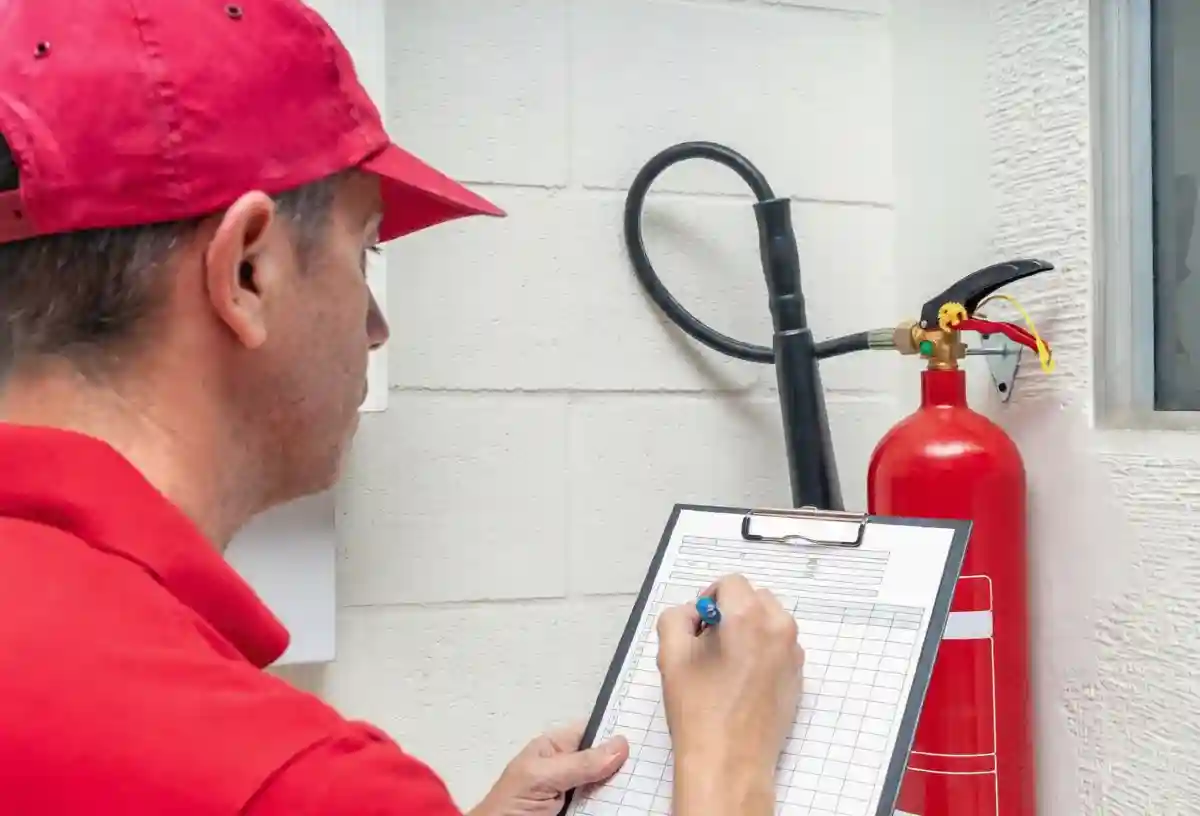
Though there are specific steps that must be taken to ensure homes and offices remain compliant with fire safety regulations across the UK, most measures are quick and easy to implement. Achieving Fire safety compliance London often starts with obtaining a Fire Safety Certificate in London, which confirms that legal requirements are met. The installation and upkeep of smoke and fire alarms help maintain an effective early warning system. Devices should be positioned in bedrooms, hallways, and common areas to maximize coverage. Fire extinguishers play a key role in controlling small fires before they increase. Water, foam, CO2, and powder extinguishers suit different risks, making correct selection essential when applying for a Fire Safety Certificate. These units should be placed near kitchens, electrical appliances, and along escape routes to improve safety. Regular inspections confirm that equipment remains functional and support Fire Safety Certificate London requirements. Emergency evacuation plans guide occupants to safety during incidents, with clear exits, accessible routes, and assembly points, improving efficiency. Plans require regular review after layout changes. Fire safety training for staff or family members supports readiness and aligns with Fire Certificate London standards. Training covers alarm response, extinguisher use, and evacuation procedures. Downloadable checklists further support compliance and ongoing safety management.

Fire Safety Certificates and Legal Compliance in London
A firefighter safety certificate verifies that a property meets legal fire protection standards across the UK. A Fire Safety Certificate confirms that required measures remain in place to reduce risks to occupants. In London, many property types, such as residential buildings, commercial premises, and public spaces, may require a Fire Safety Certificate in London based on size, usage, and occupancy levels. Fire safety compliance London standards helps lower risks and support safer environments. The certification process starts with a qualified fire risk assessor who reviews existing protection systems and identifies gaps that require action. After all safety measures meet regulatory expectations, documentation is submitted to the issuing authority. Upon approval, a Fire Safety Certificate in London is issued to confirm compliance. Renewal requirements apply to maintain alignment with UK fire regulations. appliance such as fire alarms, emergency lighting, and fire wardens support compliance and must undergo testing as part of the assessment process. Evaluation results determine if professional intervention is required. Proper assessment and documentation help secure certification without legal complications and support long-term safety for occupants.
Maintaining Fire Safety Compliance in Homes and Offices
The law surrounding fire safety UK demands frequent inspections and regular risk assessments to maintain compliance. Assessments must be completed and specific items checked and kept up to date to meet legal requirements. These items include smoke alarms, fire extinguishers, and other emergency safety equipment. Assessments are required when building occupancy changes or when internal layouts are altered. Documented evidence, such as a Fire Safety Certificate in London, supports legal protection and confirms compliance. Detailed records of inspections, maintenance, and training activities help demonstrate adherence during legal reviews and reduce exposure to penalties or fines. Records should outline completed assessments, issue certificates, and maintain safety equipment. After evaluations, fire safety plans must reflect updated conditions. Building renovations often introduce new risks and require revised escape routes. Structured monitoring methods, including flowcharts, support compliance tracking. A Fire Safety Certificate in London reflects a controlled approach to risk management and supports safer buildings through consistent compliance practices.
Tools and Resources for Fire Safety Compliance
Fire Safety Certificate in London provides several tools and resources to ensure safety throughout homes and offices. Certain tools assist users in evaluating risks, obtaining safety resources, and developing emergency plans. A calculative tool provides evaluations on risks, allowing users to identify specific issues that need to be addressed. Additionally, a fire extinguisher tool helps users determine which fire extinguishers would be best suited for specific situations. An emergency builder tool assists users in constructing plans and procedures for evacuating, to ensure that everyone knows exactly what to do in the event of a fire. The website government. The UK and the local fire department provide the most reliable information to stay in compliance with laws, safety standards, and regulations. Using the tools to devise plans and implement safety measures shows that the user is committed to fire safety rules in the UK. The tools available for use will help reduce fire safety risks and ensure safety measures are up to date. Users can utilize official government documents to finalize the placement of the Fire Safety Certificate in London and to devise plans. Users are able to create an environment that is fire safety compliant with the tools and resources available to them.
Why Fire Safety Compliance Matters for UK Property Owners
The importance of fire safety compliance in protecting lives and property in the UK is invaluable, as it is against the law not to have safety appliances, risk assessments, and clear evacuation routes set for your property. Without compliance, you may suffer fines, lawsuits, or even be liable for claims in the event of a fire. Financial losses are also a risk with a Fire Safety Certificate in London. If a building needs repair after a fire, the business could face weeks of lost revenue and downtime, and insurance providers may refuse claims if the building fails to meet safety standards. Continuing to invest in fire safety maintenance and risk assessments as compliance is cheaper and protects your property in the long run. Along with risks to finances, the safety of the building occupants is also at risk. Without such measures as clear escape routes, fire alarms, and fire extinguishers, people get hurt. If safety measures are disregarded in offices, residential buildings, and public spaces, the risks involve injuries and loss of life, or people may be trapped and face death in fires, and the legal risks for property owners increase. Property owners can get help from experts on safety to set, audit, and ensure compliance. The proactive ice management and ongoing audits of fire risk assessments and safety measures give a strong sense of control for property owners and a high level of commitment toward the safety of occupants.
Fire Safety Training for Families and Employees
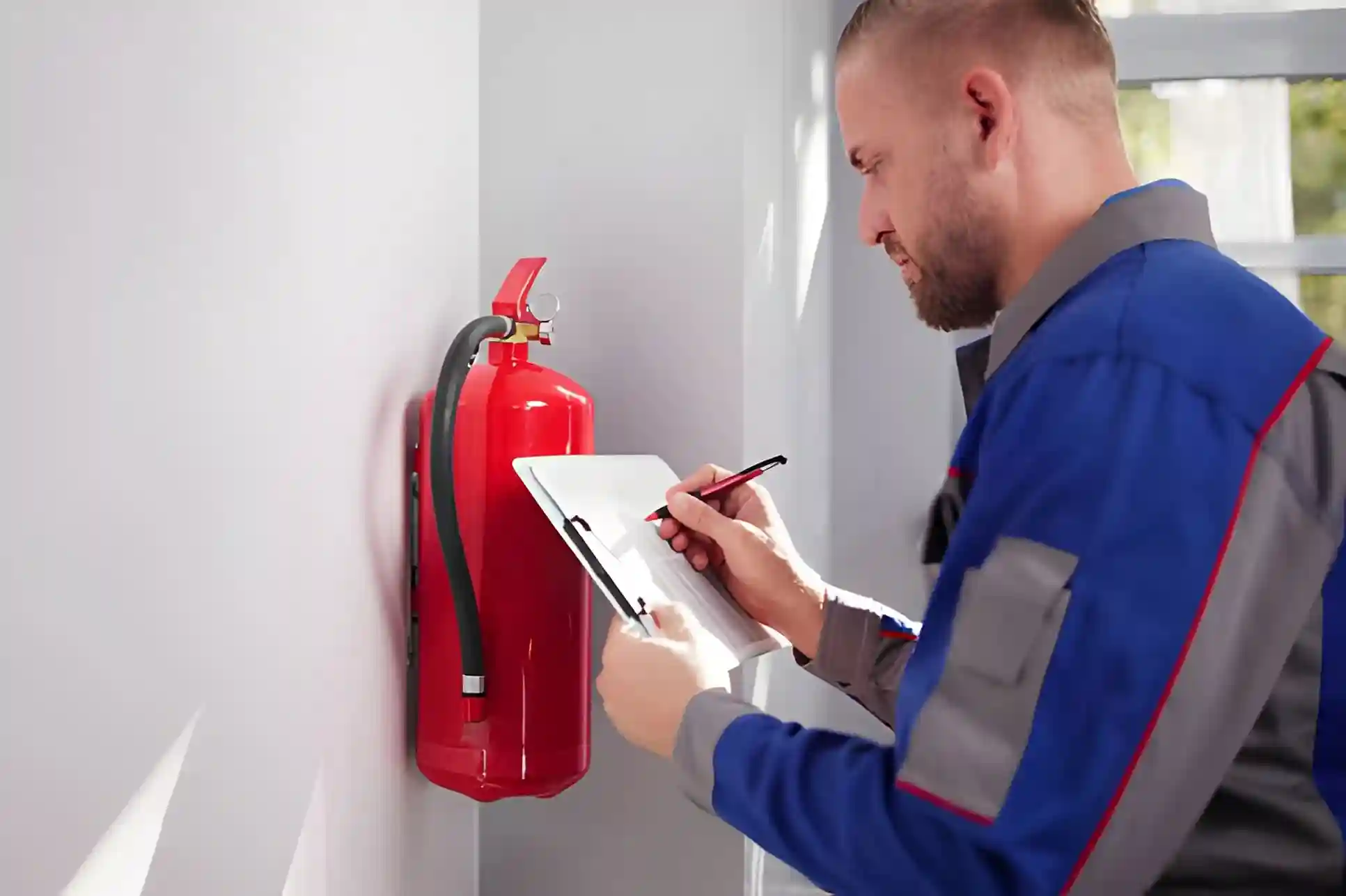
Safety training for families and employees makes sure awareness of risks remains high and readiness for emergencies stays strong. The ability to identify hazards and apply preventive measures can protect lives and property. Many accidents occur due to the absence of preparation, which explains why structured training remains necessary for both homes and workplaces. Training programs often align with requirements linked to a Fire Safety Certificate in London to support overall compliance. Effective training includes clear evacuation plans, assigned roles, and regular practice drills. Such preparation helps occupants understand procedures clearly and reduces panic during emergencies. For families, children should learn the purpose of smoke alarms, safe exit methods, and the need to stay low when smoke appears. Employees should understand extinguisher use, hazard identification, and adherence to workplace safety plans. Online courses support learning through topics such as fire prevention, emergency response, and risk evaluation, alongside practical activities that reinforce confidence. Regular reviews of safety plans improve preparedness levels. Support from fire safety professionals helps families and organizations design effective training frameworks. Alignment with a Fire Safety Certificate in London helps ensure that training standards meet regulatory expectations and support safer environments during fire emergencies.
Frequently asked questions.
Conclusion
A fire safety certificate in London protects property, occupants, and daily operations across homes and workplaces. Compliance with UK law reduces risks, prevents penalties, and supports a safer environment. Fire incidents often result from overlooked risks and preparation. Regular inspections, timely Fire Safety Certificate applications, and structured training for staff or family members strengthen overall safety standards. Professional guidance helps identify gaps and align properties with fire safety regulations. Immediate action supports long-term protection and legal compliance. Schedule a professional fire risk assessment to review current measures or download the fire safety checklist to start practical improvements today. Proactive steps create confidence, readiness, and peace of mind for every property.