Commercial Gas Safety Certificate in London supports lawful operation across office environments that rely on gas systems for daily function. Office management often faces compliance pressure due to boilers in plant rooms, shared kitchens, and heating systems that serve multiple floors. Regulatory bodies across the UK require routine checks under the Gas Safety regulations. Official guidance from the Health and Safety Executive reports that unsafe gas appliances remain a leading cause of workplace incidents each year. Gas Safety Certificate verification reduces such exposure and supports duty of care requirements. Gas Safety Certificate assessment focuses on appliance condition, ventilation integrity, and chimney performance. Commercial gas check London procedures often highlight faults within shared kitchen cookers and central boilers. Office gas inspection processes also address emergency shut-off access and system labeling. Industry data from Gas Safe Register confirms that non-compliant office systems frequently relate to poor maintenance records rather than appliance failure. Commercial gas certificate London documentation confirms inspection completion by a Gas Safe engineer. Verification by a qualified professional strengthens audit readiness and landlord accountability. Office facilities teams often seek minimal disruption during checks. Scheduled inspections outside core business hours often address that concern. Regulatory clarity assists decision makers. Guidance from UK gas safety frameworks outlines responsibilities for landlords, managing agents, and employers. A downloadable office compliance checklist often supports internal reviews. Questions often arise about inspection scope and renewal timing. Direct contact with a specialist team provides accurate guidance and documentation support without reference to pricing.
Key Takeaways
- Commercial Gas Safety Certificate in London keeps businesses safe and legal
- Regular gas checks find problems in appliances and pipes early
- Office gas inspection rules protect staff areas in all commercial spaces
- A commercial gas safety certificate in London proves safety during audits and for insurance
- Kitchens need more checks for ovens, grills, and fryers
- Renew certificates on time to avoid fines or shutdowns
- The law sets how often commercial gas safety certificates must be done
- Experts can show which appliances need checks
- Keeping records helps with safety and inspections
- Certificates reduce accidents and keep the business running smoothly
Commercial Gas Safety Certificate Cost Calculator for Business Buildings
Commercial Gas Safety Certificate in London often raises planning concerns for business operators who require clarity before formal scheduling. Decision makers usually seek a structured calculator that reflects appliance quantity, property size, and system complexity. Such a digital tool allows expectation setting without disruption to daily operations. Regulatory commentary from the Health and Safety Executive highlights that transparent planning reduces compliance delays across commercial buildings. A calculator framework normally reflects boiler count, catering appliance presence, and plant room access. Office environments differ from retail or hospitality settings due to shared heating infrastructure and restricted maintenance windows. Industry data published by Gas Safe Register indicates that appliance density directly influences inspection scope. Clear breakdowns support internal approvals and landlord coordination. Trust factors matter within compliance planning. Verification by a Gas Safe engineer confirms alignment with statutory gas safety regulations. Explanatory guidance around inspection variables removes uncertainty and avoids unexpected adjustments. A landing page that explains each factor in plain language supports informed decisions. Questions often arise around preparation steps and documentation timelines.
Commercial Gas Safety Certificate in London remains a regulatory requirement rather than an optional process. Calculator tools assist expectation management before engagement. Direct communication with a qualified support team provides tailored clarification and scheduling guidance. Further details remain available through professional consultation channels without reference to pricing structures.
| Premises type | Appliance count | Inspection scope | Estimated cost range |
|---|---|---|---|
| Small office unit | One boiler | Standard safety checks | £120 – £180 |
| Medium office floor | Two to three appliances | Extended system review | £180 – £260 |
| Large office building | Multiple appliances | Full compliance assessment | £260 – £400 |
| Complex commercial site | High appliance volume | Comprehensive inspection | £400+ |
Actual charges vary based on system layout, access conditions, and compliance history. A specialist review confirms accurate figures before scheduling.

Landlord vs Business Owner: Who Is Responsible for Commercial Gas Safety?
Responsibility for commercial gas safety often confuses office buildings. It often depends on lease structure, control over appliances, and maintenance responsibilities. It is common for landlords to retain responsibility for fixed installations such as central boilers and plant room pipework. Commercial Gas Safety Certificate in London compliance often requires cooperation between both parties. Legal frameworks under UK Gas Safety regulations define duty holders based on control rather than ownership. It becomes clear through case law that control over maintenance triggers legal responsibility. It applies to landlords who manage heating systems serving multiple tenants. It also applies to business owners who operate kitchen appliances within office units. Industry reports from the Health and Safety Executive confirm that shared responsibility failures account for a high percentage of enforcement notices. Real-world examples highlight common risk areas. It often appears during gas inspection activity that documentation gaps exist between lease clauses and practice. It often leads to delays during a commercial gas check London. Commercial gas certificate London records must clearly state appliance ownership and inspection scope. Commercial Gas Safety Certificate in London documentation supports that clarity during audits. Clarity reduces legal exposure. It helps prevent enforcement action and operational disruption. Questions about responsibility often arise during lease renewals or building handovers. Direct contact with a qualified compliance team provides accurate guidance aligned with current regulations and documented best practices.
Commercial Gas Safety Certificates for Restaurants, Cafés, and Takeaways
Commercial Gas Safety Certificates for Restaurants, Cafés and Takeaways protect food businesses from shutdown risks and legal action. Commercial Gas Safety Certificate in London applies to kitchens that rely on high-output appliances. Commercial gas certificate restaurant requirements focus on ovens, grills, fryers, and boilers. High-heat operations increase fault exposure. Industry reports indicate that over forty percent of commercial kitchen fires are linked to gas appliance failure. Regulatory authorities enforce strict inspection routines. A Commercial Gas Certificate confirms system compliance and operational safety. Commercial gas certificate London records appliance condition and ventilation adequacy. Gas Check London supports audit readiness and insurer confidence. Gas inspection principles also apply to food premises with staff areas and shared pipework. Gas appliances in food service settings operate under constant load. Pressure variation causes component wear. Valve failure leads to gas leaks. Poor flu performance causes carbon monoxide exposure. Safety bodies report thousands of enforcement actions each cycle across food businesses. Commercial Gas Safety Certificate in London addresses high-risk regions through targeted checks. Gas Safety Certificate assessments cover burners, pipe joints, shut-off controls, and extraction links. Gas safety certificate restaurant documentation supports compliance evidence during authority visits. Commercial gas check London verifies emergency isolation access. Gas inspection standards guide record retention and signage. Questions arise around inspection scope and appliance listing. Professional teams clarify requirements and outline next steps on request.
Top Reasons Commercial Properties Fail Gas Safety Checks and How to Fix Them
Commercial properties often face a commercial gas safety check failure due to preventable issues. A common reason relates to poor appliance condition. Worn valves and unstable burners raise red flags for inspectors. Another reason is linked to the absence of documentation. Safety authorities report that more than 30% of failed audits name missing records as a primary cause. Commercial Gas Safety Certificate in London helps address audit gaps through structured reviews. Professional assessments confirm appliance status and pipe integrity. Questions often arise around flue clearance and airflow balance. Faults in exhaust routes increase carbon monoxide exposure risk according to safety body data. Another frequent commercial gas safety check failure is connected to isolation access. Emergency shut-off points must remain clear at all times. Obstructed access leads to instant non-compliance notices. Industry surveys show that one in four enforcement actions result from access violations. A Commercial Gas Safety Certificate in London includes verification of shut-off reach and signage. Remedial steps focus on layout correction and staff awareness. Office gas inspection standards also apply to shared plant rooms and staff areas. Gas pressure imbalance also contributes to inspection failure. Regulators highlight pressure irregularities as a major risk factor. Calibration checks resolve most cases quickly. Commercial Gas Certificate documentation supports proof of corrective action. Guidance from certified engineers offers clarity on compliance steps. Support teams remain available for detailed advice and next-stage planning.
How Often Do Commercial Gas Safety Certificates Need Renewal
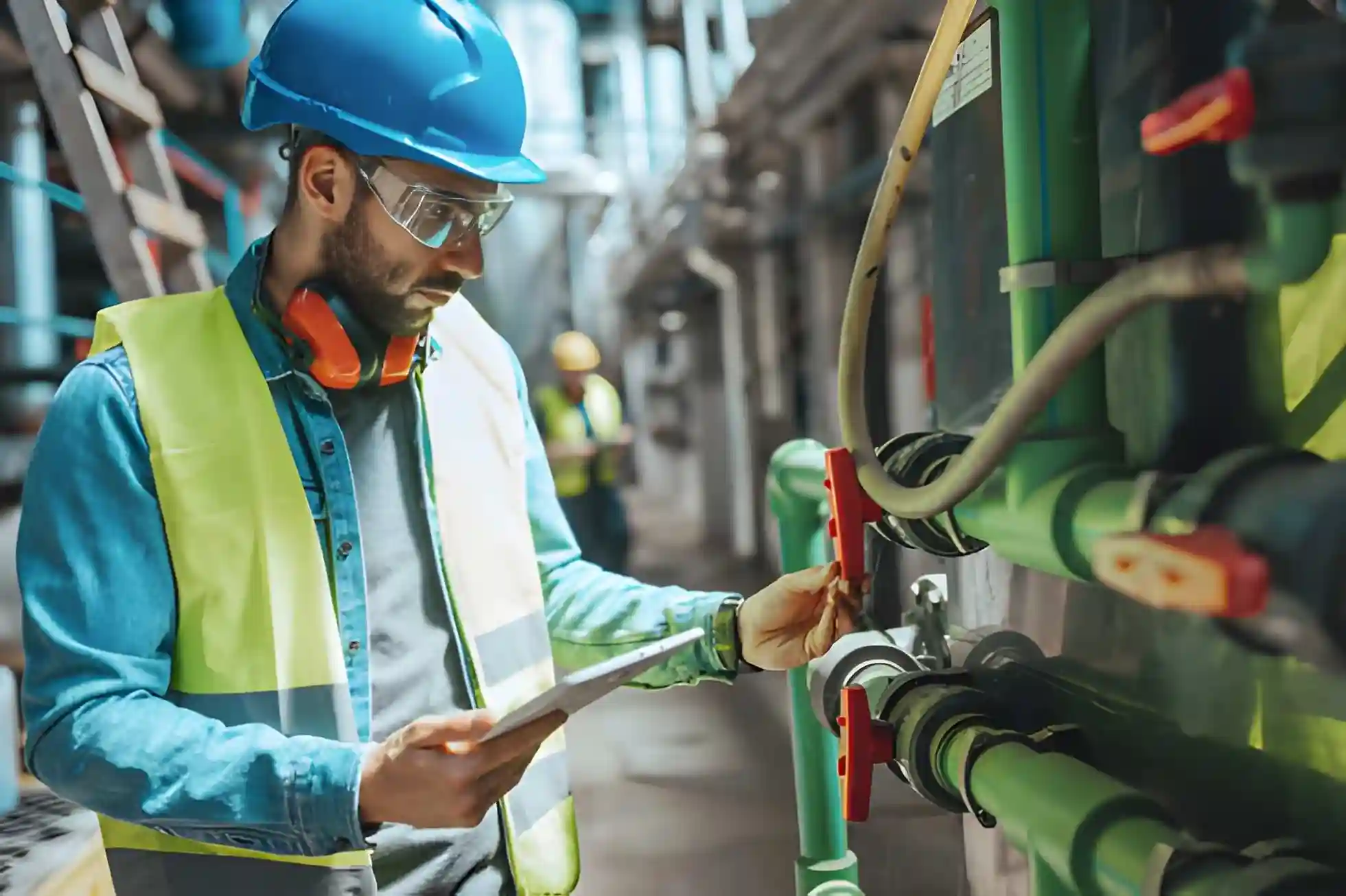
It is necessary to understand how often the commercial gas safety certificate in London renewal applies across business types. Statutory guidance sets fixed inspection cycles for commercial premises. Food service locations face a higher risk exposure due to heat output and appliance load. Safety authorities report that over 60% of gas-related incidents occur in catering environments, according to national incident summaries. It is required that inspections follow manufacturer instructions and regulatory schedules. Commercial Gas Certificate in London aligns with those statutory duties and audit expectations. Commercial gas certificate renewal frequency links directly to appliance intensity and usage patterns. The phrase how often a gas safety certificate appears frequently in compliance guidance due to missed renewal actions. It is recognized that offices, retail units, and warehouses follow similar legal frameworks. Office gas inspection standards confirm system integrity across staff areas. Commercial gas check London practices focus on pipework, valves, and emergency isolation. Enforcement data from safety regulators shows penalties often arise from overdue certification rather than appliance defects. It is advised that records remain accessible for inspection authorities. Commercial Gas Safety Certificate in London supports proof of compliance during site visits. Commercial Gas Certificate documentation confirms lawful operation status. A commercial gas certificate also supports insurer requirements. Questions often arise around renewal timing. Professional teams clarify inspection intervals and documentation steps upon contact.
Frequently asked questions.
Conclusion
Maintaining a valid Commercial Gas Safety Certificate in London ensures safe operation and compliance with statutory requirements. Regular commercial gas checks reduce the risk of leaks, appliance failure, and regulatory penalties. Office gas inspection principles across business types, supporting both staff safety and operational continuity. A commercial gas certificate in London provides documented proof of adherence to legal standards and industry best practices. Timely renewals and thorough inspections prevent unexpected shutdowns and enforcement actions. Businesses benefit from professional guidance to determine inspection schedules, address high-risk appliances, and maintain accurate records. Prioritizing certification safeguards both people and property while supporting long-term operational stability.