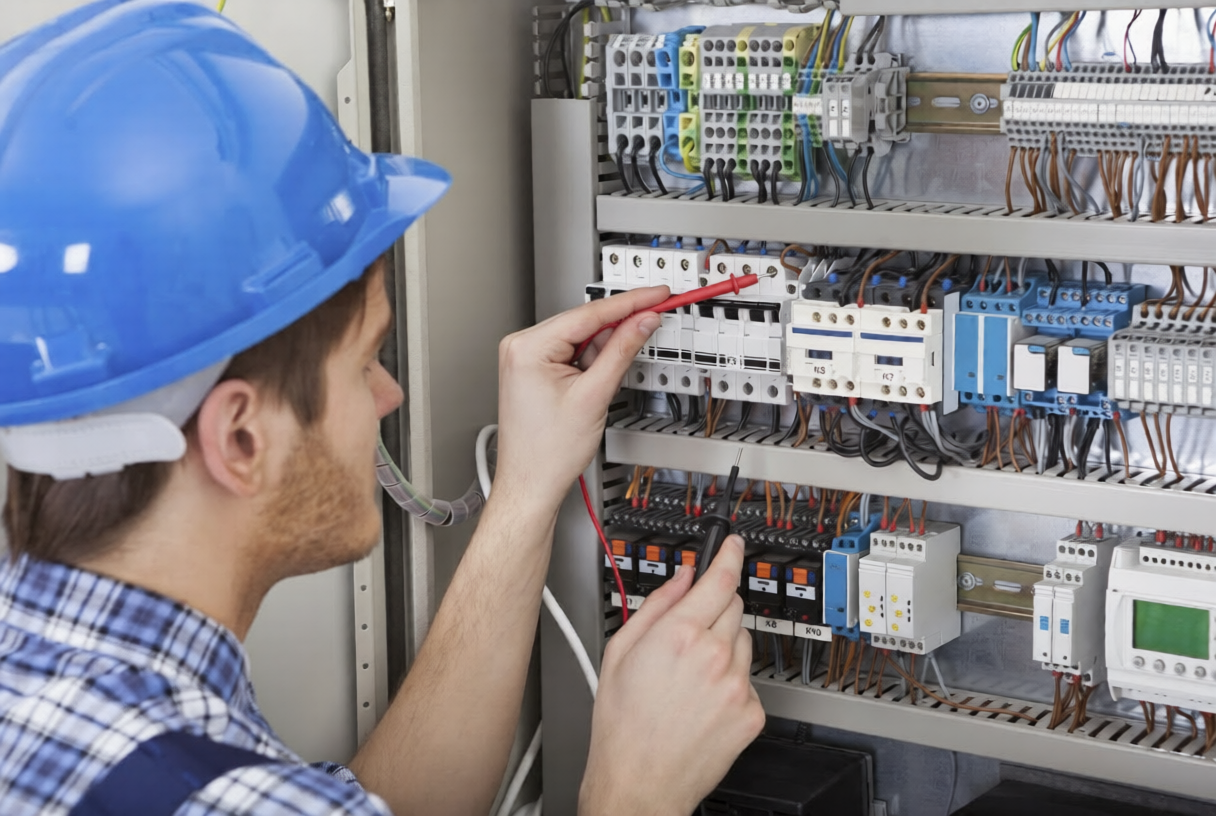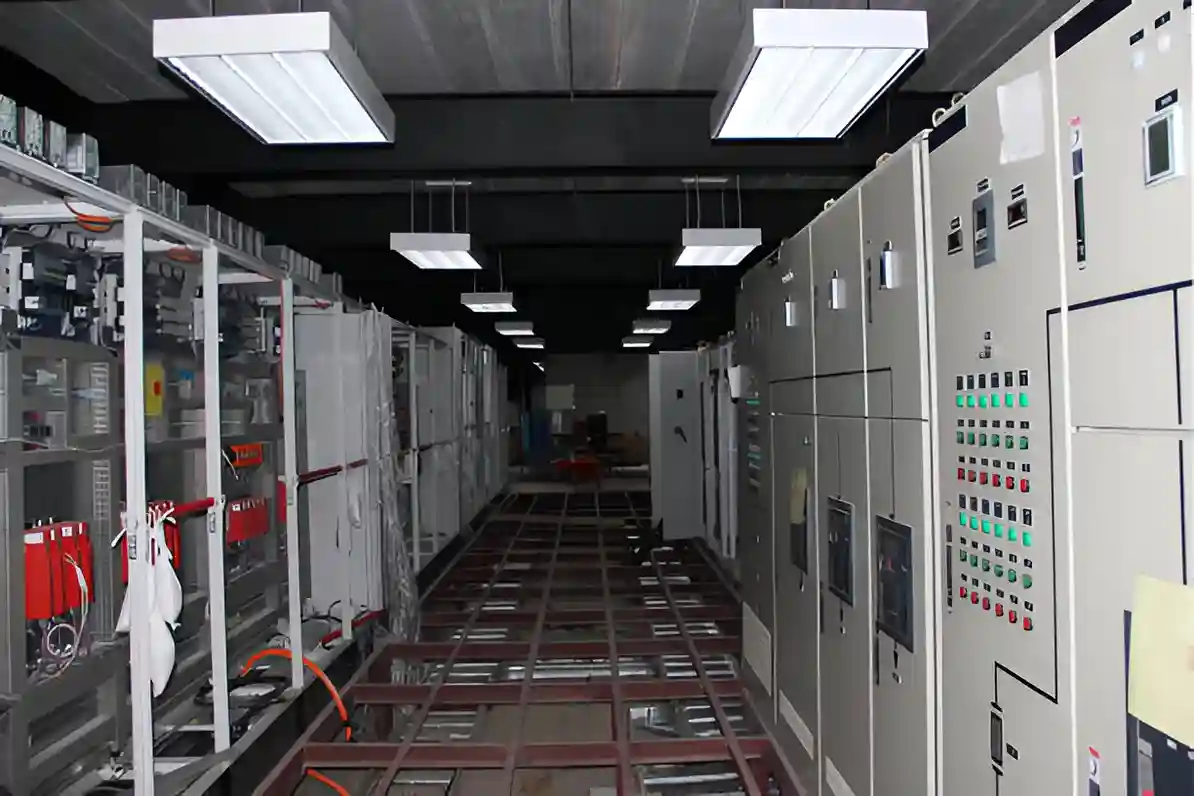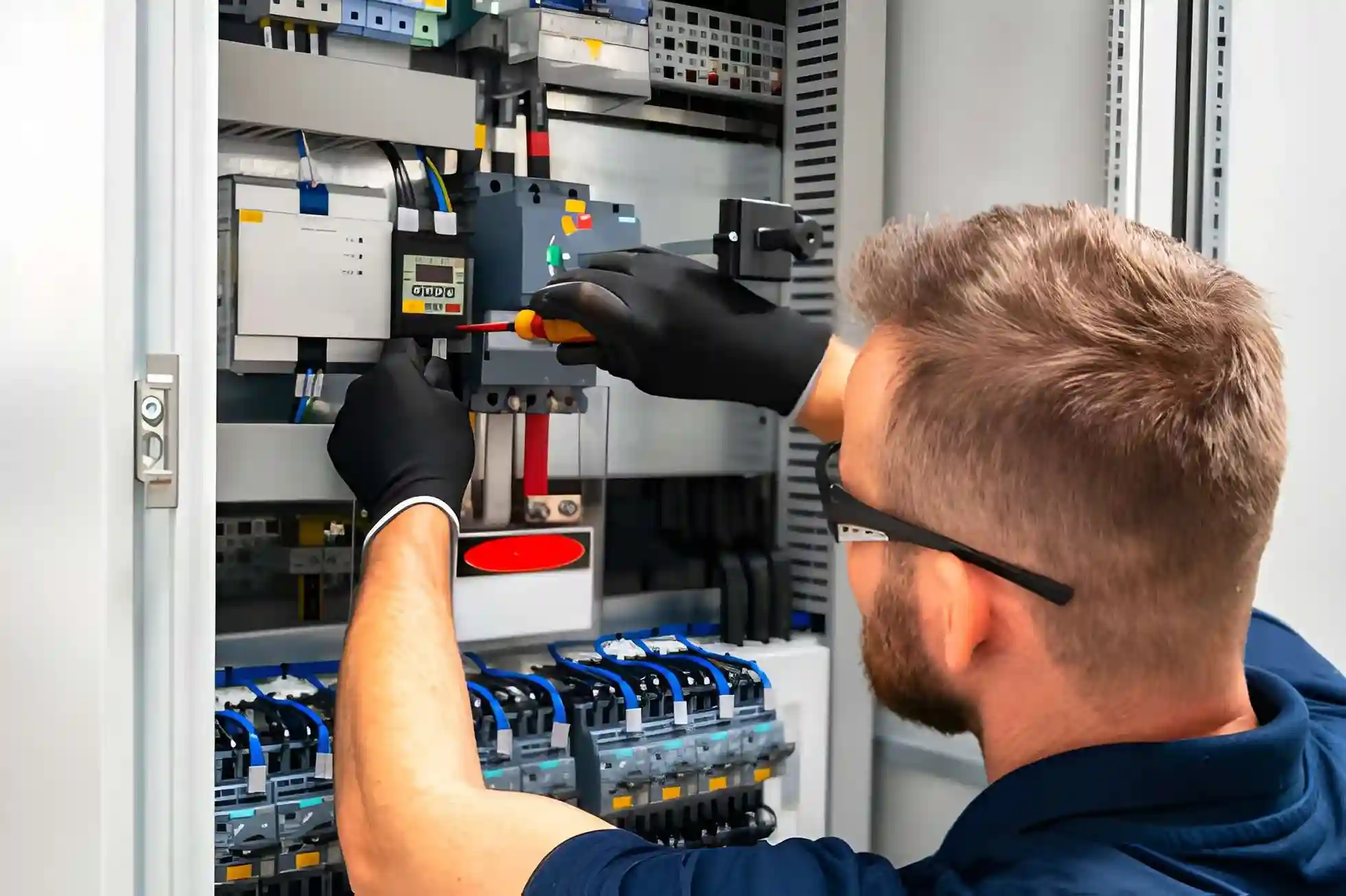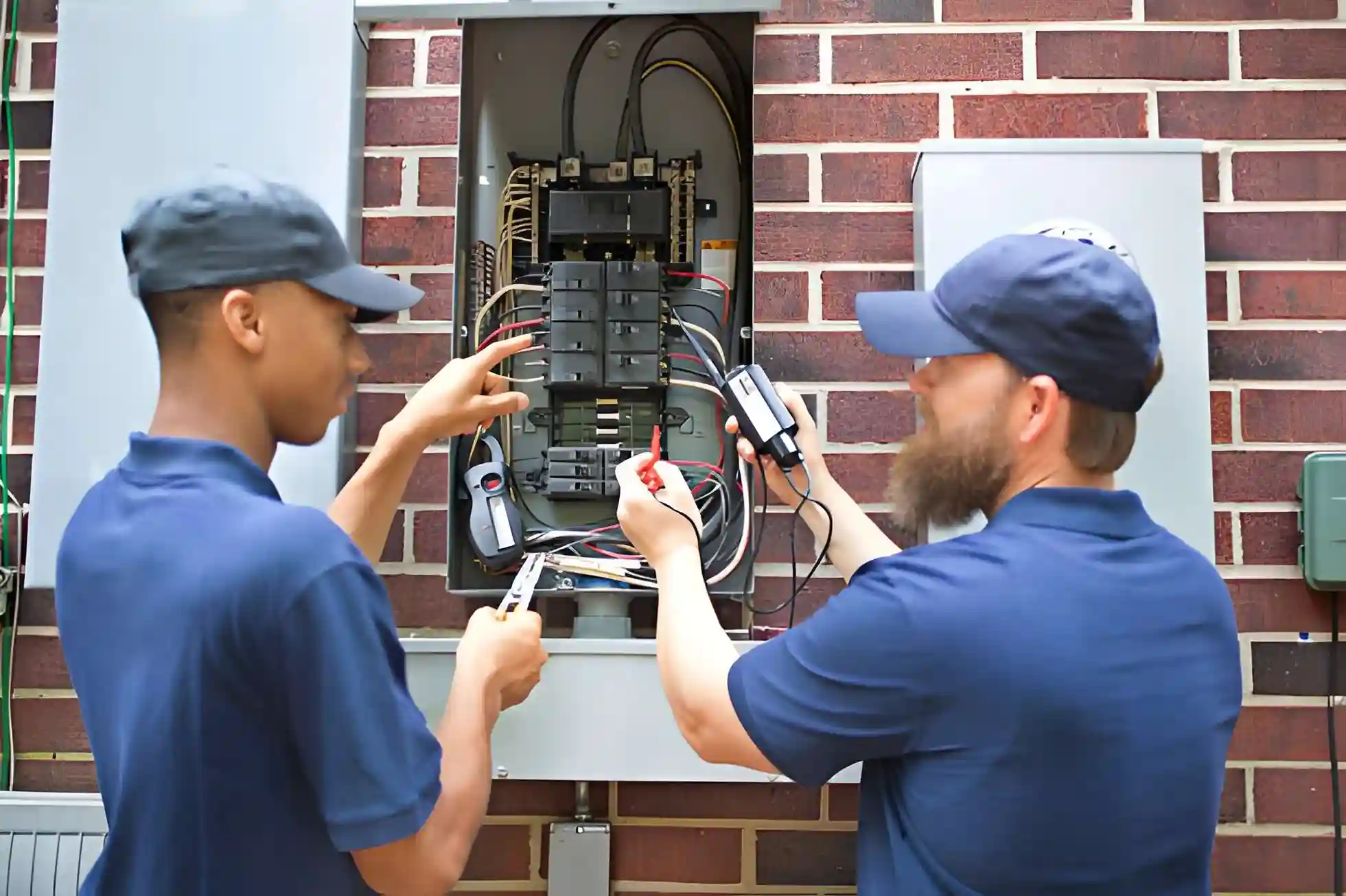
A safe home starts with good planning before an EICR check. Make sure the electrician can easily reach all outlets, switches, and the power box. Move big furniture away from walls where wires run. Keep things away from plugs and the fuse box. The electrician needs to see all rooms to check the wires and electrical parts. If you have an old EICR report, keep it ready. This helps show what changed in your electrical system. Write down any repairs you made since the last visit. Make sure the power is working so the electrician can test all the safety parts. Tell people living in the home about the visit so the electrician can get in easily. Good planning helps things go smoothly and stops extra visits. Many people ask about EICR costs before booking. Good planning often stops extra work from things. Careful planning helps you get a valid EICR certificate and keeps your electrical system safe.
Key Takeaways
- An EICR certificate shows that your electrical system is safe and follows the rules
- Getting the property ready before an EICR check makes testing smooth and gets good results
- Fixing broken outlets and switches early stops problems in the EICR report
- Easy access to power boxes, outlets, and wires helps the electrician work faster
- Good earthing and bonding connections make things safer and help you get a good EICR certificate
- RCD protection is needed in wet areas or places with lots of appliances
- Reading and understanding EICR codes helps you fix things in the right order
- Fixing problems early stops extra visits and saves work
- Keeping old check records helps you follow the rules and makes checks easier
- Taking care of electrical safety keeps people safe, protects your home, and keeps things working right
Legal Requirements Every Landlord Must Know Before Testing
Keeping rental homes safe is a legal job for every landlord. The law says you need a valid EICR record before a new person moves in. People already living there must get a copy of the EICR certificate on time, as the housing rules say. Electrical systems must follow national wiring rules to make sure outlets, wires, and fuse boxes are safe. A trained electrician must do a full check and make an official report. Any problem marked as dangerous must be fixed within the time given in the report. You must keep written proof that repairs are done to show you follow the rules. A fresh EICR becomes available once you fix what needs fixing. Property managers who handle rentals must also keep a copy of the EICR certificate for their records. Local authorities can ask to see records during safety checks. If you do not have an EICR certificate, you may get fines and legal trouble under housing safety laws. They also show that the electrical system is safe for daily use under current laws.
Most Frequent EICR Failure Points and Fixes
Electrical systems often have problems that lead to a bad EICR certificate result. Old fuse boxes are one of the most common problems found during checks. New power boxes with good circuit protection make things safer and help with wiring rules. Lack of RCD protection also shows up in many older homes. Updated safety devices help meet safety rules and help you get a certificate. Broken outlets and loose wires create more worry during testing. Fixing worn parts makes the system work better and helps you get a clear EICR certificate. Poor earthing and bonding often appear in older setups. Good bonding connects metal parts safely to the main earth system and makes shocks less likely. Overloaded circuits also cause failure during checks. Spreading the load across circuits makes things safer and stops overheating. Bare wires or visible wear inside power boxes may also lead to problems listed in the report. Quick repair by a trained electrician lets you get re-checked without delay. Good upgrades and fixes lead to a good EICR certificate. This shows that your electrical system safety rules are for continued use.
Why Early EICR Preparation Prevents Costly Fails
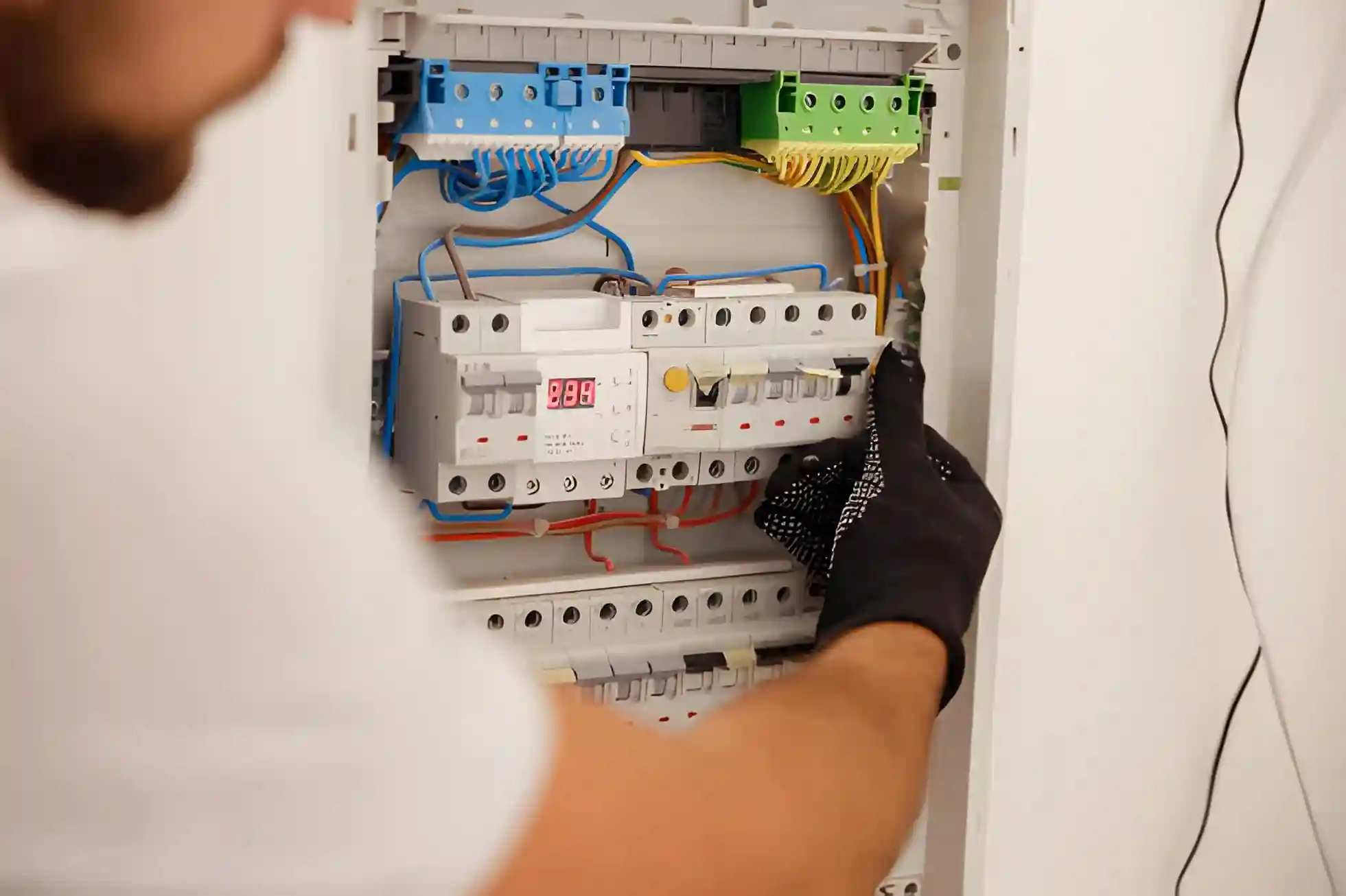
Early planning before an electrical check makes things less stressful and stops expensive fixes. Property owners who check wiring, outlets, and the power box early often fix small problems before the official visit. A pre-check done by a trained electrician finds loose connections, old safety devices, or signs of overheating. Fixing small things early makes it more likely to get a good EICR certificate on the first try. Problems like missing RCD protection, broken parts, or poor bonding can cause failure if you fix them. Quick repairs let the system meet today’s safety rules without extra visits. Clear records of past tests and upgrades also help things go smoothly. They help the checker make sure everything follows the rules. Planning protects people living there and keeps your property value high while limiting hassle. Owners who wait to fix things often face repeat checks and extra work after a bad result. Careful planning before the scheduled test creates a safer setup. It makes it more likely that the EICR certificate will be given without delay. Taking action early also protects your budget. Early action lowers the chance of big fixes after the EICR certificate result is written down.
Typical EICR Related Costs
| Service Type | Property Size or Scope | Estimated Cost Range |
|---|---|---|
| EICR inspection | Studio or one-bedroom flat | £90 – £180 |
| EICR inspection | Two-to-three-bedroom house | £150 – £300 |
| EICR inspection | Four-bedroom house | £200 – £350 |
| Consumer unit replacement | Standard upgrade | £400 – £700 |
| Minor remedial repairs | Per fault basis | £80 – £250 |
| Full rewire | Average family home | £2,500 – £6,000 |
Costs vary based on property size, wiring condition, and the scope of work required after inspection.
Clear Access Rules for Inspectors Every Landlord Needs
Easy access to your property helps the electrician do a complete and correct check. Landlords should plan to let the electrician into all rooms, storage spaces, and utility spaces before the scheduled EICR check. Clear paths to outlets, switches, and the power box let the electrician do testing without things in the way. Move big furniture, stored boxes, and personal stuff away from the walls where electrical points are. Access to attic spaces, basements, and outside power points also helps with a detailed look. Keep past safety papers ready during the visit. Old records help the electrician compare how things are now with past findings. A recent EICR statement helps show upgrades or repairs done since the last check. Clear talking with people living there helps stop delays and makes entry easy on check day. Keep pets in a safe place, so they interrupt testing. Working with electricity lets the electrician check safety devices and how circuits work. Many landlords check service details and EICR costs before booking. But when access is hard, it often leads to extra visits and longer testing work. Good planning helps things get approved faster. It is a valid EICR certificate after the check is done.
Repair Damaged Sockets and Switches Before Arrival
Electrical outlets and switches that show wear or damage can stop you from getting a good EICR certificate. Loose connections, cracked covers, or burn marks create safety risks that checkers must write in the EICR description. Broken points may also stop the testing of wires and safety devices, causing delays in the check. Replacing or fixing broken outlets and switches before the visit makes sure the system meets the rules. Good repairs also lower the need for follow-up visits, helping you get an EICR certificate on the first try. Trained electricians check inside wiring, terminals, and insulation to bring back good connections. Even small problems can affect safety, so early action stops dangers that may show up in the official report. Making sure all switches work smoothly and outlets give steady connections helps test safety devices like RCDs correctly. Clear, safe, and working outlets also let the checker test the system fully without problems. Early care is responsible and protects people from electrical risks.
Checking and Improving Earthing & Bonding Connections
Earthing and bonding connections are a very important part of any electrical system. They directly affect the EICR certificate you get. Poor connections can make electric shock more likely and may cause urgent problems noted in the EICR report. Checkers always make sure metal parts like pipes, appliances, and metal frames are properly bonded to the main earth. Early review and improvement of earthing points ensures that wires work safely and protect users from electrical dangers. Trained electricians can find weak connections, replace rusty clamps, and check that the main earth wire gives steady protection throughout the property. Strong earthing helps RCDs and circuit breakers work properly, helping you get a good EICR certificate. Homeowners who upgrade bonding connections before the check lower the chance of extra work or repeat visits. Well-kept earthing also stops damage to appliances and lowers the chance of fire caused by stray power. Making sure every bonding connection is secure and follows the rules shows you care ahead of time. This makes it more likely your electrical system will pass the check.
Where and Why RCD Protection Is Usually Required
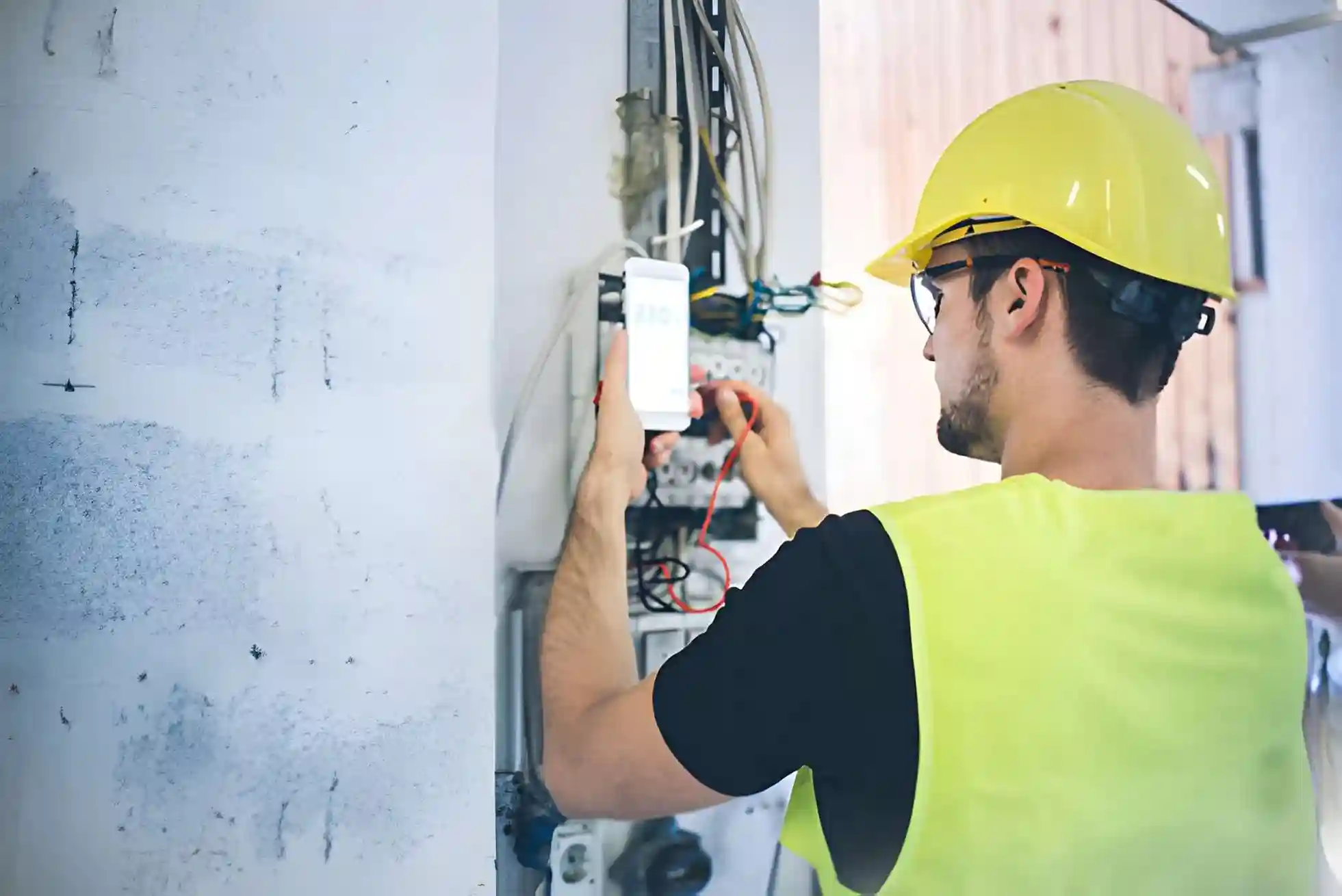
RCD protection is a key part of safe electrical systems. It strongly affects the EICR check result. RCDs protect against electric shock by quickly cutting off power when something goes wrong. They are usually needed on wires going to kitchens, bathrooms, outdoor areas, and any outlets where portable appliances plug in. Areas with lots of water or frequent use have more risk, so protection must be there to meet safety rules. During an EICR check, the electrician tests each RCD to make sure it works correctly and responds within the time needed. Broken or missing devices are written in the EICR documents. This can delay getting an EICR certificate until you fix things. Properly set up RCDs help stop accidents and make serious injuries or property damage less likely. Checking your system ahead of time lets you replace broken devices and makes sure the wires are in order. Clear marking of wires with RCD protection also helps with correct checking. It can save extra work or cost after the check. Early attention to these devices makes things safer, speeds up the process, and gives you confidence that the EICR certificate will be given without problems.
Frequently asked questions.
Conclusion
A valid EICR certificate shows that an electrical system is safe. Good planning before the EICR check makes delays less likely and stops problems from showing up in the EICR documents. Early repairs to broken outlets, switches, and safety devices like RCDs make the process smoother and lower the chance of repeat checks. Strong earthing and bonding connections make things safer and help with a good certificate result. Reading and acting on the codes in an EICR report lets you do the fixing work well, making you more confident in how well the system works. Easy access for checkers and organized records of past care also make the check better. Paying attention to each detail makes sure the property stays safe for people living there and that you follow the rules. Planning and taking care of possible dangers before the visit makes getting a certificate more likely. This protects both property and people. Good action makes serious electrical problems less likely. It helps keep a safe, well-kept setup ready for everyday use.