CP12 gas certificates show that gas items in a rental home are safe and follow the law. A trained Gas Safe engineer checks boilers, cookers, pipes, and flues before giving out CP12 gas safety certificates. Landlords must have a valid landlord certificate and a gas safety record for each home that has gas items. A gas-electric safety certificate may also be needed when both gas and electric systems need to be looked at. Owners must set up a check every year to keep the landlord certificate, gas safety, good, and active. Broken items can cause gas leaks or carbon monoxide, which can hurt people badly. Good records also keep landlords safe during audits, tenant fights, or home sales. Engineers write down the item condition, air flow status, and any problems found during the visit before giving out the certificate.
Key Takeaways
- CP12 gas safety certificates show that gas items meet safety rules.
- Landlords must set up checks through trained Gas Safe engineers.
- Certificates cover boilers, cookers, gas fires, and pipes.
- Tenants must get a copy of the certificate after the check.
- Yearly checks keep CP12 gas safety certificates good and up to date.
- Broken items and leaks must be fixed before the certificate is given.
- A gas-electric safety certificate may apply to homes with both systems.
- A commercial gas safety certificate is needed for bigger business buildings.
- Good records keep landlords safe from legal and insurance problems.
- Keeping CP12 gas safety makes homes safe and helps tenants feel good.
What Are CP12 Gas Safety Certificates?
CP12 gas certificates are official papers that show that gas items in a rental home are safe and follow the law. A trained Gas Safe engineer does a full check of boilers, gas cookers, pipes, and flues before giving out CP12 gas certificates. The check makes sure items work safely and that there are no gas leaks or air flow problems. Landlords must set up this check every year to keep their landlord certificate, gas safety, good, up to date. The paper lists each item, its condition, and any problems that need to be fixed. A valid record shows that safety checks were done and that the home follows current gas rules. Tenants must get a copy of the certificate after the check is done. Good records help keep both landlords and tenants safe from legal and safety risks. Gas items can become unsafe if problems are not found, which makes regular checks very important. CP12 gas safety certificates give written proof that a home has been checked by a pro and that all listed items were safe at the time of the check.
Who Needs CP12 Gas Safety Certificates?
Landlords who rent out homes need CP12 gas safety certificates to follow gas safety laws. Any home that has gas items like boilers, cookers, or gas fires must have valid certificates. Private landlords, housing groups, and letting agents must set up yearly checks through a Gas Safe engineer. Owners who rent out flats, houses, or shared homes must get CP12 gas safety certificates before tenants move in. Agents who work for landlords also have the job of making sure rules are followed and records are kept. Business home owners may need different certificates, but rental homes need a CP12 gas certificate. Holiday lets and short-term rental homes with gas items fall under the same safety rules. Landlords who do not keep gas safety certificates may face legal fines and rental limits. Good certificates keep tenants safe from gas leaks and carbon monoxide, and also keep landlords safe from fights. Any person or company that rents out a home with gas items must treat the yearly gas check as a must-do job under the rental law.
Legal Requirements for CP12 Gas Safety Certificates
Landlords must follow the gas safety law when renting out a home that has gas items. A yearly check of boilers, cookers, and pipes is a legal duty under rental rules. A trained Gas Safe engineer must do the safety check and write down item condition after the check. CP12 certificates show that each listed item was safe at the time of the visit. Landlords must set up a check every year with no delays. New tenants must get the paper before they move in. Records must be kept for proof of following the rules. Not having valid CP12 gas safety certificates can lead to serious legal trouble and fines. Courts may give fines or take away some landlord rights if the certificate is missing or old. Clear records keep both owners and tenants safe from problems that could be avoided. Following the law means renewing on time and keeping good records. CP12 gas safety certificates are written proof that gas systems meet the mandatory safety rules under the rental law.
What Is Checked During a Gas Safety Inspection?
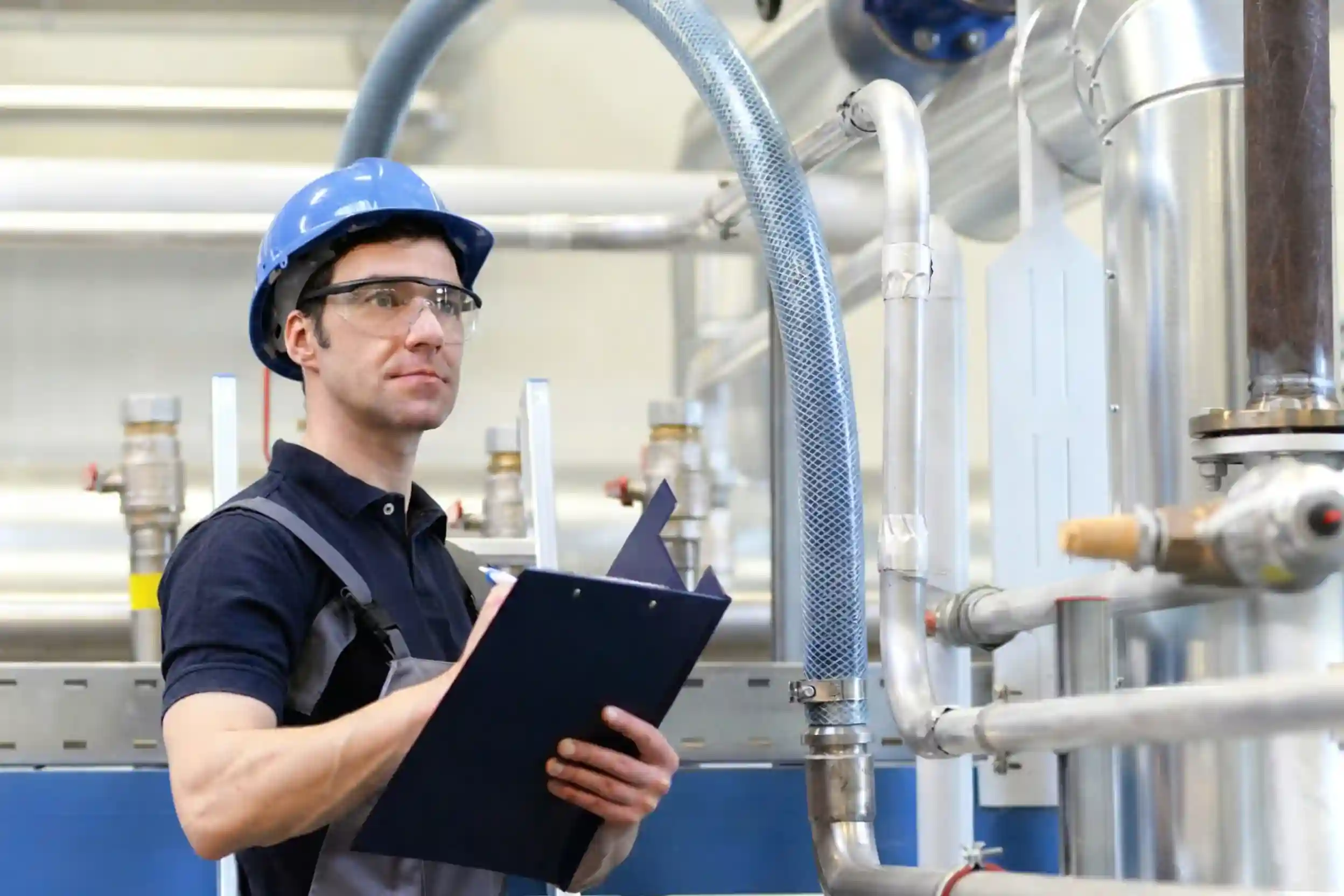
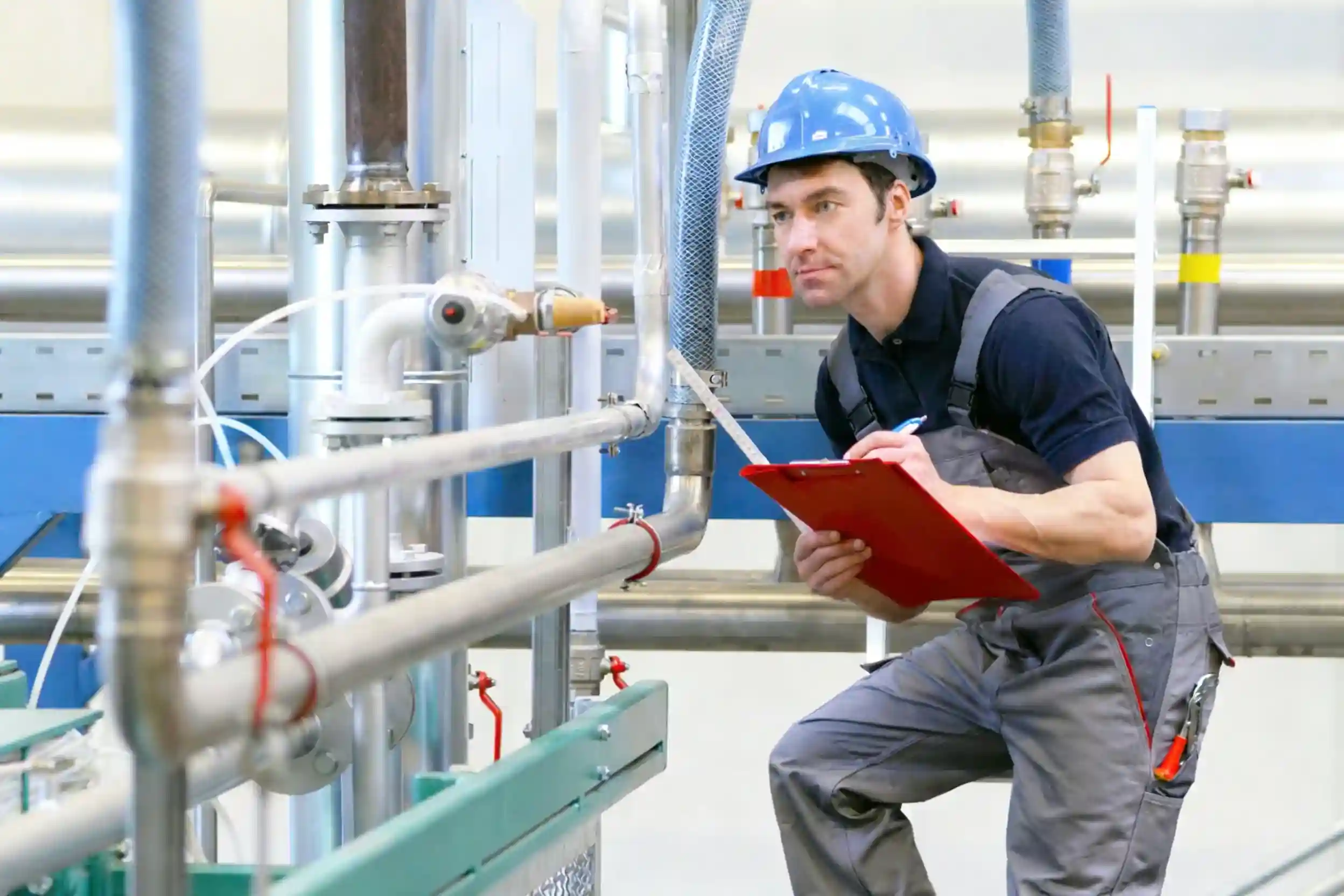
A gas protection takes a look at covering all gas objects and linked systems in a condo home. A Gas Safe engineer examines the boiler, gas cooker, gas fire, and visible pipes to make certain they work safely. The engineer assesses gas strain and looks for leaks that may be dangerous. Air routes and flues are also checked to make sure harmful gases leave the home safely. Item safety tools must work correctly to turn off the gas if a problem is found. Clear access to each item lets the engineer do a proper check and write an accurate report. After the check, CP12 gas safety certificates show that the listed items meet safety rules at the time of the visit. A landlord certificate gas safety record lists item details, condition notes, and any problems found. If a home has both gas and electric systems being checked, a gas electric safety certificate may apply. Business buildings that use bigger gas tools may need a commercial gas safety certificate instead of the regular home one. Problems found during the check must be fixed before the certificate is given. Proper checks and records lower risk and show that gas systems work safely in the home.
How Often Are Gas Certificates Required?
Landlords must set up a CP12 gas safety certificate once every twelve months for any rental home that has gas items. The law requires a yearly renewal to keep gas safety certificates good and active. A Gas Safe engineer must finish the check before the old record runs out. The renewal date generally follows the date of the final check, and landlords ought to watch the quit date carefully to avoid gaps. CP12 gas safety certificates show that boilers, cookers, gas fires, and pipes had been secure at the time of the check. A new certificate takes the place of the vintage record after every year take a look at. Tenants ought to get a replica of the brand-new certificate within the required time. Booking early helps avoid delays, particularly whilst engineers are busy. Old or expired papers can also cause legal fines and restrictions on a few landlord rights. Insurance businesses may additionally ask for a valid certificate when looking at claims. Regular renewal of the CP12 fuel protection certificate keeps each owner and tenant secure with clean proof of following the policies and written protection checks.
Who Can Issue CP12 Gas Safety Certificates?
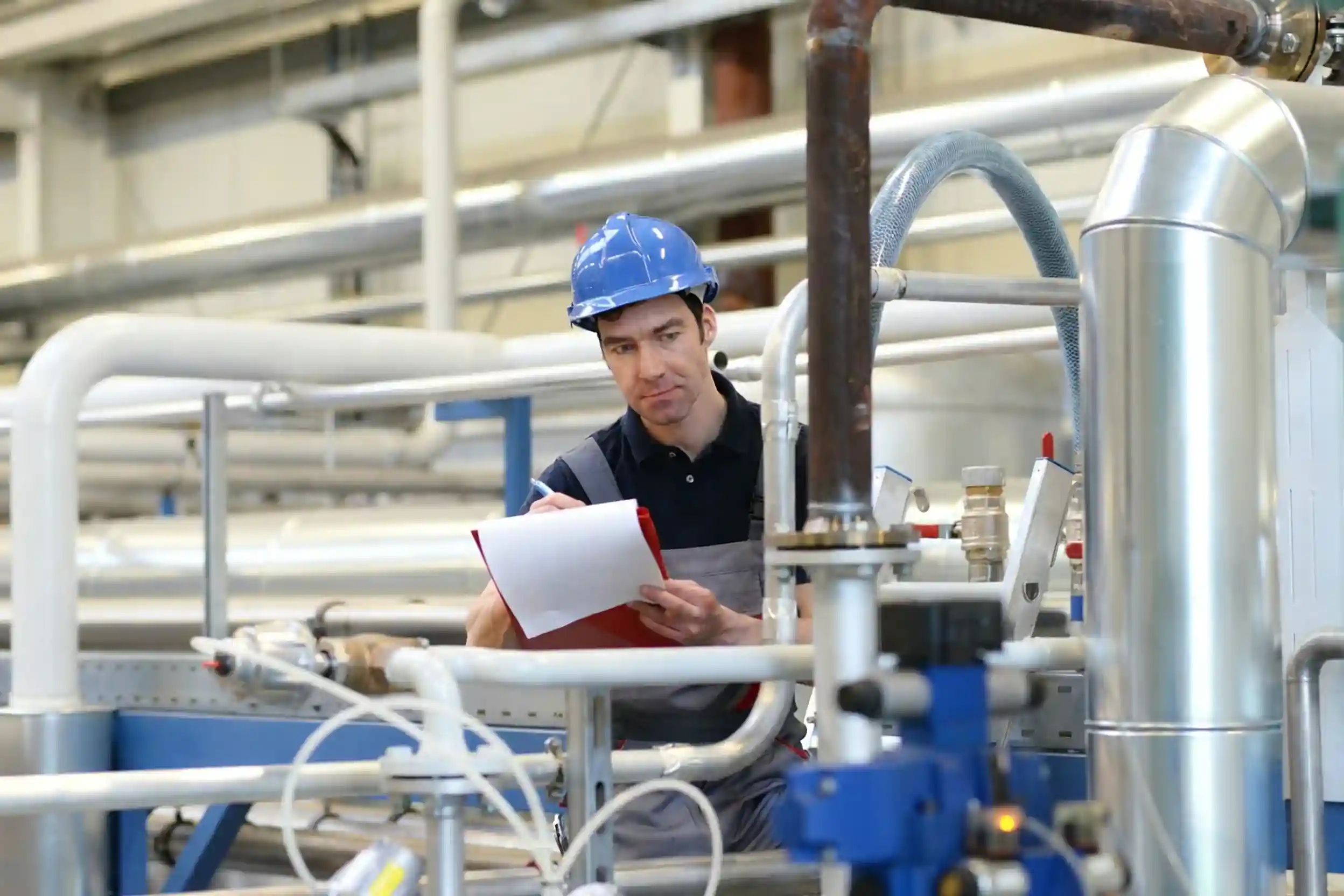
Only a trained Gas Safe engineer can issue a CP12 gas safety certificate for a rental home. The engineer must be registered to check boilers, gas cookers, gas fires, and pipes.CP12 gas safety certificates give written proof of this check and show that the home meets legal safety rules. Landlords or agents cannot give out the certificate themselves, and using untrained people may lead to legal fines or papers that are not valid. The engineer writes down item details, safety status, and any problems during the visit. Regular homes need standard CP12 gas safety certificates, while business buildings with bigger gas systems may need a commercial gas safety certificate. Homes with both gas and electric systems may need a gas electric safety certificate depending on the rules. Engineers must follow set safety steps and report any urgent dangers found during the check. Copies of the CP12 gas safety certificates must be given to tenants and kept safely for records. Proper checks and proper certificates help keep tenants safe from gas dangers and give landlords clear, official proof that they are following gas safety rules.
How Gas Certificates Protect Tenants and Landlords
CP12 gas safety certificates give clear proof that gas items in a home work safely. Landlords must have a valid landlord certificate and a gas safety record for every rental home with gas systems. Checks by a Gas Safe engineer look at boilers, cookers, gas fires, and pipes to confirm they work correctly and to find leaks or air flow problems. A gas electric safety certificate may also apply when both gas and electric systems need to be checked to meet safety rules. Business buildings often need a marketable gas safety certificate for bigger or more complex gas systems. Having CP12 gas safety certificates ensures tenants live in a safe home and lowers the risk of accidents from broken items or gas leaks. Keeping clear records keeps landlords safe from legal fines, insurance problems, and fights with tenants. Tenants get copies of certificates, which gives them trust that items have been checked by a pro. Engineers write down the item condition, the safety tool function, and any work needed before giving the certificate. Keeping good records helps landlords follow legal duties and supports smooth home management. CP12 gas safety certificates are official proof that both tenants and homeowners are kept safe from gas dangers.
Frequently asked questions.
Conclusion
CP12 gas safety certificates play a big role in keeping rental homes safe and following the rules. They give official proof that gas items have been checked and are safe. Landlords must set up checks through trained engineers and keep records up to date. Good records keep tenants safe from dangers like gas leaks or carbon monoxide, and keep landlords safe from legal problems. Homes, business buildings, and combined gas electric systems each have their own certificate needs. Staying on top of checks makes sure all items stay safe and work well. Keeping gas safety certificates shows responsibility, helps tenants feel safe, and proves that legal safety rules are being followed.