Professional fire safety risk assessment solutions give good protection to all kinds of buildings. A full fire safety risk assessment finds things that can start fires, looks at things that can burn, and checks safety steps for people inside. The law says every building needs a good fire risk check to control dangers and write them down. A full fire risk assessment report shows what was found, who is in charge, and what fixes are needed to lower fire risks. This shows why we need regular checks. A special check for businesses looks at risks like lots of people, hot machines, and how things are stored. Experts use the latest laws and guides to make sure checks are right. This helps follow rules and makes insurance companies feel good. Good papers help during checks and show you did your best. Expert checks save lives, protect things, and keep business going by finding dangers and fixing them in smart ways that match today’s rules.
Key Takeaways
- Do a full fire safety risk assessment to find dangers and see how big the risks are.
- A full fire check makes sure you follow the law.
- Write down what you find in a fire risk report to show you are careful.
- A business fire check looks at special dangers in your work.
- Check the fire safety risk assessment often when the building or people change.
- Fix problems fast to lower the chance of a fire.
- Look at walls and fire doors to stop fire from spreading and keep people safe.
- Teach workers and help them know what to do in an emergency.
- Use computer tools to make fire safety checks and reports easier.
- Make fire safety checks important to protect people, buildings, and work.
How to Identify Hidden Fire Risks in Your Buildings
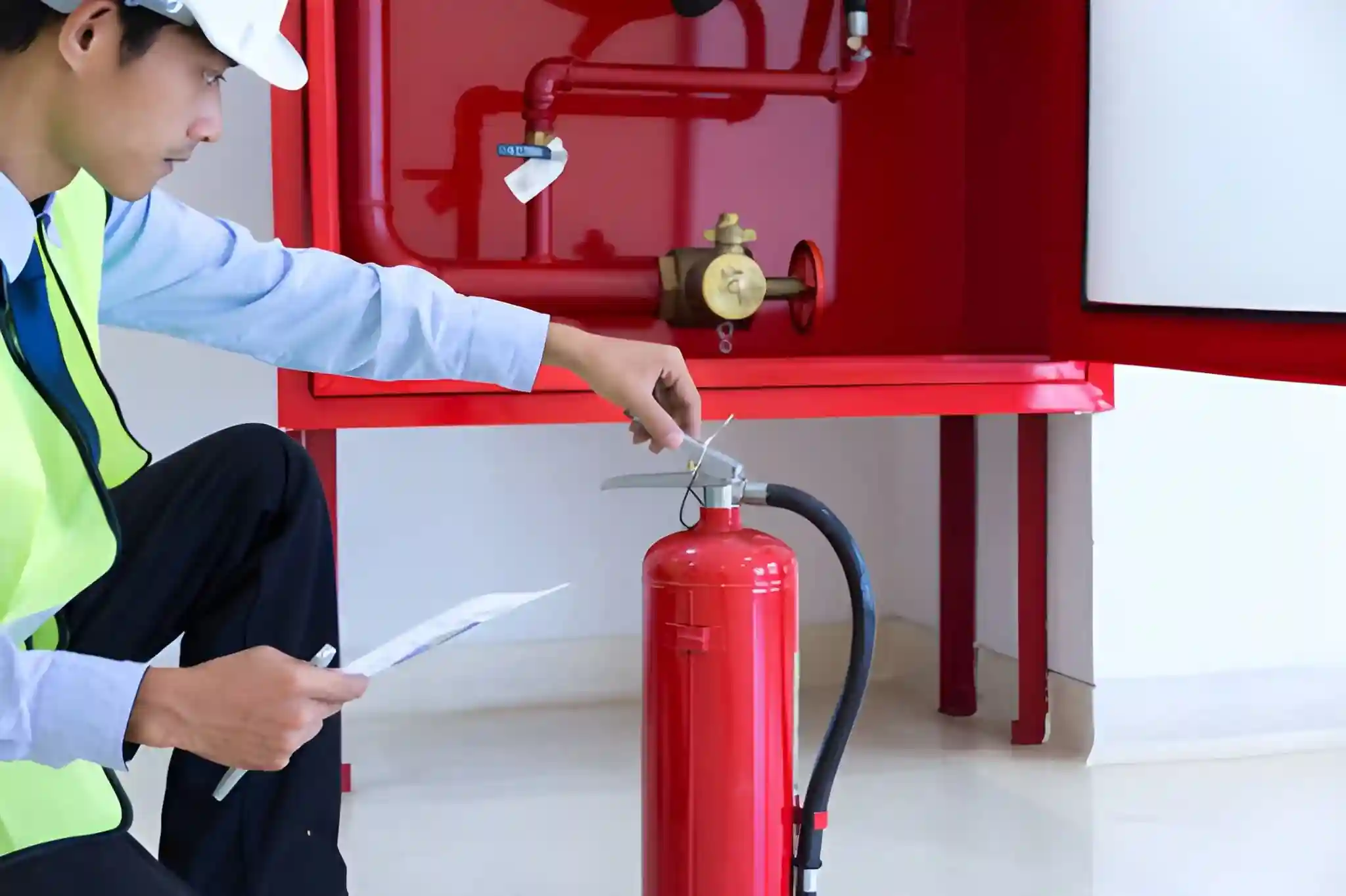
Hidden fire dangers often stay secret until a fire starts. That is why a good fire safety risk assessment is very important. Every workplace has spots where things that start fires or burn easily are hidden. A full check starts by looking at storage rooms, electric boxes, and machine areas to make sure nothing is missed. Dust, old wires, and blocked airways can make fires more likely. The check should point these out and say how to fix them. Checking escape paths and emergency lights is also key because hidden blocks or broken lights can hurt people in a fire. Fire tools like extinguishers and alarms need checks too to make sure they work and are easy to reach. Looking at these often-missed things gives a full picture of dangers. How workers act and do their jobs can add hidden risks, so checking habits and knowledge helps a lot. A fire safety risk assessment with expert help makes rules easier to follow, builds a safe feeling, and stops small dangers from becoming big problems. Update the check often as the building changes.
Electrical Fire Risks and Preventative Measures
Electric systems cause many fires in businesses and homes, so a fire safety risk assessment is very important. Too many things plugged in, bad wires, and old equipment can start fires without anyone seeing. A full check looks at electric boxes, plugs, and wires to find problems that need fixing right away. Regular care, testing, and not overloading lines help stop electric fires. Things like appliances, extra cords, and power strips need checks too because wrong use can make them too hot and spark. Label wires clearly and use safety switches like fuses to make things safer. Teach workers to spot problems and know what to do. The fire safety risk assessment also looks at emergency lights, alarms, and escape paths to be ready if electricity starts a fire. Update the check often so new things or changes do not add new dangers. This keeps everyone safer and follows fire rules.
Fire Safety Responsibilities for Employers and Landlords
Employers and landlords have a duty by law and as good people to keep places safe. It finds dangers, checks risks to people, and makes sure fire stop steps are ready. Duties include keeping alarms and detectors working, keeping escape paths clear, and having fire tools easy to get. The check also covers teaching workers, keeping visitors safe, and helping people who need extra help to get out. Regular checks of the electrical, heaters, and storage are needed because they often start fires. Landlords must keep shared areas like stairs and halls clear and safe, as the check shows. Employers should write findings in a report and fix things fast to follow rules and lower risks. Update the check often so changes in people, space, or things do not damage safety. This keeps workers, renters, and visitors safe and shows you follow the law.
Protecting Vulnerable Occupants During a Fire Emergency
Keeping people who need extra help safe in a fire requires a plan for fire safety risk assessment. A full check finds spots where people with trouble walking, health problems, or less understanding face more danger when leaving. Checking escape paths, alarm sounds, and lights makes sure these people can get out fast and safely. Put these ideas in the fire check so leaders can add things like safe waiting spots, special chairs to help leave, and trained helpers. Write dangers, fixes, and who does what in the report for clear steps. Business checks look at building shape, how many people, and blocks that slow safe leaving for those who need help. Good plans include teaching workers, doing fire drills often, and having clear ways to talk in emergencies. Check and update often so changes do not hurt safety. Fire safety risk assessment makes a strong plan that lowers danger, gets everyone ready, and gives special care to people who need it most in a fire.
Compartmentation and Fire Door Inspections
Walls and fire doors that stop fire spread are a big part of keeping buildings safe, so a fire safety risk assessment is needed. Fire doors and special walls slow the spread of fire and risk assessment smoke so people have more time to get out. The check finds doors that are broken, have gaps, or missing seals that let fire through. Regular looks make sure doors close tight, handles work, and signs are easy to see. Walls, ceilings, and other parts need checks to meet safety rules. Good stopping of fire keeps it from moving between rooms, floors, or areas. Write what is found in the report and note fixes, repairs, or new doors needed. Teach workers to see problems like blocked or stuck doors. Check often so changes, new things, or wear do not hurt fire stopping. A full check with doors and walls makes buildings safer, helps follow rules, and protects everyone from fire dangers.
Implementing Recommendations After a Fire Assessment
Fixing what the fire and risk assessment finds makes sure dangers go away. A full fire safety risk assessment shows problems with alarms, lights, escape paths, and fire tools. Fix them fast to lower fire chances and follow the law. Give each fix to someone so it gets done. Write what was fixed in the report to show you are careful with checks and insurance. Teach workers about new rules and tools, along with fixes. Keep the electric, doors, walls, and storage in good shape as part of fixes. Check progress often to make sure fixes work and catch new dangers. Do follow-up checks so changes in space, people, or things do not hurt safety. The fire and risk assessment guides step-by-step improvements to make safer places, protect people, and keep work going while showing you work hard to stop fires.
 Preparing Your Business for a Fire Authority Inspection
Get your business ready for a fire official fire risk assessment report with a fresh and full fire safety risk assessment to follow the rules and stay safe. A good check finds all dangers, looks at escape paths, checks alarms and detectors, and sees if fire tools are good enough. Keep old check papers, care logs, and training records to show good work during the visit. Write findings and fixes in a report for a clear view of your work. Commercial fire risk assessment does regular checks of doors, walls, lights, and alarms to make sure they work and meet rules. Update the check often for changes in space, tools, or people to avoid breaking rules. A good fire safety risk assessment builds trust, gets you ready for the visit, and makes fire safety strong in your business.
Digital Fire Risk Assessments and Modern Reporting Tools
Computer fire safety risk assessment and new report tools change how businesses handle fire risk assessment reports. They make checks faster and better. With digital tools, every part of the fire safety risk assessment, from finding dangers to checking fixes, can be written and watched right away. Digital tools let you update fast when space, tools, or people change. They use lists, photos, and alerts to make checks complete and stop missing things. Put findings into a clear report that is easy for officials to see. Keep training, care logs, and fixes in one digital spot for easy checks. New tools help pick important fixes, give jobs to people, and watch progress, so that ideas get done. Reminders help keep things right over time. Digital fire safety checks make the whole job easier, quicker, and produce better papers, keeping fire safety active, following rules, and fresh for all parts of the business.
Frequently asked questions.
Conclusion
A fire safety risk assessment finds dangers and handles them well. Clear papers in a fire risk report help follow rules and make safety better for workers, visitors, and people who need extra help. Check and fix things often to keep it fresh when the building or work changes. Business fire safety risk assessment, special risks, and computer tools make reports and watching easy. From checking fire doors to getting ready for emergencies, a good fire safety check lowers danger, protects people and things, and keeps work going strong.