
Regulatory compliance frameworks rely on structured assessment workflows for non-domestic buildings. Documentation review establishes the foundation for accurate energy evaluation and lawful disclosure. Inspection procedures follow nationally approved methodologies that assess construction elements, installed systems, and operational assumptions. Assessors examine heating, lighting, ventilation, and building fabric to form a complete efficiency profile. Data accuracy depends on verified records, site access, and system visibility during assessment activity. The commercial property EPC serves as the formal record that reflects inspection findings and calculated performance metrics. Enforcement bodies rely on this certification to confirm compliance during marketing or occupation stages. Proper coordination between documentation and inspection stages improves assessment integrity and reduces procedural risk. Long-term asset governance often integrates commercial property EPC records into compliance monitoring systems.
Key Takeaways
- Regulatory compliance requires assessment and proper documentation
- Inspection results form the foundation of energy performance records
- Certification supports lawful transactions and operational oversight
- Heating, lighting, and insulation efficiency determine performance ratings
- Mandatory disclosure applies during marketing and occupation changes
- Accurate documentation improves assessment reliability and advisory outcomes
- Accredited assessors ensure consistency and technical accuracy
- Portfolio-wide coordination strengthens compliance across multiple properties
- Integration of EPC guidance optimizes building management and energy use
- Regular monitoring and renewal planning maintain certification continuity
What a Commercial Property EPC Covers
Energy performance assessment reports provide structured insight into operational efficiency levels. Rating bands express comparative efficiency based on standardized usage models. Reports outline estimated energy consumption and associated emissions derived from building characteristics. Heating systems, lighting installations, and insulation quality influence calculated outcomes. Advisory sections present recommended improvements that align with regulatory benchmarks. The commercial property EPC acts as an informational tool that supports strategic planning and disclosure obligations. Portfolio managers often rely on reported metrics to priorities efficiency upgrades. Transparency within certification content strengthens confidence among stakeholders during transactional processes. Ongoing review of assessment outputs supports informed decision-making. Consistent interpretation of commercial EPC London data ensures alignment with broader environmental and compliance objectives.
When a Commercial Property EPC Is Required
Certification requirements activate during defined property activities governed by regulation. Marketing for sale or lease triggers mandatory disclosure obligations. Occupation changes also require the availability of a valid certification. Enforcement authorities monitor listings and documentation access to confirm compliance status. Failure to present a valid certification may lead to regulatory action or transactional delays. The commercial property EPC supports the lawful progression of property transactions under energy performance legislation. Timely certification availability protects continuity during leasing or disposal stages. Internal compliance processes often schedule assessments ahead of market activity. Strategic oversight reduces exposure to enforcement measures. Ongoing monitoring of certification status ensures the commercial property EPC remains valid when regulatory thresholds apply.
Types of Buildings That Need a Commercial EPC
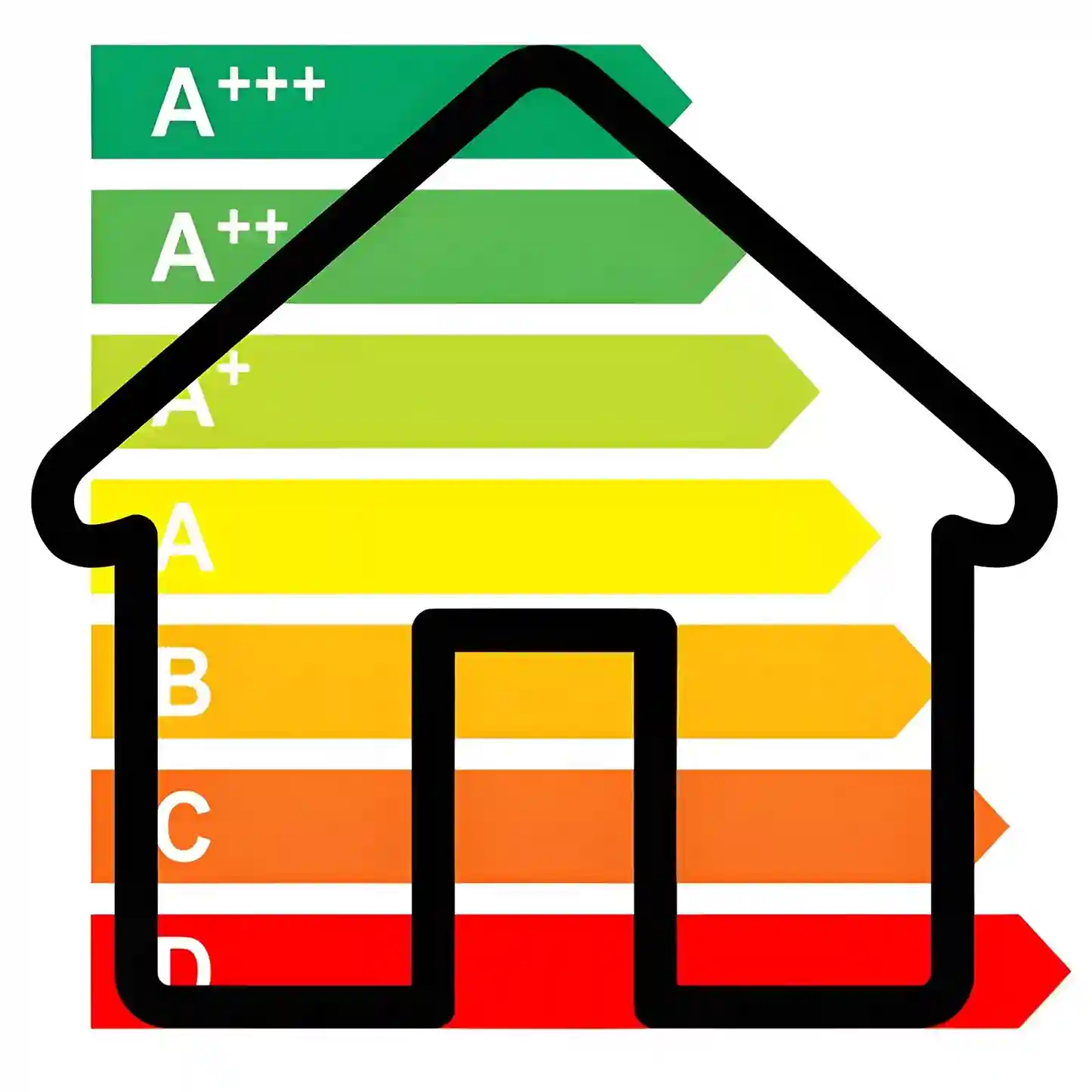
Non-domestic premises fall within the defined scope of energy assessment requirements. Offices, retail units, warehouses, and mixed-use developments qualify under regulatory criteria. Assessment applicability depends on building function and usage classification. Shared services and common systems influence modelling assumptions during evaluation. Structural complexity may affect inspection depth and data interpretation. The commercial property EPC applies across diverse asset classes with consistent assessment standards. Exemptions require formal evidence and documented justification. Portfolio-wide compliance strategies often categories assets by assessment requirement. Accurate classification ensures regulatory alignment across holdings. Consistent application of commercial property EPC obligations supports structured compliance governance.
Key Documents Needed for EPC Assessment
Assessment preparation relies on structured documentation that supports modelling accuracy. Building plans clarify spatial configuration and envelope details. Mechanical and electrical specifications inform system efficiency assumptions. Maintenance records validate operational performance and the status of installed equipment. Equipment schedules assist assessors during inspection stages. The commercial EPC regulations benefit from complete and verified documentation inputs. Missing records may affect the precision of ratings and advisory outcomes. Centralized document management improves assessment efficiency. Audit readiness strengthens through organized record retention. Effective documentation control enhances confidence in the resulting commercial property EPC and supports regulatory verification processes.
Preparing Property for EPC Inspection
Inspection readiness influences assessment accuracy and procedural efficiency. Site access coordination ensures visibility of all relevant systems. Operational settings should reflect normal usage conditions during the assessment activity. Temporary installations require disclosure before inspection. Recent upgrades need supporting evidence for inclusion within modelling assumptions. The business EPC certificate reflects conditions observed during the inspection stage. Preparation gaps may affect calculated performance outcomes. Clear communication between assessors and property managers reduces disruption. Structured preparation supports reliable data capture. Consistent readiness processes enhance confidence in commercial EPC regulations results and improve compliance outcomes.
Validity Period and Renewal Requirements
Certification validity follows defined regulatory timeframes. Structural alterations or system upgrades may require reassessment before expiry. Monitoring expiry dates forms part of compliance governance processes. Advance scheduling supports uninterrupted certification coverage. Portfolio managers often integrate renewal tracking into asset management systems. The commercial property EPC remains valid only within prescribed limits. Lapsed certification exposes assets to enforcement risk. Renewal planning ensures continuity during leasing or transactional activity. Proactive oversight reduces administrative pressure. Consistent renewal management protects the operational integrity of commercial property EPC compliance across portfolios.
Improving EPC Ratings for Commercial Buildings
Performance enhancement strategies focus on measurable efficiency improvements. Lighting upgrades reduce baseline energy demand. Control systems optimize distribution and operational responsiveness. Fabric improvements strengthen thermal performance indicators. Assessment recommendations guide prioritization of enhancement actions. The commercial EPC London reflects improved outcomes following verified upgrades. Targeted investment aligns with regulatory benchmarks and asset strategy goals. Monitoring post-upgrade performance supports long-term optimization. Structured improvement planning reduces compliance risk. Continuous performance management enhances commercial property EPC ratings and supports sustainable asset operation.
Compliance Responsibilities for Property Owners and Managers
Regulatory accountability defines operational control across non-domestic assets. Ownership structures determine responsibility for certification management and disclosure accuracy. Management teams oversee coordination between assessors, documentation, and inspection access. Internal policies often assign compliance tracking to dedicated roles. Oversight frameworks rely on scheduled reviews and record verification. The business EPC certificate forms part of the statutory compliance records maintained throughout asset operation. Failure to manage responsibilities may result in enforcement action during audits or transactions. Clear allocation of duties reduces administrative risk and operational disruption. Governance systems benefit from documented accountability pathways. Strategic alignment between ownership and management ensures commercial property EPC obligations are consistently fulfilled across portfolios.
Role of Accredited Assessors in EPC Accuracy
Assessment quality depends on professional competence and methodological adherence. Accredited assessors follow nationally approved standards during inspections and modelling. Qualification frameworks ensure consistent interpretation of technical criteria. Experience influences data validation and system evaluation accuracy. Assessment tools process inputs according to regulated calculation methods. The commercial property EPC reflects outcomes derived from assessor expertise and verified evidence. The selection of accredited professionals supports reliable certification results. Poor assessment practices may affect rating credibility. Ongoing professional oversight maintains industry consistency. Engagement with qualified assessors strengthens confidence in commercial EPC regulations documentation and regulatory acceptance.
Record Management and Long-Term Compliance Strategy
Structured record retention supports sustained regulatory alignment. Digital storage systems improve accessibility and audit readiness. Certification records integrate with broader compliance documentation. Historical data assists performance tracking and strategic planning. Review schedules to ensure records remain current and verifiable. The commercial property EPC serves as a reference point within long-term governance frameworks. Consistent documentation reduces uncertainty during inspections or transactions. Portfolio strategies often include periodic compliance reviews. Planning mitigates renewal and enforcement risks. Effective record management reinforces business EPC certificate continuity and supports stable asset oversight.

Integration of EPC Findings into Building Management
Energy performance data supports informed operational decisions across assets. Insights from the commercial property EPC guide optimize heating, lighting, and ventilation systems. Efficiency recommendations inform maintenance schedules and capital improvement plans. Monitoring energy trends helps identify underperforming areas and priorities interventions. Integration of assessment outcomes into management software ensures consistent tracking and reporting. Operational strategies align with commercial EPC guidance to achieve measurable performance improvements. Staff and contractor coordination benefits from clear documentation of recommended actions. Improved system efficiency reduces environmental impact and supports regulatory compliance. Analysis of trends strengthens strategic planning. Long-term operational planning relies on commercial EPC London findings to optimize energy use and maintain asset value.
Frequently asked questions.
Conclusion
Maintaining regulatory compliance depends on structured assessment and accurate documentation. The commercial property EPC serves as a formal record that reflects energy performance, inspection findings, and improvement guidance. Integration of assessment outcomes into operational planning supports efficiency and long-term governance. Proper preparation, verified records, and coordination with accredited assessors reduce risk and ensure reliable certification. Portfolio-wide oversight allows consistent compliance across multiple assets and simplifies renewal management. Strategic implementation of recommendations strengthens building performance, aligns with regulatory requirements, and enhances asset value. Ongoing monitoring and record management ensure continuity of certification and maintain readiness for inspections. Overall, the commercial property forms a critical part of sustainable building management and compliance strategy across non-domestic properties.