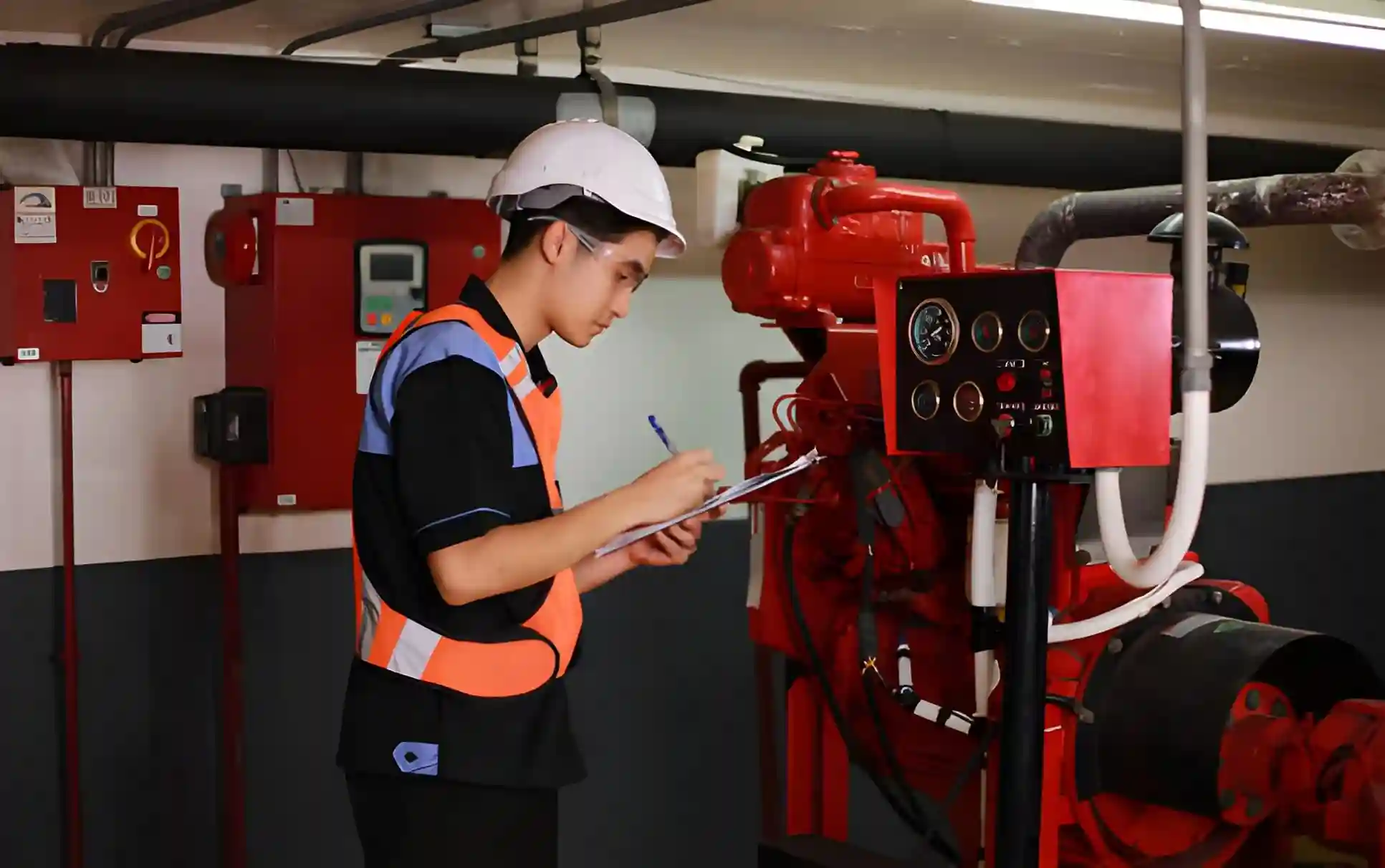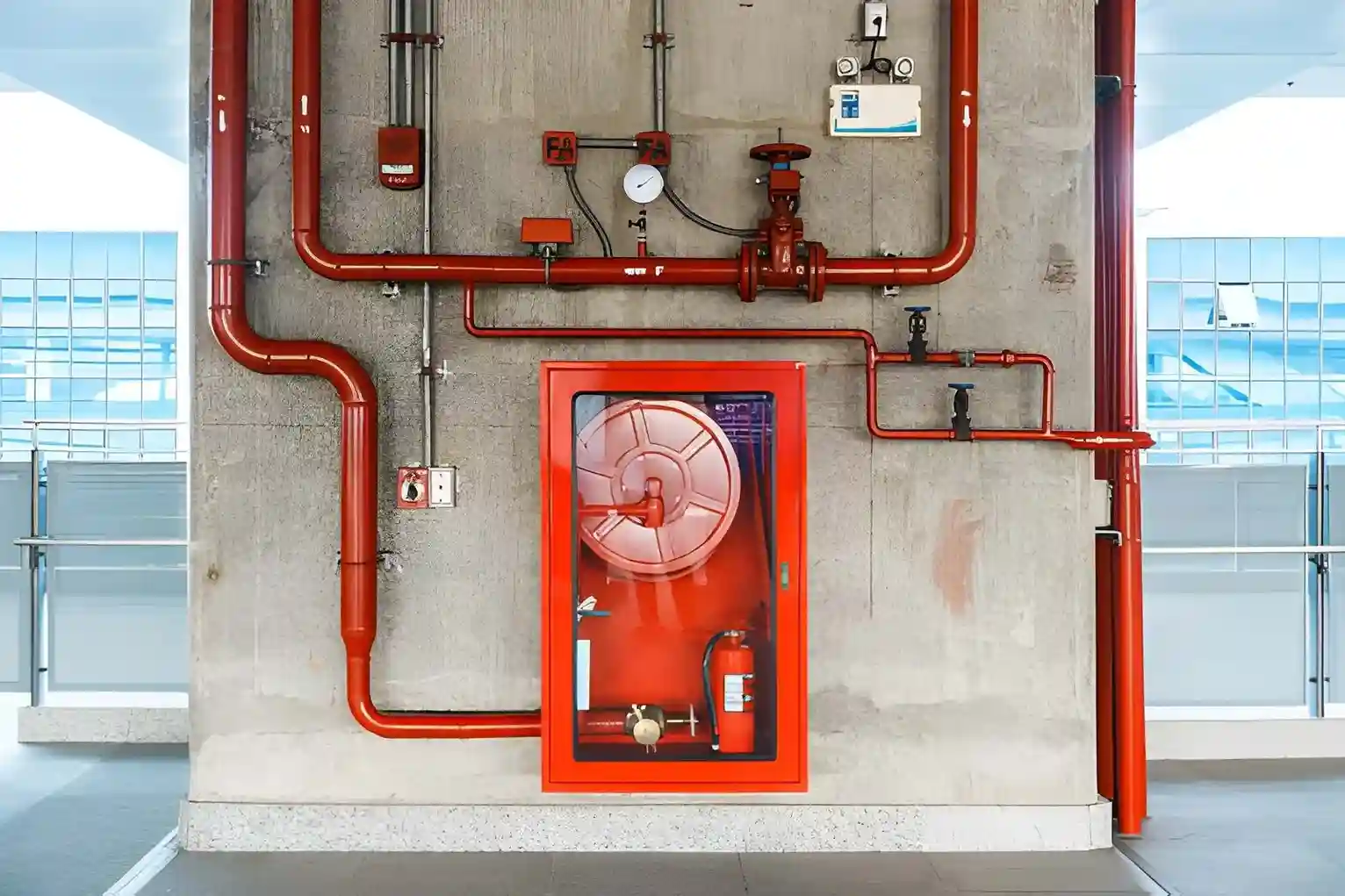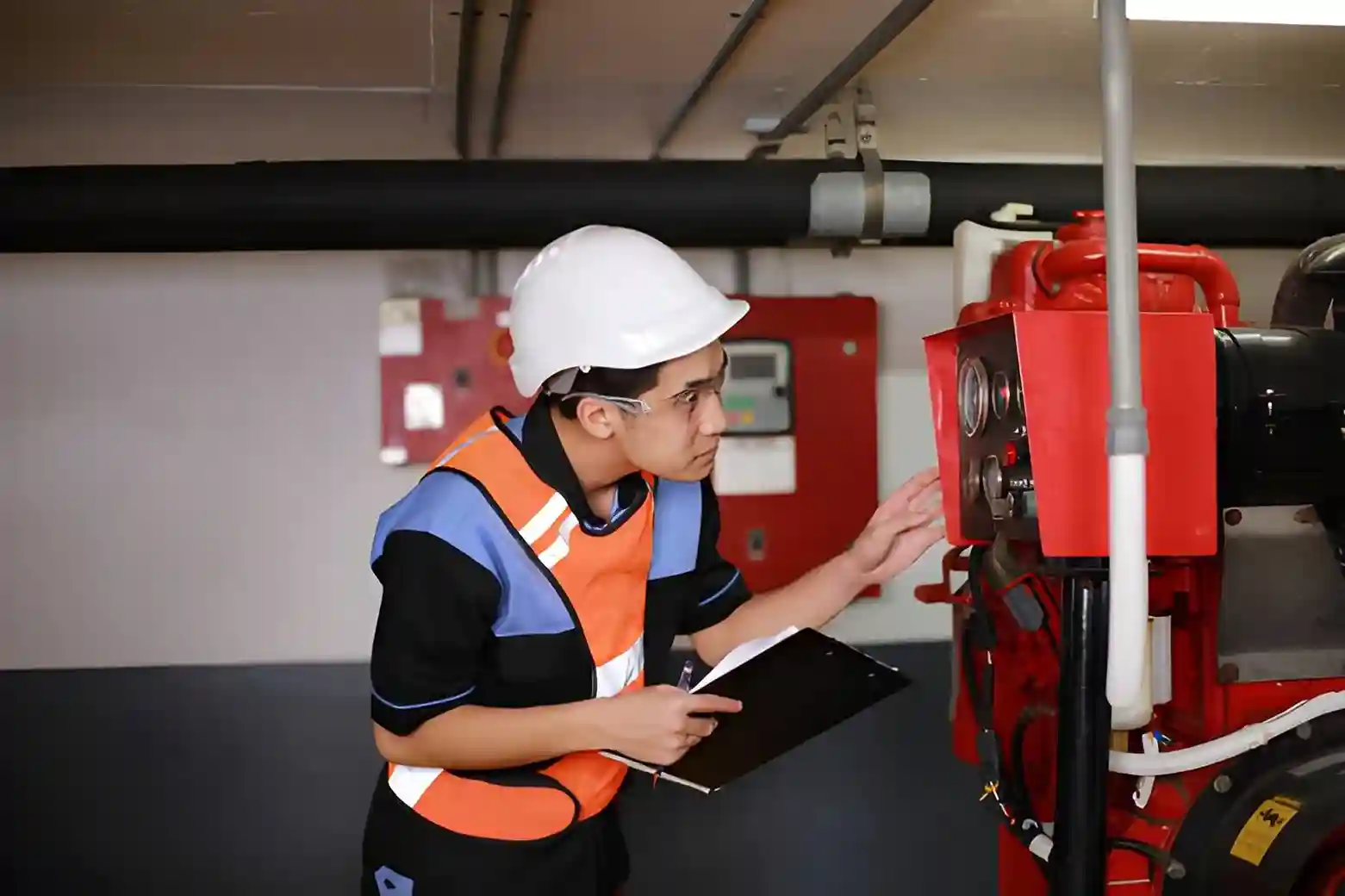
Fire safety inspection supports structured control across occupied buildings and shared environments. Fire safety reviews protective systems, exit access, warning devices, and documented procedures that support lawful operation. Clear inspection routines strengthen confidence among owners and duty holders. Organized checks confirm that installed systems match approved layouts and daily use conditions. Records from inspection activity support traceability during audits and internal reviews. Strong alignment between maintenance tasks and inspection outcomes reduces operational gaps. Oversight teams rely on inspection reports to prioritize corrective tasks and verify closure. Internal governance benefits from predictable review cycles and consistent documentation standards. Coordinated responsibility across teams supports reliability. Fire authorities expect inspection activity to reflect applicable fire safety regulations without deviation. Structured reporting improves clarity and accountability across departments. Fire safety review also supports long-term planning and operational continuity through repeatable safety assurance.
Key Takeaways
- Fire safety supports structured control of building fire risks
- Regular reviews strengthen alignment with fire safety regulations
- Documented checks improve accountability across management teams
- Fire risk evaluation guides inspection focus and priorities
- Clear records support audits and external reviews
- Fire prevention plan alignment improves daily safety practice
- High-risk areas require consistent inspection attention
- Follow-up reviews confirm corrective action effectiveness
- Integrated policies strengthen long-term safety governance
- Continuous inspection programs build operational confidence
Regulatory Standards Governing Workplace Safety Rules Policy
Compliance with statutory frameworks and recognized guidance forms the foundation of building safety. Fire safety inspection aligns physical checks with documented compliance expectations across alarms, lighting, signage, and compartmentation. Authorities require accurate evidence that confirms testing, servicing, and corrective action. The inspection scope reflects the approved standards and ensures that safety regulations are followed. Documentation integrity remains central to regulatory acceptance. Oversight bodies focus on measurable performance rather than stated intent. Inspection findings often reference thresholds embedded within fire safety regulations to confirm suitability. Clear alignment supports defensible decision-making during audits. Governance teams track inspection outcomes to maintain oversight and consistency. Internal controls rely on inspection summaries for assurance reporting. Fire safety inspection supports clarity during enforcement reviews through structured evidence presentation. Continuous alignment helps prevent operational and legal risks.
Frequency and Timing of Workplace Safety Checks
Inspection scheduling supports continuous readiness and operational control. Fire safety inspection occurs at intervals that reflect occupancy patterns, building use, and identified risks. High activity areas receive closer attention within inspection programs. Planned reviews align with maintenance cycles to support efficiency and coordination. Inspection timing adapts after layout changes, system upgrades, or operational adjustments. Predictable schedules strengthen accountability across responsible teams. Trend analysis relies on consistent inspection timing to identify recurring issues. Inspection calendars support transparency and audit readiness. Structured planning reduces disruption while maintaining safety assurance. Outputs from fire risk evaluation influence inspection frequency decisions. Inspection timing remains a core element of proactive risk control and governance stability.
Building Layout Considerations During Inspection
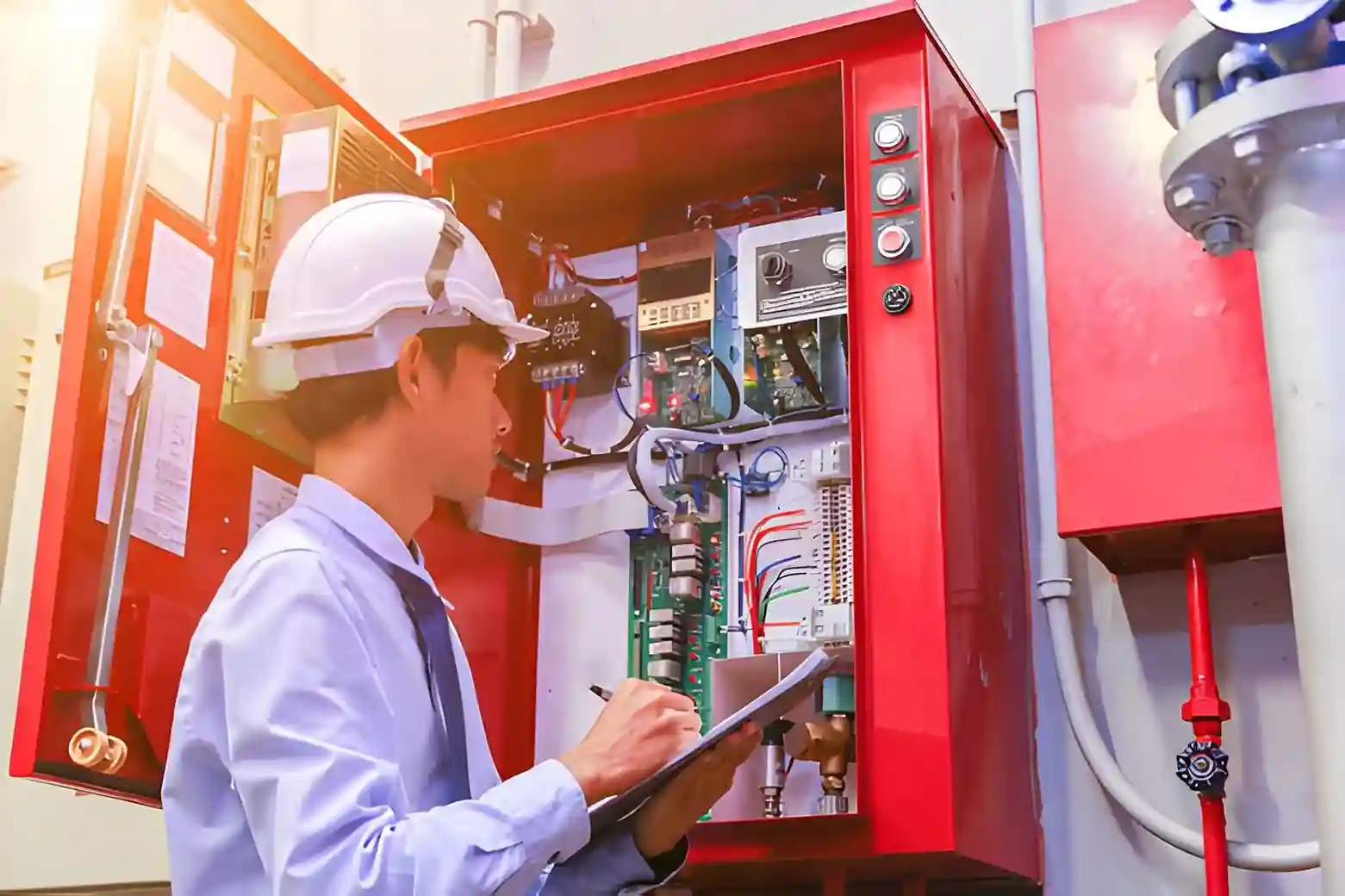
Safety inspection evaluates layout features that influence evacuation and smoke movement. Fire safety inspection reviews corridor width, route continuity, door operation, and visual guidance. Clear travel paths reduce confusion during emergency movement. Compartmentation controls smoke spread between zones. Stair access supports vertical evacuation requirements. Inspection activity checks signage visibility and route consistency. Obstructions receive attention during walkthrough reviews. Space changes trigger reassessment of route suitability. Inspection teams confirm that layout drawings reflect actual use. Coordination with facilities teams supports timely adjustment. Reference to a fire prevention plan confirms daily control alignment. Fire safety inspection outcomes guide minor layout corrections that enhance safety and predictability. Consistent layout oversight supports orderly movement during incidents.
High Risk Areas Identified in Workplace Safety Checks
Fire inspection prioritizes zones with elevated ignition or fuel exposure. Fire safety reviews kitchens, plant rooms, storage areas, and electrical spaces. Heat-producing equipment requires separation from combustibles. Ventilation supports safe equipment operation. Access control limits unauthorized activity. Inspection teams verify housekeeping standards and material storage discipline. Labels and permits support-controlled tasks. Wear or damage receives prompt attention. Findings guide prioritized corrective action. Risk ranking supports resource allocation. Integration with fire risk evaluation strengthens hazard control strategies. Clear ownership ensures resolution accountability. Fire safety inspection within high-risk areas reduces incident likelihood and operational disruption. Documentation supports oversight and audit confidence.
Accessibility Requirements for Fire Safety Compliance
Fire safety report confirms inclusive emergency access across all occupied areas. Fire safety inspection reviews route width, handrails, door forces, and signage positioning. Provisions support varied mobility and sensory needs. Refuge points require clear identification and communication support. Audible and visual alarms serve diverse occupants. Inspection activity confirms unobstructed access to exits and refuges. Training records reflect assigned assistance roles. Alignment with fire safety supports lawful compliance. Layout changes trigger accessibility review. Facilities coordination supports timely updates. Fire safety inspection outcomes guide practical improvements that enhance inclusivity. Consistent application strengthens trust and safety assurance for all occupants.
Inspection Guidelines for Mixed-Use Building Safety
Safety inspection addresses complexity across mixed occupancy environments. Fire safety inspection differentiates controls based on activity type and risk profile. Shared services require coordinated oversight. Separation between uses limits risk transfer. Inspection teams review signage clarity and access control. Alarm zoning supports targeted alerts. Management arrangements define responsibilities across occupancies. Inspection records reflect coordinated drills and maintenance. Diverse schedules influence review timing. Reference to a fire prevention plan supports consistent daily practice. Fire safety inspection findings guide alignment between stakeholders and operational controls. Clear governance prevents responsibility gaps. Structured oversight supports safe coexistence across uses.
Contractor and Maintenance Responsibilities
The inspection verifies competence, scope clarity, and adherence to site rules. Permits control of high-risk activities. Supervision supports compliance at work. Maintenance schedules reflect inspection findings. Contractors provide evidence of completed tasks. Inspection review confirms repair quality and suitability. Communication channels support progress updates. Records capture scope, verification, and completion status. Oversight teams review performance trends. Clear role definition prevents omission. Fire safety inspection outcomes inform future maintenance planning and contractor selection. Consistent management strengthens reliability and accountability.
Inspection Findings and Corrective Actions for Safety
Fire inspection produces structured findings that guide improvement. Fire safety inspection categorizes issues by severity and impact. Clear descriptions support understanding and action. Assigned ownership drives resolution. Timelines guide completion tracking. Verification confirms the effectiveness of corrective measures. Records capture progress status. Findings inform maintenance priorities and resource planning. Root cause review supports the prevention of recurrence. Management review ensures closure discipline. Integration with fire risk evaluation strengthens corrective selection. Fire safety inspection outcomes feed improvement cycles and governance reporting. Structured follow-through converts findings into sustained safety gains.
Follow-Up Inspections and Continuous Improvement
The inspection follow-up confirms sustained control after corrective work. Inspection validates performance consistency across review cycles. Repeat checks identify residual gaps. Trend analysis highlights recurring weaknesses. Lessons inform updates to procedures and training. Management oversight tracks progress indicators. Documentation supports audit assurance. Inspection cycles promote shared learning across teams. Adjusted controls reflect operational change. Alignment with fire safety regulations ensures ongoing relevance. Fire safety inspection follow-up embeds accountability and resilience. Continuous review elevates organizational safety maturity.
Integration of Safety Inspection into Safety Policies
Safety inspection integrates directly into organizational safety governance. Fire safety outcomes inform policy updates and control selection. Alignment ensures practice reflects approved intent. Procedures reference inspection criteria and responsibilities. Training programmed reflect inspection feedback. Leadership endorsement supports consistent adoption. Documentation links inspection outcomes to governance frameworks. Inspection activity reinforces consistency across departments. Clear escalation pathways support timely decisions. Reference to a fire prevention plan aligns daily conduct with policy direction. Fire safety inspection strengthens coherence between strategy and operations through structured feedback.
Impact of Safety Inspection on Insurance Compliance
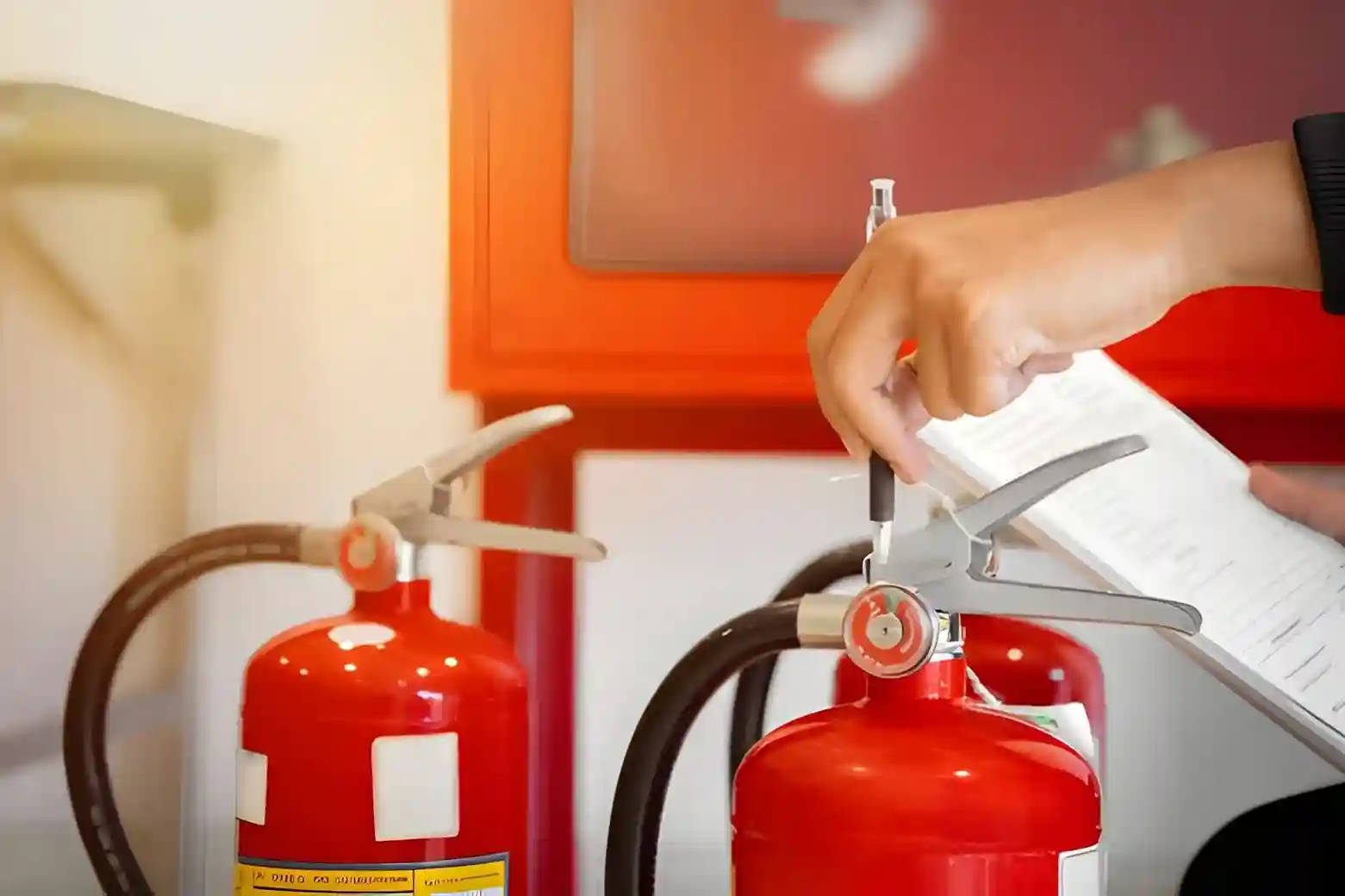
Safety inspection supports insurer confidence through documented control. Provides evidence of maintenance discipline and risk management. Records demonstrate proactive oversight. Insurers review inspection documentation during assessments. Consistent outcomes reflect operational stability. Corrective tracking shows responsiveness. Alignment with fire safety regulations strengthens assurance. Reduced uncertainty supports continuity of coverage. Communication of outcomes builds stakeholder trust. Governance teams retain records for review. Fire safety inspection contributes to favorable risk positioning and long-term compliance stability.
Frequently asked questions.
Conclusion
Fire safety inspection remains a core element of responsible construction management. Inspection helps secure occupancy, felony alignment, and operational confidence. Regular evaluation strengthens management over risks and supports predictable effects. Clear facts demonstrate commitment to structured oversight and consistent action. Coordinated roles throughout control, preservation, and contractors reinforce reliability. Inspection findings manual sensible development and save you from repeating problems. Documented follow-up sustains progress and confirms lasting effectiveness. Integrated guidelines connect day-by-day exercise with the described requirements. Ongoing review supports edition to layout modifications and utilization styles. Strong governance benefits from transparent reporting and clear possession. Fire safety inspection also improves consideration among stakeholders via visible diligence. Long-term packages promote stability and readiness across diverse belongings kinds. Continuous interest in inspection outcomes builds resilience and helps create a more secure environment for all occupants and operations.