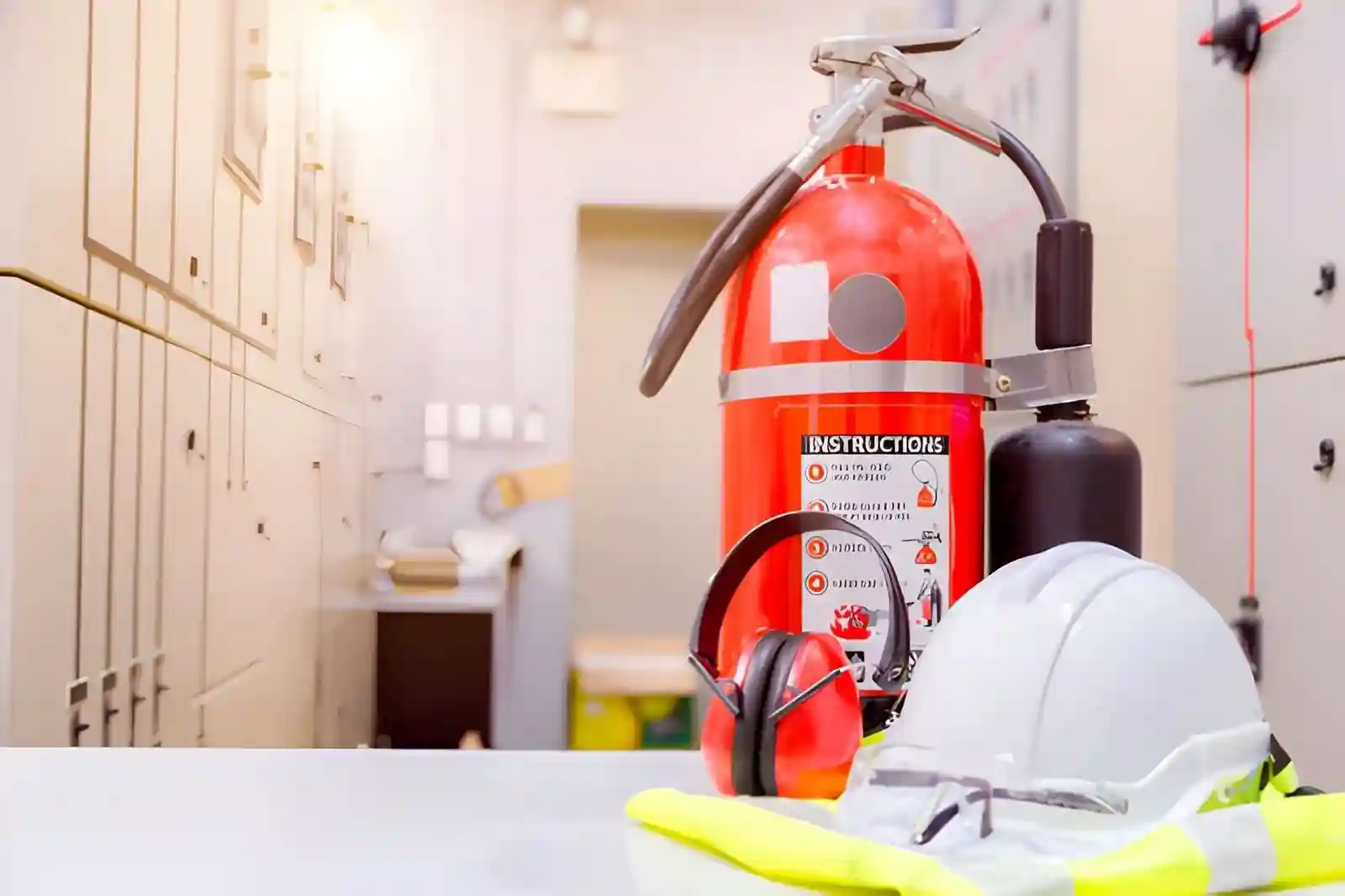
Awareness begins with responsibility and structured review across all premises. Fire risks exist in every environment that contains power sources, occupants, or stored materials. Risk often remains hidden until a formal review takes place. A structured Fire safety assessment allows risks to surface before harm occurs. Legal frameworks expect clear identification of hazards and protective measures. Documentation, accountability, and support enforcement review. Fire authorities consistently highlight poor planning as a leading contributor to incidents. A comprehensive Fire safety assessment addresses layout design, occupancy movement, and emergency readiness. Early action supports safer evacuation and faster response. Research from safety regulators shows that premises with structured review records demonstrate fewer enforcement actions. Risk control requires awareness of escape access, detection coverage, and human patterns. Fire safety relies on preparation rather than assumption. Continuous review supports control alignment with real site conditions. Oversight gaps often arise when assessments remain outdated or incomplete.
Key Takeaways
- Clear layouts support quicker and calmer movement during alerts
- Reliable lighting improves visibility along escape routes, always
- Audible alerts encourage fast and coordinated response actions
- Clean areas reduce the chance of fire spreading rapidly
- Well-placed equipment increases confidence during emergencies
- Ongoing awareness lowers the risks of unsafe daily actions
- Planned exit routes guide occupants without confusion
- Accurate records reflect responsible safety management
- Early prevention reduces the scale of potential damage
- Open pathways allow smoother evacuation during emergencies
Why Fire Safety Assessment Matters More Than You Think
Fire incidents often escalate due to missed warning signs and overlooked risks. Regulatory guidance stresses prevention through proactive planning rather than reactive response. A structured Fire safety assessment supports early detection of unsafe conditions. Assessment reviews ignition sources, gas availability, and evacuation readiness. Fire authority data highlights that unmanaged risks raise incident severity. Structured planning strengthens compliance confidence and operational readiness. A reliable Fire safety assessment also coordinates with a Fire safety inspection process. Inspection confirms control effectiveness after assessment actions. Industry safety reports link consistent review practices with reduced emergency intervention. Emergency planning relies on realistic evaluation rather than assumptions. Clear identification of weak areas targets corrective action. Management oversight improves when assessment outcomes guide daily operations. Risk control depends on visibility, accountability, and ongoing review discipline across all occupied premises.
Who Needs a Fire Protection Assessment?
Responsibility to any party that controls or manages the premises. Legal duty extends to employers, landlords, and managing agents. Shared spaces and work environments require documented review. A structured Fire safety assessment clarifies accountability and control obligations. Fire regulations define responsibility based on control rather than ownership alone. Residential blocks require review of communal areas and access routes. Commercial premises require coverage across all occupied zones. A compliant Fire safety assessment, enforcement readiness, and insurance review. Fire authorities regularly issue notices where duty holders fail to document risk. Clear records demonstrate proactive management and safety awareness. Fire risk identification supports recognition of vulnerable occupants and usage patterns. Oversight failures often occur when responsibility remains unclear. Defined roles, consistent action, and timely updates across all operational changes.
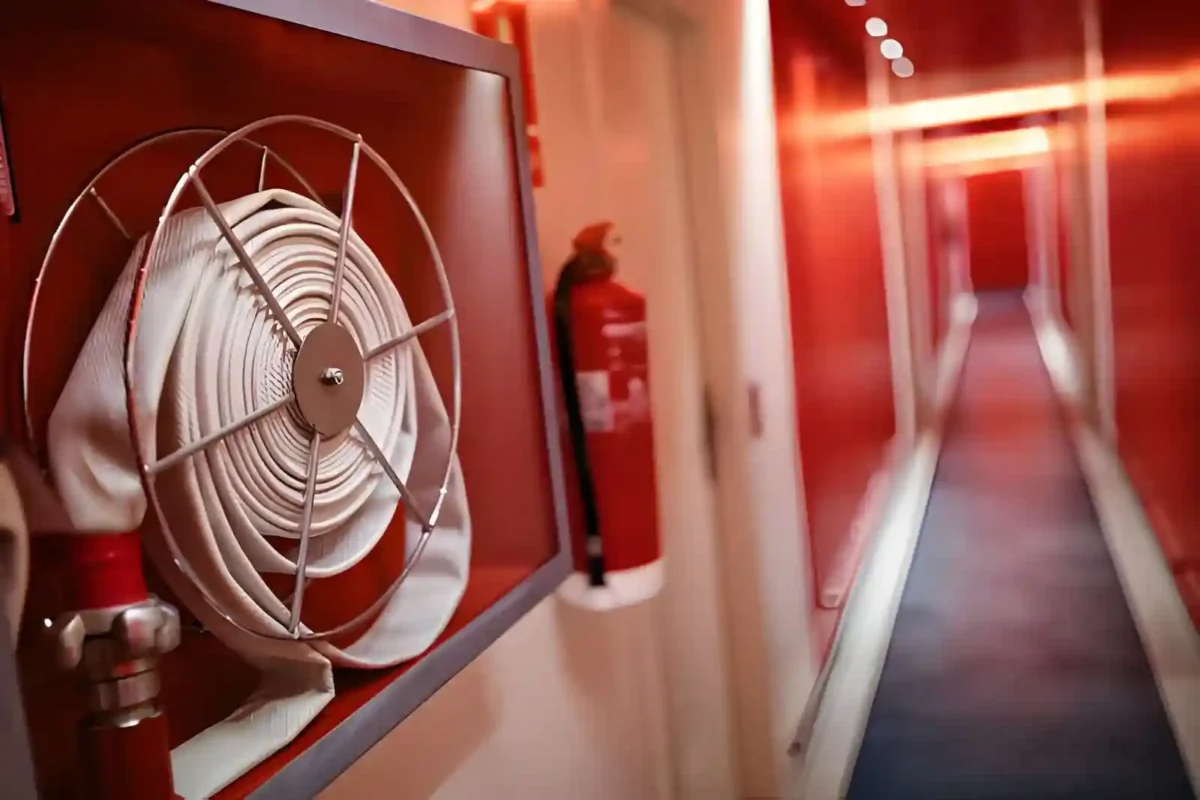
How Fire Assessments Help Prevent Disasters
Prevention depends on recognition and timely action. Fire incidents often begin with manageable hazards that remain untreated. A structured Fire safety assessment highlights those early warning signs. Assessment focuses on ignition sources, combustible storage, and human activity patterns. Fire service analysis confirms that unmanaged risk increases escalation potential. A reliable Fire safety assessment integrates Fire risk evaluation to prioritize corrective measures. Evaluation ranks risks based on likelihood and impact. Decision-making improves when actions follow structured evaluation rather than assumptions. Safety authorities confirm that prioritized control reduces emergency intervention frequency. Preventive planning strengthens resilience and response coordination. Assessment outcomes guide maintenance, training, and layout management. Risk awareness supports safer daily operations and long-term compliance alignment.
Simple Steps to Improve Fire Safety Immediately
Immediate improvement begins with awareness and organization. Clear pathways and visible signage reduce confusion during emergencies. A structured Fire safety assessment identifies quick action areas that support immediate risk reduction. Housekeeping practices play a major role in fire prevention. Electrical equipment placement and storage discipline reduce ignition potential. A consistent Fire safety assessment, regular checks, and corrective follow-up. Fire risk identification highlights unsafe and overlooked obstructions. Emergency lighting functionality supports evacuation confidence. Alarm audibility ensures timely response across all areas. Training awareness reinforces correct action during alerts. Small adjustments often create significant safety improvements. Continuous review ensures improvements remain effective and aligned with current site use. Proactive steps strengthen readiness and demonstrate responsible management commitment.
The Role of Fire Alarms, Extinguishers, and Emergency Exits
Early warning systems form the backbone of emergency response. Detection equipment provides crucial response time. A structured Fire safety assessment reviews alarm coverage and audibility. Equipment placement determines effectiveness during critical moments. Fire safety planning also requires functional suppression tools. A complete Fire safety assessment evaluates extinguisher suitability and access. Emergency exits require clear marking and obstruction-free routes. Fire authority guidance confirms that accessible exits reduce injury risk. A Fire risk identification process highlights gaps in equipment readiness. Maintenance records guide operational reliability. Coordination between alarms, discharge, and response planning improves evacuation fill rate. Integrated structures strengthen security outcomes across all use cases.
When to Call a Professional Fire Safety Expert
Complex premises demand specialist knowledge and regulatory awareness. Layout variation and occupancy change increase assessment complexity. A structured Fire safety assessment benefits from professional review when risk exceeds basic control. Experts apply technical insight and regulatory interpretation. A thorough Fire safety assessment ensures alignment with current standards. Fire safety inspection readiness improves through expert validation. Professional support assists with documentation accuracy and corrective planning. Safety audits confirm that specialist involvement reduces enforcement action frequency. Expert review strengthens confidence across compliance and operational planning. Advisory support assists training alignment and equipment selection. Risk control improves when the assessment reflects real site conditions. Professional input supports long-term safety strategy and compliance sustainability.

Easy improvements that can boost overall safety levels
Clear organization and routine review support stronger protection across any occupied space. Simple changes usually reduce risk and improve emergency preparedness. A protected fire safety inspection allows the inspector to detect blocked exits, faulty alarms, and dangerous signs. Corrective action after inspection strengthens leadership and builds trust every day. Regular Fire risk identification supports awareness of unsafe storage, electrical misuse, and access obstruction. Removal of unnecessary combustible items reduces ignition potential. Consistent Fire risk evaluation allows prioritization of actions based on likelihood and impact. Maintenance schedules play a major role in the reliability of alarms and lighting. Staff awareness reinforces correct response during alerts. Clear escape routes reduce panic and confusion. Documentation updates support accountability and compliance alignment. Small steps taken consistently often create significant improvement in safety outcomes. Ongoing attention prevents minor issues from developing into serious threats.
The role of planning in preventing fire incidents
The situation of planning in dealing with fire incidents depends on dependent assessments and coordinated movements of all protection measures. Fire safety assessment monitoring helps in the dependent assessment of risks and manipulations of systems within the premises. The fire threat assessment establishes hazard intensity and plans for curricular preventive measures. Fire hazard detection improves early detection of capacitive ignition sources and hazardous conditions. Making plans effectively reduces uncertainty and improves response coordination to emergencies. Clear procedures help with escape routes, alarm response, and gadget readiness in all areas of production. Periodic assessment updates align the plan with changing constipation styles and baseline adjustments. Creating risk-based plans ensures that priority attention is given based on hazard severity and risk levels. Strong coordination between control groups and preservation protocols improves resilience and reduces campus incident impact. Continuous tracking supports long-term protection performance and control consistency within operational environments, and monitoring and control systems are improved.
Frequently asked questions.
Final Thoughts
Safety depends on foresight and consistent action. Fire incidents rarely occur without warning signs. A structured Fire safety assessment provides clarity and direction. Assessment identifies hazards, supports control, and guides response planning. Regulatory data confirms that prevention reduces harm and disruption. A reliable Fire safety assessment supports confidence in compliance and occupant protection. Fire safety inspection outcomes improve when preparation remains consistent. Continuous observation also helps to enhance model switching. Responsibility requires interest and commitment. Effective monitoring reinforces prudence and operational balance. Fire safety remains an unwavering commitment in the implementation of the unmarried project. Similarly, touch the appropriate fireplace protection group for specific assistance with control and tailored assistance.