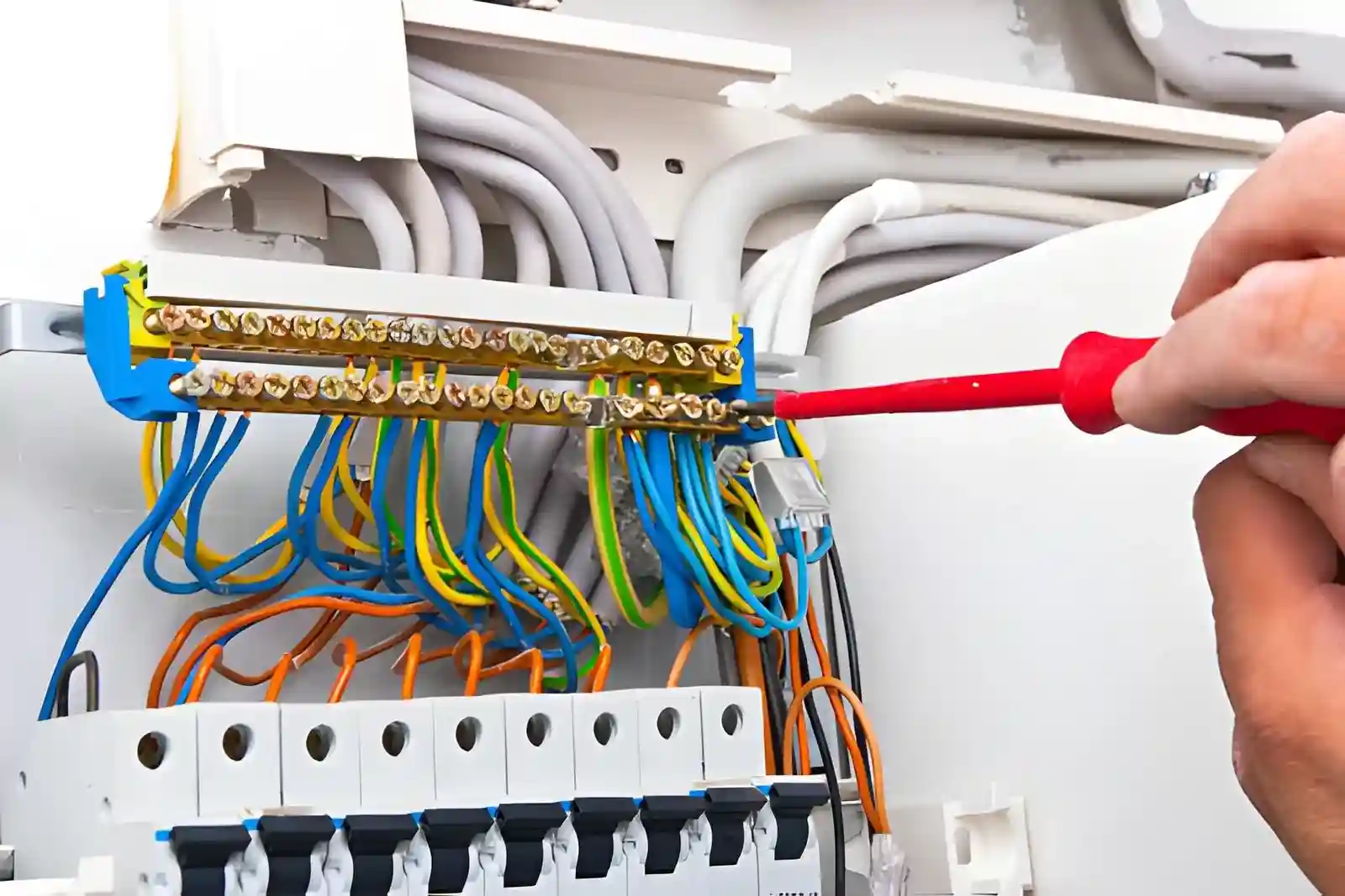
Home electrical systems carry a heavy demand today. Older properties often rely on outdated protection installing a new fuse box. Safety standards now require higher capacity and reliable separation. Electrical load rises due to appliances and digital systems. Fault risk increases under outdated setups. Fire incidents often trace back to distribution boards. Insurance providers expect modern compliance. Survey reports highlight fuse board failure as a frequent defect. Professional inspections often recommend upgrades after safety checks. Installing a new fuse box provides modern circuit protection and fault detection. Overloaded fuses fail to react in time. RCD protection reduces shock risk. Property value improves after system upgrades. Tenant safety obligations place responsibility on owners. Certification requirements continue to tighten. Electrical fuse box installation regulations evolve through safety research. Compliance gaps expose legal and safety issues. Reports from electrical authorities support proactive upgrades. Reliable distribution improves system balance. Modern boards handle surge protection effectively. Safety improvements reduce emergency callouts. Long-term reliability depends on correct installation and inspection.
Key Takeaways
- Electrical protection systems lose efficiency over time
- Circuit overload remains a common safety concern
- Proper system design improves energy stability
- Fault detection devices reduce accident risk
- Regular testing helps maintain electrical integrity
- Outdated components increase maintenance issue
- Safe wiring practices support long-term reliabilit
- Load distribution affects system performanc
- Compliance checks ensure regulatory alignmen
- Professional installation improves overall safety standards
What Is a Fuse Box and Why Does It Matter?
A fuse box controls power flow across circuits. Protection devices isolate faults quickly. Old-style units rely on readable fuses. Modern boards use MCBs and RCDs. Fault interruption speed protects occupants. Electrical balance prevents cable overheating. Testing standards require predictable performance. Electrical surveys identify aged components as a risk. Installing a new fuse box aligns systems with current wiring regulations. Professional electricians follow strict isolation procedures. Circuit labeling improves maintenance clarity. Emergency shutdown becomes faster and safer. Electrical continuity improves after replacement. Certification confirms correct configuration. A fuse box installation certificate proves compliance with inspection standards. Lenders and insurers request valid documentation. Safety audits depend on recorded results. Modern boards’ future expansion. System reliability improves across all circuits. Electrical engineers recommend upgrades after major renovations. Research from safety councils confirms reduced incident rates after replacement.
Signs You Need a New Fuse Box
Not sure if your fuse box needs replacing? Here are some clear signs to look out for:
Old fuse wire type
If your area, however, uses an older style fuse wire in place of the current circuit breaker, it may need an upgrade.
No RCD protection
Modern regulations require RCD safety. If your container doesn’t have this right now, your property isn’t fully included.
Tripping all the time
If your fuses trip frequently without a clear reason, the box may be struggling to handle modern electrical loads.
Burning smell or burn marks
This is important. If you smell burning near your fuse, you now want an electrician.
Add new channels
Are you planning to showcase an EV charger, a home extension, or a new kitchen? You may also want a new or upgraded fuse zone to deal with the overload.
Buying or renting a property
If you own a property or buy an older home, inspections and possible updates are constantly necessary.
Why it’s important to upgrade your fuse box for safety
Electrical infrastructure relies on controlled and reliable power distribution to prevent risk and equipment failures. A modern conservator unit facilitates faster fault interruption and progressive circuit stability throughout the property. Older systems often do not meet current daylight saving standards and can increase the risk of overheating and electrical failures. Installing a new fuse box improves protection by aligning the system with updated regulatory requirements and load requirements. Proper excitation reduces the risk of unexpected power outages and reduces electrical stress on connected equipment. Professional assessment and certification verify compliance and system reliability. Safety authorities focus on regular evaluation of distribution platforms to maintain energy conservation and operational safety in the long term.
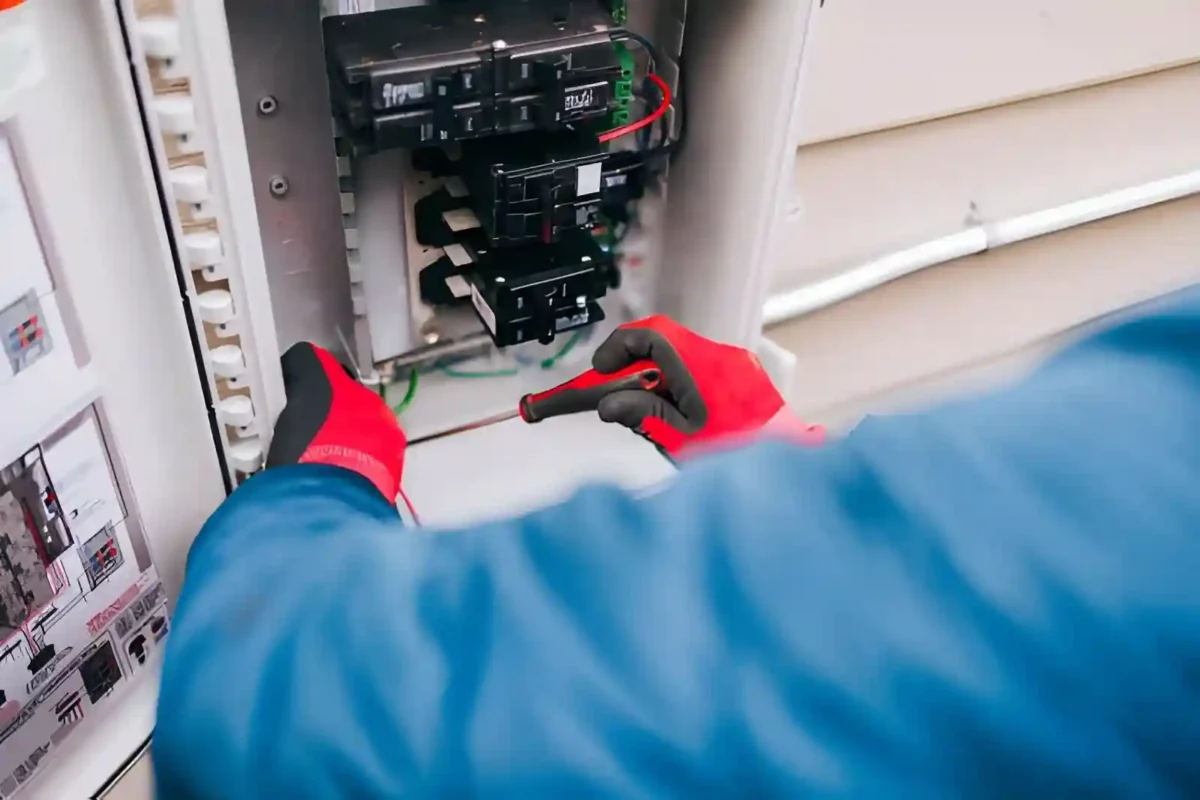
What does the installation process look like?
Many people think that installing a new fuse receptacle is an expensive, disruptive task. In most cases, remote is honestly a day’s work. Here is a simple example of what is happening.
Step 1: Assessment
A qualified electrician will first examine your current installation, check the wiring, and confirm your desired length and appearance of the consumer unit. The length depends on how many channels you have in your own home.
Step 2: Separation of Energy
Before starting any work, the power to your home could be turned off. The electrician will coordinate with your energy supplier if the meter needs to be isolated.
Step 3: Install the brand new client unit
The new unit is plugged into the wall, all circuits are connected, and the RCD safety is properly tightened. Up-to-date BS 7671 wiring regulation has been made.
Step 4: Experiment
This is essential. It ensures that every circuit in your own home is working properly and efficiently.
Step 5: Validation
Once the entire plot is completed, depending on the extent of the work, you can additionally obtain an installation certificate for electric safety fencing or a fuse box installation certificate of compliance for minor works or compliance with building regulations.
How Much Does Installing a New Fuse Box Cost in London
Financial considerations vary by scope and condition. Electrical fuse box installation Complexity influences planning depth. Property size affects circuit count. Compliance requirements determine testing levels. Installing a new fuse box involves assessment and certification stages. Regulatory Structure requires documented proof. The phrase fuse box installation London reflects regional compliance expectations only. For detailed information, contact the professional team. Transparent guidance informed decisions. Electrical safety remains the primary focus. Reliability outweighs concerns. Documentation protects property interests. Approved contractors follow regulated procedures. The advisory explains the process requirements. Safety upgrades align with legal obligations. Industry guidance recommends verified professionals. Consultation clarifies the scope and timelines. Reliable outcomes depend on correct execution.
| Property type or scope | Typical cost range |
|---|---|
| Small flat with standard circuits | £450 – £650 |
| Medium house with updated wiring | £550 – £800 |
| Large house with multiple circuits | £750 – £1,100 |
| Older property requiring extra testing | £850 – £1,300 |
| Property requiring surge protection devices | £900 – £1,400 |
| Property requiring full certification and reporting | £950 – £1,5006 |
Complexity affects inspection time. Circuits increase checks. Standards define certification. Assessment confirms condition. Replacement follows rules. Testing verifies safety. Records support compliance. Authorities require proof. Contractors follow the procedure. Outcome depends on correct installation and certification.
Useful Tips to Keep Your Home Safe After Installation
Ongoing safety requires attention. Visual checks detect early issues. Test buttons verify RCD operation. Circuit labels support quick response. Installing a new fuse box improves baseline safety. Periodic inspections maintain compliance. Appliance loads require balance. Extension misuse increases risk. Professional reviews confirm performance. Documentation storage supports audits. Avoid unauthorised alterations. Keep access areas clear. Moisture control protects components. Surge protection supports electronics. Electrical awareness reduces misuse. Guidance from safety councils supports best practice. Record updates after modifications. Compliance checks protect occupants. Preventive care extends the system’s lifespan.
Frequently asked questions.
Conclusion
Electrical safety relies on compliant distribution. Modern standards demand reliable protection. Older systems struggle under current demand. Installing a new fuse box addresses capacity and safety gaps. Professional installation ensures regulation alignment. Certification confirms lawful completion. Risk reduction occupant protection. Insurance acceptance improves after upgrades. Inspection outcomes show measurable safety gains. Technical standards guide every stage. Long-term reliability depends on quality work. Awareness of responsible ownership. Documentation strengthens accountability. Electrical authorities promote proactive upgrades. System integrity protects property and people.