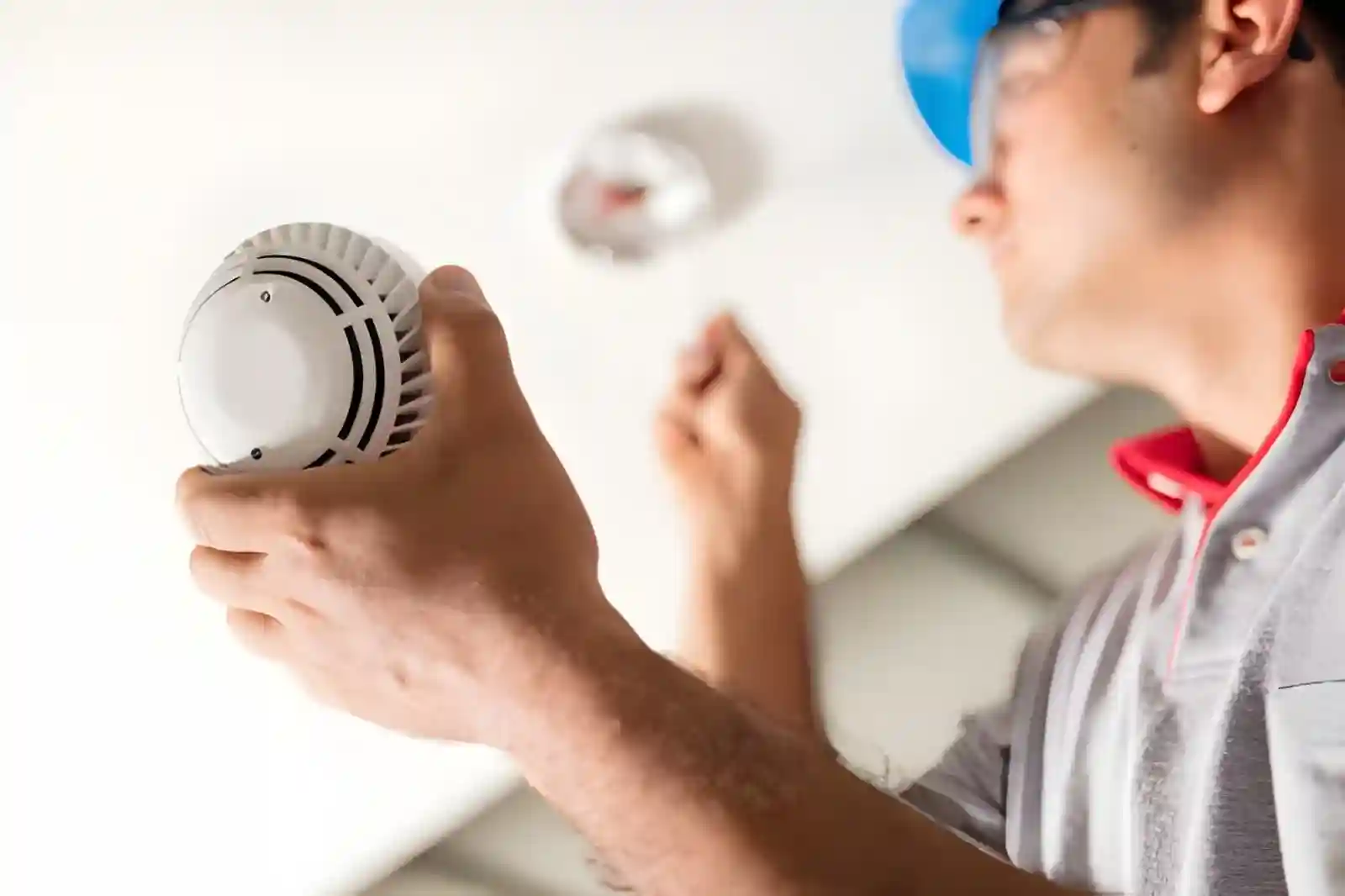
Business premises face daily fire exposure from electrical loads, human activity, and stored materials. Risk levels increase when detection systems remain outdated or poorly planned. Protection improves when timely upgrades align with building use and occupancy patterns. Regulatory inspections often reveal gaps after incidents occur, while proactive action supports safer evacuation and faster emergency response. Operational continuity also improves when alerts activate early and clearly. Within this context, commercial fire alarm installation supports structured fire response and risk control across shared and private areas. Data from UK fire authorities shows early warning systems reduce incident severity across non-domestic buildings.
Key Takeaways
- Clear alerts reduce evacuation time and confusion
- Modern systems improve safety across shared spaces
- Legal duties require suitable detection and warning
- Early action prevents enforcement pressure and risk
- Reliable systems protect occupants and assets
- Regular checks maintain dependable performance
- Professional design limits false alarm disruption
- Documentation supports inspections and insurers
- Timely upgrades reduce business interruption
- Strong planning builds long-term safety confidence
The Importance of Upgrading Fire Alarm Systems in Commercial Properties
Modern systems respond faster and provide clearer alerts across complex layouts. Older panels struggle with reliability and compatibility. Digital detection improves accuracy and zoning control. Integration with lighting and access systems strengthens evacuation flow. Insurance assessors often note system age during evaluations.
Better Detection and Faster Emergency Alerts
A modern approach strengthens compliance and safety confidence. A commercial fire alarm installation improves detection accuracy and coordinated alerts across diverse environments. Industry studies confirm improved response times where upgraded systems replace legacy systems.
Essential Fire Safety Responsibilities Every Landlord Must Follow
Smoke and Carbon Monoxide Alarm Requirements
Fit smoke alarms on every floor and CO alarms where there’s solid fuel. Test at the start of each tenancy as required by law.
Electrical Safety and Compliance Duties
Get a valid EICR every 5 years and PAT test landlord-supplied appliances. Missing records can void insurance and lead to fines.
Maintaining Safe Escape Routes
Keep hallways and exits clear. HMOs need fire doors and protected routes per licensing rules.
Fire Risk Assessments for HMOs
If you rent to 3+ unrelated people, you must have a written fire risk assessment and update it annually.
Warning Signs Your Fire Alarm System May No Longer Be Reliable
Frequent False Alarms
Sensors are dirty or failing, making people ignore real alerts.
Weak or Delayed Alarm Response
Alarms may not sound loudly or immediately across the building due to failing sounders or batteries.
Persistent System Faults
The panel shows ongoing faults, meaning coverage isn’t guaranteed.
Ageing Fire Alarm Equipment
Electronics degrade with age, even if the system passes basic tests.
Best Times to Schedule Commercial Fire Alarm Installation
Correct timing improves safety and compliance, while planned upgrades reduce disruption and coordination issues. Scheduling commercial fire alarm installation during organised works prevents faults and smooth handover.
Recommended Installation Timing Guide
| Situation | Recommended Action |
|---|---|
| Property refurbishment phase | Align the installation with the works |
| Change of building use | Review system suitability |
| Increase in occupants | Reassess coverage needs |
| Regulatory notice received | Schedule an immediate upgrade |
| Planned maintenance period | Combine safety improvements |
How Fire Alarm Systems Improve Tenant Safety and Reduce Risk
Tenant safety remains a key focus in property management, where clear alerts help people evacuate calmly and reduce the risk of harm. Early detection limits smoke spread and property damage while also reducing legal exposure linked to delayed warnings.
Strengthening Emergency Response and Protection
Professional systems provide improved oversight and better protection across shared spaces, while commercial fire alarm installation delivers stronger safety outcomes, including improved evacuation response and more reliable emergency control.
Understanding the Cost and Long-Term Value of Fire Alarm Installation
The focus remains on safety, system strength, compliance alignment, and reduced disruption. Reliable systems reduce fire impact and speed recovery after incidents. Insurance providers often view compliant setups more favourably. Property stability improves through consistent protection standards.
Planning the Right Fire Alarm Coverage
Professional assessment helps determine the correct system scope and coverage needs, while fire alarm system installers provide structured protection and long-term risk control. Industry findings show modern systems reduce damage severity and improve response outcomes. Clear planning strengthens decision-making across properties.
| Area | Value Impact | Price Range |
|---|---|---|
| Safety | Faster emergency response | £800 – £3,000 |
| Compliance | Meets legal standards | £500 – £2,000 |
| Insurance | Lower risk profile | £300 – £1,500 |
| Property | Reduced damage risk | £1,000 – £4,000 |
| Operations | Less downtime and disruption | £400 – £1,200 |
How Code-Compliant Fire Alarm Systems Support Lower Insurance Premiums
Insurers evaluate detection quality during risk assessment. Code-compliant systems demonstrate proactive risk control. Early alerts reduce claim size and business interruption, while documentation from professional installation supports underwriting decisions.
Building Stronger Insurance Confidence
Properties with compliant systems face fewer coverage disputes. Alignment with recognised standards strengthens insurer confidence. A commercial fire alarm installation meets these expectations through verified performance and documented systems that protect both safety and financial resilience.
What to Expect During a Professional Fire Alarm Installation
Site Survey and Fixed Quotation
We assess the property and system type needed, then give fixed pricing for equipment, wiring, and compliance.
Installation and System Wiring
Engineers fit panels, alarm smoke detectors, and sounders with minimal disruption. Wireless options reduce damage in older buildings.
Full Testing and Commissioning
Every device is tested for response and sound level, and zones are mapped to the panel.
Certification and Final Handover
You get a completion certificate, logbook, and walkthrough. Documents are accepted by insurers and councils.
Common Fire Safety Mistakes Landlords Make by Delaying Upgrades
Delay often stems from underestimating risk.
Risks of Ignoring System Age and Faults
- Ageing systems often remain in service beyond their intended design life.
- Minor faults receive repeated temporary fixes.
- Occupancy changes occur without reassessment.
- Documentation falls out of date.
- Such patterns increase enforcement risk.
Why Timely Upgrades Matter
Transitioning to commercial fire alarm installation addresses systemic weaknesses through modern design. Fire authority reviews frequently cite delayed upgrades after incidents. Timely action preserves safety and compliance standing.
How Often Should Commercial Fire Alarm Systems Be Inspected or Replaced?
Regular inspections and weekly user checks help identify obvious faults and maintain dependable performance. Professional servicing confirms detector sensitivity and panel function.
Importance of Ongoing Maintenance
Replacement becomes necessary when components reach the end of their life. Environmental conditions also influence lifespan. Records demonstrate responsible management. Scheduled maintenance and oversight align with safety standards and insurer expectations.
Protecting Long-Term System Reliability
Ongoing care of commercial fire alarm installation sustains reliability over time. Safety audits show improved performance where inspection regimes remain consistent. Planned maintenance protects long-term system value.
Simple Steps to Book a Professional Fire Alarm Installation Service
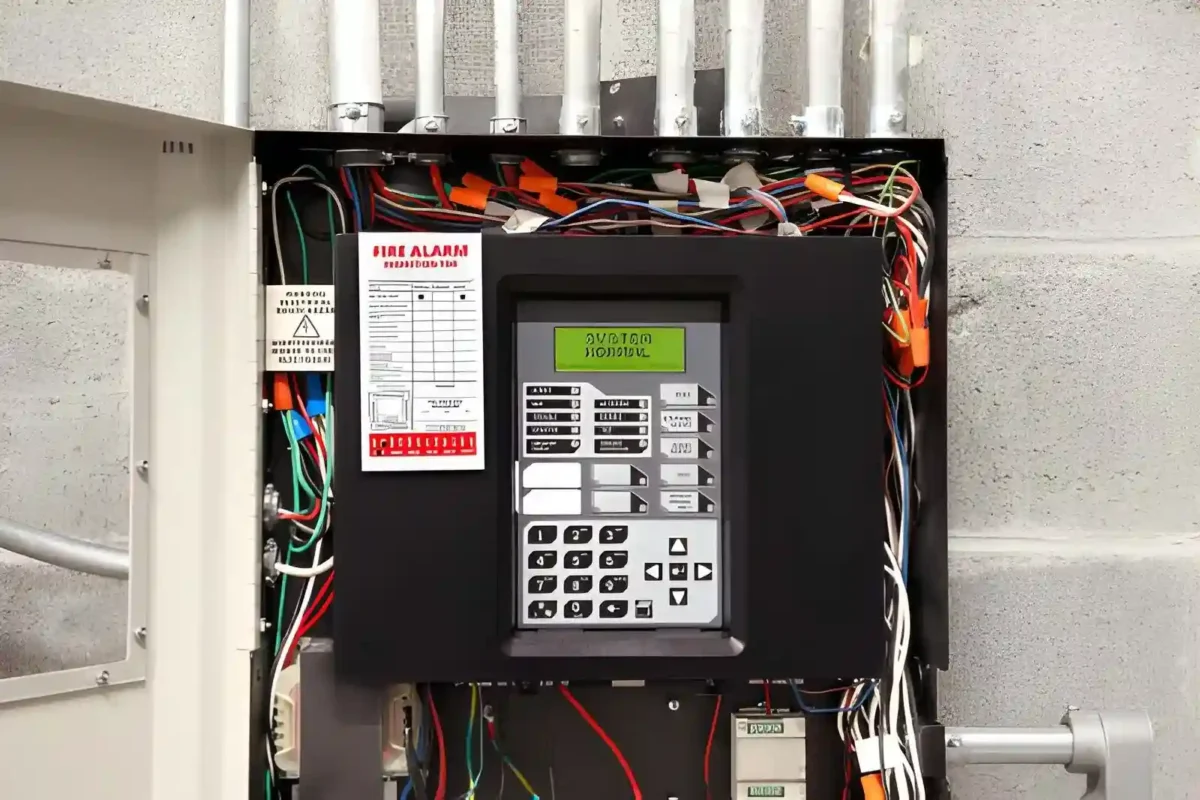
Professional fire safety support starts with a site review that identifies risk areas and system requirements. Engineers design and install a fire alarm as a reliable solution with proper testing and compliance checks, keeping performance stable and safe for long-term protection.
Booking Process Overview
- Contact the team for consultation
- Book a site survey
- Review the system plan
- Approve installation schedule
- Engineer completes setup and testing
- Final system check completed
- Maintenance guidance provided
Frequently asked questions.
Final Fire Safety Review for Commercial Property Owners
Effective protection relies on strong detection, proper system design, and regular maintenance that support safe responses during emergencies. Compliance records and inspections help maintain trust and insurance support, while occupant awareness improves evacuation response.
Building a Safer and More Compliant Property
Professional oversight ensures reliable performance and reduces risk across all areas. The integration of commercial fire alarm installation strengthens overall safety and emergency readiness. For next steps, contact the specialist team for guidance and support.