Older properties often rely on electrical systems designed for past demand levels, and modern living places higher pressure on wiring, sockets, and protective devices. Safety standards now require stronger protection against overloads and faults. Electrical boards play a central role in this protection, and upgraded units manage circuits more effectively and reduce fire risk. Property owners often research the new electric fuse box cost to better understand the scope of the required electrical upgrades. Decisions usually connect to safety, compliance, and reliability. Electrical surveys often reveal outdated components. Professional advice helps clarify requirements.
Key Takeaways
- Old wiring can be unsafe
- Modern power needs better protection
- Fuse boxes control electrical safety
- Warning signs appear early
- Inspections find hidden risks
- New fuse boxes improve safety
- Some homes need rewiring
- Skilled electricians matter
- Safety upgrades reduce danger
- Early checks prevent problems
Does an Old House Need a Full Electrical Rewire?
Property age strongly influences electrical condition, and early installations rarely account for modern appliances or usage patterns. Insulation breakdown and outdated cable types raise concerns.
Why Electrical Assessments Matter in Older Properties
Electrical assessments focus on load capacity and fault protection. Partial upgrades sometimes work, though full rewires are often necessary. Research into the new electric fuse box cost often follows inspection results. Electrical safety reports outline clear recommendations and compliance requirements that guide final decisions. Accurate evaluation avoids unnecessary work and ensures system integrity remains intact across the entire property.
Warning Signs Your Old House Wiring May Be Unsafe
Frequent Circuit Breaker Trips and Blown Fuses
Circuits overload because old wiring and panels cannot handle modern electrical demand safely.
Flickering or Dimming Lights Throughout the Property
Loose connections, voltage drops, or deteriorating wires often cause unstable electrical performance.
Warm, Buzzing, or Discoloured Sockets and Switches
Heat marks, buzzing sounds, and discolouration usually indicate loose wiring or internal electrical arcing.
Outdated Wiring Types Found in Older Homes
Cloth-covered, rubber, knob-and-tube, or aluminium wiring deteriorates over time and often lacks proper grounding.
Burning Smells or Scorch Marks Near Electrical Points
Overheating wires and damaged insulation create serious fire risks and should never be ignored.
Understanding New Electric Fuse Box Cost for Older Homes
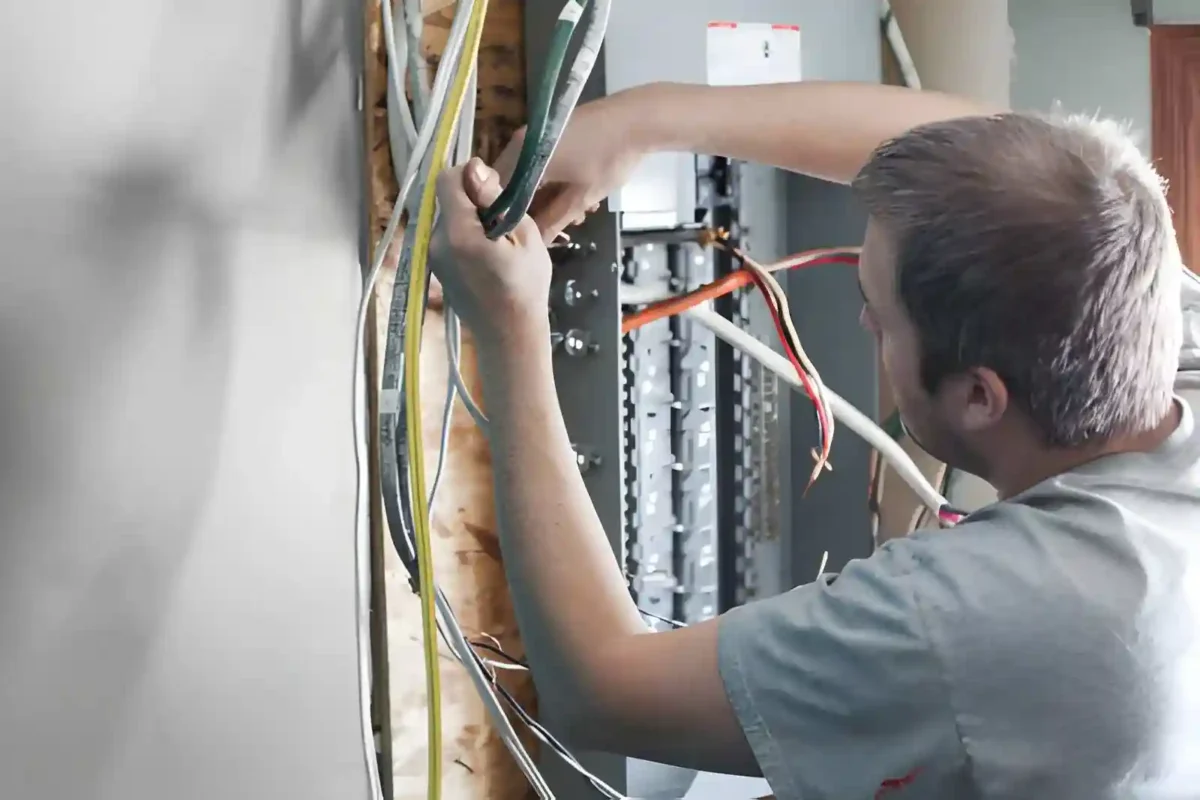
Electrical boards differ significantly between old and modern standards, and older fuse carriers cannot respond to electrical faults as quickly as modern consumer units. Modern consumer units isolate affected circuits rapidly and improve overall electrical safety. Upgrade discussions often involve the new electric fuse box cost alongside long-term safety benefits.
Can a Fuse Box Be Replaced Without Full Rewiring?
Board changes sometimes occur without wider rewiring, though inspections determine overall suitability. Projects occasionally include consumer unit replacements when compliance issues are identified. Electrical condition reports guide recommendations, while clear documentation supports informed planning. Modern boards improve reliability and reduce maintenance concerns across ageing properties.
Why Older Homes Often Need a Consumer Unit Upgrade
Legacy properties usually feature limited circuit separation. Modern appliances demand greater load management capabilities. Replacing outdated consumer units improves circuit protection and electrical isolation.
How Modern Consumer Units Improve Electrical Safety
Older fuse boards struggle under present electrical demands. Property owners commonly research new electric fuse box costs to better understand upgrade requirements. A consumer unit replacement allows compliance with current regulations, while enhanced fault detection improves occupant safety.
Benefits of Surge Protection in Modern Fuse Boards
Surge protection safeguards sensitive electronics and household appliances from sudden electrical spikes. Upgraded boards also simplify future electrical modifications, inspections, and testing processes.
Hidden Electrical Upgrade Costs in Older Properties
Old construction methods often introduce additional complications during electrical work. Wall finishes may contain hazardous materials, while restricted access behind lath-and-plaster walls can delay installation work. Electrical routing requires careful planning, while strict safety procedures control hazardous material handling.
Asbestos Risks During Rewiring Projects
Asbestos plaster damage may require testing costs between £300 and £1,500, while licensed removal can cost £20 to £80 per square metre. Additional delays may occur due to air testing and legal notification requirements. Disturbing asbestos without proper procedures creates major safety and compliance risks.
Access Issues That Increase Labour Costs
Tight spaces, narrow staircases, and difficult access areas can increase labour time by 20% to 40%. Scaffolding, hoists, and permits may add £1,000 to £5,000 or more to project costs. Restricted access also prevents multiple trades from working simultaneously, extending overall project timelines.
Full House Rewire Cost in the UK Explained
A full house rewire replaces old cables, sockets, and safety systems to improve electrical safety and performance throughout the property. Electrical inspections confirm whether rewiring is necessary and help define the project scope clearly.
Why Rewiring Often Includes Fuse Box Upgrades
Many property owners also research the new electric fuse box cost because safety upgrades usually form part of the wider electrical improvement plan. Testing confirms safe operation after installation, while certification completes the process. Up-to-date wiring improves load distribution and reduces the likelihood of power failures across the home.
Average UK House Rewire Cost by Property Size
| Property type | Range |
|---|---|
| Small flat | £2,000 – £3,000 |
| 2-bedroom home | £3,000 – £4,500 |
| 3-bedroom home | £4,000 – £6,000 |
| 4-bedroom home | £6,000 – £9,000 |
Can You Replace a Fuse Box Without Rewiring an Old House?
Selective upgrades sometimes provide practical solutions for older properties. Electrical testing confirms whether existing cables remain serviceable and safe for continued use.
When Partial Electrical Upgrades Are Suitable
Fuse boards may be upgraded while existing wiring remains in place if testing confirms the system is compliant and safe to use. Evaluation usually includes the new electric fuse box cost alongside broader safety considerations.
Benefits of Selective Fuse Box Upgrades
Technicians sometimes install fuse box upgrades without full rewiring, allowing protective devices to improve safety immediately. Professional judgement determines the long-term suitability of selective electrical improvements, which can extend the lifespan of existing systems.
How to Find an Electrician for Period Homes
Check Experience With Older and Listed Properties
Verify experience working on period homes by reviewing NICEIC or NAPIT registration details and requesting examples of previous rewiring or restoration projects in homes built before 1919.
Look for Experience With Traditional Building Materials
Qualified electricians should understand how to install cables with minimal disruption to lath-and-plaster walls, decorative coving, and original joinery.
Confirm Knowledge of Asbestos and Building Compliance
Ensure contractors understand asbestos testing requirements and comply with Part P and Part L building regulations during electrical modernisation work.
Request a Detailed Electrical Survey and Quote
Experienced professionals provide detailed technical reports outlining access requirements, project phases, certification, and completion guarantees rather than vague pricing estimates.
Grants and Financial Support for Older Homeowners in the UK
Support schemes sometimes assist with electrical safety improvements, while local authorities may offer funding pathways linked to property upgrades.
Financial Assistance for Electrical Safety Improvements
Energy efficiency initiatives occasionally connect to electrical upgrade projects. Information sources frequently mention the new electric fuse box cost within broader home improvement discussions.
Why Researching Support Schemes Matters
Advice services clarify application procedures, while approved contractors often assist with paperwork requirements. Financial support can reduce the cost burden of electrical upgrades while allowing homeowners to prioritise essential safety improvements before major faults develop.
Frequently asked questions.
Conclusion: Improve Electrical Safety in Your Old Home
Electrical safety remains essential in older properties where outdated systems often struggle to support modern electrical demand. Ageing wiring and overloaded circuits increase the likelihood of faults, power failures, and fire risks over time. Professional electrical assessments help identify practical upgrade solutions while ensuring all work remains safe, compliant, and cost-effective.
Research into the new electric fuse box cost helps property owners plan electrical improvements more effectively. It also highlights the long-term benefits of modern consumer units and professional rewiring work. Skilled electricians can manage period-property challenges efficiently, and available support schemes may help reduce upgrade costs. Early action improves safety, reliability, and long-term electrical performance throughout the home. If your property shows signs of outdated wiring or an ageing fuse box, arranging a professional inspection can help identify hidden risks before they become dangerous. At Landlord Safety Certification, we have Qualified electricians who can recommend safe upgrades that improve compliance and protect your home for the future.