Landlords must hold a valid Gas Safety certificate for every gas appliance and flue in a rented property, or they risk voiding their insurance. If a fire, leak, or carbon monoxide incident occurs and you can’t make an up-to-date certificate, insurers can reject claims for property damage, business interruption, and liability.
It’s also a legal requirement under the Gas Safety Regulations, so arrange an annual check with a Gas Safe engineer, keep the gas safe installation certificate in a file, and give tenants a copy within 28 days to stay covered and compliant.
Key Takeaways
- Insurance protection depends on verified safety documentation
- Certified gas work reduces claim rejection risk
- Insurers expect proof after installation or major alteration
- Missing records often trigger policy exclusions
- Compliance files support faster claim assessment
- Registered professionals provide accepted documentation
- Clear records strengthen a landlord’s legal position
- Organised storage improves audit readiness
- Safety documentation supports tenant confidence
- Proactive compliance prevents enforcement action
Why a Missing Gas Certificate Can Void Your Insurance
If your gas safety or servicing certificates have expired, most commercial insurance policies may consider you non-compliant with policy conditions.
Insurance Claims Can Be Rejected
If a fire occurs and you can’t show a valid, up-to-date certificate, insurers can refuse to pay out for property damage, business interruption, and liability.
Failure to Comply Can Lead to Legal Action
You are breaking the law. Gas Safety Regulations require landlords to maintain valid gas safety records and ensure gas appliances are inspected regularly. No certification means no inspection, and you are liable for fines or prosecution.
Reinstating Compliance Takes Time
Once compliance issues are resolved, updated inspection and service records are required before insurance coverage is fully restored.
Fast Action Helps Restore Protection
Book a Gas Safe-registered engineer, complete the required servicing, and store the updated certificate in your records. Even one day without it puts you at risk.
What Insurers Expect After Gas Installation Work
Insurers request clear documentation after gas work, and installation records confirm that the work was completed according to regulations. Engineer registration details confirm competence, while a Gas Safe installation certificate satisfies these requirements in a single document.
Incomplete Records Can Delay Insurance Claims
Industry audits indicate that insurance claims are processed more smoothly when records are complete, and the CP12 certificate supports ongoing safety checks but does not cover installation legality. Insurers often request both documents during reviews. Landlord files should remain organised for rapid disclosure when required.
How Gas Safety Compliance Directly Impacts Insurance Coverage
Certified installations reduce the likelihood of accidents and safety incidents, while a gas safe installation certificate demonstrates compliance with regulated standards.
Why Insurers Prioritise Certified Gas Installations
Insurers rely on standardised formats for verification, and public safety data links certified properties with fewer claims. Policy conditions often require proof of lawful installation, and missing documentation can weaken insurance coverage during audits.
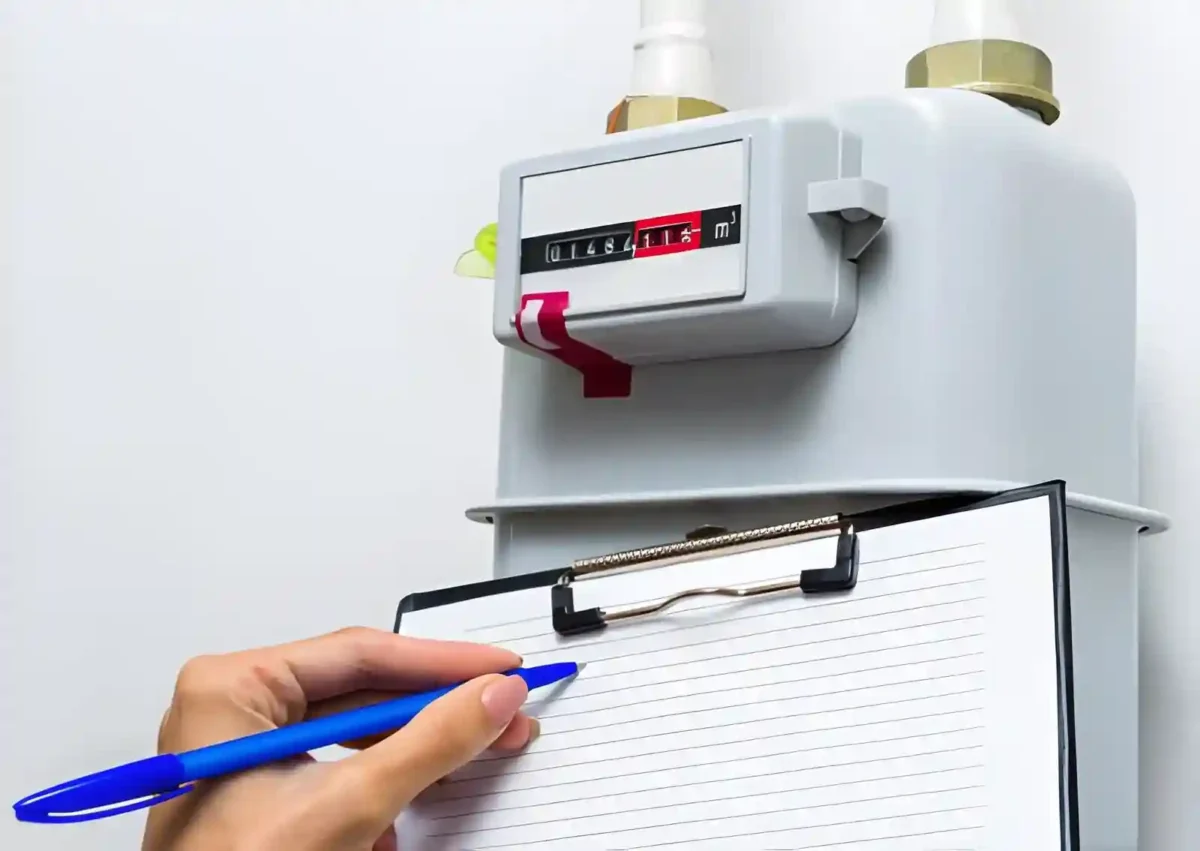
Real Insurance Claims Refused Due to Missing Gas Certificates
Claims rejection often follows missing documentation, and investigations focus heavily on compliance history. Uncertified installations raise liability concerns.
Missing Proof Increases Negligence Risks
A gas safe installation certificate confirms that the work is lawful and that safety checks have been completed. Insurer reports show that claims are frequently rejected when records are missing.
Certification Helps Prevent Long Disputes
Loss assessors document compliance failures during review. Proper certification helps demonstrate compliance and reduces the likelihood of negligence claims. Landlords without records face longer disputes, while proper certification supports transparent assessment and reduces rejection.
Which Insurance Policies Require Gas Safe Documentation
Landlord, commercial, liability, and employer policies require proof of gas safety before claims or renewals.
Landlord Insurance
Landlord insurance covers rental properties and may require gas safety records before approving fire or damage claims.
Commercial Property Insurance
Commercial property insurance checks gas safety documentation for offices, shops, and warehouses before approving claims.
Public Liability Insurance
Public liability insurance reviews gas compliance records when injury claims arise in rented or shared spaces.
Employers Liability Insurance
Employers liability insurance uses safety inspection records to confirm compliance before settling staff injury claims.
Home Insurance Requirements
Home insurance rarely requires gas safety documentation unless the property is used for rental or business purposes.
How to Get a Gas Safe Installation Certificate for Insurance Protection
A gas safe installation certificate is issued once a qualified engineer finishes a full installation inspection, carries out required safety testing, and verifies that all gas appliances comply with current legal and safety requirements before approving the system for use.
Why Proper Certification Protects Your Insurance Policy
Insurers accept this document as valid proof of compliance, which helps protect your policy from rejection, delays, or disputes during claim assessment. Working with qualified professionals helps maintain proper insurance protection and compliance.
How Often Landlords Need to Renew Gas Safety Documentation
Installation certificates apply only to completed work and are renewed only after a new installation or major alteration. Annual checks require separate documentation.
Installation Certificates Cover Specific Completed Work
A Gas Safe installation certificate remains valid for the specific work completed, while compliance relies on additional records.
Annual Gas Safety Checks Still Remain Essential
Insurers review installation dates during claims, and clear timelines prevent confusion. Maintaining accurate records supports compliance reviews. Installation proof complements annual safety documentation within landlord gas safety files.
| Topic | Simple Meaning |
|---|---|
| Installation use | Issued after gas work completion |
| Renewal timing | Only after a new installation or changes |
| Annual checks | Separate safety records required |
| Validity | Applies to specific completed work |
| Insurance checks | Records reviewed during claims |
Why Landlords Must Provide Gas Certificates to Insurers Quickly
Insurance providers may ask for a Gas Safe installation certificate during claims, renewal, or risk review.
Fast Access Supports Smoother Claim Processing
Quick access to this document helps support smooth processing of your policy without delays or disputes, while clear record keeping allows faster verification of compliance and strengthens your position when insurers assess property safety and decide on coverage approval.
Essential Gas Safety Record Checklist for Landlords
Compliance relies on complete documentation, and a Gas Safe installation certificate should be stored alongside other safety records.
Landlord Gas Safety Documentation Checklist
- Installation certificate stored securely
- Engineer registration verified
- Appliance details recorded
- Test results documented
- Annual safety record available
Organised Records Improve Audit Readiness
Regular file review supports readiness during audits and insurance requests.
Financial Penalties and Legal Risks Beyond Voided Insurance
Insurance refusal is not the only concern, as missing gas records can also lead to regulatory action.
Missing Documentation Can Trigger Enforcement Action
Enforcement teams often issue notices when required documents are not available, while a gas safe installation certificate helps reduce the risk of penalties by proving legal compliance.
Proper Certification Protects Your Legal Position
Inspection authorities review these records carefully, so proper documentation supports financial stability and protects the legal position of landlords.
Frequently asked questions.
Conclusion: Protect Your Insurance With Proper Gas Safety Certification
Insurance protection is stronger when safety compliance is properly documented and verified. A gas safe installation certificate confirms lawful installation and reduces risk during insurance checks. Insurers rely on records for underwriting and claims decisions. Missing documentation can weaken coverage and create penalties. Proper certification builds trust and supports smooth approval processes. Landlords should keep organised compliance files ready for inspection. For trusted gas safety checks, landlord compliance support, and fast certification services, contact Landlord Safety Certification today. Contact the team for guidance and support with certification and compliance needs.