Stay Safe with Professional Asbestos Management Survey
A professional asbestos management survey is essential for identifying and evaluating asbestos-containing materials (ACMs) within a property. This survey isn’t just a precaution; it’s a legal requirement under the Control of Asbestos Regulations 2012 for non-domestic premises. Failing to conduct an asbestos management survey can result in substantial fines, legal action, or even imprisonment for non-compliance with relevant regulations. Neglecting this aspect of property management not only endangers lives but also exposes you to serious legal and financial consequences.
Our Asbestos Management Survey Process
Certified Asbestos Management Surveys You Can Trust
Our certified surveyors deliver accurate and professional asbestos inspections to keep your property safe, compliant, and legally protected.
Which Properties we Serve
What is an asbestos Survey, and why does it matter?
An asbestos survey serves as an important assessment tool in identifying the presence and condition of asbestos-containing materials within a building. This innovative approach not only safeguards health but also enhances property value by ensuring compliance with safety regulations. Conducted by trained professionals, the survey employs advanced techniques and equipment to detect and evaluate asbestos risks. By pinpointing hazardous materials, stakeholders can formulate effective management strategies, reducing exposure to dangerous fibres. Additionally, the survey plays a pivotal role in fostering a culture of safety and responsibility in construction and renovation projects. Ultimately, understanding the significance of an asbestos survey empowers property owners to make informed decisions, creating safer environments for occupants and promoting sustainable building practices in the long term.
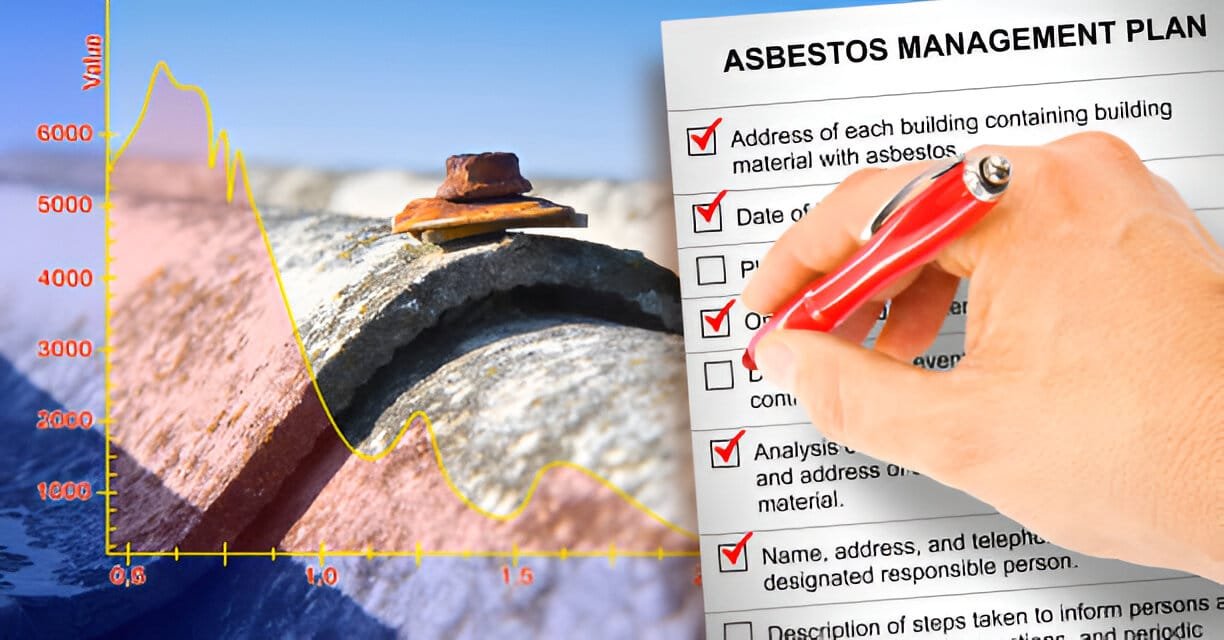
Asbestos Management Plan
| Component | Descrpition | Purpose |
|---|---|---|
| Identification | Cataloguing all asbestos-containing materials | Ensures awareness of hazardous locations |
| Risk Assessment | Evaluating the condition and potential exposure | Prioritises areas needing |
| Monitoring Strategies | Regular inspections and updates | Maintains a proactive approach to safety |
Contact Us
Inspection of all fire protection systems including