Commercial EICR represents a structured method for assessing electrical safety within commercial properties. Commercial property compliance relies on documented proof that electrical systems operate within accepted safety standards. EICR provides proof through inspection results that reflect the current condition of fixed installations. Regulatory authorities expect evidence that electrical risk receives active control, and Commercial EICR supports that expectation. Fire prevention frameworks frequently link electrical faults to inadequate inspection practices, which reinforces the relevance of formal assessment. EICR London remains a strong focus area due to regulatory oversight and infrastructure demand, and EICR inspections often form part of wider safety reviews. Electrical accountability improves once inspection findings guide corrective action planning. EICR Certificate records confirm inspection completion and support transparency during audits and compliance checks. Insurers and stakeholders often request a valid EICR Certificate to verify risk management controls. Property governance benefits from clear documentation that supports decision processes. Commercial EICR Cost discussions often arise during compliance planning stages, and EICR Cost detail depends on system scale and access conditions. Accurate clarification requires professional review rather than assumption. EICR London compliance expectations continue to influence inspection frequency and reporting standards. Commercial EICR Certificate retention supports long-term regulatory readiness. Commercial Cost transparency improves once the scope receives proper evaluation.
Key Takeaways
- Electrical inspections help identify hidden faults before incidents occur
- Clear documentation supports compliance during audits and safety reviews
- Regular assessment strengthens legal and operational accountability
- Early fault detection reduces disruption and emergency repair risk
- Structured reports guide corrective priorities and maintenance planning
- Follow-up action remains as important as the inspection itself
- Record retention improves transparency and governance control
- Qualified professionals increase the accuracy and reliability of findings
- Proactive safety management protects occupants and property value
- Consistent oversight builds long-term confidence in electrical systems
Why Does Electrical Inspection Remain a Legal and Safety Priority
Electrical safety holds a central place within commercial compliance frameworks because faults create a serious risk to people, property, and operations. Regulatory authorities require documented evidence that electrical systems remain safe and suitable for use. EICR supports that requirement through formal inspection and reporting that demonstrates responsible oversight. Legal duties placed on employers and property controllers focus on prevention rather than reaction, and inspection forms a core part of that duty. Fire safety data consistently links electrical defects to workplace incidents, which strengthens enforcement attention on inspection records. EICR provides structured findings that identify deterioration, overload, and protection failures before escalation occurs. Safety legislation relies on proof of action, and inspection documentation satisfies that expectation during audits and investigations. Insurance providers often assess electrical compliance when reviewing liability exposure, which elevates the role of inspection reports. EICR documentation supports defense during enforcement review by showing proactive management. Electrical infrastructure changes over time through use and modification, which increases the need for periodic review. Commercial EICR addresses that need by presenting an accurate snapshot of system condition. Compliance confidence improves once inspection outcomes guide corrective planning. Legal accountability strengthens when inspection evidence remains current, traceable, and professionally prepared.
What Does an Electrical Inspection Actually Inspect
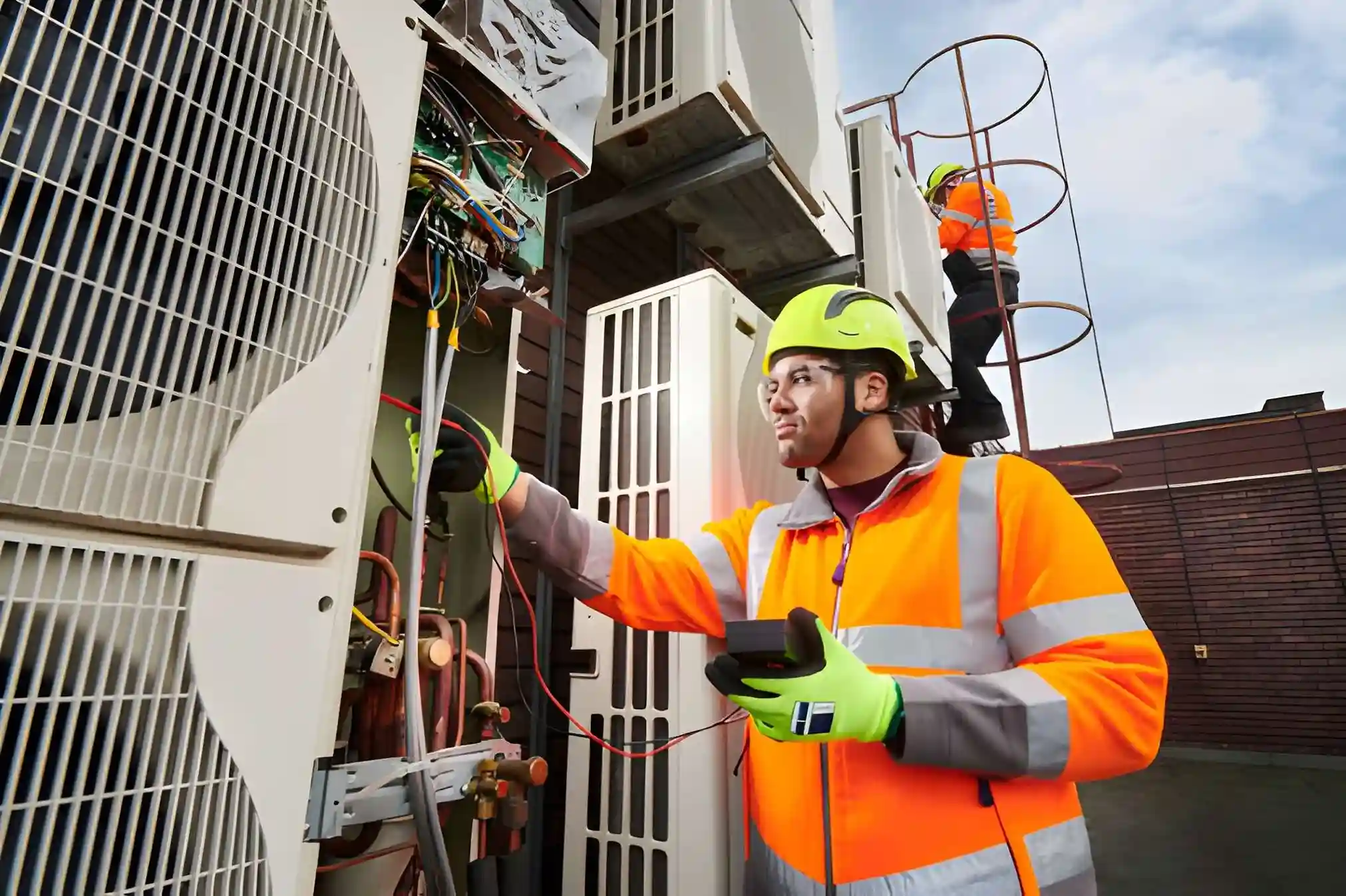
A professional electrical inspection focuses on the condition and safety of fixed installations within commercial premises. EICR provides the structured framework that guides this assessment through visual checks and technical testing. Inspectors review distribution boards to confirm the correct operation of protective devices and circuit labeling accuracy. Cabling condition receives close attention to identify insulation wear, mechanical damage, or overheating signs. Commercial EICR also assesses earthing and bonding systems to verify effective fault protection. Socket outlets, switches, and fixed accessories undergo inspection to confirm secure connections and safe operation. Load balance across circuits receives evaluation to reduce overload risk. Testing procedures confirm continuity, polarity, and disconnection times to validate system performance. Commercial EICR assigns observation codes that classify issues based on risk severity and urgency. Immediate danger observations highlight risks that require prompt action. Potential danger findings indicate conditions that may lead to failure if left unaddressed. Advisory notes identify improvement opportunities that enhance long-term safety. EICR reporting presents results in a clear format that supports corrective planning. Electrical safety authorities rely on such structured inspection outcomes during compliance review. Commercial EICR also helps property controllers prioritize maintenance tasks based on verified system condition.
How Does Electrical Safety Support Occupants and Daily Operations
Electrical safety plays a direct role in protecting occupants and maintaining uninterrupted operations within commercial premises. Commercial EICR acts as a structured inspection process that identifies electrical risks before harm occurs. Hidden faults within wiring systems often lead to shock hazards, fire outbreaks, and equipment failure. Early identification of such risks reduces exposure to injury and property damage. EICR London enforcement trends show a strong focus on occupant safety due to high usage patterns and shared infrastructure. Clear inspection outcomes allow corrective action to take place without operational disruption. EICR Certificate documentation provides formal confirmation that safety checks meet regulatory expectations. Workplace confidence improves once safety controls remain visible and verifiable. EICR London compliance activity often links electrical safety directly to fire prevention strategies. Electrical reliability also supports business continuity through reduced outage risk. Planned maintenance becomes more accurate once inspection data guides priorities. Commercial EICR Certificate records assist insurers during risk assessment and claim validation. Operational planning benefits from predictable electrical performance. Commercial EICR Cost discussions usually form part of long-term maintenance planning and require professional assessment for accuracy. Commercial EICR London oversight reinforces accountability across property management structures. Certificate retention supports audits and stakeholder review. Profitable EICR Cost considerations vary based on system scale and access requirements. The EICR Cost clarity remains available through direct consultation with qualified professionals.
What Determines the Right Inspection Frequency for Commercial Buildings
Inspection frequency depends on how electrical systems operate within a commercial environment. How Often Should EICR take place? This remains a common concern for property operators and duty holders. Electrical load levels, occupancy patterns, and system complexity influence inspection intervals. High usage environments face greater stress on wiring and protective devices. Scheduled inspection helps detect early deterioration before safety risk increases. How Often Should EICR Take Place also depends on guidance issued by regulatory and industry standards. Commercial buildings that host public access or specialized equipment often require closer oversight. Inspection records from previous assessments help determine future review timelines. Electrical modifications or changes in occupancy often trigger reassessment needs. Consistent inspection supports compliance confidence and reduces enforcement exposure. Fire safety frameworks frequently align inspection intervals with electrical risk levels. Maintenance planning improves once inspection timing aligns with operational demand. Inspection scheduling also supports insurance requirements related to electrical safety verification. Clear documentation of inspection intervals demonstrates responsible management practices. How Often Should EICR Take Place should align with the risk profile rather than assumptions. Professional evaluation provides clarity based on the actual system condition. Planned review cycles reduce unexpected disruption and support long-term electrical reliability. How Often Should EICR Take Place remains a strategic decision that benefits from qualified advice and documented risk assessment.
Why Does Electrical Compliance in the Capital Face Greater Inspection
Regulatory focus increases in high-density commercial regions due to higher occupancy levels and complex infrastructure demands. Electrical networks support multiple tenants, shared services, and continuous operational load. EICR gains importance in such environments due to higher exposure to electrical faults. Authorities place added emphasis on inspection records to reduce incident probability. Commercial EICR London receives consistent regulatory attention because the enforcement structure monitors compliance more frequently. Fire safety data often links electrical defects to commercial incidents, which drives inspection enforcement. Commercial EICR London requirements reflect stricter oversight expectations across regulated buildings. Infrastructure age variation also contributes to inspection priority within the region. Commercial EICR London remains central to risk mitigation strategies adopted by property controllers. Documentation plays a vital role during compliance review and audit processes. EICR Certificate availability supports verification of electrical condition during inspections. Auditors rely on the EICR Certificate to confirm inspection completion and fault classification. Insurance assessments also reference the Commercial EICR Certificate as supporting evidence. Commercial EICR Cost discussion often arises during planning due to scale and access complexity. Commercial EICR price evaluation depends on the system scope rather than assumptions. Professional consultation clarifies Commercial EICR price considerations accurately. EICR supports structured risk control within regulated commercial environments through formal assessment and documented accountability.

Commercial EICR Cost: What Businesses Can Expect to Pay
Businesses often seek clarity around financial expectations before arranging an electrical inspection. Actual figures depend on several practical factors rather than fixed assumptions. Property size, system complexity, access conditions, and installation age all influence the overall scope of work. Larger or heavily serviced premises usually require more time and technical review. Detailed assessment ensures accuracy and avoids unnecessary disruption. Transparent discussion before inspection helps align expectations and planning. Professional providers review site details before outlining specifics. Clear communication prevents misunderstanding and supports informed decisions. For precise information relevant to your premises, it is best to contact a qualified team for accurate guidance.
| Property Type | Typical Scope | Estimated Cost Range |
|---|---|---|
| Small commercial unit | Basic electrical systems | £150 – £300 |
| Medium commercial space | Multiple circuits and boards | £300 – £600 |
| Large commercial building | Complex and high-load systems | £600 – £1,200 |
| Industrial premises | Heavy equipment and testing | £1,200 – £2,500 |
Actual charges vary based on system condition, access level, and inspection depth.
What Happens After an Inspection Report Is Completed
Report completion marks the point where review and action become essential. Responsible parties should read every observation carefully to understand the system condition and risk level. Codes within the report indicate urgency and guide next steps. Immediate risk items require prompt attention to protect occupants and operations. Planned corrective work supports restoration of compliance where improvement recommendations appear. A professional explanation of findings helps clarify technical language and prioritization. EICR appears at this stage as a reference framework that connects inspection results with corrective planning. An accurate understanding of outcomes prevents misinterpretation and delays. Remedial work confirmation follows once corrective measures reach completion. Verification testing confirms that the identified issues no longer present a risk. Updated records reflect improved system condition and compliance status. Documentation storage remains important for future audits and internal governance. Stakeholders often request evidence that actions reached completion after inspection. Commercial EICR supports that requirement through structured reporting and traceable outcomes. Operational confidence improves once corrective actions align with inspection guidance. Safety governance benefits from consistent follow-up rather than isolated review. Long-term electrical reliability depends on disciplined response after inspection rather than report filing alone.
Frequently asked questions.
Conclusion
Electrical safety within commercial environments requires structured assessment and responsible follow-up. Commercial EICR provides a reliable framework to identify risk, confirm compliance, and support informed decision-making. Regular inspection helps prevent disruption and protects people, property, and operations. Clear documentation strengthens accountability during audits and regulatory review. Corrective action following assessment remains essential for long-term system reliability. EICR also supports confidence among stakeholders who rely on safe electrical infrastructure. A proactive approach that integrates inspection, documentation, and action ensures electrical safety remains controlled, visible, and aligned with legal responsibility.