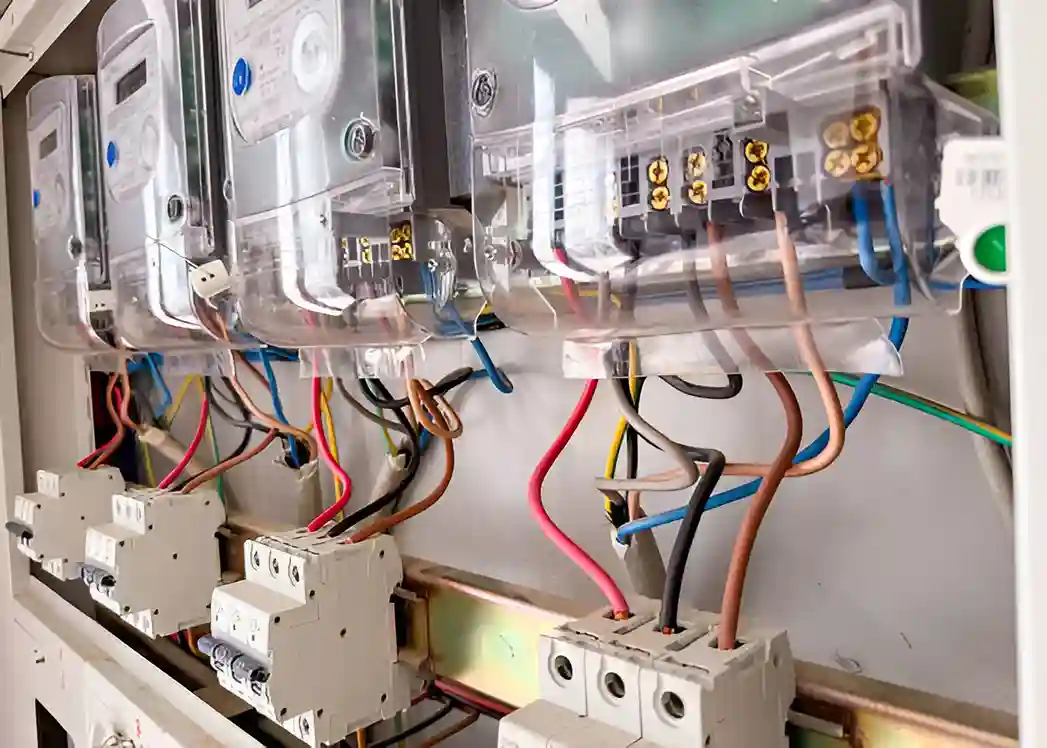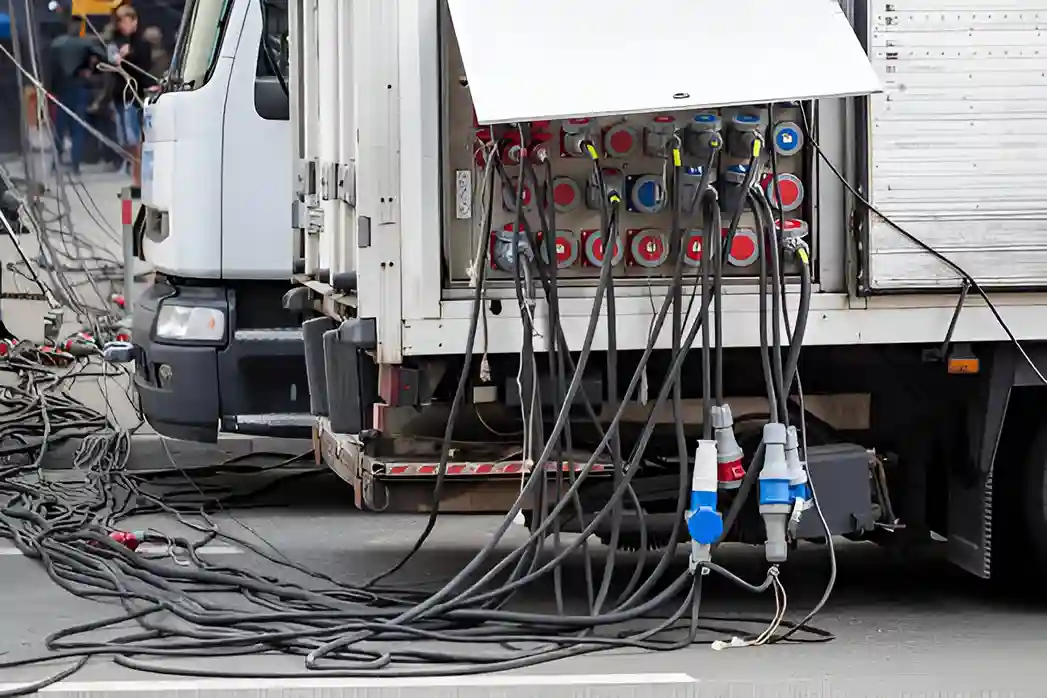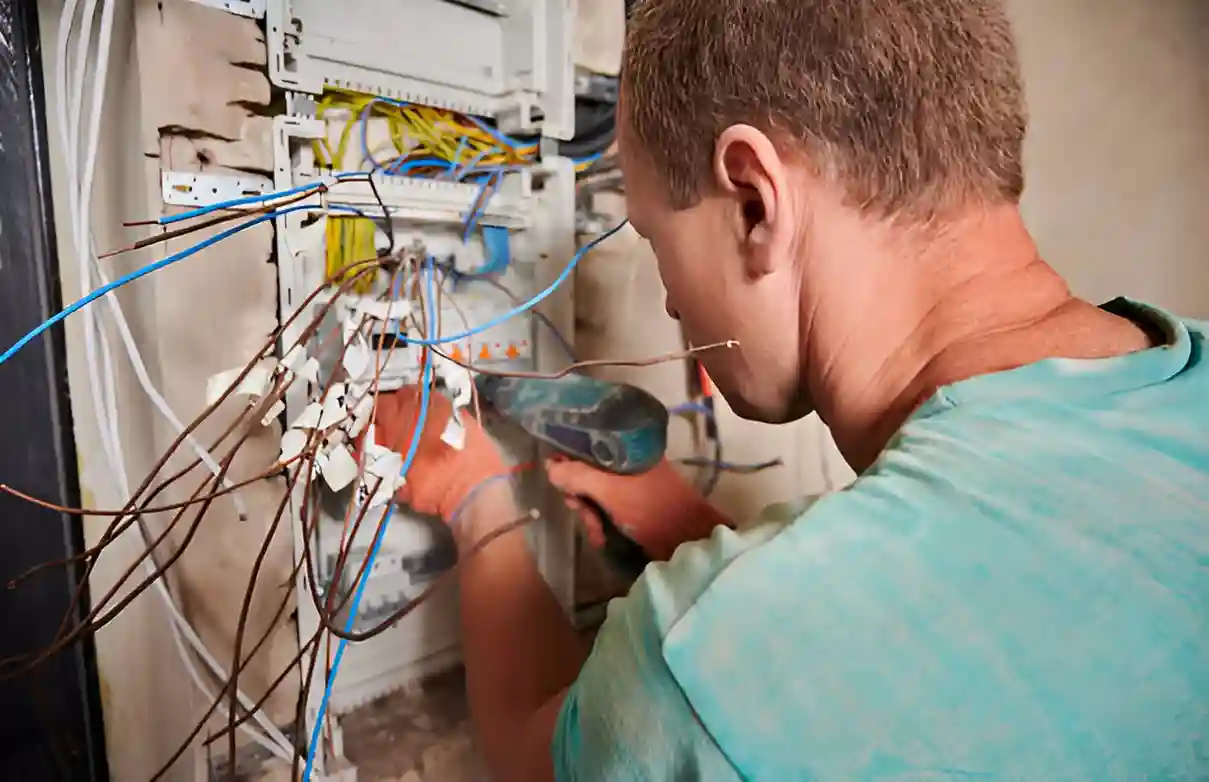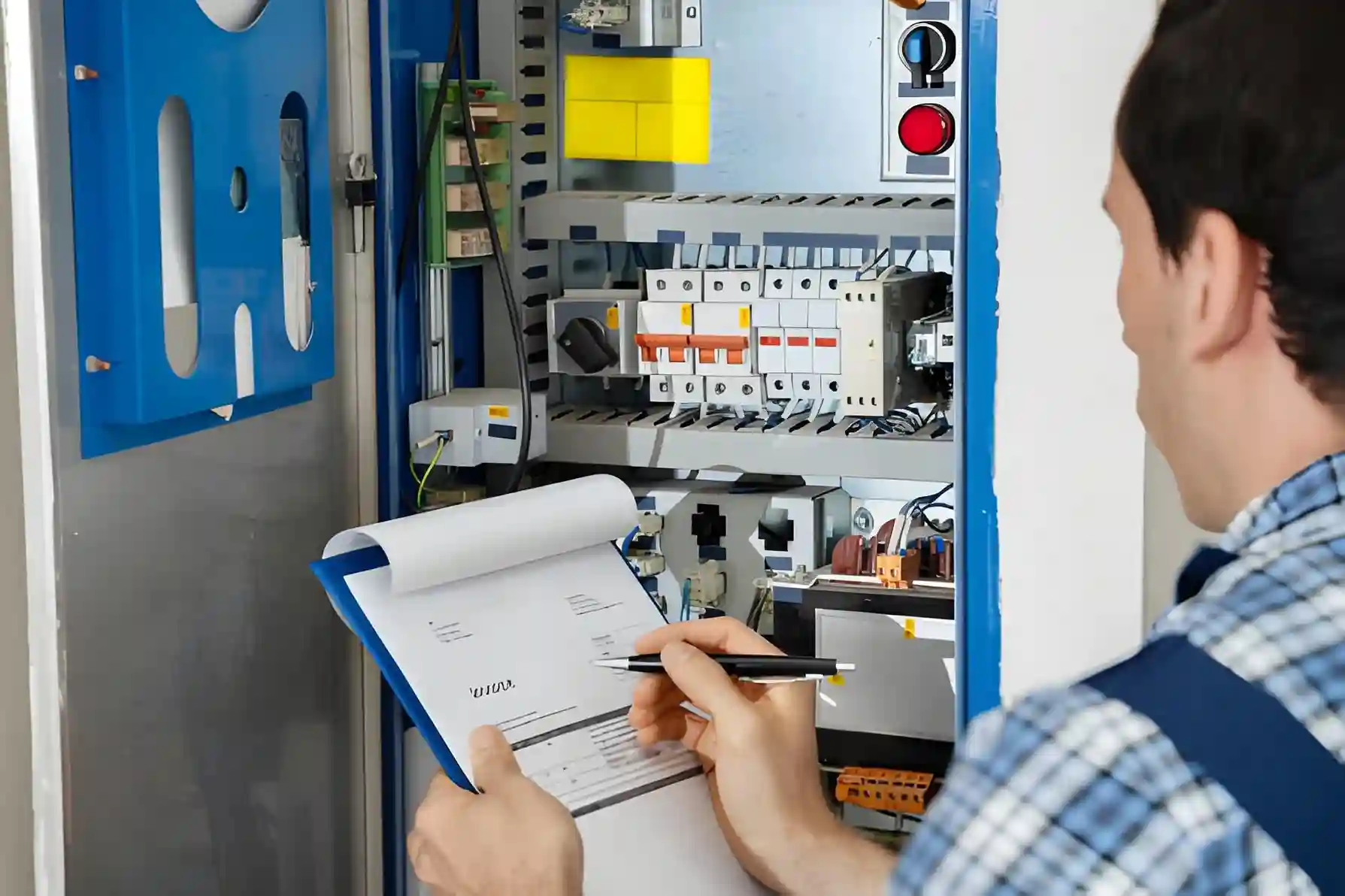
Electrical safety remains a regulatory priority across regulated workplaces. Authorities highlight electrical faults as a leading cause of workplace incidents, according to national safety reports, which link a high percentage of commercial fires to electrical failures. Regulatory expects documented controls, and the EICR Report provides a formal record of inspection outcomes and identified risks. Structured inspection systems support risk reduction across operational environments. Formal assessment routes such as EICR Testing offer a clear framework for fault detection. Regulators require evidence of inspection cycles and documented outcomes, and auditors review records during compliance checks, often referencing the EICR Report for verification. Industry data from safety councils shows inspection-backed sites report fewer incident notices. Electrical assessments align operational practices with statutory benchmarks, and reference guidance from safety authorities confirms inspection documentation as an essential audit focus. Why does documented compliance receive such attention? Risk control relies on consistent inspection protocols, and formal reporting supports risk identification before an increase. Certification records demonstrate due diligence. An EICR Certificate London serves as proof of compliance status for commercial premises. Statistical reviews from insurance bodies associate certification with reduced claim frequency. Electrical assessments link technical findings with corrective actions and support internal safety governance. Clear guidance supports compliance planning, and EICR Requirements define inspection scope and reporting standards. Queries about EICR Cost often arise during planning stages, and further detail remains available through direct consultation with a qualified compliance team.
Key Takeaways
- Schedule regular EICR Testing to maintain up-to-date safety compliance
- Ensure clear labeling of circuits and accessible panels for inspections
- Maintain detailed records aligned with EICR Requirements
- Conduct pre-inspection checks to identify minor issues early
- Avoid ignoring minor faults that may lead to higher observation codes
- Plan inspections around operational schedules to minimize disruption
- Engage certified professionals for guidance on complex electrical systems
- Monitor load distribution and system performance to prevent failures
- Verify documentation and EICR Certificate London is accurate and complete
- Review safety protocols periodically to align with evolving standards
Why Fixed Electrical Systems Receive Regulatory Focus
Electrical safety remains a top priority across regulated workplaces. Authorities report electrical faults as a leading cause of workplace incidents, and national statistics link many commercial fires to system failures. Regulatory requirements require documented controls and structured inspection systems help reduce risks. Formal assessment routes provide a clear framework for fault detection and ongoing monitoring. Enforcement expectations have changed due to stricter accountability standards, which makes evidence of inspection cycles and documented outcomes essential. Auditors review records during compliance checks, and industry data shows that inspection-backed sites report fewer incidents. Documentation also supports internal safety governance and operational oversight, and an EICR Report records findings in a structured format. Compliance records demonstrate adherence to required standards for commercial premises. Property owners benefit from routine EICR Check schedules that support early issue detection and corrective planning. Responsibilities associated with an EICR Landlord include arranging inspections and maintaining accurate records. Questions about the cost of EICR certificate often arise during planning stages, and professional guidance helps ensure clarity. Overall, structured inspections, documented outcomes, and certification combine to improve safety, reduce risks, and maintain compliance across properties.
How Inspection Findings Influence Business Operations
EICR London serves as a key tool for understanding electrical system conditions and guiding operational decisions. Inspection results reveal potential risks and indicate where corrective work becomes mandatory. Failure to address these findings can increase regulatory exposure and operational risk. Scheduling corrective tasks requires careful planning to avoid downtime. Businesses often prioritize critical systems and plan interventions during low-activity periods. A structured EICR Report provides clear guidance on urgent versus minor issues, allowing decision-makers to balance compliance with operational continuity. Reports also support internal safety planning and offer documented evidence of risk management efforts. Documentation helps organizations track recurring electrical issues and improve long-term controls. Safety managers use findings to update maintenance schedules and training programs, improving overall workplace safety. Integration of formal assessments, such as EICR Testing, ensures consistent monitoring. Certifications like the EICR report confirm compliance status and maintain audit readiness. Understanding EICR checks helps organizations design inspection cycles aligned with regulatory expectations. Queries about the cost of EICR certificate can be clarified through consultation with professional teams to plan necessary interventions. Inspection-driven strategies reduce unexpected shutdowns, support regulatory alignment, and enhance workforce confidence. Proper use of EICR Landlord insights ensures compliance and strengthens operations without unnecessary disruption.
Who Is Qualified to Carry Out Compliant Assessments
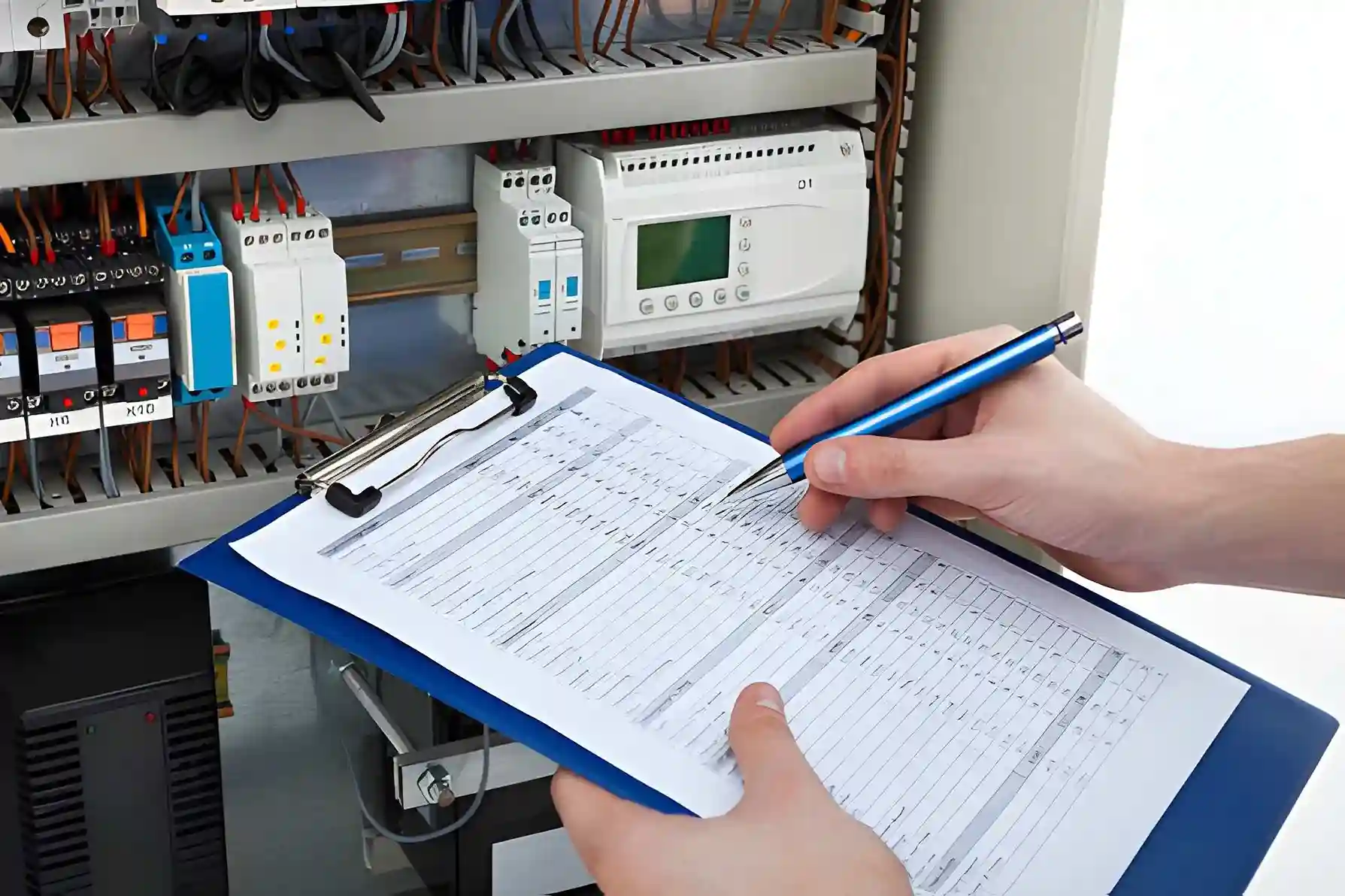
EICR Report provides a structured record of electrical inspection findings and supports compliance across regulated environments. The document outlines system condition, observed defects, and classification codes that indicate severity. EICR London inspections rely on this report to present a clear assessment of installation safety and regulatory alignment. Each observation links technical findings with recommended corrective actions, supporting informed decision-making. Certified assessors prepare reports to meet formal standards and audit expectations. Documentation produced through EICR Testing supports accountability and traceability during compliance reviews. Safety managers reference the report to plan remedial work, allocate resources, and update maintenance schedules. An EICR Certificate London reflects the report outcomes and confirms inspection completion under current standards. Understanding EICR Requirements allows accurate interpretation of codes and timelines for action. Industry oversight data associates detailed reporting with reduced incident frequency and improved risk control. Reports also assist insurance reviews by demonstrating due diligence and structured risk management. Historical records help track recurring issues and evaluate system performance over time. Queries related to EICR Cost often arise during planning and can receive clarification through consultation with qualified professionals. Consistent use of an EICR Report strengthens audit readiness, supports regulatory confidence, and enhances operational safety across properties.
Preparing for an Electrical Inspection the Right Way
Proper preparation can make a significant difference in inspection outcomes under EICR Report standards. Pre-inspection system checks provide clarity on potential issues before the official assessment. Ensuring clear access to electrical panels and circuits helps inspectors evaluate each component efficiently. Accurate labeling of circuits and awareness of load distribution reduce delays and prevent confusion during testing. Structured preparation often leads to fewer observation codes and smoother certification. Organizing documentation according to regulatory standards helps inspectors verify compliance quickly. Awareness of EICR Requirements ensures the system aligns with current safety regulations. Routine EICR Testing before the official inspection can highlight minor faults that may otherwise cause delays. Clear records and systematic checks improve the efficiency of obtaining an EICR Certificate London. Data-led preparation allows faster verification of each component and reduces the likelihood of follow-up visits. Contacting certified professionals guides on meeting all standards and addressing potential concerns. Understanding aspects such as EICR Cost supports inspection planning. Overall, methodical preparation under the EICR Report strengthens safety assurance and streamlines the certification path, making inspections more predictable and reliable.
Cost of EICR Certificate: What London Property Owners Need to Know
An EICR certificate confirms that electrical installations meet safety standards under EICR Landlord regulations. EICR testing identifies issues in wiring, sockets, or electrical systems before hazards develop. An EICR certificate London is often required for rental properties and commercial spaces to demonstrate compliance with safety regulations. EICR cost can vary depending on property size, type, and electrical system complexity. Small apartments usually require less inspection time, whereas larger buildings with multiple circuits and appliances need more detailed checks. Consideration of potential upgrades or repairs helps prepare for recommendations raised during testing. EICR report includes inspection of all fixed electrical installations, checks for damage, and verification of proper earthing and bonding. The inspection report highlights defects and assigns codes that indicate the severity and urgency of remedial action. Effective planning supports smooth compliance and prevents delays in property management or tenancy arrangements. Property owners should contact certified electricians or approved EICR Report service providers for guidance on arranging testing. Accurate preparation ensures inspections remain thorough and follow-up actions remain clear, keeping properties safe and compliant.
| Property Type | EICR Testing | Estimated Cost |
|---|---|---|
| Studio Apartment | Full inspection of electrical circuits | £80 – £120 |
| 2-Bed Apartment | Full inspection of wiring and sockets | £120 – £160 |
| 3-Bed House | Comprehensive inspection, including the consumer unit | £160 – £220 |
| Commercial Property | Detailed inspection of all electrical systems | £220 – £350 |
Typical Price Ranges for EICR Certificates
Flats, houses, HMOs, and commercial properties must meet EICR Requirements to maintain safety and legal compliance under EICR report regulations. Each property type presents specific considerations during EICR Testing, including circuit volume, wiring age, and access to electrical panels, all assessed under EICR London inspection standards. Smaller flats often require straightforward inspections and faster reporting. Mid-sized houses usually involve additional checks and more detailed documentation aligned with EICR report guidance. Larger HMOs and commercial properties require comprehensive testing, extensive documentation, and sometimes multiple visits to satisfy EICR report compliance expectations. Regional differences influence service availability and response times. Certain boroughs experience higher demand for EICR London inspections, which can affect scheduling and turnaround. Obtaining an EICR Certificate London remains a legal obligation for landlords and property managers operating under EICR London frameworks. Certificates confirm that electrical systems meet required safety benchmarks and protect occupants from hazards. Questions related to EICR Cost often arise, and accredited professionals can provide tailored clarification based on property size and inspection scope. Understanding typical price ranges supports effective planning and helps align inspections with EICR London requirements. Timely and accurate inspections reduce operational risk, preserve property value, and support tenant safety.
Frequently asked questions.
Conclusion
Electrical reports play a key role in keeping properties safe and preventing accidents. Detailed checks reveal hidden issues that could lead to damage or disruption. Reports from professional inspections guide necessary repairs and improvements, giving landlords and property managers confidence. Understanding inspection processes and scheduling helps avoid delays and ensures thorough coverage. Regular reviews reduce risks, support compliance with safety regulations, and maintain the overall value of the property. Reaching out to certified professionals provides expert advice and guarantees that every aspect of the electrical system is properly assessed and documented.