You should understand what an EICR electrical test does because your property relies on safe electrical performance. It is important to know that faulty installations cause thousands of fires every year, according to UK Fire and Rescue data. You face direct legal and practical responsibilities as a landlord. You may ask why an EICR electrical test gives such strong assurance. The assessment covers fixed wiring, fuse boards, protective devices, and key connections.
You should consider a simple example. A tenant may report flickering lights. You may assume it is a loose bulb. Fire statistics show that defective circuits. Once an EICR test identifies the source.
Key Takeaways
- Property owners have stronger safety assurance through routine EICR electrical test checks
- Routine checks provide clear coding guidance inside every report
- Early action reduces major electrical risks before faults increase
- Verified inspection outcomes support higher tenant confidence
- Planned upgrades improve long-term reliability across key circuits
- A qualified EICR electrician strengthens compliance through accurate assessment
- Fire risk is reduced once weak circuits receive targeted correction
- Documented findings increase property value through evidence of electrical stability
- A structured record builds dependable maintenance history across inspection cycles
- Validated observations protect legal standing during regulatory review
Why Does an EICR Electrical Test Matter for Safety
It is important to know that over 20 percent of home fires in the UK originate from electrical faults, according to legal data. You should use an EICR electrical test to reduce this risk. You have safe evidence that your installation satisfies the standards set by the Electricity at Work Regulations.
An EICR electrical test documents observations in an EICR. Structured account of coding outcomes that indicate action levels. You should also assess real examples. Consumer unit if outdated breakers cannot handle current electrical loads. An inspector may classify the fault as C2. You gain early warning that urgent corrective work is required.
How Does an EICR Electrical Test Work During Inspection
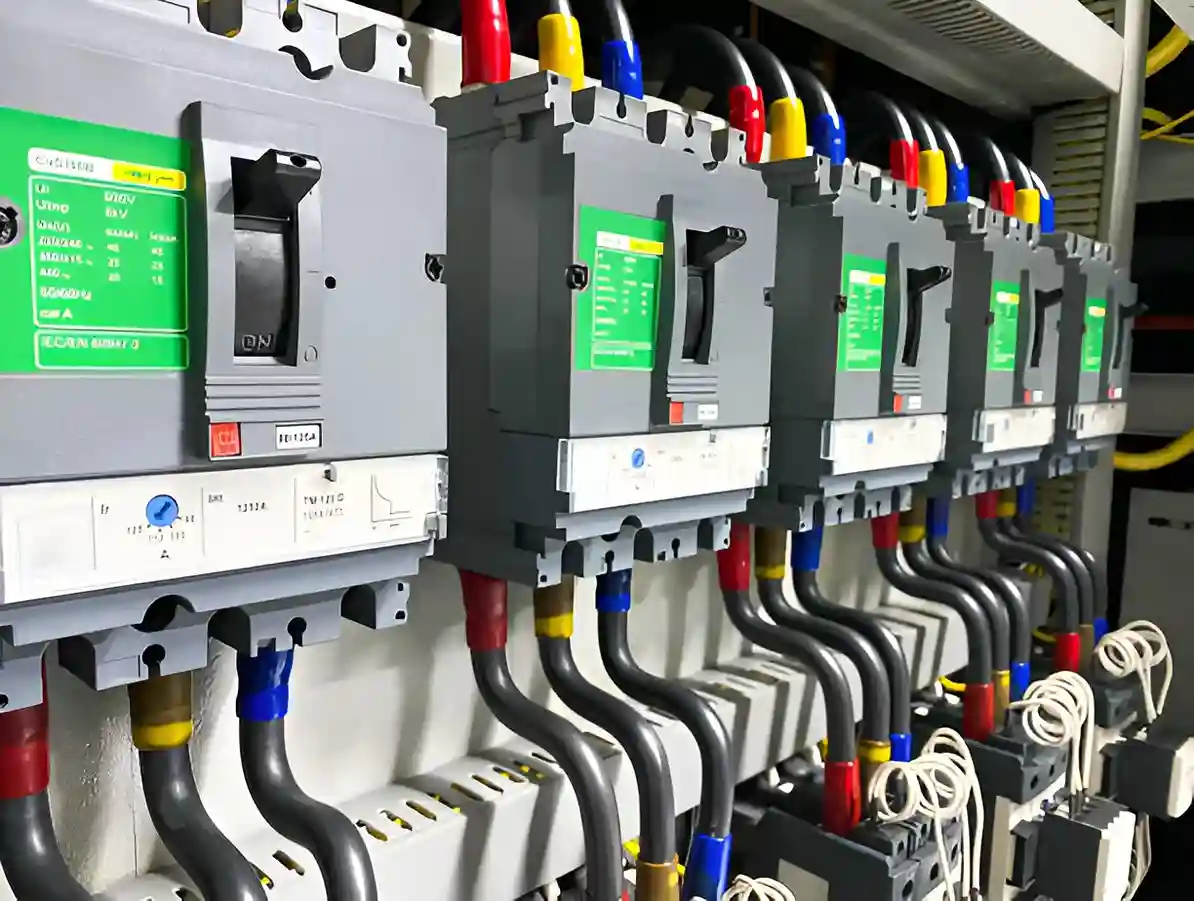
Prepare for the inspection because the process follows a strict technical sequence. You may wonder what the engineer checks first. You should expect a visual appraisal of exposed components. You may then observe instrument testing. Confirmation through readings that show earth continuity, insulation resistance values, polarity verification, and RCD operational performance.
Understand that the EICR industry standards are from BS 7671. You may question why each stage matters. You gain reliable data because each step isolates specific risks. You also gain a comparative baseline that helps future inspections. You should evaluate an example. A house may show adequate insulation resistance in most circuits, yet show a single low value on a lighting ring. You gain immediate direction to repair that area.
Why Should You Use a Qualified EICR Electrician
Choose a certified EICR electrician because electrical safety demands proven competence. It is important to know that NICEIC and NAPIT maintain strict assessment frameworks. also, avoid unregulated work that causes high failure rates, according to UK industry audits.
Recall that the final EICR report becomes a legal reference. Protect your position when a competent EICR signs it. Examine a clear scenario. A commercial office may require verification after a layout change. Precise advice is provided once a trained engineer evaluates load distribution patterns.
How Often Should You Schedule an EICR Electrical Test
Follow the recommended intervals to keep your property safe. Documented checks help rental flats maintain long-term electrical reliability. Homes generally require an EICR electrical test every five years under current rules. You may ask why frequency matters. Early detection of deterioration. You also avoid the disruption that arises from unexpected electrical failures.
Understand that commercial buildings often require more frequent assessments. Using inspection trends to forecast future needs improves operational planning accuracy. cycles with occupancy changes or appliance upgrades.
What Can You Expect Inside an EICR Report
Expect structured technical data inside your EICR report. The document covers observations, coding, and recommendations. Ask how the codes operate and receive clear direction from four categories. C1 means immediate danger. C2 means urgent corrective work. C3 suggests improvement. FI means further investigation.
You should consider an example for clarity. A retail unit may show exposed live parts in a segment of trucking; a C1 outcome acts immediately. checked documentary evidence that you acted responsibly.
It gives a clear overview of key EICR report sections for easy understanding:
| Visual Condition Check | It provides surface-level observations on cable wear and exposed parts |
|---|---|
| Circuit Integrity Test | It confirms continuity and stability across key circuits |
| Insulation Resistance Test | It offers numerical values that indicate deterioration |
| RCD Performance Test | It shows how fast protective devices respond under fault simulation |
| Coding Summary | It outlines C1, C2, C3 and FI action points |
| Final EICR Report | It delivers structured documentation that supports compliance |
How Does an EICR Electrical Test Improve Property Value
The property buyers prioritize verified safety. Knowing that a home’s electrical load increases over time supports proactive maintenance decisions. A positive EICR electrical test result increases confidence. Market research indicates that compliant installations reduce negotiation delays in over 30 percent of transactions. Greater reliability in long-term operational costs.
A building with stable circuits consumes energy efficiently, reducing maintenance frequency. Ensure resilience against electrical breakdowns.
Why Does an EICR Electrical Test Benefit Tenants
Recognize that tenants depend on a consistent electrical supply. EICR test reduces risks in high-use areas. You provide safe lighting, sockets, and protective devices also prevent issues that cause fire risk or appliance damage.
It’s a common example. A rented property may have ageing wiring behind plaster assurance when the EICR test highlights dated rubber insulation. Before an incident occurs.
What Problems Can an EICR Electrical Test Reveal Early
You should anticipate several typical faults with early insight into
- Loose terminations
- Damaged insulation
- Overloaded circuits
- Incorrect polarity
- Defective protective devices
UK building surveys show that over 18 percent of older properties contain deterioration that owners never detect without intervention, reducing downtime.
How Does an EICR Electrical Test Help During Renovation
Should integrate an EICR test into any renovation plan and an accurate baseline before work begins, and avoid unsafe additions that conflict with existing wiring.
You must consider a kitchen upgrade. High-load appliances may exceed safe limits. You gain clarity once testing confirms suitable circuit allocation.
Why Should Landlords Prioritize Regular EICR Tests
To treat safety as a central obligation? It is important to know that landlords face regulatory checks and ask how the EICR electrical test helps. You gain demonstrable compliance. You also show responsible management.
Tenant surveys show that properties with a recent EICR test attract interest faster and a competitive advantage.
How Does an EICR Electrical Test Reduce Fire Risk
Fire authorities highlight electrical faults as a leading ignition source. An EICR electrical test involves systematic fault detection. The process verifies the performance of RCDs and breakers that prevent escalation.
A practical scenario illustrates the value. A corroded connection in a socket circuit heats up under load. Precise identification during testing prevents failure before ignition occurs.
What Are Common Myths About an EICR Electrical Test
Several misconceptions circulate about modern installations. Claims that new homes do not need assessments often appear, yet industry figures confirm that newer buildings experience wiring defects as well. Reliable insight emerges once actual inspection outcomes become the reference point.
Assumptions about visible appliances representing full safety remain inaccurate. Concealed cables contribute to many incidents, and only comprehensive testing exposes those risks.
How Should You Prepare Before an EICR Electrical Test
Following a few basic actions can prevent problems from escalating
- Provide access to all rooms
- Clear space around the consumer unit
- Inform tenants about temporary power interruptions
- Ensure that major appliances remain accessible
You gain a smoother workflow once preparation reduces delays. You also improve test accuracy.

Why Does Documentation Matter After an EICR Electrical Test
Accurate documentation from an EICR electrical test has long-term value because it provides verified evidence of electrical safety at a specific point in time. A report functions as a technical record that supports compliance during regulatory checks and tenancy disputes. A clear timeline of inspections helps owners track how conditions evolve across circuits, consumer units, and protective devices. Consistent record-keeping strengthens accountability and reduces uncertainty when future issues arise.
A practical scenario highlights the importance of documentation. A landlord facing a tenant complaint after an unexpected outage can present a valid EICR report that confirms compliance before the event. That document establishes proof that the installation recorded measurements reveal where system performance is gradually declining, coded observations indicate future risks that may require phased upgrades. Strong documentation, therefore, protects property value, legal standing, and operational safety.
How Can an EICR Electrical Test Support Long-Term Planning
Long-term planning benefits from clear insights produced through an EICR electrical test because inspection data highlights future upgrade priorities. It is important to know that phased improvements reduce sudden expenses in many properties, according to industry studies. A structured roadmap forms once test results reveal patterns of deterioration across circuits and accessories. C3 observations often indicate areas that require future rewiring or load redistribution. Strategic scheduling also aligns upgrade work with occupancy changes and operational needs. You should ask direct questions
- What faults hold high priority
- What circuits require closer monitoring
- What timeline supports future inspections
Clarifying technical points leads to more informed decisions. You also strengthen professional transparency.
Why Quick Action Matters in an EICR Electrical Test
progresses faster in older installations with weakened insulation without a clear warning. Data from safety authorities identifies overloaded circuits as a major cause of property fires, and early assessment reduces exposure to that risk. Legal compliance strengthens once faults receive quick attention, and timely testing supports safer operation across all key circuits. Rapid scheduling prevents hidden issues from rising into major failures that disrupt tenants and damage installations. A qualified team can offer guidance and essential details without entering cost discussions, and quick engagement ensures that electrical protection remains consistent across the entire property.
Frequently asked questions.
Conclusion
By reviewing the EICR electrical test, you see the true condition of the installation and any developing faults. defects requiring intervention, highlighting how essential the process is for long-term safety and stability. The assessment supports stronger protection across every type of property. The inspection highlights faults that remain hidden in everyday use and provides clarity that supports informed decisions about upgrades and corrective action. The EICR test operates as a proactive rather than a simple technical formality. A qualified engineer provides structured evidence in the EICR report, and that documentation strengthens compliance during regulatory checks or tenant concerns about electrical performance. Improved reliability increases property value and reduces disruption across occupied spaces. Long-term benefits emerge once routine inspection cycles remain consistent. It is important to act without delay and prioritize safety across all electrical systems.