
The city requires strong protection against fire threats in both residential and commercial properties. Fire Alarm Installation in London provides early detection, timely alerts, and regulatory compliance to safeguard buildings of varying sizes, occupancy, and use. Fire Alarm Installations London services follow British Standards and local fire authority guidance to ensure safety and reliability. Home fire alarm installation in London often uses interlinked smoke, heat, and carbon monoxide detectors, reducing injuries and improving detection efficiency. Commercial properties, especially those exceeding 2000m², need scalable systems. Fire Alarm Installation London supports offices, retail spaces, warehouses, and hospitality sites with zoned or addressable systems. System reliability is maintained through Fire Alarm Inspection London, offering routine testing, fault checks, and compliance verification. Regular inspections reduce false alarms and system failures. For tailored advice on Fire Alarm Inspection, professional consultations provide detailed guidance and solutions.
Key Takeaways
- Early detection provides occupants with more time to respond during a fire
- Systems must match building size, layout, and type of occupancy
- Interlinked detectors alert all rooms simultaneously in residential properties
- Zoned or scalable systems help commercial buildings identify exact fire locations
- Regular inspections keep alarm systems reliable and fully functional
- Professional installation ensures compliance with safety regulations and standards
- Scheduled maintenance reduces false alarms and system malfunctions
- Detailed records of inspections support audits and insurance verification
- Customized solutions are required for different property types and layouts
- Expert guidance ensures proper design, installation, and ongoing protection
What Is Fire Alarm Installation and Why Does It Matter in London
Fire Alarm Installation London describes the professional service involving the setup and configuration of a specialized equipment system intended to notify building occupants of the potential threat of a fire. Due to the nature of the building configuration and the high occupancy of the building, both residential and commercial structures located within the city are at a relatively high risk of experiencing a fire. The primary focus of Fire Alarm Installation London is to mitigate the risk of undetected fire by installing and configuring systems to provide detection and warning services through the integration of smoke, heat, and carbon monoxide detection sensors. The majority of home fire alarm systems installed in London employ a system of battery-powered smoke detectors and alarms connected by radio communication to a common triggering mechanism, allowing the system to provide evacuation warnings for the entire building. For Commercial Fire Alarm, the industry has primarily employed the use of addressable fire alarm systems, in which each triggering device is individually monitored, and the location of the alarmed device is displayed at the control unit. Fire statistics in the UK from the fire authorities show that since the emergency services’ arrival is delayed by the fire, buildings with a compliant fire alarm system are reported to have lower statistics on injury and damage. It is a legal requirement regarding fire safety in London that residential properties, commercial premises/ workplaces, and any communal buildings have working fire alarms. Fire Alarm Inspection to assist with compliance with the legal obligations is scheduled by London Fire Alarm Services to provide evidence of system checking and documentation. The absence of a compliant fire alarm system results in a higher safety risk, increased legal consequences, and increased complications with insurance. Fire Alarm Installation in London is a service that provides regulatory compliance, safety, and risk mitigation for buildings in London.
Fire Alarm Installation Legal Requirements in London
The installation of fire alarms in London is governed and guided by overriding legal and technical prescriptions meant to safeguard lives and possessions. All fire safety authorities in the UK are under the Fire Safety Order 2005, which places all legal responsibilities on the owners of the premises, employers, and landlords to have appropriate measures and systems in place to detect fire and its propagation. Fire Alarm Fixing
integrates expertise in the design and positioning of alarms with the fire risk profile of the premises and architectural layout and configurations. The British Standard BS 5839 Fire Alarm Systems provides the technical framework in which Fire Alarm is undertaken, including the positioning of the fire detectors, audibility of alerts, control, and monitoring of faults in the systems. Residential buildings demand the installation of fire and heat detectors in all evacuation routes and high fire risk rooms. London home fire alarm systems are mostly dependent on interlinked fire detectors to achieve optimal coverage. The commercial sector is usually under more stringent control due to the potential danger posed by high occupancy and the nature of the work being undertaken. Fire Alarm Installation in London tends to include in its design for offices and retail spaces Addressable systems, which can zone in on particular areas of a building and pinpoint where a fire has been activated. HMO properties and rental buildings have more responsibilities and, therefore, more duties. Obvious systems interlink, with an emphasis on upkeep of the systems, are a legal requirement. Fire Alarm Inspection provides evidence of ongoing compliance with the law by establishing a due fire alarm testing system and a due fire alarm reporting system. The law on fire safety provides enforcement in the area of fire safety compliance, and therefore, audits and insurance purposes, need to keep these documents, which are usually evidence of the legal performance and of the legal installation of the systems in place.
Types of Fire Alarm Systems for Homes and Offices
Fire Alarm Installation in London includes several system types designed to suit different property structures and risk levels. Wired fire alarm systems remain common in permanent buildings. These systems connect detectors through physical cabling, which supports stable performance and a consistent power supply. Fire Alarm Fitting projects often apply wired systems in offices, schools, and large commercial buildings where long-term infrastructure remains fixed. Wireless fire alarm systems operate through radio signals rather than cabling. Home alarm installations frequently use wireless systems in flats and heritage properties where structural changes remain limited. Industry fire safety data highlights strong adoption of wireless alarms within residential settings due to flexible placement and reduced disruption. Hybrid fire alarm systems combine wired control panels with wireless detectors. Fire Alarm Installation in London providers often recommend hybrid designs for mixed-use buildings or phased upgrades. The selection of the right system depends on building size, occupancy, and compliance needs. Fire Alarm supports a tailored assessment to match system type with risk exposure. Commercial environments often rely on addressable or hybrid systems for zoned alerts. Residential properties typically benefit from interlinked wireless alarms. Fire Alarm Inspection services ensure each system type continues to meet operational and regulatory standards across homes and offices.
Fire Alarm Installation Process Step by Step
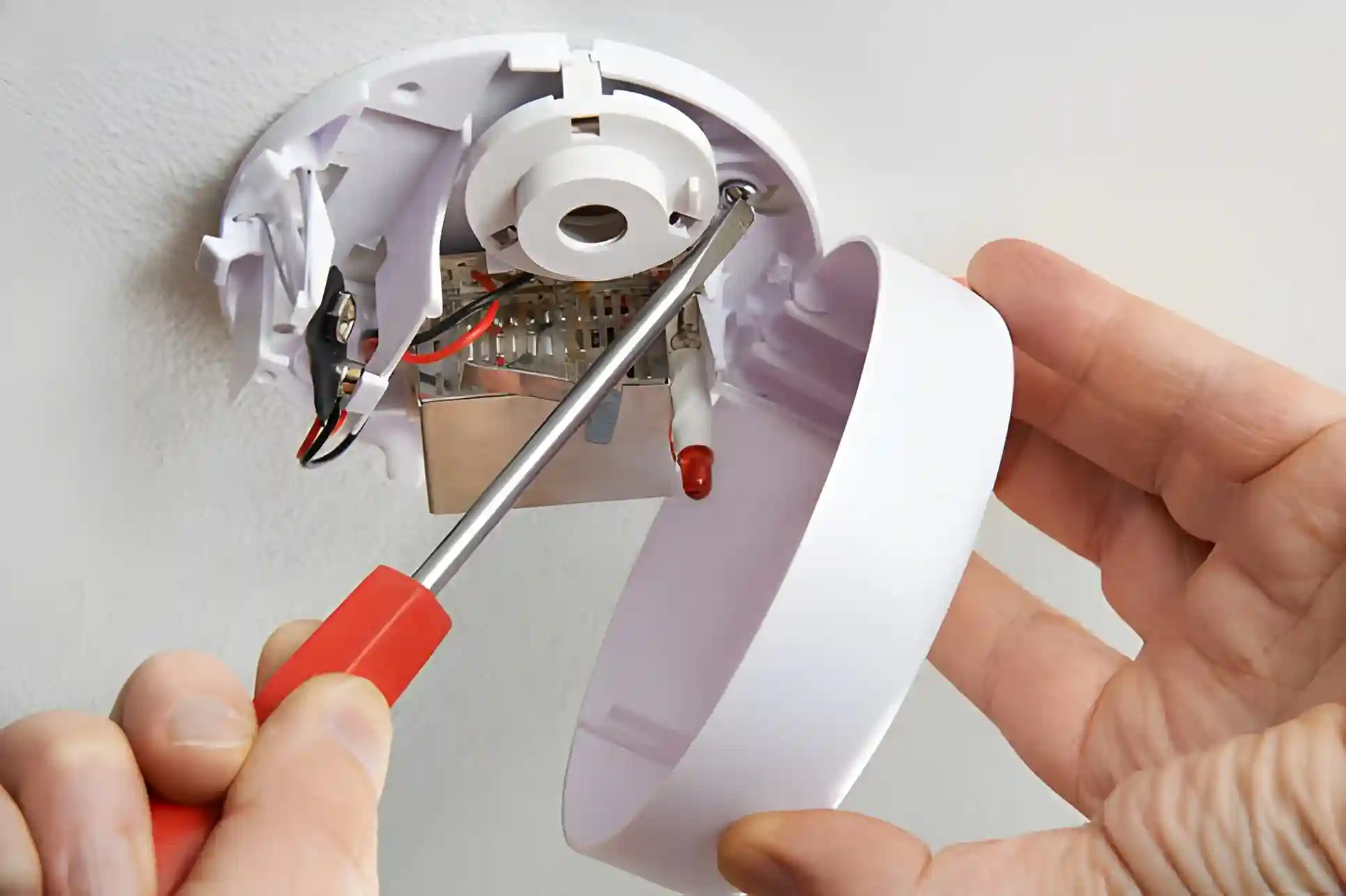
Fire Alarm Installation in London follows a structured process that supports safety, compliance, and system reliability. Each stage focuses on accuracy and transparency to build confidence before activation. The process begins with a detailed site survey and fire risk assessment. Property layout, occupancy type, escape routes, and potential ignition sources receive careful review. Fire Alarm Fitting specialists use this assessment to identify suitable detector locations and alert coverage. System design and planning follow the assessment stage. Fire Alarm Installation in London plans align with BS 5839 standards and local authority guidance. Residential layouts often require interlinked detection, while commercial environments benefit from zoned or addressable designs. Home fire alarm planning typically focuses on living areas, kitchens, and escape routes. Installation and wiring form the next stage. Fire Alarm involves fitting detectors, control panels, sounders, and power supplies based on the approved design. Wireless, wired, or hybrid methods apply depending on the property structure. Testing, commissioning, and handover complete the process. Fire Alarm Inspection procedures verify detector response, alarm audibility, backup power, and fault signals. Certification and system documentation confirm operational readiness. Fire Alarm Installation in London delivers a clear and methodical approach that supports long-term performance across homes and offices.
Fire Alarm Installation Cost in London
Fire Alarm Installation in London often raises questions about pricing structure and service scope. Clarity around influencing elements helps property owners and managers plan effectively. Several factors affect overall pricing. Property size, system type, building layout, compliance needs, and documentation requirements influence complexity. Fire Alarm services tailor system design based on residential or commercial use. Home fire alarm London setups usually involve fewer detection zones and simpler controls. Larger offices and commercial environments often require advanced panel interfaces and zoned alerts. HMOs and shared buildings carry additional duties that also shape the overall estimate. Fire Alarm Inspection London checks and certification schedules add planned periodic attention.
| Property Type | System Type | Scope Level | Typical Price Range |
|---|---|---|---|
| Residential flat | Wireless | Basic coverage | £300 – £600 |
| Residential house | Interlinked | Full coverage | £500 – £1,000 |
| Small office | Addressable | Zoned alerts | £1,000 – £2,000 |
| Large commercial site | Hybrid | Multi-zone system | £2,000 – £5,000+ |
Price ranges guide expectations and vary by site specifics. Structure, detector count, panel features, and access complexity all shape final figures. Fire Alarm Installation in London benefits from accurate assessment, compliant design, and scheduled Fire Alarm Inspection services. For tailored guidance aligned with specific property characteristics and a detailed quote, contact the professional team available for support.
Fire Alarm Maintenance and Ongoing Compliance
Fire Alarm Installation in London requires continuous care to maintain safety and regulatory alignment across properties. Fire Alarm does not finish after activation, as ongoing checks support reliable performance. Fire Alarm Fixing services follow structured maintenance schedules based on British Standards. Fire safety authority data shows higher failure rates where routine checks are absent. Fire Alarm Inspection services address this risk through systematic testing and documentation. Weekly checks usually focus on control panel indicators and visible faults. Monthly checks often include sounder tests and manual call point verification. Annual inspections involve a full system assessment against BS 5839 requirements. Home fire alarm London systems often require detector sensitivity review and battery condition checks, especially in residential settings. Commercial Fire Alarm Connection systems depend on professional servicing due to complex zoning and control panels. Maintenance differs from system replacement. Maintenance resolves calibration issues, wear, and minor component faults. Replacement applies where systems no longer meet regulatory or building needs. Fire Alarm Inspection records play a central role during audits and insurance reviews. Inspection logs, service reports, and certificates confirm lawful operation. Fire Alarm Installation in London, combined with structured maintenance, reduces false alerts, supports emergency readiness, and reinforces trust during compliance checks across homes and offices.

Wireless vs Wired Fire Alarm Installation in London
Fire Alarm Installation in London often involves a choice between wired and wireless systems based on building structure and compliance needs. Wired fire alarm systems use physical cabling to connect detectors, sounders, and control panels. Fire Alarm projects commonly apply wired systems in offices, schools, and large commercial properties where permanent infrastructure supports long-term use. These systems offer stable signal transmission and consistent power supply when installed correctly. Wireless fire alarm systems rely on secure radio communication between components. Home fire alarm London solutions frequently use wireless systems in flats, listed buildings, and retrofit projects where cabling presents disruption risks. Fire Alarm in London using wireless technology allows flexible detector placement and faster setup while still meeting regulatory standards. Comparison between wired and wireless fire alarms highlights practical differences. Wired systems suit larger buildings with fixed layouts and higher occupancy. Wireless systems suit residential and mixed-use properties with structural limitations. Fire Alarm Inspection London services support both options through testing and compliance checks. Selection of the best system depends on property size, usage, and legal obligations. Fire Alarm Installation in London benefits from a professional assessment to match system type with building requirements and safety goals.
Frequently asked questions.
Conclusion
Fire Alarm Installation in London supports safety, compliance, and long-term protection for residential and commercial properties. Structured system design, lawful setup, and routine inspections reduce risk and support effective emergency response. Fire Alarm London services align systems with BS 5839 standards and local authority expectations. Home fire alarm London solutions improve early detection across living spaces, while commercial systems support staff coordination and evacuation control. Fire Alarm Inspection London services maintain reliability through scheduled testing and documented checks. Professional installation and maintenance strengthen trust during audits and insurance reviews. For accurate guidance, system assessment, or tailored recommendations, contact the team to arrange a site survey or professional consultation.