Fire alarm system installation keeps rental homes safe and helps landlords avoid big legal problems. Many landlords get fines because they do not understand or follow safety rules. Bad planning causes missing spots in protection. Smoke detectors in the wrong places do not give early warnings. Fire alarm system installation must fit the building’s shape and the danger level in each home. Landlords sometimes forget shared places like hallways and stairs. Missing alarms in common areas cause problems with the rules. Commercial buildings need extra care. Shops, offices, and buildings with mixed uses need special systems. Not getting help from experts often makes the commercial alarm installation business cost go up because of fixes and changes later. Good planning at the beginning stops extra work and failed checks. Monitoring is also very important. Fire service alarm installation connects the system to firefighters. Slow warnings can cause trouble with the rules. Good records of checks and tests show you follow the rules. Landlords who keep clear records lower the risk and make a safer place for tenants.
Key Takeaways
- Fire alarm system installation protects lives and property with early warnings
- Correct grade and category selection keep the system compliant with safety rules
- Detectors must cover all rooms, corridors, and escape routes properly
- Commercial fire alarm installation needs planning for large or complex buildings
- Power supply and cabling must be installed correctly for reliable operation
- Fire service alarm connection alerts emergency responders quickly during a fire
- DIY or non-professional installation increases the risks of faults and legal issues
- Regular checks keep the fire alarm system installation working and reliable
- The fire alarm installation business cost depends on the system building size
- Professional installation ensures compliance, reduces risks, and strengthens safety
Why Incorrect Grade or Category Selection Leads to Non-Compliance
Wrong grade or category choice often causes failed checks and legal trouble. Many owners pick a system without looking at the full danger level of the building. Fire alarm system installation must use the right grade based on who uses the building and its shape. A low-grade system in a high-risk building makes big safety holes. Smoke detection may miss escape paths or high-risk spots. Fire alarm system installation that does not meet the rules can cause warnings from authorities and problems with insurance. Rental homes, shared houses, and business places each need special categories. Systems for saving lives are different from systems for saving property. Fire alarm system installation must show that difference. Wrong category choice often leaves weak spots without good protection. Inspectors look at detector places, control panels, and sound makers during checks. Not meeting the right grade often means expensive changes and fixes. A clear check before putting it in lowers the risk of breaking rules. Expert help makes sure the right category is picked. Proper fire alarm system protects people and gets full approval.
Common Placement Mistakes: Where Landlords Go Wrong with Detector Locations
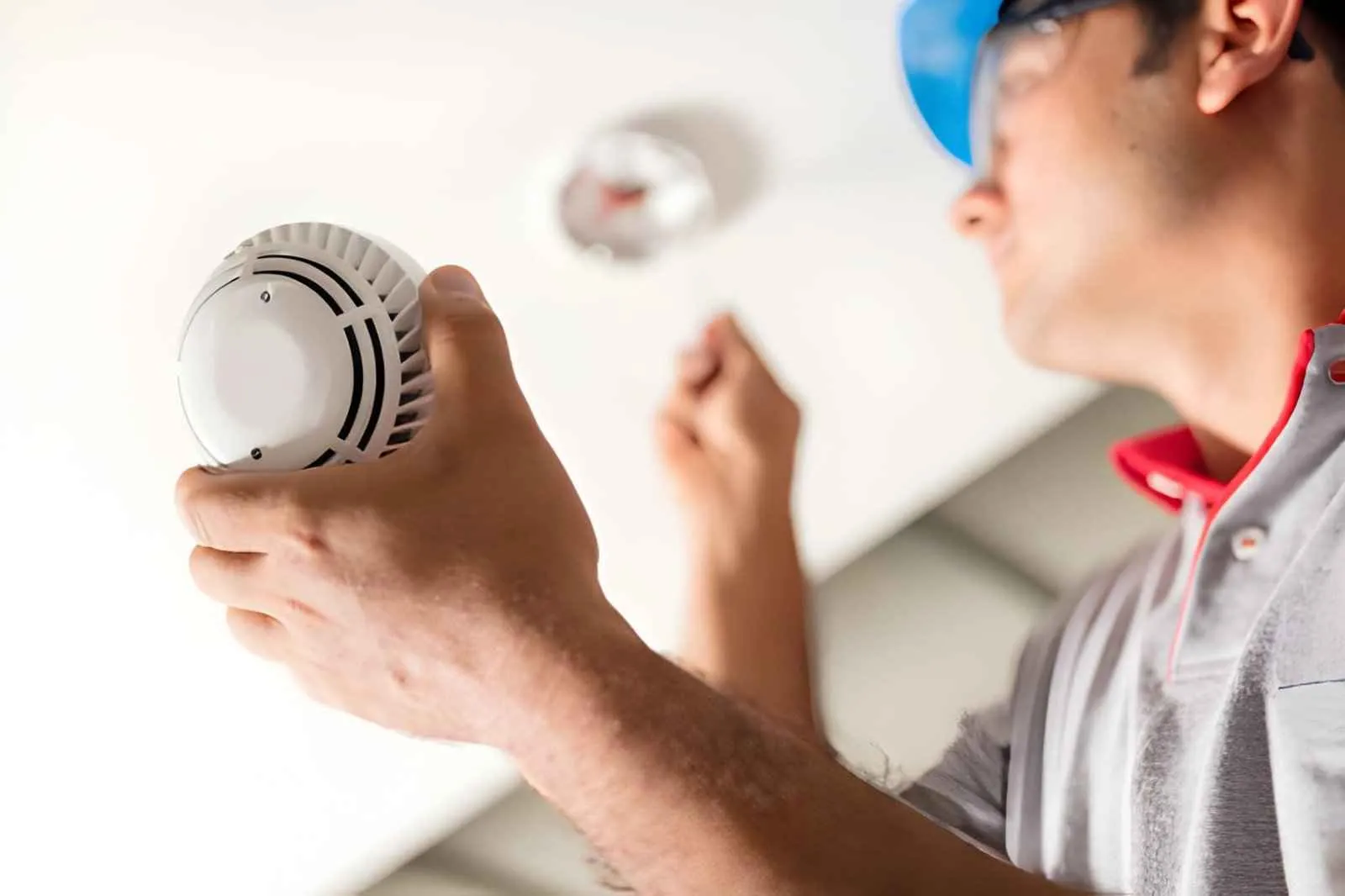
Many landlords make mistakes when choosing spots for smoke and heat detectors. Fire alarm system connection must think about the layout of each room, hallway, and escape path. Putting detectors too close to kitchens or bathrooms can cause false alarms. Leaving hallways or stairs without detectors puts tenants in danger. Fire alarm system installation works best when every danger spot gets good coverage, including living areas and shared spaces. Landlords often think one detector per floor is enough. That idea causes missing protection and rule problems during checks. Fire alarm must follow rules that say how many detectors and what type, based on ceiling height, room size, and who uses it. Missing coverage in shared areas like lounges, hallways, or storage spots raises the chance of slow warnings. Ignoring the maker’s instructions is another common mistake. Detectors have the best distances from walls, vents, and lights. Bad placement makes them less sensitive and slow to work in a fire. Fire alarm system installation needs careful planning so the sensors work properly. Expert checks and good mapping of detector spots stop expensive fixes, make people safer, and keep the rules.
The Risks of DIY or Non-Professional Fire Alarm Installation
DIY fire alarm may look like it saves money, but it has big dangers. Many owners do not know how much skill is needed for a good setup. Wrong wires, bad detector placement, and wrong panel setup all make the system weak. Fire alarm system installation must follow strict rules to give early warnings and keep people safe. Non-expert work often fails these rules, raising the chances of fake alarms or slow detection in a real fire. Bad installation also breaks fire safety rules. Authorities check every system for the right places, coverage, and how it works. Fire alarm system installation done without expert help can cause warnings and insurance trouble. Missing spots, no detectors in high-risk areas, or no link to monitoring lowers protection. Professional fire alarm system installation makes all parts work well together. Certified workers test the system, fix zones, and check links to emergency teams. Fire service alarm installation works smoothly and gives fast alerts when needed. Choosing non-expert ways raises risk for damage and injury.
Power Supply and Cabling Errors That Could Invalidate Your Compliance
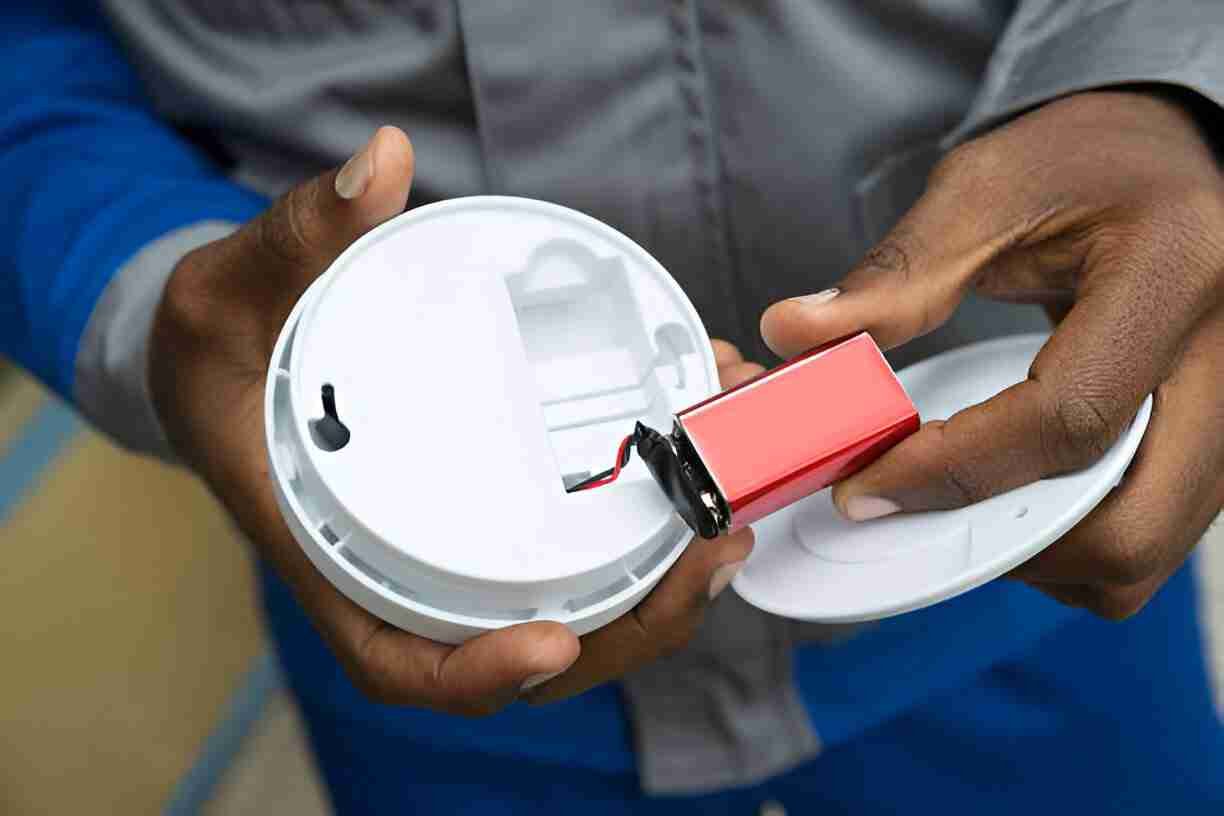
Power supply and cabling problems often make fire alarm systems fail checks. Fire alarm system installation needs correct wires, strong power, and good backup plans. Bad connections or cheap wires make the system less reliable and may stop alarms in a fire. In business places, commercial fire alarm installation needs careful planning so every detector, call button, and sound maker gets steady power. Bad wires or too many things on one circuit can raise fire risk. A wrong power setup can hurt fire service alarm installation and slow down alerts to firefighters. Systems without backup power may stop during blackouts and leave people unsafe. Landlords and owners often forget how important expert help is, leading to mistakes that break rules. The commercial fire alarm installation business cost may go up if fixes are needed after bad work. New wires, new panels, and extra tests add time and money. Good planning from the start lowers these risks. Certified workers make sure the power and wires are right during fire alarm system. They check connections, test how it works, and confirm links to monitoring. A good setup protects people, keeps property safe, and follows safety rules.
Managing Commercial Fire Alarm Installation Business Cost
Managing the viable fire alarm installation business cost needs good planning. Fire alarm system installation in business buildings depends on size, system type, and links to monitoring. Good planning stops extra work and gives reliable protection for people and things. Expert checks make sure rules are followed and lower the failure risk. Different systems and building sizes change the commercial fire alarm business cost. The table below shows rough price ranges to help plan money. Exact prices come from a certified team.
| System Type | Property Size/Use | Typical Cost Range |
|---|---|---|
| Basic Conventional System | Small offices or shops | £500 – £1,500 |
| Addressable System | Medium to large commercial | £1,500 – £5,000 |
| Integrated System with Monitoring | Large commercial or industrial | £5,000 – £12,000 |
Fire alarm system installation with professional guidance ensures safety, reliability, and regulatory compliance.
Overlooking Sound Levels and Coverage in Multi-Room Rentals
Many multi-room rentals have problems when the fire alarm system installation does not consider sound levels and coverage. The fire alarm system must make sure every room gets clear and loud warnings. Bad coverage raises the risk of injury or slow escape in a fire. Some landlords only put detectors in hallways or shared spaces. That leaves private rooms and small areas without protection. Fire alarm installation needs planning to reach all areas, like kitchens, bedrooms, and storage. Forgetting good coverage also breaks safety rules. Inspectors check that alarms can be heard all over the property. Fire alarm system installation that fails these rules may get warnings or insurance trouble. Expert checks make sure detector placements and sound levels meet rules. Good planning stops expensive changes later. Fire alarm system installation with the right coverage and loudness keeps tenants safe and follows all rules.
Skipping Proper Testing and Commissioning After Installation
Testing and commissioning are very important steps after fire alarm installation. Skipping them can make the system unreliable and break rules. A fire alarm system is not done until every detector, sound maker, and control panel is tested, like in a real fire. Just looking is not enough to know it works. Commissioning makes sure alarms react correctly, wires work, and backup batteries turn on when needed. Skipping checks raises the risk of failure in an emergency. Fire alarm system installation also needs records of each test for rule following. Without records, landlords may get fines or insurance problems. Expert testing finds wire problems, weak sound, and wrong connections. Every alarm must be checked in every room to make sure it works. Commissioning lets workers fix sound levels, zones, and panel settings. Fire alarm system installation without testing can fool people into feeling safe. Certified installers follow strict steps for full work and rule following. Regular care after commissioning keeps it working and compliant. Proper testing and commissioning finish the job, so the alarm protects property, people, and money well.
Documentation and Certification Oversights Landlords Frequently Make
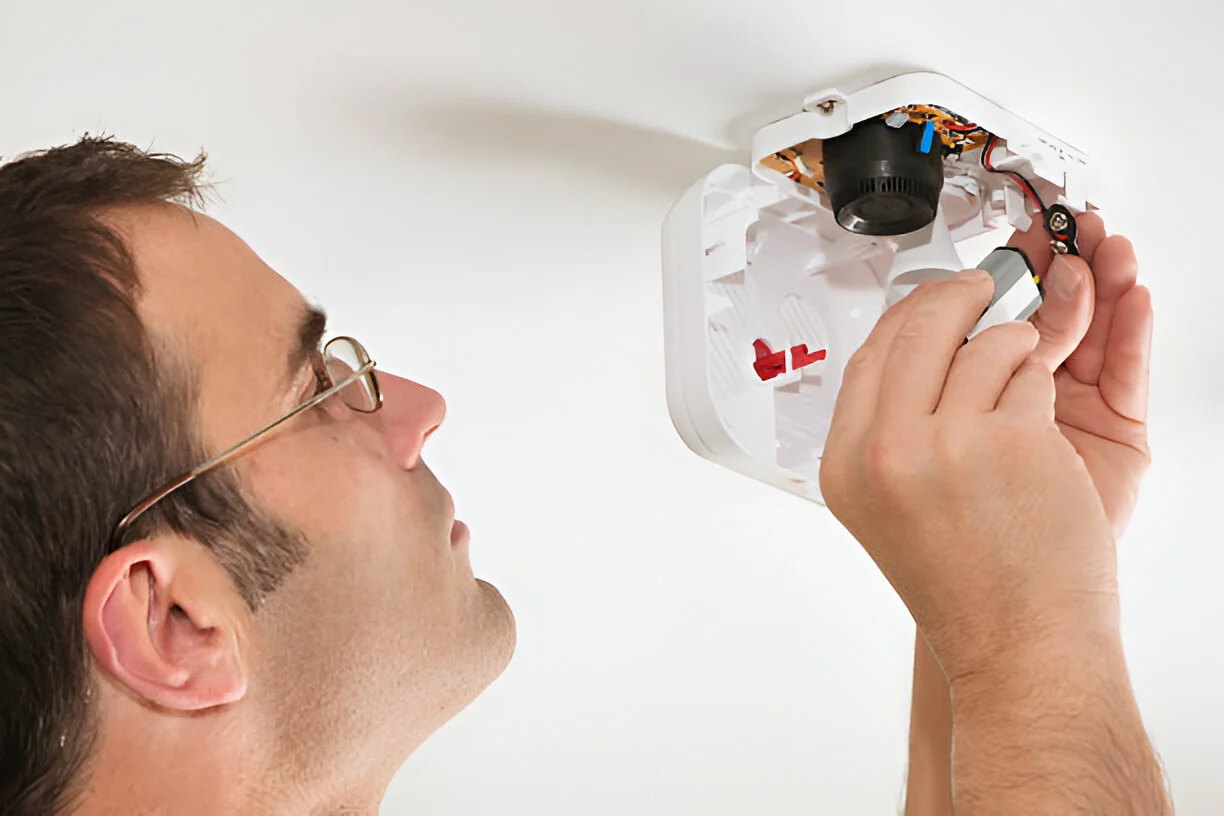
Many landlords recognize putting in a system, but forget about proper documentation. Fire alarm gadget setup is only effective when supported by correct data. Logs of assessments, renovation, and inspections prove compliance with safety regulations. Missing or incomplete documentation can result in enforcement notices, fines, or coverage troubles even though the machine capabilities correctly. Certification is another aspect frequently unnoticed. Fire alarm machine installation calls for a certificate that verify paintings became completed by qualified professionals. Landlords now and again depend upon informal confirmation rather than reputable paperwork. Without legitimate certificates, authorities can also query the machine’s reliability. Maintenance information also plays a key role. Fire alarm gadget set up calls for everyday exams to ensure detectors, sounders, and panels continue to be operational. Overlooking ordinary checking or failing to replace facts reduces machine credibility. Inspectors evaluate these logs to confirm compliance. Clear documentation supports emergency planning. Records of detector places, device zones, and control panel capabilities help body of workers and tenants understand processes. Professional fire alarm machine installation includes steering on creating and retaining correct records. Keeping all office work prepared guarantees clean inspections, strengthens safety, and protects each occupant and assets.
Frequently asked questions.
Conclusion
Fire alarm system installation is very important to protect people, property, and business. Good planning makes sure detectors, panels, and sound makers cover every spot well. Commercial fire alarm installation needs care about system type, building shape, and links to monitoring. Mistakes in placement, category choice, or wiring can cause rule problems and raise the marketable fire alarm installation business cost. Fire service alarm fitting adds more safety with fast alerts to firefighters. Regular care and expert checks keep the system working and following rules. Making fire alarm system installation a priority lowers dangers, protects tenants or workers, and keeps properties safe and legal. Paying for professional and careful installation is the best way to stop fires, cut losses, and feel calm.