Protect Property with a Fire Risk Assessment Certificate
Landlords face significant responsibilities when it comes to fire safety in rental properties One overlooked risk can increase into serious incidents causing damage, damage, or legal complications A Fire Risk Assessment Certificate provides formal documentation of fire safety compliance and highlights areas that need attention before risk become critical The certificate evaluates escape routes, alarm systems, fire doors, and other safety measures, creating a clear record of compliance and accountability Maintaining an up-to-date certificate protects tenants, reduces liability, and lowers the chance of fines or insurance issues Property managers benefit from structured risk mitigation, demonstrating a commitment to safety and proper governance A simple risk assessment tool can help determine the level of fire risk within a property By entering details such as property type, number of floors, and occupancy, a color-coded risk indicator can show Low, Medium, or High levels Visual aids and short graphics can illustrate risk areas, making it easier to understand potential dangers Over 30% of rental properties inspected reveal at least one serious fire risk, emphasizing the importance of a proper Fire Risk Assessment Certificate Regular reviews and proactive action ensure tenant safety, maintain compliance, and provide peace of mind while supporting responsible property management.
Key Takeaways
1. Regular fire safety checks help spot risk early and prevent serious incidents
- Detailed documentation supports compliance and proves responsible management
- Early identification of risks allows timely corrective actions to protect people and property
- Professional evaluation ensures thorough reporting and uncovers hidden risk
- Assessments may miss critical safety issues, increasing potential risks
- Clear action plans guide occupants and staff during emergencies effectively
- Periodic reviews maintain the effectiveness of safety measures over time
- Structured guidance simplifies safety responsibilities across all properties
- Accurate records ease inspections and audits while demonstrating proactive management
- Continuous monitoring improves safety and builds confidence among occupants
Fire Safety Compliance Roadmap for Landlords
The Fire Safety Compliance Roadmap for Landlords addresses the compliance steps required for the efficient operation of Landlord’s Fire Safety London.
Step 1: is property-specific legal obligation identification. Addressing legal requirements proactively moderates the risk of enforcement.
Step 2: The scheduling of a Fire Risk Assessment Certificate, which is conducted by a qualified assessor. Assessments identify the presence of risk and measure the effectiveness of the current fire detection and suppression systems.
Step 3: The quick remediation of all identified risks. The maintenance of fire doors, the servicing of blocked escape routes, the updating of the fire alarm systems, and the assessment of emergency lighting are actions required of tenants in advancing the compliance required for the safety of all occupants.
Step 4: The retention of the Fire Risk Assessment Certificate and associated documents from the fire assessment, which must be organized. Well-maintained documentation evidences the required compliance and proactive practices of Landlords Fire Safety London.
Step 5: The lauded periodic risk assessment is required to be ongoing in nature. The interactivity of the roadmap is essential to its design, with each of its compliance steps being clickable with supplementary aid engraved within each step. The application of this Roadmap design guarantees Fire Safety Compliance London; the safety of all occupants, and the insulation of all buildings from non-compliance lawsuits. The retention of that documentation evidences compliance rather than a mere theoretical proposition.
Hidden Fire Risks Landlords Often Miss
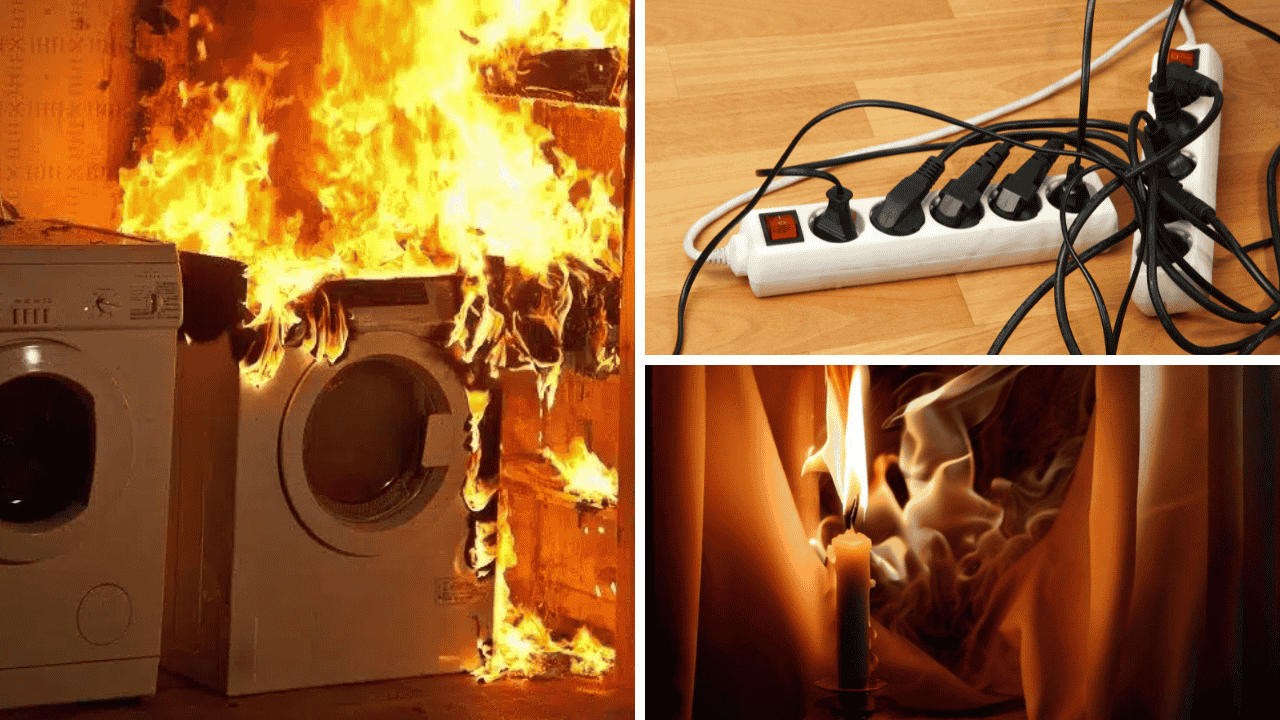
Safety and regulatory compliance hinge on identifying fire risks in rental properties. Fire risks and fire hazards are often less apparent in basements, storage rooms, and around electrical panels. Cluttered storage rooms, improper electrical work, and escape routes that are blocked can create unrecognized risk. Detailed assessments that issue Fire Risk Assessment Certificates can pinpoint and document these areas of compliance risk. Hotspot indicators on interactive building maps can assist landlords in prioritizing and addressing their focus on critical risk areas. Electrical fuse panels, basements that are shared and have poor air circulation, and storage rooms that are shared are some of the most common fire risk hotspots. Mitigation is possible and practical; keep pathways unobstructed, fire detection systems should be internal, inspections should be systematic, regular, and unannounced, and there should be proper functioning emergency lighting. Fire Safety Compliance London and Landlord Fire Safety London standards require proactive management by assigning the responsibility of ensuring clear monitoring. Small details left unaddressed can increase the risk to occupants, as can fire watch notices to responsible parties. Fire Risk Inspection London ensures that assessments are executed to meet compliance, manage challenges, and maintain practical systems for ongoing fire safety management.
Fire Risk Assessment Certificate Renewal Planner
To sustain commercial property safety and compliance, ongoing property safety and compliance require regular reviews. Revision of assessments is necessary due to changes in building disputes, occupancy, or rules. Changes to fire safety law and document updates require hazard assessments and control changes to comply, changes to tenants, and re-evaluation of fire safety law updates. Landlords can add interactive timelines for compliance to legally manage assessments and re-evaluation. Each increase from re-evaluating and fire safety law changes to document updates reduces the possibility for enforcement action and the risk from increased occupancy. Landlords can manage to legally plan. During re-evaluation, verifying fire detection system is functional, the escape route remains unobstructed, and the emergency lights are working. Timely land planners can comply with managing risk and demonstrating fire safety due diligence. Combined timelines mitigate to manage operational expectations by legally planning to eliminate. Updating from major property changes sustains and maintains fire safety risk. Efficient risk assessments manage to legally sustain all compliance requirements.
How Fire Risk Assessment Impacts Landlord Insurance
Landlords must have compliance documents, including a valid Fire Risk Assessment Certificate, to meet their insurance compliance. Insurance companies request documents related to fire safety to approve a policy and mitigate risk. Buildings lacking an updated certificate have trouble with policy applications. Where Fire Safety Claims are made, and fire safety measures are unverified, fire safety claims are made by the insurance company. Full Fire Safety Compliance in London indicates that the property owner has taken the necessary steps to mitigate risk and helps demonstrate proactive fire safety management to the insurers. Disputes are less likely to arise from Fire Risk Inspections London and thorough documentation. Good landlord fire safety practices and a Fire Safety Assessment London in hand to mitigate risk, fire safety measures, and create permanent documents for the insurance company. Properties without fire certificates and claims made for outdated, fraudulent documents have had fires (cases are available and prove the point). Insurance claims denial has created enormous financial and legal problems. The Good Landlords who hold claims or have updated certificates are able to renew their insurance without problems. The Good Landlords have certificates and are therefore able to integrate Risk Assessments into their ongoing property management, ensuring that their tenants have peace of mind in their buildings.
Step-by-Step Guide to Booking a Fire Risk Assessment Certificate
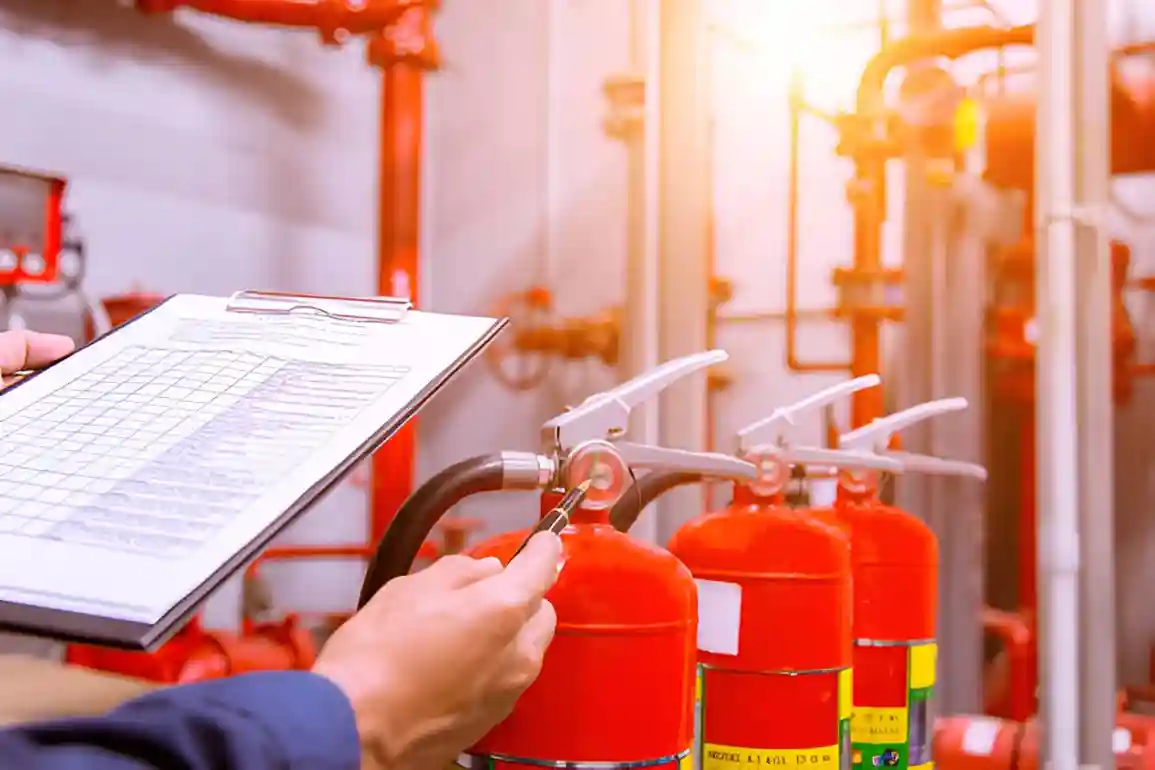
A written record showing the occupancy and any structural modifications made to the premises in the recent past will also contribute to efficiency in the assessment. During the inspections, the fire risk assessor will have to check all the parts of the buildings, but his or her focus will be on the potential fire risk. In such a process, the assessor has to examine the available fire safety systems and fire-safe openings, escape routes, and test the fire alarm for operational effectiveness. In assessing fire risk, the trained fire risk assessor will also bring to the attention of the record of the structural report, which identifies all the risks, recommends actions to be taken to be compliant, and those that do not need action to be taken. Fire safety improvements will be required, and the fire risk assessor will have to ensure that the fire risk assessment certificate is retained for obtaining fire safety structural documents. The fire risk assessment certificate can be used to demonstrate that fire safety documents have been prepared for insurance and legal purposes. In understanding the complete process, property managers can utilize video walkthroughs or instruction manuals to assist in understanding the process. Keeping documents up to date will help fire risk assessors know that the premises are up to fire safety standards and are also inspection-ready.
Fire Risk Assessment Certificate for HMOs: Everything Landlords Must Know
It is of utmost importance to address fire safety obligations when managing an HMO. Written evidence of assessing danger levels is incorporated into the Fire Risk Assessment Certificate. Building with multiple dwellings has its own difficulties, as loss of life is the greatest risk due to the density of residents, common escape route sharing, and high traffic in shared facilities. Blocked hallways or exits that are hard to read during an emergency create an untenable situation in which safety cannot be ensured. Fire alarm systems designed to meet Fire Safety Assessment London requirements must be installed on every floor and in all shared areas of the building. Regular maintenance and scheduled testing are the responsibilities of the landlords and are essential to continued functionality. There are common danger points identified during Fire Risk Inspections that fire detection systems, as well as emergency exits and safety lights, do not cover. Fire Safety London lets landlords in similar situations share and record evidence of their actions, which must be kept up to date for each building. Following the Fire Safety Compliance London guidelines, there is assurance that both tenants and landlords will not face unnecessary risk. Compliance tasks, such as the interactive infographic checklists, that are made available to landlords make it easier to stay up to date with their responsibilities.
Interactive Cost Estimator for Fire Risk Assessment Certificates
An Interactive Cost Estimator for Fire Risk Assessment Certificates aids in effective planning for property owners and managers. Users input their property’s size, type, and occupancy to produce a result with a definable range, offering better comprehension of what the assessment will require. The differences in professional assessments are highlighted. They may be quicker and simpler, but they carry the risks of incomplete evaluation, missed risk, and non-compliance. Certified professional assessors deliver fully compliant, risk-thorough reporting and ensure adherence to Fire Safety Compliance London standards. The estimator provides a comparison of outcomes and demonstrates how professional services reduce risks identified during Fire Risk Inspection London and improve Landlord Fire Safety London practices. Overlooking common issues, such as escape route adequacy, fire door locations, and emergency lighting positioning, is addressed by professionals. Results appear instantly, showing the benefits of a thorough assessment. Interactive features guide users through data collection to avoid confusion. The interface includes buttons, sliders, and input fields to enhance usability. Booking services is seamless after completing the estimation. The tool supports effective decision-making, promotes proactive management, and ensures that properties maintain high fire safety standards consistently.
Frequently asked questions.
Conclusion
The documentation of fire safety management needs an organized system. A Fire Risk Assessment Certificate is a legally defensible document that illustrates compliance as well as prospective fire risk. Engaging professional assessors minimizes the chances of regulatory noncompliance because they conduct comprehensive evaluations, write more accurate reports, and control regulatory compliance more efficiently in the aspects of their work. Resources such as interactive estimators and other comparative tools enhance the accuracy of end-user decision-making and clarify the differences between self-service and professional/regulated assessment services. Regular exercising of assessments and maintenance of the records control system activities. Keeping accurate records illustrates due diligence and helps protect the occupants while also aiding in retaining compliance over an extended period. Effectively prioritizing proper assessment practices is the basis of ensuring that structures remain safe and that all of their duties are fulfilled on time.