Fire risk management remains a legal responsibility for landlords across the UK rental sector. Fire incidents continue to rise in shared and multi-occupied housing, according to Home Office fire statistics. Repeated enforcement reports confirm that preventable failures appear in properties without structured fire oversight. Landlord accountability continues throughout property occupation. Fire safety service regulation places responsibility on the designated holder, not on tenants or contractors. National fire authority guidance confirms that failure to maintain protective systems exposes landlords to enforcement action. Professional fire safety inspections involve support for consistent risk identification and documentation control. Government audit summaries show improved compliance levels where awareness increases early. Structural complacency remains an inspection fail. Fire safety certificate oversight plays a critical role in reducing enforcement exposure and tenant harm. Fire incident assessments frequently highlight delays caused by incomplete assessments. Updated records demonstrate due diligence during fire authority investigations. Fire safety awareness within rental selections supports long-term property resilience. Contacting a competent team provides clarification on compliance scope and regulatory expectations.
Key Takeaways
- Legal responsibility stays with the landlord for the entire period the property remains occupied
- Previous inspections or safety papers do not guarantee current fire compliance
- Shared spaces such as stairwells and corridors increase fire risk and inspection focus
- Changes to room layout or number of occupants require updated safety reviews
- Basic visual checks often fail to identify hidden or structural fire risk
- Clear and up-to-date records support smoother outcomes during official inspections
- Delays in responding to safety notices raise the risk of enforcement action
- Insurance claims depend on proof of proper fire safety management
- Tenant injury can result in serious legal and financial consequences
- Regular and proactive safety analyses help maintain long-term compliance
Why Fire Safety Is Commonly Overlooked in Rental Properties
Fire risk buildings with maintenance and tenancy demands in rental housing. Many landlords underestimate the legal exposure associated with overlooked risk. Statistical assessments from local councils show repeated breaches in private rental inspections. Fire safety planning often receives delayed attention due to misjudged priorities. Enforcement officers continue to identify missing documentation and incomplete reviews during routine visits. Management housing audits confirm knowledge gaps remain widespread. Fire safety desertion often traces back to mistaken beliefs about tenant responsibility. Fire order guidance clarifies that responsibility remains with the accountable person. Time pressure contributes to incomplete risk evaluation across selections. Fire safety inspections increase inspections on shared areas and escape routes. Direct oversight supports regulatory confidence. Fire safety service adherence reduces disruption during inspections. Fire authority summaries confirm properties with regular checks show fewer deficiencies. Regulatory compliance strengthens risk control across occupational cycles. Professional input ensures systematic risk coverage.
Common Mistakes Landlords Believe About Fire Safety Rules
Common assumptions undermine regulatory alignment across rental properties. Many property owners believe certification alone confirms safety. Fire safety compliance requires continual review beyond paperwork. Fire authorities publish repeated clarifications correcting those beliefs. Another common assumption links installer responsibility to future risk control. Fire safety requirements remain active regardless of previous approvals. Assumptions regarding tenant awareness often delay risk reporting. Fire safety service guidance confirms tenants rarely identify covered risks. Fire incident investigation reports highlight similar patterns nationwide. Incomplete coverage of the updated assessment exposes landlords to penalties. Fire safety assessments account for occupancy and property use changes. Housing safety surveys confirm persistent misunderstanding persists across private rentals. Structured reviews correct misinterpretation early. Professional oversight replaces assumption with verified evidence. Fire safety service guidance supports lawful decision pathways and inspection readiness.
High-Risk Fire Safety Errors Found in UK Rentals
Fire authority casework across the UK continues to highlight repeated patterns of noncompliance in rental properties, particularly within HMOs and shared buildings. Inspection data published by local councils confirms that many failures are from informal safety management rather than deliberate desertion. Fire safety inspections frequently uncover missing documentation, outdated assessments, and unresolved issues from earlier notices. Fire safety service gaps appear most often in properties without structured oversight, where assumptions replace verified checks. National safety reports associate weak oversight with higher incident severity, especially where compartment breaches, alarm faults, and blocked escape routes remain unresolved. Fire safety service intervention supports systematic correction by aligning inspection findings with regulatory expectations. Authorities consistently report that DIY fire checks fail to identify concealed risks such as damaged fire-stopping or inadequate detection coverage. Fire safety inspection requires measured evaluation based on current use, tenancy patterns, and building layout. Properties that undergo occupancy changes or internal alterations often retain outdated assessments, which increases enforcement risk. Fire authority notices frequently reference missed reassessment triggers following room divisions or tenancy increases. Treating compliance as a one-time task also contributes significantly to failure outcomes. device degradation, door integrity loss, and emergency lighting decline appear repeatedly in enforcement data where review schedules do not exist. Fire safety service planning addresses those risks through periodic reassessment and documented follow-up. Regulatory audits confirm that structured compliance methods reduce enforcement exposure while improving tenant protection. Fire safety service consistency also strengthens inspection confidence and insurer acceptance. For clarification on inspection readiness or documentation alignment, contacting a qualified team supports corrective action and long-term compliance stability.
When a Fire Safety Service Is Legally Required
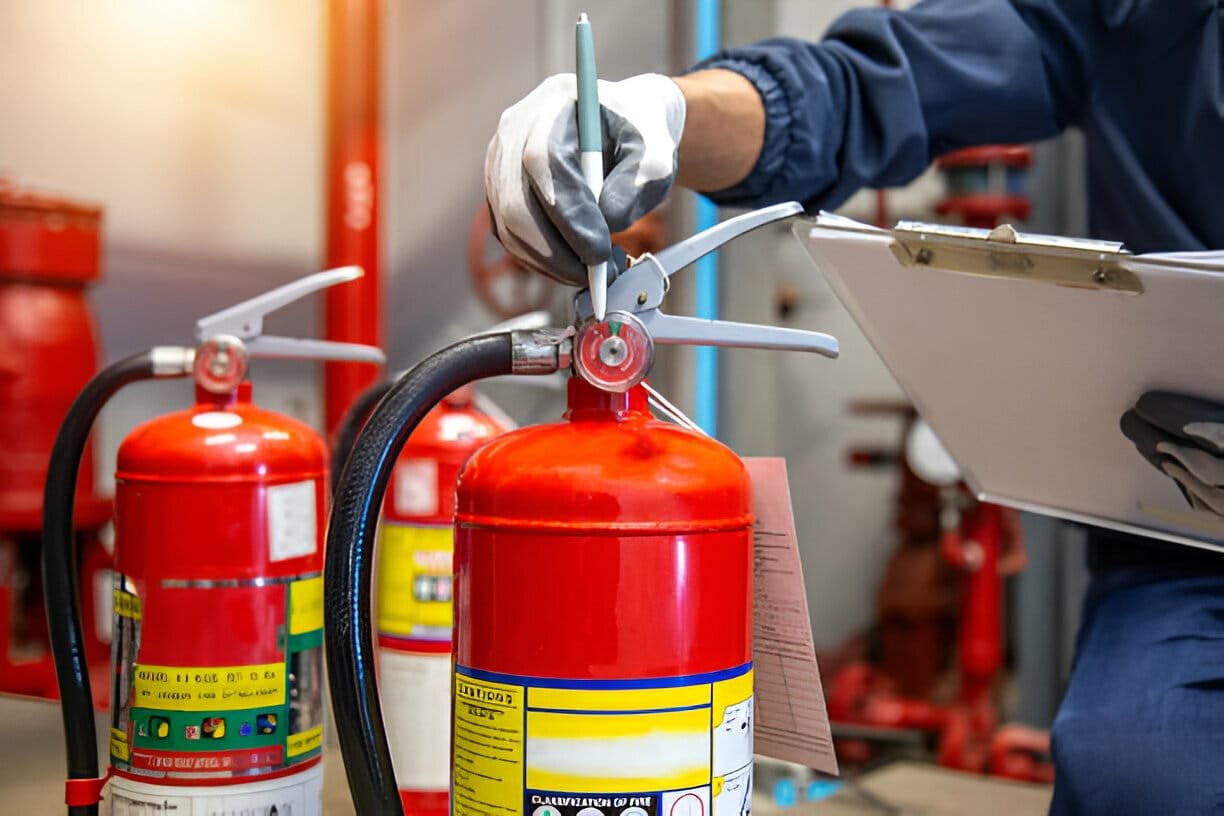
Fire safety requirements in many rental homes across the UK. Legal rules do not depend only on property size. Law focuses on shared risk and building use. Fire safety checks were common areas. Shared stairs, corridors, or entrances trigger assessment responsibilities. The need for fire safety services depends on how occupants live and use the building. HMOs, blocks of flats, and shared houses face a higher risk. Government enforcement data confirms these properties receive more inspections. Fire authorities review escape routes, alarms, and shared spaces during visits. Fire safety service support helps meet legal rules and inspection expectations. Responsibility even without intent or past approval. Building use matters more than ownership type. Property changes also trigger new review needs. Electrical upgrades and renovations increase fire risk. Safety reports link rewiring work to later incidents without reassessment. Fire safety expects updated records after work completion. Missing reviews often lead to formal notices. Professional review confirms systems meet current standards. Fire safety service records show active care and responsibility. Clear documentation supports inspection outcomes and continuing compliance. Fire safety service guidance also helps landlords understand responsibility limits and next steps.
What Inspectors Check During a Fire Safety Inspection
Inspection criteria follow national fire authority guidance and approved safety standards across the UK. Fire safety inspections focus on how well risks are controlled within occupied buildings. Inspectors check records to confirm accuracy, relevance, and update history. Escape routes receive close attention due to their direct impact on life safety during emergencies. Prior enforcement history often increases inspection depth and scope. Clear documentation demonstrates awareness and responsible management. Fire safety service preparation supports smoother inspection outcomes and fewer corrective actions. Alarm systems remain a primary focus during visits. Inspectors test sound levels, detector position, and system response across all key areas. Interlinked alarm operation receives verification to confirm full coverage. Maintenance logs must show regular testing activity. National fire incident data links alarm failure to increased injury rates. Fire doors and compartment walls also receive review. Inspectors check door closure, frame gaps, and smoke control integrity. Escape paths must remain clear and protected. Inspectors assess illumination levels and battery backup reliability. Poor visibility during incidents appears frequently in investigation reports. Fire safety service documentation supports compliance recognition and inspection confidence. Regular fire safety inspections help demonstrate care and legal readiness.
Serious Outcomes Landlords Face After Fire Safety Failures
Fire safety failure leads to serious outcomes for rental property owners across the UK. Regulatory action rarely stops at verbal warnings. Fire inspections often increase after repeated failure or missing follow-up actions. Fire safety service weakens any defense during an investigation or court review. Enforcement notices often follow inspection findings tied to life risk severity. Delay after notice receipt increases enforcement pressure. Prosecution records frequently reference documented action and poor oversight. Fire safety inspection also affects insurance protection. Insurers review compliance history after incidents. Claims face rejection where assessments remain outdated or incomplete. Industry claim reviews confirm frequent denials linked to inspection failure. Fire safety certificate records help demonstrate active responsibility management and policy adherence. Tenant injury further increases exposure. Investigation teams seek accountability records after harm events. Civil claims often cite missing assessments and absent review schedules. Health authority data confirms successful legal outcomes against noncompliant landlords. Consistent planning reduces those risks. Fire safety visit supports safety evidence and liability control.
How a Professional Fire Safety Prevents These Issues
Professional support plays a key role in reducing fire risk across rental properties. Early risk review helps identify problems before inspections take place. Fire officers often confirm that many violations could have been avoided through timely assessment. A professional fire safety inspection identifies risk linked to alarms, escape routes, fire doors, and shared areas. Those risks often remain hidden during informal checks. Structured reviews also consider building use, occupancy type, and recent changes. National safety reports show fewer enforcement actions where early review exists. Clear identification of issues supports corrective action before deadlines apply. Another benefit involves reporting quality. Inspectors expect clear and accurate records during visits. A professional fire safety service provides written reports that outline risks in simple terms. Reports also include practical action plans with clear priorities. That structure helps landlords track progress and address issues in the correct order. Fire authority guidance supports the use of professional documentation during inspections. Properties with clear records often face fewer follow-up visits. Remedial planning also supports communication with contractors and managing agents. Each action links directly to a risk point. That approach reduces confusion and delay. Strong reporting and early review create better outcomes for compliance, tenant safety, and long-term property management.
Choosing a Fire Safety Service Without Overpaying
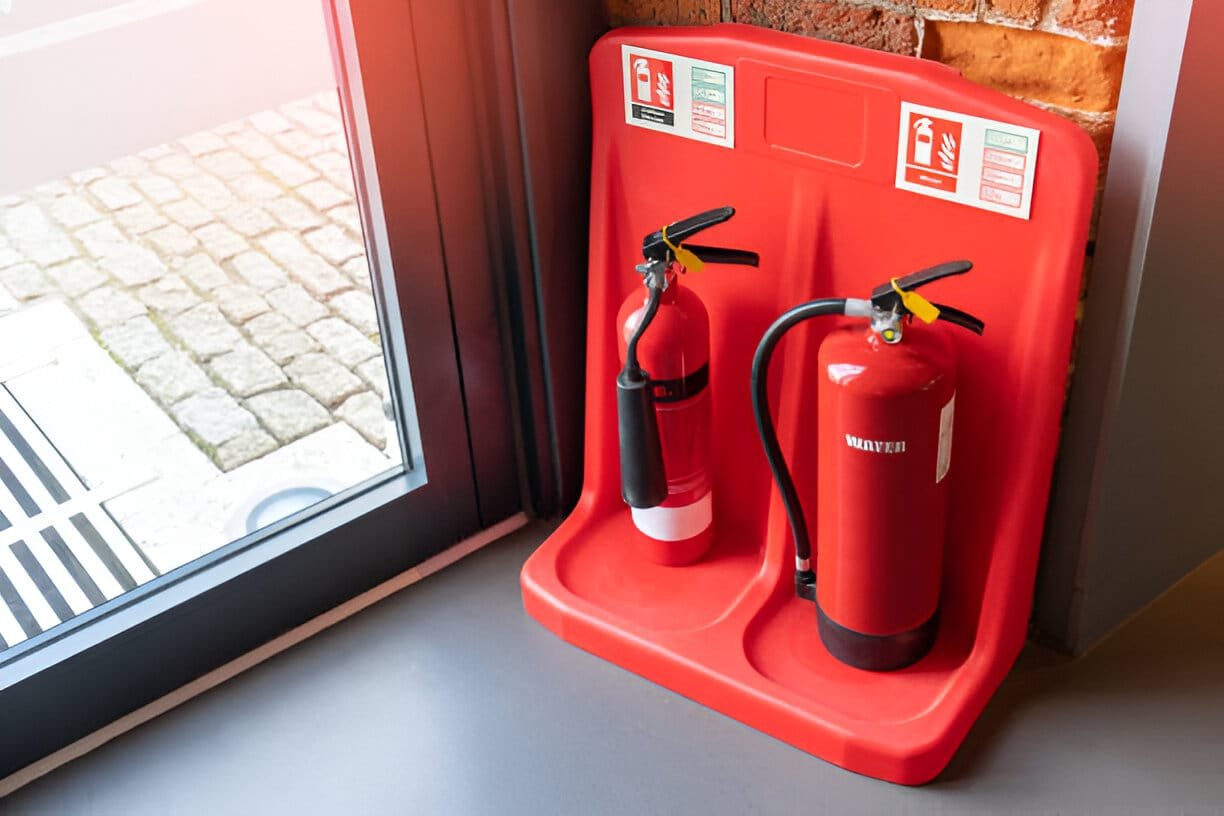
Selecting the right provider requires careful review rather than quick decisions. Many landlords face confusion due to inconsistent service scopes. A professional fire safety professional should focus on legal coverage and documented evidence. Fire authority guidance states that inspection readiness depends on clarity and competence. A valid appointment includes a full site review, written findings, and clear next steps. Fire safety inspection depends on accurate risk identification rather than surface checks. The proper assessment scope should reflect building type and occupancy. A recognized provider explains requirements and limits without pressure. Fire safety certificate documentation should align with current regulations and inspection expectations. Transparency builds confidence and avoids unnecessary add-ons. Industry surveys show stronger compliance outcomes where service scope matches legal need. Qualified providers reference recognized standards and inspection criteria. Reports include clear action priorities instead of unclear notes. That structure supports follow-up planning and inspection response. Fire safety often raises questions about uncertain records. Warning signs appear when providers avoid written confirmation or legal references. Clearing credentials raises concern. Possibilities of instant approval also indicate risk. Fire authorities do not accept shortcuts. Fire safety service choice should emphasize competence and clarity. For verification or scope review, contacting a qualified team supports informed decisions and avoids future issues.
Frequently asked questions.
Conclusion
Fire safety survey remains a continuing requirement for every landlord. Regulatory expectations continue to tighten across the UK rental sector. Fire safety inspections focus on real risk rather than past approval. Consistent review helps prevent enforcement action and protects occupants. Fire safety service planning supports lawful action and inspection readiness. Clear records demonstrate accountability during authority review. Ignoring risks often leads to penalties and insurance complications. Fire safety service involvement reduces uncertainty and supports corrective action. Proactive compliance strengthens property resilience and tenant trust.