Understand that fire regulations are now under stronger pressure across all property sectors. Authorities increase inspections and stricter enforcement. Face higher expectations around documentation and accountability. A fire safety report now acts as a primary compliance record. Regulators depend on that document to confirm the responsibility. Legal exposure rises after incidents. Financial impact follows through enforcement action, insurance disputes, and operational disruption. Reputational damage then affects trust, leasing confidence, and investment appeal. Landlord, carry direct legal responsibilities. As a property manager, you control daily safety measures. As an investor, protect long-term asset value. As a contractor, you influence site conditions as a consultant and advise on compliance strategy. It is a fire safety checklist that simplifies responsibility across all roles. The checklist breaks complex rules into clear actions. The checklist supports routine review and accountability. A fire safety report built through a fire safety report reduces oversight risk. Fire safety compliance becomes easier to manage when structure replaces assumption.
Key Takeaways
- Safety records must reflect real building conditions, layout, and daily use at all times.
- Clear responsibility helps avoid confusion, delays, and missed safety actions.
- Regular review ensures protection measures remain effective as conditions change.
- Any change in occupancy, structure, or use requires prompt documentation updates.
- Routine checks help detect hidden risks before problems increase.
- Accurate documentation supports smooth inspections and confident audit outcomes.
- Professional guidance strengthens decision-making in complex or high-risk settings.
- Shared areas require coordinated planning and clearly defined control measures.
- Proactive safety management lowers exposure to legal and operational consequences.
- Active documents support daily safety decisions rather than one-time compliance.
Who is responsible for fire safety compliance?
It is the fire safety responsibilities that fall on specific responsibility holders under the law. Accountability depends on ownership, control, and day-to-day management of buildings. The responsible person’s fire safety role is wherever people live, work, or access shared areas. Private landlords and new property investors carry direct responsibility for occupied dwellings. Legal requirements for common areas, escape routes, and shared facilities. Fire safety responsibilities include risk identification, control measures, and record maintenance. Authority over maintenance and access creates shared accountability. Fire safety responsibilities cover routine checks, contractor coordination, and documentation control. The responsible person’s fire safety role often transfers through a written agreement, which makes clarity essential. Commercial property owners and housing associations keep responsibility for larger and more complex environments. Multiple occupants increase exposure. Fire safety responsibilities extend across structural features, alarm systems, and emergency planning. A fire safety report supports coordination across departments and tenant activity. Facility managers and compliance officers manage daily safety operations. Oversight of maintenance schedules, inspections, and staff awareness places operational responsibility at this level. Fire safety responsibilities require constant alignment between physical conditions and documented controls.
Where do electricians and safety consultants fit in?
Electrical contractors help reduce fire risk in buildings. Poor wiring and overloaded circuits often cause fires. Trained electricians check electrical systems, test devices, and repair faults. Their work helps keep buildings safe. Inspection results also support fire safety reports and help make decisions based on clear evidence. Independent safety consultants also support fire prevention. These professionals provide an objective review of safety conditions. Experience with fire safety laws allows accurate risk checks and clear advice. Consultants help identify problems and set priorities for action. Support from experts proves especially valuable in large buildings or busy environments. Fire safety report best when roles remain clear. Each party must understand responsibility and limits. Clear records help track actions and decisions. Defined authority prevents confusion during reviews or emergencies. Professional advice strengthens control measures. Fire safety remains a shared responsibility, but one responsible person must always keep clear accountability.
What should the complete fire safety specification cover in every report?
A fire safety checklist is the basis of a fire safety report. Authorities expect clear details about risks, safety controls, and records. Fire safety report contents should match the real condition and daily use of the building.
Step 1: Fire risk identification: The identification stands as the priority. Sources of explosion, such as electrical systems, heating devices, and cooking appliances, require clear review. Fire sources, including furniture, storage materials, and waste areas, also require assessment. High-risk occupants or activities increase exposure and demand additional control planning.
Step 2: Means of escape and evacuation: Emergency exits must remain accessible and clearly marked. Escape route lighting supports visibility during power loss. Assembly points support safe accountability after evacuation and require clear identification.
Step 3: Fire detection and warning systems: Smoke alarms and heat detectors must match the property type and risk profile. Manual call points support early alert. Alarm testing records demonstrate ongoing reliability and support the fire safety report contents.
Step 4: Firefighting device provision: The firefighting device also requires a structured review. Fire extinguishers must suit the risk type, location, and coverage. Fire blankets support kitchen and high-risk zones. Usage guidance helps occupants and staff respond safely without unnecessary exposure.
Step 5: Electrical fire safety controls: Electrical fire safety remains a major control area. Fixed wiring condition requires periodic review. Portable appliance testing supports risk reduction across equipment use. Electricians provide inspection outcomes through EICRs, which feed directly into the fire safety report.
Step 6: Fire doors and compartmentation: Fire doors and compartmentation protect escape routes. Door condition checks confirm integrity. Self-closing mechanisms support automatic containment. Fire stopping and wall integrity limit fire spread across compartments.
Step 7: Documentation and record keeping: Complete inspection logs show oversight. Maintenance schedules confirm control continuity. Training and drill records support preparedness. Fire safety checklist accuracy strengthens every fire safety report.
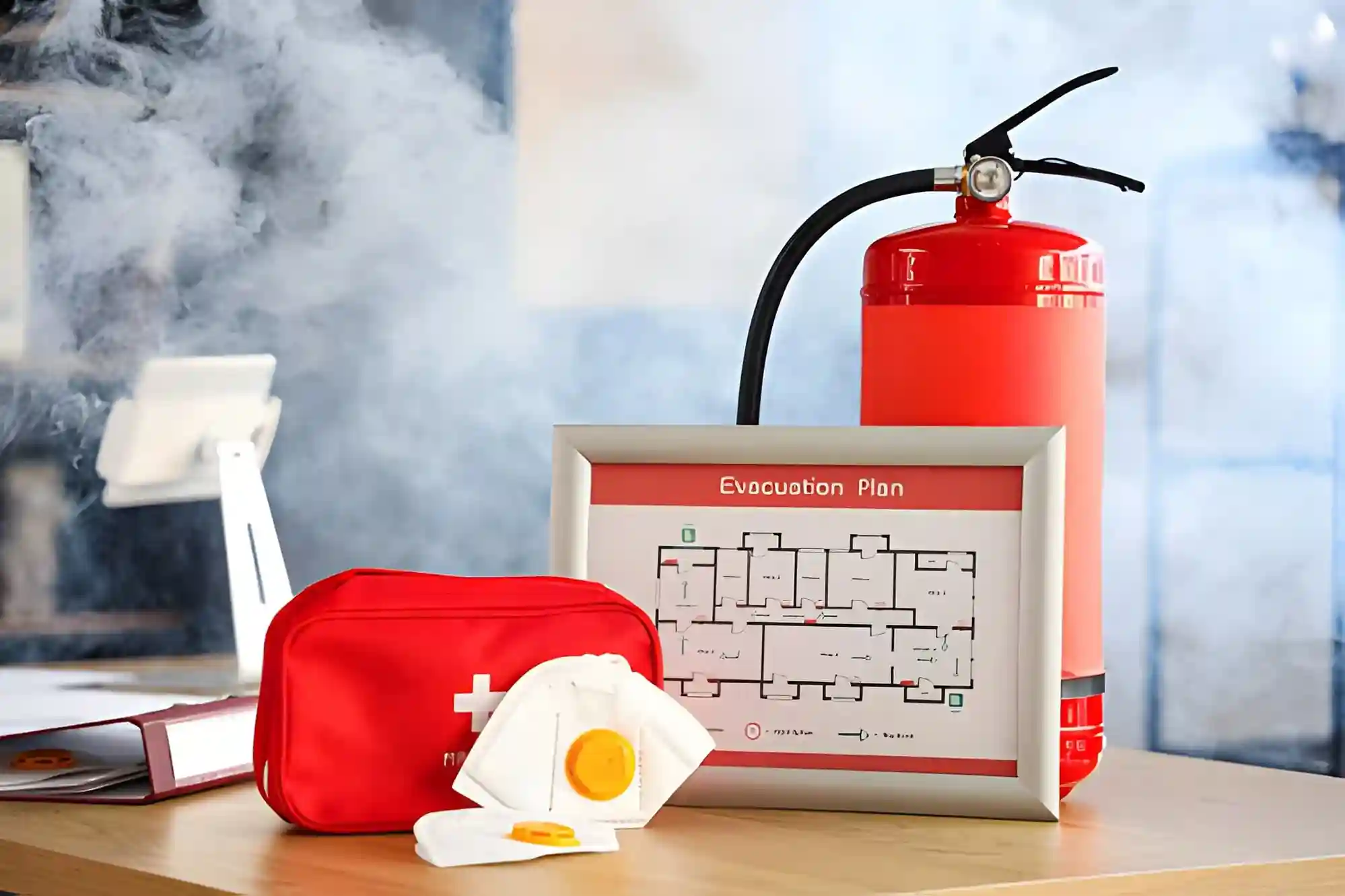
Fire Safety Checklist Summary
| Checklist Area | Key Focus | Evidence Required |
|---|---|---|
| Fire Risk Identification | Explosion and fire sources, high-risk areas | Risk notes, assessor observations |
| Means of Escape | Exit access, signage, and emergency lighting | Floor plan, lighting test record |
| Detection and Alarms | Smoke alarms, call points, testing | Alarm test log |
| Firefighting Device | Extinguishers, fire blankets | Service tag, inspection record |
What are the top mistakes that lead to fire safety non-compliance?
The fire safety compliance failures often stem from avoidable errors within documentation and review processes. One common issue involves outdated or generic reports that fail to reflect actual building layout, occupancy, or usage. Fire risk assessment mistakes often occur when templates replace site-specific evaluation. Another frequent failure relates to missing follow-up actions. Identified risks without recorded completion dates weaken compliance evidence and invite enforcement attention. Failure to review documentation after renovations, tenancy changes, or system upgrades also creates serious gaps. Professional input further increases exposure. Complex environments require technical insight that internal teams may not have. Electrical systems, fire doors, and detection layouts often need specialist review to ensure accuracy. A structured checklist approach reduces such risk. A checklist supports consistency across multiple properties by the same review logic at every location. Audits and inspections become easier when information follows a predictable structure. Fire safety compliance failures reduce when documentation remains current, actionable, and professionally informed. Fire risk assessment mistakes decline when responsibility, review cycles, and corrective actions remain visible within a single framework.
How Often Are Fire Safety Reports Checked
A fire safety report review must follow a defined schedule supported by ongoing oversight. Regulatory guidance often expects at least an annual review for most buildings. Annual reviews help confirm that control measures remain effective and that documented conditions match actual use. Fire risk assessment frequency increases in complex or high-occupancy environments where risk profiles change more rapidly. Routine checks of alarms, emergency lighting, fire doors, and escape routes support early issue detection. Continuous oversight does not replace formal review but strengthens reliability between scheduled updates. Certain trigger events require immediate review regardless of the annual cycle. Building alterations, layout changes, or renovation work can affect escape routes and compartmentation. Occupancy changes, tenant turnover, or operational changes also demand a quick update. Fire incidents, near misses, or enforcement feedback require urgent reassessment to maintain compliance. Best practice for landlords and facility managers involves clear review planning. Responsibilities must remain defined. Review dates should remain recorded. Professional input should support complex updates. A structured approach to fire safety report review reduces oversight risk.
How does a fire safety specification change for different property types?
Fire safety needs vary by building type, layout, and occupancy. A tailored approach supports stronger control and clear responsibility. Fire safety for landlords and managers improves when risks reflect actual use rather than generic assumptions. A commercial fire safety checklist must also reflect operational complexity. Residential rental properties require close attention to shared areas. Escape routes, stairwells, and entry halls must remain clear and protected. Fire detection within dwellings and communal spaces requires regular review. Fire safety for landlords also includes clear tenant guidance and documented maintenance. Commercial and office buildings involve higher daily occupancy and varied activity. A commercial fire safety report must address alarm coverage, emergency lighting, and staff response procedures. Electrical systems and device usage require regular inspection due to constant demand. Retail and mixed-use spaces combine public access with staff-only areas. Fire safety controls must separate customer areas from storage and service areas. Shared escape routes between residential and commercial units require coordinated planning. A commercial fire safety checklist helps maintain consistency across varied uses. Social housing and managed estates involve multiple occupants and long-term residency. Fire safety controls must cover communal corridors. Vulnerable residents may require additional planning and communication. Tailored fire safety reports help manage scale, diversity, and ongoing responsibility across large estates.
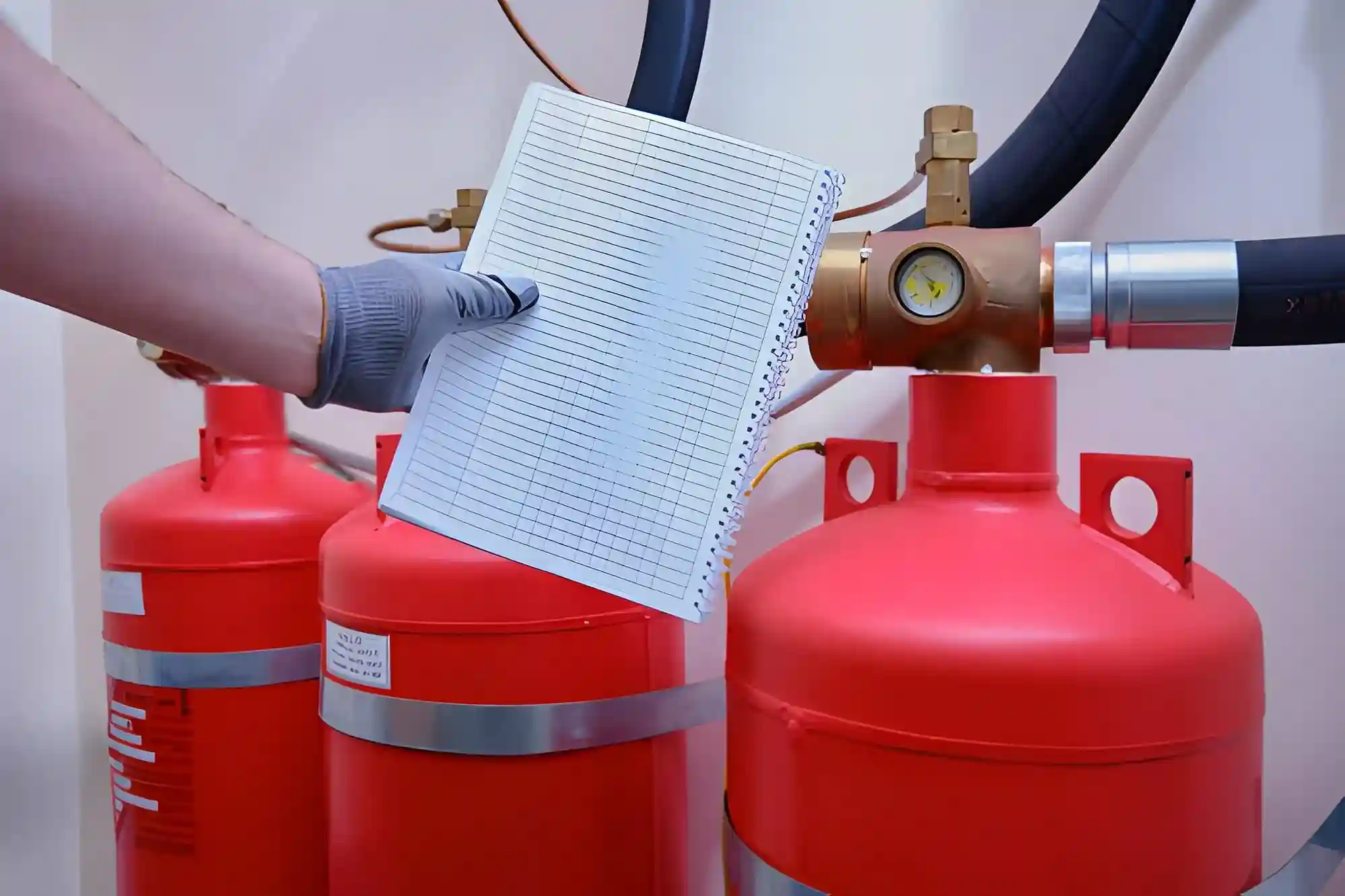
How a fire safety report protects property value and reduces liability
A clear fire safety report can help keep a property’s value high. Buyers and investors feel confident when safety risks are managed well. Fire safety report benefits include showing that alarms, fire doors, and escape routes are in place. This makes properties easier to sell or rent. Fire safety compliance also helps with insurance. Agents check fire safety records before providing coverage or handling claims. A good report shows that risks are controlled and can prevent problems during claims. This reduces financial stress and avoids disputes. Documented checklists are important to lower liability. They provide proof that inspections, maintenance, and staff or tenant training been done. During audits, sales, or after an incident, these records show that steps were taken to prevent fires. Regulators often use them to check compliance.
Up-to-date fire safety reports show responsibility and care for the property. They help reduce fire safety liability and protect owners from legal or financial problems.
In short, a detailed fire safety report supports property fire safety compliance, keeps value high, and lowers risks. Clear records make it easier for everyone to trust that fire safety is being properly managed.
Frequently asked questions.
Conclusion
A fire safety report works best when treated as a living checklist rather than a one-time record. A structured checklist approach keeps risks visible and actions clear. Regular review supports proactive fire safety management. Small issues receive attention before serious failure occurs. Clear documentation supports inspections, insurance review, and operational planning. A fire safety report also protects property value by reducing enforcement exposure and improving occupant confidence. Fire safety remains effective when records guide action, adapt to change, and support long-term risk control across all property types.