Gas Safety Certificate requirements often face misunderstanding across rental properties. Confusion usually appears around legal responsibilities, inspection scope, and documentation value. Gas Safety Compliance London often receives attention only after enforcement action or tenant concern. Such delays increase risk and reduce trust between property owners and occupants. Clear awareness supports safer homes and smoother property management. This guide targets landlords, property managers, and tenants who interact with gas appliances daily. Landlord Gas Safety responsibilities affect rental agreements, tenant confidence, and regulatory standing. Tenants also hold an interest since safety confirmation protects health and living conditions. Gas Safety Certificate London rules apply to boilers, cookers, pipework, and ventilation systems within rental properties. By the end of this article, clarity emerges around Gas Safety documents, requirements, and practical expectations. CP12 Gas Certificate documentation becomes easier to understand. Gas Inspection London processes gain relevance beyond compliance alone. Readers gain insight into overlooked responsibilities, inspection timing, and record handling. Strong awareness supports proactive Gas Safety Compliance London practices and reduces avoidable risks. Gas safety awareness strengthens accountability across all parties and reinforces responsible property standards.
Key Takeaways
- Every rental property must have a valid Gas Safety Record
- Landlord Gas Safety Certificate compliance protects tenants and property
- Inspections should occur every year without delay
- Only fixed gas appliances are included in the certificate
- Gas Safety Certificate London records must be stored and accessible
- Gas Inspection London helps identify early warning signs of faults
- Tenants have a right to receive a copy of the certificate
- Denied access must be documented and addressed promptly
- Proactive safety management reduces risk and prevents emergencies
- Registered Gas Safe engineers are the only professionals authorized to issue certificates
What Inspectors Focus on During a Safety Check
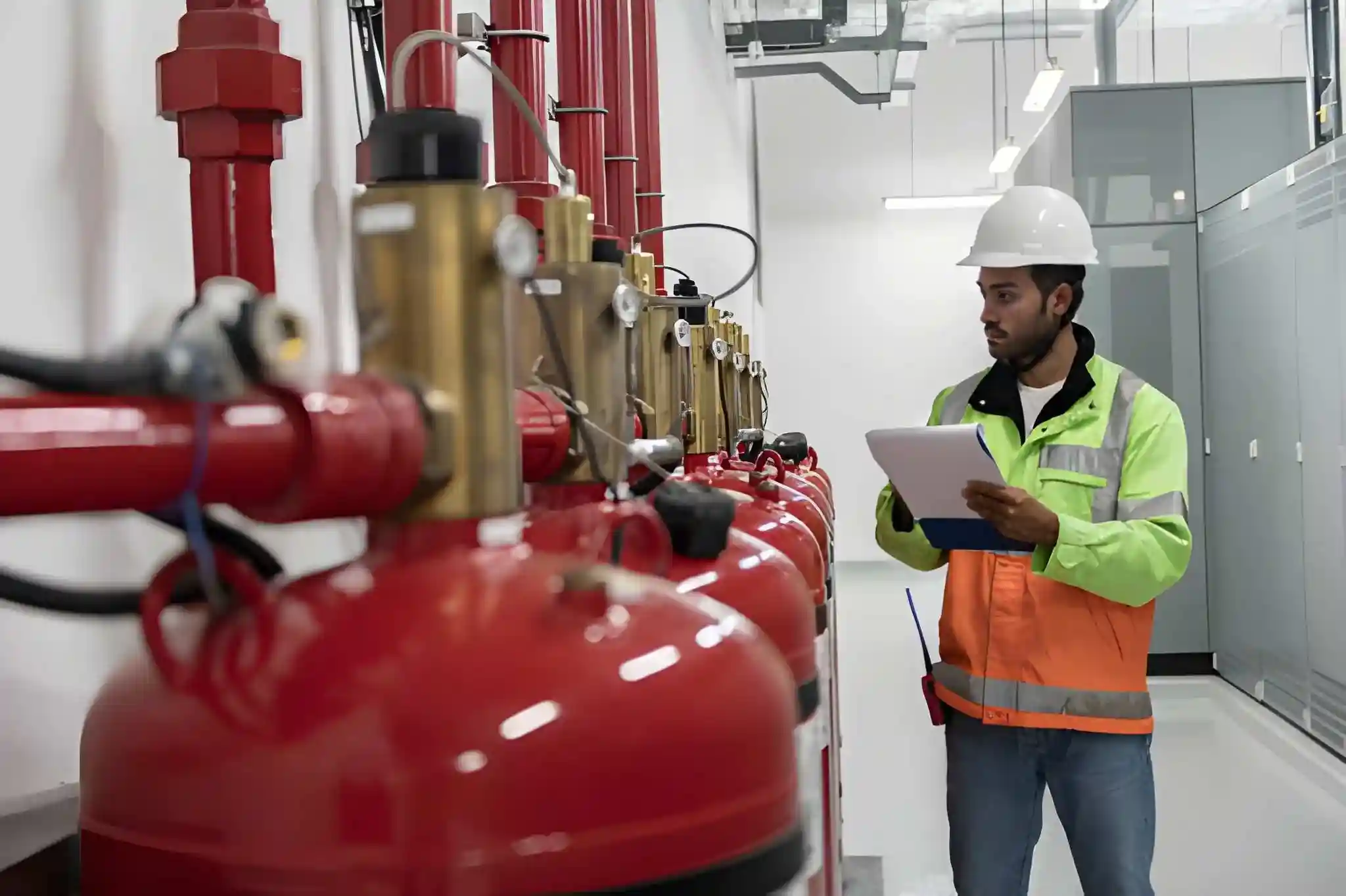
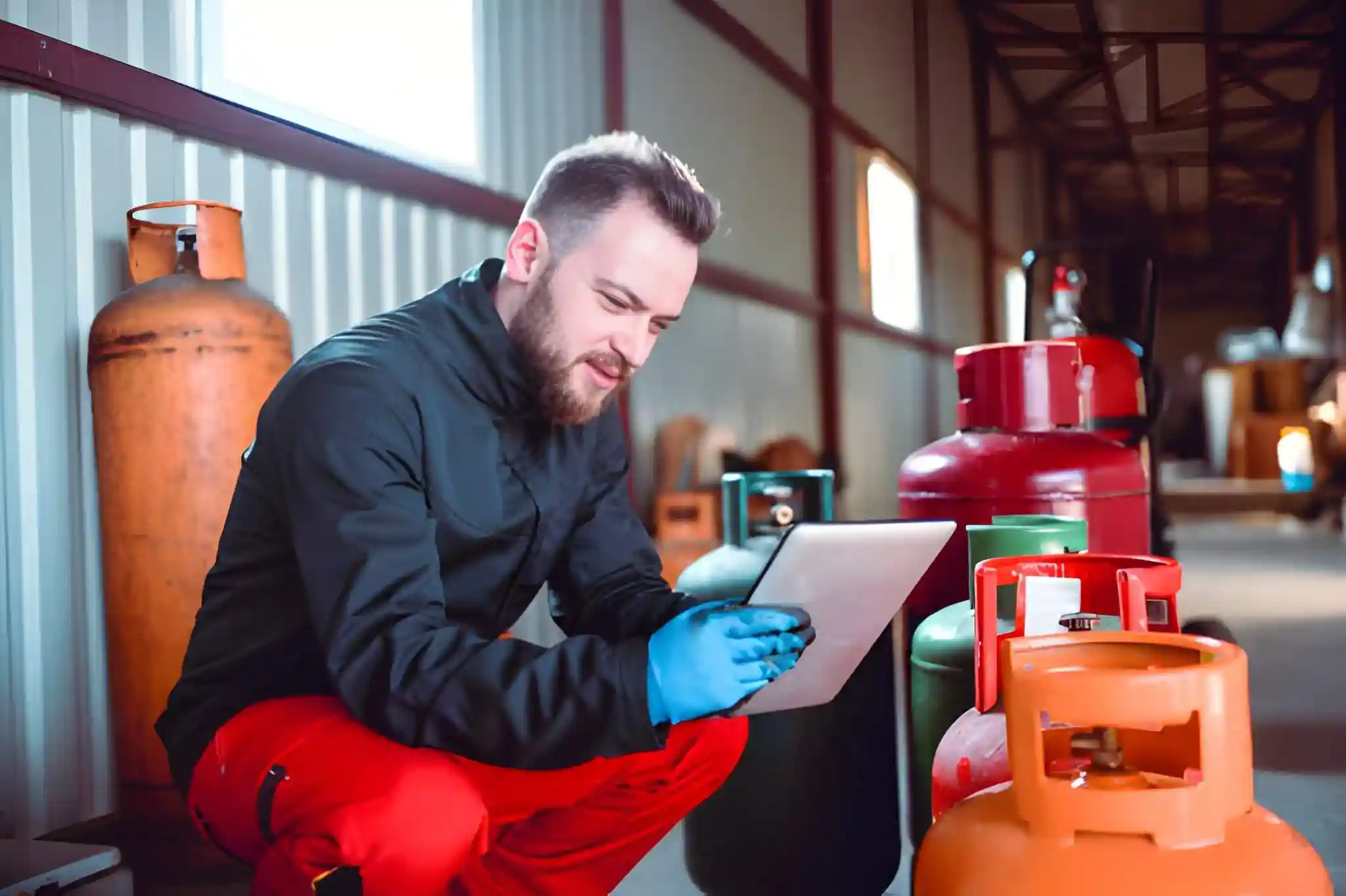
What Inspectors Focus on During a Safety Check explains the practical steps followed during a professional assessment. A Gas Safety confirms that essential safety elements meet required standards. Inspectors focus on fixed gas appliances such as boilers, ovens, and heaters. Each appliance receives attention for correct installation, stable operation, and visible signs of wear. Pipe connections receive close review to confirm secure fitting and safe alignment. Fault indicators and control functions also receive verification during the inspection process. Appliance testing follows a clear and methodical approach. Engineers operate appliances under normal conditions to confirm safe ignition and steady performance. Flame color and burner response offer early indicators of potential faults. Safety devices such as automatic shut-off controls receive functional checks. Gas Safety depends on accurate readings and consistent appliances. Any irregular response requires further checks to prevent future risks. Ventilation, pressure, and leak assessment form another critical area of focus. Adequate airflow supports proper combustion and reduces harmful gas buildup. Pressure testing confirms stable gas flow across the system. Leak detection tools help identify minor escapes before serious damage occurs. Combined evaluation of these elements strengthens overall safety assurance and supports reliable inspection outcomes.
How Certificates Should Be Stored and Shared
How Certificates Should Be Stored and Shared requires a clear structure and responsible handling to maintain safety accountability. Proper record management supports transparency and reduces disputes during inspections or tenancy changes. A Gas Safety Certificate should remain easy to locate and protected from loss or damage. Centralized storage within property management systems helps maintain continuity when properties change hands. Clear labelling and version control prevent confusion between current and expired records. Organized documentation also supports faster responses during audits or emergency reviews. Accessibility for tenants and authorities plays a vital role in compliance confidence. Records should remain available upon request without unnecessary delay. Tenants benefit from clear access since safety confirmation builds trust and reassurance. Authorities expect prompt presentation during compliance checks. Digital formats often support faster sharing and better traceability. Secure cloud platforms allow controlled access while protecting sensitive details. Physical copies still serve value in locations with limited digital access, yet careful storage remains essential. A Gas Protection Certificate shared through verified digital channels often reduces administrative errors. Balanced use of digital and physical documentation strengthens accountability and supports consistent safety standards across managed properties.
Tenant Awareness: What to Ask and What to Expect
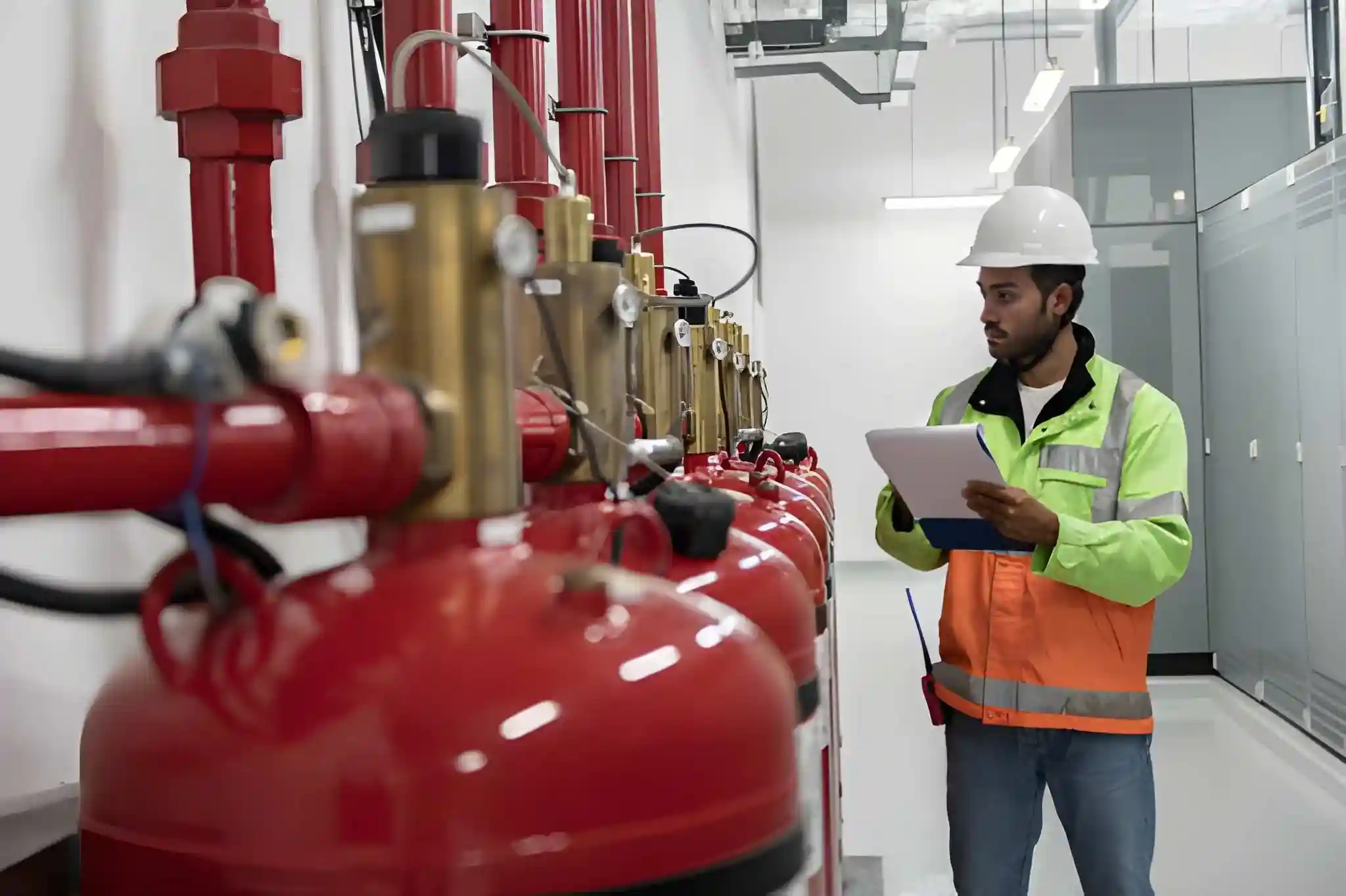
Tenant awareness plays a major role in maintaining safe living conditions within rental properties. Gas Safety Certificate documentation represents a key entitlement for occupants and confirms that gas appliances meet required safety standards. Tenants should expect access to valid inspection records, clear inspection dates, and confirmation that checks cover boilers, cookers, pipework, and ventilation. Such records help occupants feel secure and informed about the condition of essential systems inside the property. Awareness should also extend to early warning signs of unsafe gas systems. Common indicators include unusual smells, pilot lights that fail repeatedly, soot marks near appliances, or frequent headaches and dizziness indoors. Carbon monoxide alarms sounding without a clear cause should raise immediate concern. Prompt attention to these signs helps prevent serious harm and supports early resolution of faults before conditions worsen. Action becomes necessary when concerns remain unaddressed. Tenants can document communication, request written confirmation, and seek professional inspection support if responses remain absent. Reporting concerns to relevant authorities also remains an available option when safety appears compromised. Gas Safety Certificate validation helps strengthen such actions and supports accountability. A second review of Gas Safety records often clarifies inspection gaps and reinforces tenant rights while encouraging responsible property oversight.
How to Verify Your Engineer’s Credentials Before Booking
Verifying engineer’s credentials plays a critical role in obtaining a valid Gas Protection certificate. Checking registration with recognized authorities ensures appliances receive proper inspection and maintenance. A properly registered engineer confirms that Gas Safety Compliance London standards are met, and all procedures follow legal requirements. Reviewing certifications helps identify whether the engineer can provide a Gas Safety Certificate London or a CP12 Gas Certificate for landlords and tenants. Confirming the engineer holds current accreditation reduces the risk of faulty inspections and improves trust in issued reports. Experience with similar properties strengthens reliability. Engineers familiar with both residential and commercial systems provide thorough Gas Inspection services. An experienced professional can detect minor issues that might otherwise go unnoticed, protecting tenants and property. Cross-referencing registration numbers and certifications with official databases ensures authenticity. Checking for membership in professional gas associations adds further confidence in competency. Landlord Gas Safety Certificate requirements demand accurate inspections. Ensuring the engineer’s credentials meet these standards protects compliance and reduces potential liabilities. Proper verification before booking guarantees inspections follow regulations, and appliances remain safe and efficient. Maintaining records of verified engineers streamlines future bookings, ensuring every Safety, CP12 Gas Certificate, and Gas Inspection London report meets necessary standards.
Emerging Technologies in Gas Safety Inspections
Emerging technologies in gas safety inspections are transforming how properties achieve a Gas Safety. Digital tools allow engineers to record inspection results instantly and store reports securely, reducing errors and ensuring compliance. Smart sensors now monitor gas appliances continuously, detecting leaks, pressure changes, and unusual activity before serious problems develop. These sensors can trigger alerts to landlords or maintenance teams, providing proactive protection that goes beyond traditional annual checks. Remote monitoring systems allow inspections without physical presence, saving time while maintaining the same safety standards. Engineers can access real-time data, adjust appliance settings, and confirm performance remotely, ensuring every Gas Safety Record accurately reflects current conditions. Integration of digital reporting with cloud databases ensures records are accessible for future audits and tenant reassurance. Emerging technology also improves transparency, allowing landlords and tenants to review inspection outcomes instantly. Advanced analytics highlight patterns, helping to prevent recurring faults and maintain appliance efficiency. The shift from manual inspection forms to digital systems represents a significant evolution in Gas Safety Compliance London practices. These innovations demonstrate that inspections now prioritize real-time monitoring, predictive maintenance, and enhanced safety, making the Gas Safety Certificate process more reliable and future-ready.
Emergency Steps If You Suspect a Gas Leak
Taking immediate action when you suspect a gas leak is vital for safety and compliance. Firstly, the owner was away, and so they didn’t need to worry about being around dangerous gas. The switchgear and open flame are avoided such that sparks, which could cause leaks to ignite, are prevented. It brings in professionals to offer their support before you have even put your hand in the ground. When clear, notifying the landlord or property manager assists in determining and preparing for necessary repairs and documentation. Getting a professional Gas Inspection London is the best idea because they can be able to detect and stop the source of the leak. Verifying the engineer is qualified also ensures that any provided Gas Safety Certificate, CP12 Gas Certificate, or Landlord Gas Safety Certificate is certifiably compliant with the law. “In case of a gas smell, temporary ventilation can be done by opening doors and windows till the arrival of an engineer. By adhering to emergency rules, you help save lives and property while upholding the landlord responsibilities required by law. Good planning and swift reaction also serve to drive home the significance of gas safety checks and the presence of a certificate for gas safety London in each building.
How Gas Safety Certificates Impact Property Insurance
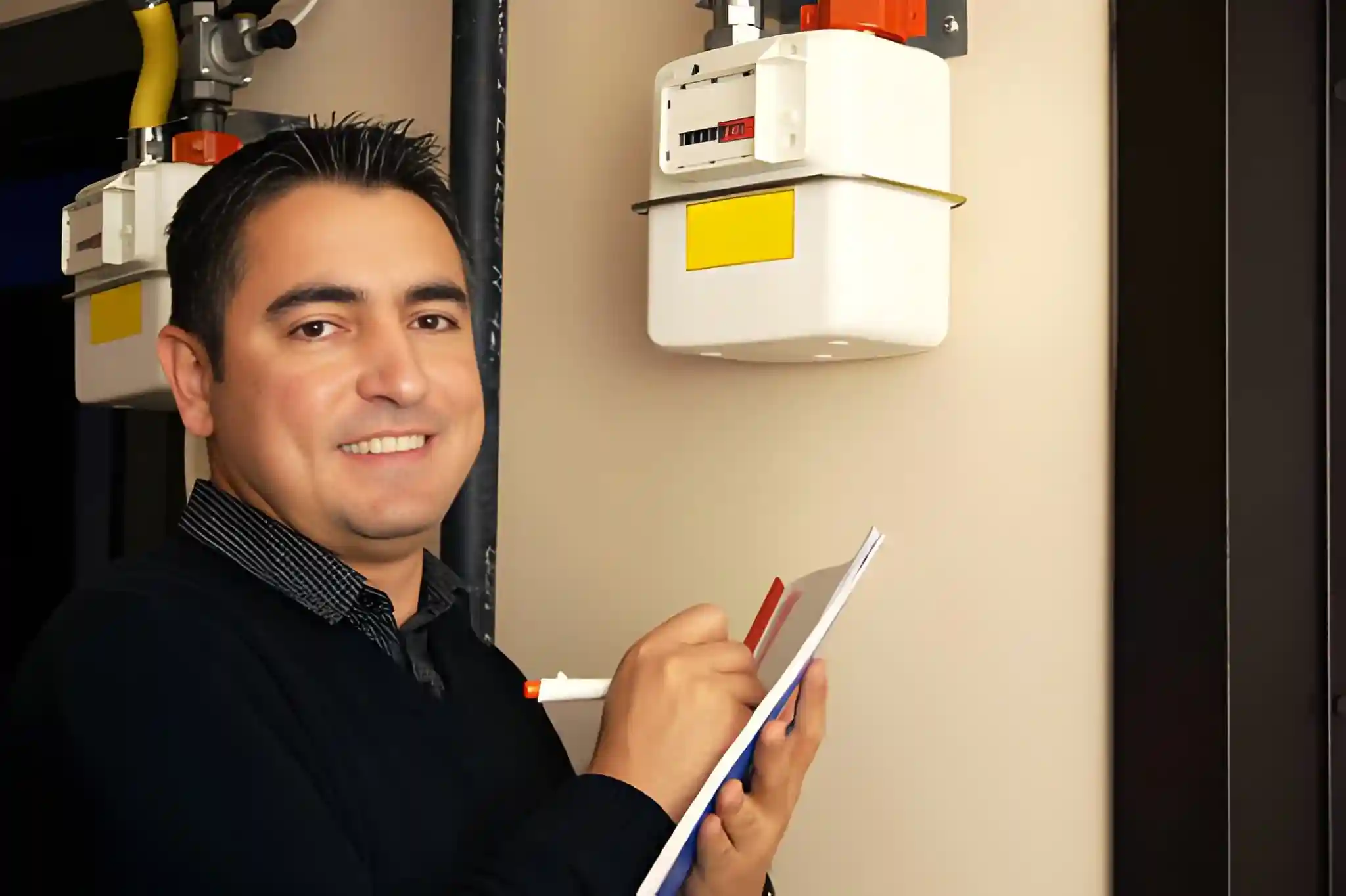
Gas Appliances and Systems Insurance companies want to know that your gas appliances are in compliance with safety standards and often require current records before binding coverage. A Gas Safety Certificate (or a failure to present one, or a false one) may be used as grounds to reject claims resulting from damage due to gas leaks or appliance failures. The fact that there is currently no valid certification in place shows that a critical procedure was ignored, and oversights by qualified engineers allowed these safety measures to fall through the cracks. Defects in the certification result in increased risk. Defective appliance or unchecked installation could be overlooked with the possibility of going with dangers. Gas Safety certificates that have expired or gone missing are seen as falling foul of compliance by insurers and might also lead to insurance cover being reduced, or not offered at all. Regular checks, which are recorded in a Gas Safety Certificate, demonstrate due diligence and help reinforce the property’s safety credentials. Regular inspections are a protection for property owners, and they go along with insurance stipulations. Certificates can be used to give some assurances that legal obligations are being followed and that risks of emergency is reduced. Updated records on an ongoing basis to maintain active coverage, and ensure gas incident claims are fully documented. Not only does a Gas Safety Certificate keep tenants safe, but it also helps maintain the financial and legal aspects of a property as well.
Frequently asked questions.
Conclusion
Maintaining awareness of Gas Safety Certificate requirements proves essential for both landlords and tenants. Landlords must ensure Gas Safety Certificate London compliance and timely inspections, while tenants should remain aware of their rights and warning signs. Proactive safety management prevents risks before they increase and strengthens trust between property owners and occupants. Regular Gas Inspection London and proper record-keeping reduce risk and support long-term safety. Prevention outweighs reaction, making early checks and awareness essential. Consistent attention to Gas Safety requirements ensures safe environments, avoids complications, and reinforces responsible property management for all involved parties.