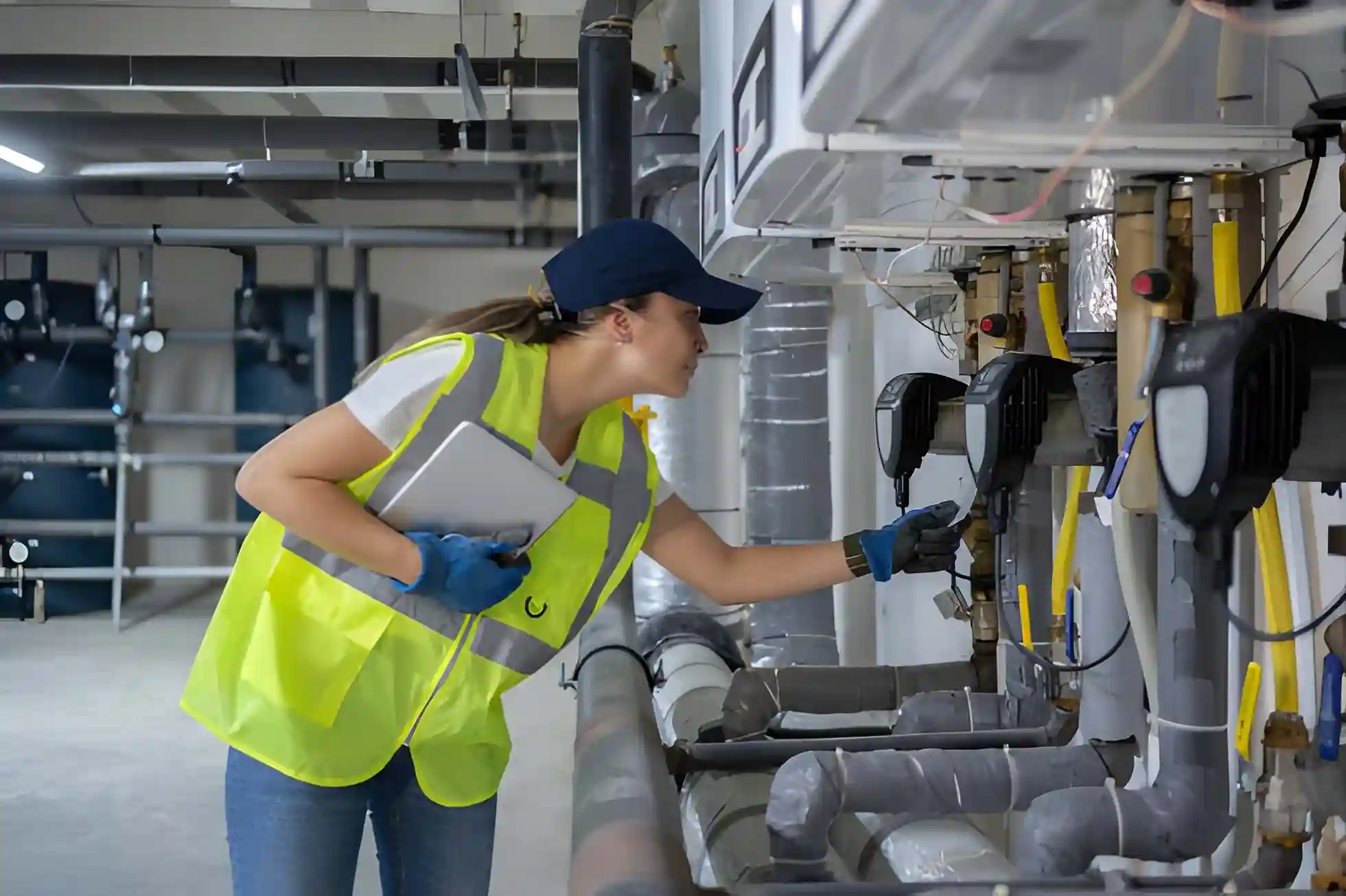
A gas safety certificate provides formal confirmation that gas appliances and associated installations within a rental property have been assessed and found compliant with safety requirements. The document records check on boilers, cookers, gas fires, pipework, ventilation routes, and flue performance to confirm safe operation and correct installation. Certification also verifies that safety controls respond correctly and that gas pressure levels remain within approved limits. A qualified and registered engineer issues the record after completion of all mandatory checks, which supports compliance with current rental regulations. The scope of assessment includes visible signs of wear, secure appliance connections, and adequate airflow to reduce risk from harmful gas build up. Documentation details appliance locations, test results, and professional credentials, which supports transparency for property management and regulatory review. A cp12 gas safety certificate serves as the formal record used across residential lettings and aligns with statutory obligations placed on property owners. The gas safety certificate London requirement follows the same national framework and applies to residential rental environments without variation in inspection depth. Reference to gas safety certificate cost may appear during service discussions, although accurate details depend on property specific factors and assessment scope. A valid gas safety certificate remains a core component of lawful and responsible residential property management.
Key Takeaways
- Consistent safety oversight helps reduce long term operational and compliance related risks
- Planned servicing schedules support reliable appliance performance across rental periods
- Clear role assignment improves accountability and strengthens compliance management processes
- Timely inspection planning helps prevent regulatory breaches and service disruption
- Detailed maintenance records support transparency during audits and property reviews
- Structured inspection workflows improve efficiency and reduce avoidable delays
- Early identification of system issues limits escalation and emergency intervention
- Clear communication procedures support smoother coordination during inspections
- Safety focused planning contributes to stable tenancies and reduced vacancy
- Organized compliance practices reinforce professional property management standards
Legal Duties of UK Landlords When Arranging Gas Safety Inspections
A clear legal framework governs landlord responsibilities for gas safety across the United Kingdom. Landlords must arrange inspections of all gas appliances and associated pipework at least every twelve months through a registered engineer. A valid gas safety certificate must be issued after completion of checks and retained as formal proof of compliance. Records must remain available for inspection and must be provided to existing tenants within the required timeframe and to new tenants before occupation. Failure to meet these duties can lead to enforcement action, financial penalties, and restrictions on property use under housing and safety regulations. Maintenance obligations extend beyond inspection dates and require prompt repair of identified faults to prevent risk from gas leaks or carbon monoxide exposure. Documentation accuracy holds equal weight, since incorrect or missing details can invalidate compliance status. Professional verification through a cp12 format supports consistency across the rental sector. The second gas safety certificate must reflect the most recent inspection results and replace any expired record to maintain lawful operation. Consistent scheduling, proper record storage, and reliance on qualified engineers support adherence to statutory duties and reinforce responsible rental property management standards. Such compliance strengthens trust and supports long term housing safety outcomes.
Keeping Tenants Safe While Protecting Your Property Investment
Tenant safety and asset protection structured gas compliance practices within rented properties. A consistent inspection schedule supports risk reduction and promotes long term property stability. Certified inspections verify appliance condition, ventilation flow, and flue performance to limit risks linked to gas exposure. Formal documentation confirms lawful operation and supports trust between property owners and occupants. A valid gas safety certificate provides evidence of responsible oversight and confirms that regulated checks meet national safety standards. Preventive maintenance following inspection feedback helps avoid emergency repairs and limits damage to internal systems. Insurance providers and regulatory structure often expect accurate safety records as part of standard property oversight. Asset value remains stronger when compliance history reflects care and accountability. Proactive safety management also supports uninterrupted tenancy periods and reduces dispute potential. Structural integrity and system reliability benefit from routine professional assessment carried out by registered engineers. Clear record retention supports audit readiness and reinforces management credibility. A renewed gas safety certificate at the correct interval demonstrates commitment to welfare and legal alignment. Consistent compliance practices create stable rental environments, support occupant confidence, and safeguard property investment against avoidable operational risk over time.
Gas Appliances That Must Be Checked in Rental Accommodation
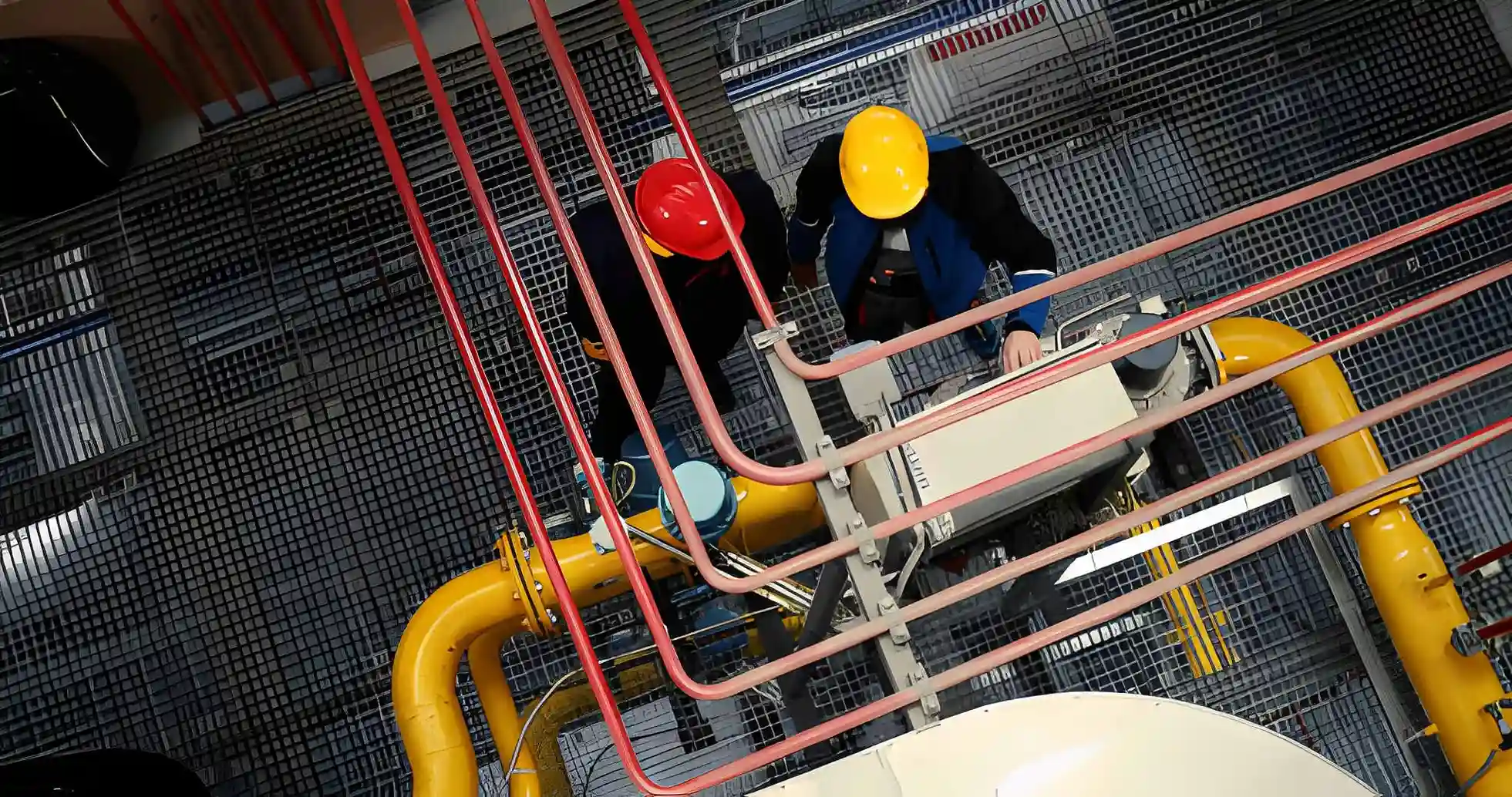
Rental accommodation requires routine inspection of all installed gas appliances to meet established safety regulations. Boilers remain a primary focus due to continuous use for heating and hot water supply. Gas cookers and hobs also require assessment to confirm secure connections and stable flame patterns. Installed gas fires and wall heaters fall under mandatory inspection to verify correct combustion and exhaust flow. Associated pipework must undergo visual and pressure checks to confirm integrity and absence of leaks. Ventilation routes and flue systems require confirmation of clear passage to prevent harmful gas accumulation. Certified inspection records provide formal confirmation that all applicable systems operate within approved safety limits. A gas safety certificate confirms that each listed appliance received professional evaluation by a registered engineer. Portable appliances owned by occupants fall outside mandatory scope unless supplied as part of the tenancy. Regular inspection helps identify wear before system failure and supports uninterrupted appliance performance. Accurate documentation supports regulatory review and management oversight. Renewal of the gas safety certificate ensures continued compliance and reflects up to date appliance condition across the rental property.
Gas Safety Certification Rules That Apply to London Rental Homes
Rental homes within the capital must follow strict national gas safety regulations supported by local enforcement oversight. Annual inspection of all fixed gas appliances and associated pipework remains a mandatory requirement for lawful property operation. A registered engineer must complete the inspection and issue formal documentation after all checks reach acceptable safety standards. The cp12 gas certificate acts as the recognized compliance record and confirms appliance condition, ventilation performance, and flue safety at the time of assessment. Certification must remain valid at all times and records must be retained for regulatory review and tenancy administration. Local authorities maintain active monitoring procedures to confirm adherence and may request documentation during property audits or licensing reviews. The gas safety certificate London framework aligns fully with UK legislation and applies equally to all residential rental arrangements without exception. Clear record delivery timelines apply for both new and existing occupancies to support transparency and accountability. Reference to gas safety certificate cost often arises during service coordination, although final figures depend on inspection scope and property configuration. A valid certificate supports lawful tenancy management, reduces safety risk, and reinforces responsible property governance across regulated rental environments.
Challenges London Landlords Face with Older Gas Installations
Older gas installations present complex compliance and maintenance challenges within long established rental properties. Legacy pipework often wants modern safety features, which increases inspection complexity and raises the chance of remedial recommendations. Age related wear can affect seals, joints, and ventilation pathways, which may compromise safe combustion and exhaust flow. Outdated boilers frequently operate below current efficiency and safety benchmarks, which places greater emphasis on professional assessment. Electrical integration issues may also appear where older control systems interact with updated safety devices. A valid gas safety certificate remains essential to confirm that ageing systems continue to operate within permitted standards despite structural limitations. Access constraints in older layouts can delay inspection processes and increase preparation requirements before formal checks occur. Documentation accuracy holds increased importance when appliance histories span several decades. Regulatory scrutiny remains high, particularly where historic installations exist alongside modern tenancy arrangements. Repair compatibility issues may arise when replacement parts no longer match original specifications. Ongoing compliance depends on timely intervention and expert evaluation. Renewal of the gas certificate following corrective work demonstrates continued alignment with safety obligations and supports lawful rental operation despite infrastructure age related challenges.
Gas Safety Responsibilities for HMOs and Shared Rental Homes
Houses in multiple occupation and shared rental homes require heightened attention to gas safety compliance due to increased occupancy levels and shared appliance use. Property managers must arrange annual inspections covering all fixed gas appliances, internal pipework, and shared heating systems installed within the buildings. Inspection scope must include communal kitchens, shared boiler rooms, and any gas supplied areas used by occupants. A valid gas safety certificate confirms that all required checks meet regulatory standards and that systems operate within approved safety limits. Record retention remains essential, as licensing authorities often request documentation during routine compliance reviews. Maintenance duties extend beyond inspection completion and require timely repair of any identified defects to prevent risk exposure across shared spaces. Clear communication protocols support coordinated access for inspection and follow up work. Safety oversight plays a direct role in occupancy licensing compliance and operational continuity. A renewed gas certificate must replace any expired documentation to maintain lawful operation. Consistent compliance practices reduce liability exposure, support tenant welfare, and reinforce professional management standards across shared rental housing environments.
How Gas Safety Records Should Be Stored and Shared Properly
Accurate record management supports lawful property operation and consistent safety oversight. A certificate must remain accessible for regulatory review and tenancy administration purposes. Storage methods may include secure digital systems or protected physical files, provided records remain legible and retrievable when required. Documentation should remain preserved for the mandated retention period to demonstrate compliance across inspection cycles. Clear organization of records supports efficient audits and reduces administrative risk. The cp12 gas certificate functions as the formal compliance document and should remain clearly labelled with inspection dates, appliance details, and engineer credentials. Distribution of records must follow regulatory timelines to maintain transparency and accountability within rental arrangements. The gas safety certificate London framework follows national requirements and places emphasis on quick record availability during licensing or inspection processes. Secure sharing methods help prevent document loss or unauthorized alteration while supporting access for relevant parties. Reference to gas safety certificate cost may arise within administrative files, although such details typically remain separate from safety confirmation records. Consistent storage and structured sharing practices reinforce professional management standards and support ongoing compliance verification. A complete and valid gas safety record system strengthens operational integrity and aligns property oversight with established safety regulations.

Gas Certificate Cost for HMOs and Shared Rental Properties
Shared rental properties and houses in multiple occupation require structured compliance planning due to higher occupancy levels and increased appliance usage. Regulatory oversight places added responsibility on property operators to maintain consistent safety standards across all shared facilities. Inspection scope often expands to cover multiple boilers, extended pipework networks, and shared cooking appliances, which increases administrative coordination. A valid gas certificate confirms that all regulated systems have undergone professional assessment and meet required safety benchmarks at the time of inspection. Management duties include coordinated access arrangements and clear documentation control to support uninterrupted compliance. Record accuracy plays a central role in demonstrating adherence during licensing reviews or regulatory audits. Maintenance planning must also account for varied usage patterns across individual occupants, which can influence wear rates and inspection outcomes. A renewed gas certificate supports lawful operation and reflects current system condition across shared environments. Service discussions may reference gas safety certificate cost as part of planning considerations, although precise details depend on inspection scope, appliance quantity, and property configuration rather than fixed criteria. Structured compliance practices help reduce operational disruption, support occupant welfare, and maintain regulatory alignment across complex shared rental property arrangements.
| Property Type | Inspection Type | Approximate Cost Range |
|---|---|---|
| Single rental property | Standard gas certificate | £60 – £90 |
| Shared rental property | Extended appliance inspection | £80 – £120 |
| HMO property | Full CP12 inspection | £100 – £150 |
| Larger or older property | Detailed safety inspection | £120 – £180 |
Actual charges may vary based on appliance count, system condition, and inspection scope. For accurate pricing aligned with specific property requirements, contacting a qualified gas safety team remains the most reliable approach.
Frequently asked questions.
Conclusion
Sustained gas compliance reflects careful planning and professional oversight across rental properties. Regular inspections, structured maintenance schedules, and accurate documentation support safe appliance operation and regulatory alignment. Clear processes reduce disruption and help maintain consistent standards throughout the tenancy period. A gas safety certificate serves as formal confirmation of completed checks and reinforces accountability within property management practices. Ongoing attention between inspections limits avoidable risk and supports long term system reliability. Strong compliance habits protect occupants, preserve property condition, and reinforce operational stability. Commitment to established safety requirements remains essential for responsible rental management and dependable housing outcomes.