It is vital to know that a Gas safety certificate functions as an official document that confirms the safe condition of key gas appliances within any property. Engineers follow strict rules during a CP12 process to test boilers, heaters, and supply lines. Engineers carry out several checks across all main appliances set of checks that cover pressure levels, flame control, ventilation points, and pipe joints. It is reasonable to accept that CP12 offers legal proof because authorities expect property owners to keep all gas systems within safe limits. It is the laws that guide many parts of property safety, and a certificate helps to meet those rules. It is easy to see how a detailed CP12 shields people from risk because early testing stops leaks and faults before harm occurs. It is also accurate that a Gas safety certificate supports property protection because unsafe parts can damage structures when faults stay hidden. It is certain that a structured test reduces risk and raises confidence in ongoing appliance use. A CP12 gas safety certificate builds trust between owners and occupants because both sides know that safety steps have been taken under expert care.
Key Takeaways
- Annual checks confirm that gas appliances remain safe for everyday use.
- Clear access during visits helps engineers test each part without delays.
- Digital storage keeps important safety records secure and easy to locate.
- Shared documents give occupants confidence in the property’s safety.
- Early planning prevents gaps in renewal dates and scheduling issues.
- Experienced workers complete accurate inspections under strict safety rules.
- Fast repairs stop small faults from turning into serious issues.
- Arranged visit times reduce delays across all types of properties.
- Advance updates to occupants prevent access problems on inspection day.
- Strong compliance reduces legal risks and supports safer living spaces.
Who Needs a Gas Protection Certificate in Homes and Businesses
A Gas safety certificate adds to many roles because safety laws cover a wide range of properties and responsible owners. Private landlords indeed depend on legal proof to show that gas systems meet safe limits under a full Gas safety check each year. It is common for letting agents act on behalf of owners and handle the process because agents manage daily responsibilities across many sites. It is also clear that HMO landlords face strict rules because shared spaces raise extra safety demands that require accurate checks. It is fair to note that commercial property owners in restaurants, offices, and workshops need a Landlord Gas safety certificate to confirm that appliances run safely in busy work areas. It is useful to see that homeowners who plan to rent or sell property gain value from a valid CP12 gas safety certificate because buyers and renters expect clear safety records. It is easy to understand that tenants may ask for proof of compliance because a record gives confidence that gas parts do not pose a risk. It is accurate that facilities managers and estate agents depend on verified documents because clear records support safe operations across complex sites.
Legal Requirements for Annual Gas Safety Checks
A Gas safety certificate follows strict rules that guide the safe use of gas systems across many property types. An annual check indeed stands as a fixed duty because regulators expect clear proof that appliances operate in a safe state. It is easy to see that renewals follow every year cycle, and owners must secure fresh proof before an old record reaches its end. It is correct that the Gas Safety Installation and Use Regulations outline the standards that engineers follow during each visit. It is plain that those rules set clear steps for testing, observation, and confirmation of safe function across boilers, vents, pipes, and chimney paths. It is fair to say that rented properties rely on strong compliance because occupants face risk when faults remain hidden. It is common that commercial sites also follow the same annual path because safe conditions support stable work environments. A Landlord Gas safety certificate acts as firm evidence when authorities ask for records during audits or site checks. It is true that steady compliance reduces risk and supports safe daily use of all gas appliances.
Key Responsibilities for Landlords, Letting Agents and Property Managers
A Gas safety certificate must set clear expectations that every landlord, agent, and property manager must follow without delay. Annual inspections indeed require firm scheduling because safe operation of boilers and heaters depends on routine expert checks. Certificates must reach tenants soon after completion so occupants have clear proof of safe gas conditions. Appliances and installations demand ongoing care through timely repairs, part replacements, and visual assessments after any alteration in the purpose of the property. It is also clear that access for engineers must stay well because missed visits can delay renewal of a Gas safety certificate and create compliance gaps. It is common that managers of multiple properties face added pressure because each site carries unique gas layouts that require accurate tracking. It is correct that letting agents handle many steps, such as booking inspections, storing records, and confirming valid documents, before new tenants move in. It is fair to state that a structured process across all roles protects people from risks that arise from leaks, poor ventilation, or worn parts. It is accurate that consistent monitoring helps maintain safe standards across small homes, shared units, and commercial locations.
How Safety Measures Protect Tenants and Reduce Liability
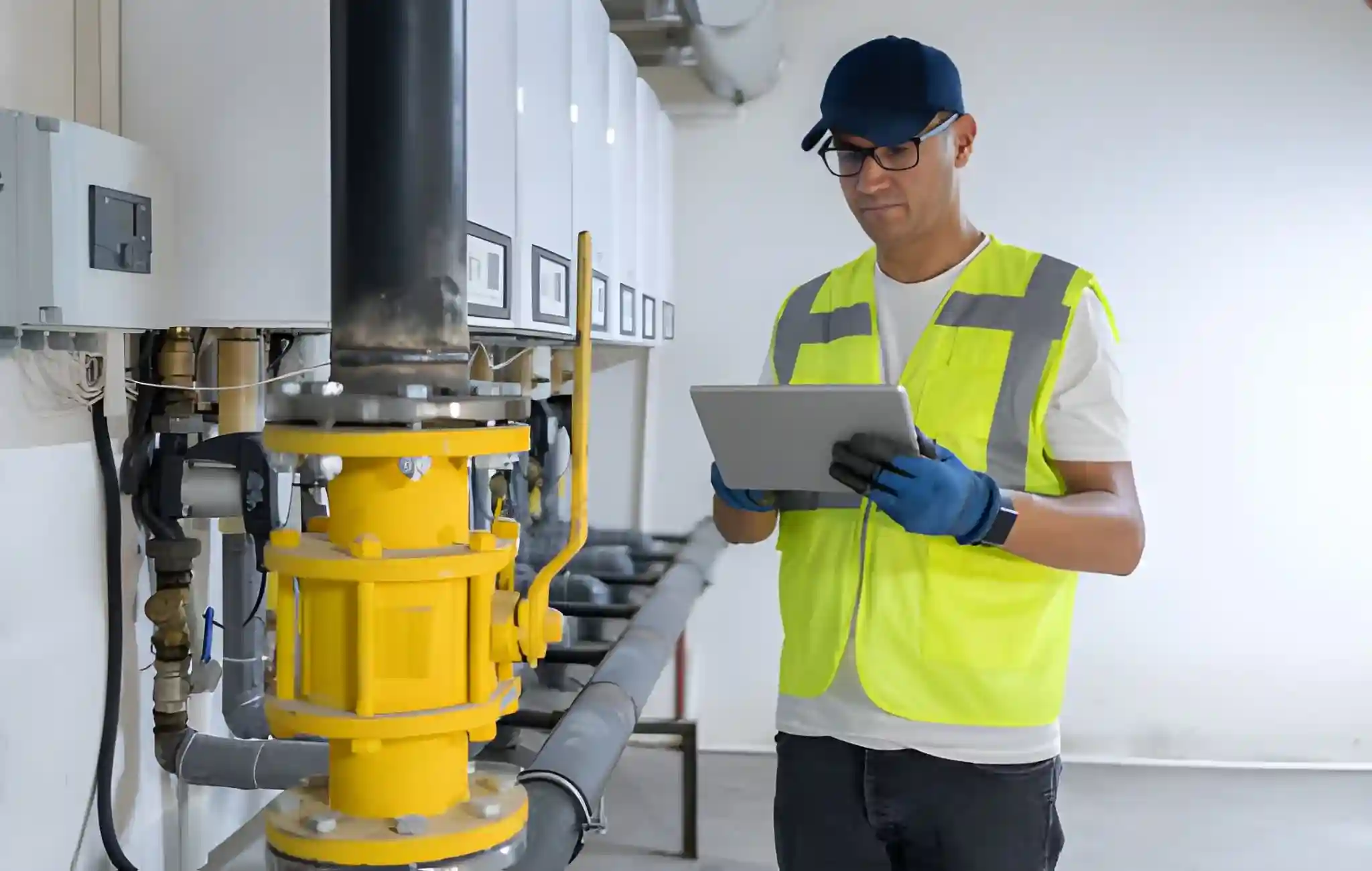
A Gas safety certificate acts as a strong shield against risks that arise from faulty gas appliances in any type of property. Detailed checks really help identify dangerous parts such as unstable burners, blocked flues, or loose pipe joints that create hidden threats. It is easy to see that early detection stops gas leaks and lowers carbon monoxide risks because proper tests measure pressure, flame quality, and ventilation strength with exactness. It is a valid record that reduces accident liability because property owners can show that expert assessments took place at the right time. It is plain that a Gas safety certificate also supports stability during legal reviews since authorities often request proof of compliance after incidents. It is fair to state that insurance policies often expect verified safety records, and a valid certificate helps maintain policy strength across rental and commercial sites. It is accurate that steady compliance reduces lost time caused by emergency faults and helps maintain confidence among occupants. Consistent oversight creates safe conditions that limit legal exposure because unchecked faults often lead to claims, disputes, or penalties.
What a Gas Safety Inspection Includes: Full Breakdown of Checks
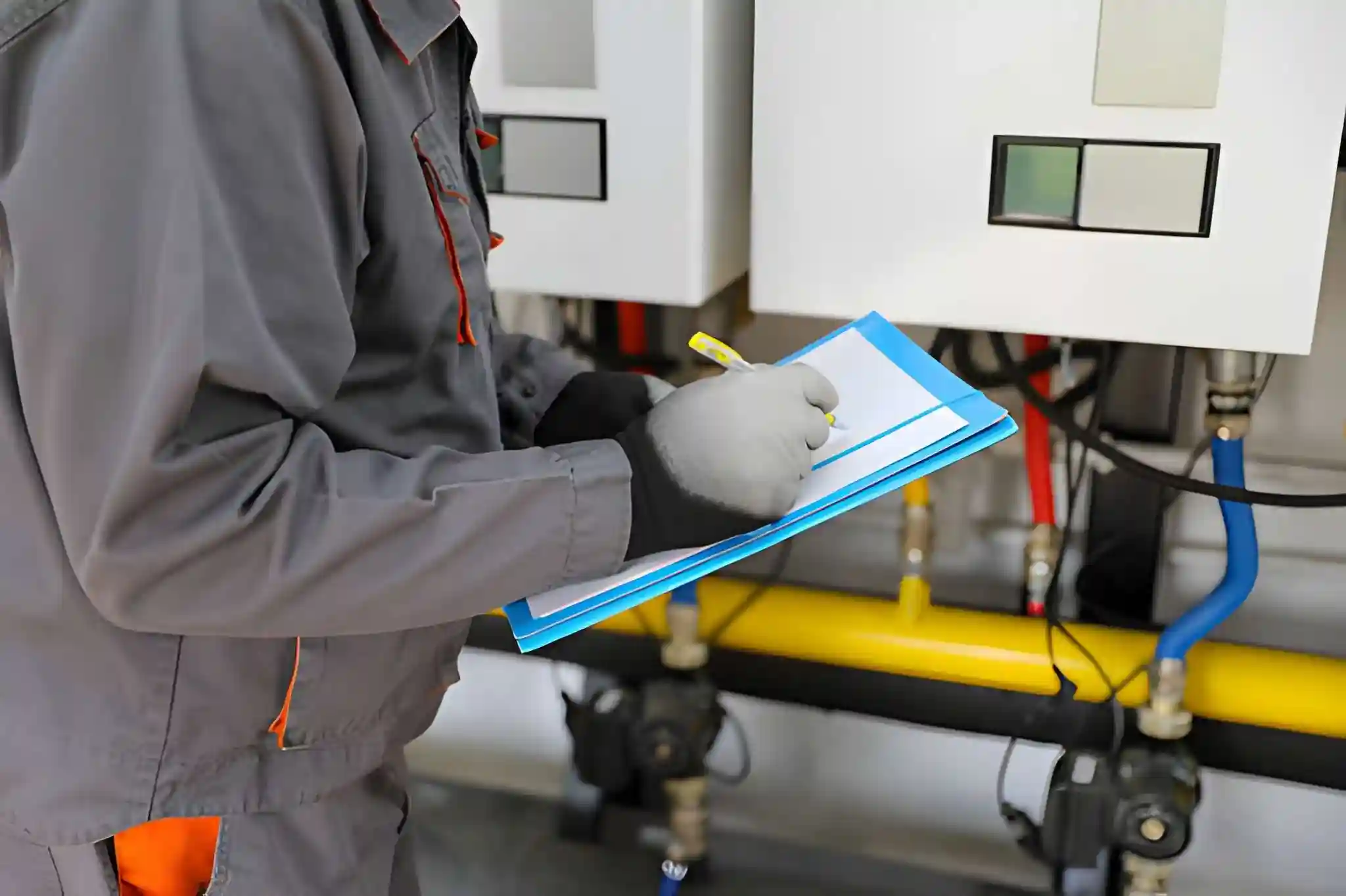
It is essential to note that a Gas safety certificate depends on a detailed Gas safety inspection that reviews every appliance linked to the gas system. Appliance safety testing indeed forms the first stage because engineers measure flame strength, control accuracy, and operational stability across boilers, heaters, and cookers. Chimney and vent inspections follow because faulty airflow causes fumes to gather in enclosed areas. It is correct that pipework and pressure checks play a major role since small leaks often hide inside walls or under floors. Carbon monoxide monitoring stands as a central task because this dangerous gas creates silent harm without clear warning. It is fair to state that engineers mark immediate and at-risk issues so property owners understand which parts need repair, isolation, or replacement before safe use continues. It is accurate that each step builds a full picture of system performance through structured testing that follows national rules. It is clear that a Gas safety certificate records all findings from these checks and confirms safe operation in homes, rental sites, and commercial properties.
Only Gas Safe Engineers Can Issue Certificates. Here’s Why
A Gas safety certificate must come from an engineer who keep active Gas Safe registration because national rules demand strong proof of skill and legal authority. The term Gas Safe registered signals formal training and practical assessment. It is common for each registered engineer to carry an ID card that displays a license number linked to the official database used across the country. It is easy to confirm those details through the public register, and the process offers direct assurance that the engineer has approved. Serious risks arise when unqualified workers attempt gas tasks because hidden faults often lead to leaks, fumes, or fire risks that place occupants in danger. It is correct that legal pressure intensifies when unsafe work results from the use of unregistered workers, and penalties may follow when authorities trace faults back to poor workmanship. It is fair to state that registered expertise protects landlords and tenants through reliable assessments that reduce risk across all property types.
How to Prepare Your Property for a Gas Safety Visit
It is required to understand that the gas safety certificate process runs smoothly. Engineers need clear access to boilers, heaters, cookers, and meter points so movement around each area remains safe and uninterrupted. Indeed, clear hallways, open cupboard spaces, and unobstructed appliance fronts reduce delays because engineers can begin tests without removing items or shifting furniture. It is useful to arrange communication with tenants before the visit so occupants remain aware of planned entry times, appliance checks, and any temporary adjustments that may occur during testing. It is correct that documentation such as previous reports, appliance manuals, and maintenance notes should remain easy to reach because engineers often review records to confirm ongoing safety. It is common for inspections to slow down when keys go missing, appliances stay blocked, or meter cupboards remain locked. Such issues lead to repeat visits, rescheduling, and risk of expiry for an existing Gas safety certificate. It is fair to state that careful preparation supports accurate assessment and helps engineers complete each stage without disruption, which strengthens overall safety standards across every part of the property.

How Long You Must Keep Gas Safety Records
It is necessary that a Gas safety certificate remains an essential document that requires storage across all property types. Records must remain stored for a minimum of two years because authorities may request proof during audits or after safety concerns arise. It is also correct that digital storage offers strong reliability because scanned copies remain safe from loss, damage, or misplacement that occurs with paper files. It is useful to maintain digital folders with clear labels that include dates, property details, and engineer information so retrieval stays fast during checks. It is common practice to provide copies to new tenants before move-in dates because a valid Gas safety certificate confirms safe appliance conditions and demonstrates proper compliance. Clear records indeed help tenants understand the history of inspections and any past repairs that may affect future maintenance needs. It is sensible to keep certificates accessible during property transactions because buyers, agents, and legal representatives often request proof of gas safety as part of due-diligence checks. It is accurate that missing records can delay sales or rental agreements when proof of compliance cannot be shown. Secure storage avoids gaps that may cause penalties or legal complications in later stages.
Frequently asked questions.
Conclusion
It is necessary to highlight that a Gas safety certificate remains an essential element of safe property oversight because it offers verified proof that gas systems operate within legal standards. Those requirements fall on landlords, agents, commercial owners, and property managers, and each role must ensure that inspections occur on time and records stay complete throughout the year. It is sensible to arrange annual scheduling in advance so visits never clash with tenant access issues or peak periods that cause delays. It is evident that a Gas safety certificate also supports insurance strength and legal clarity because documented compliance reduces disputes and protects against them. It is correct that record keeping, quick repairs, and timely renewals create a stable approach that fits every property type. It is fair to state that long-term safety depends on consistent action supported by accurate testing, reliable maintenance, and clear communication across all parties involved. Strong compliance ensures safer environments and predictable outcomes across the full property lifecycle.