A portable appliance testing certificate serves as formal proof that electrical equipment has received professional safety checks and recorded outcomes. Property owners and duty holders often rely on structured certification to demonstrate control over electrical risk and appliance condition. The document supports safety management across workplaces and rented environments where portable equipment remains in frequent use. A PAT test certificate confirms inspection status at a defined moment and supports accountability during reviews or external checks. Clear documentation also aligns with portable appliance testing requirements that focus on risk awareness and preventive action rather than assumption. Many establishments request guidance about portable appliance test London services due to complex property layouts and shared electrical usage. Such environments benefit from clear certification records that support traceability and maintenance planning. Discussion around portable appliance testing cost often arises during early planning stages, and accurate guidance normally follows direct assessment of site scope and equipment range through a qualified team. Certification supports insurance communication, internal audits, and safety reviews without ambiguity. Electrical faults often stem from the gradual wear, movement, and handling of appliances across different settings. Formal testing identifies early signs of damage before incidents occur. A portable appliance testing certificate acts as a compliance document and a practical safety reference that supports responsible electrical management and ongoing oversight across varied operational settings.
Key Takeaways
- A portable appliance testing certificate provides documented proof of electrical safety checks
- Clear certification supports compliance duties across supplied electrical equipment
- Regular testing helps identify hidden appliance faults before escalation
- Certification records support insurance and audit communication
- Portable appliance testing requirements encourage risk-based inspection planning
- PAT test certificate improves maintenance coordination and record clarity
- Consistent documentation supports safer property and workplace environments
- Structured testing reduces uncertainty around appliance condition
- Certification supports accountability for appliance safety management
- Ongoing certification strengthens long-term electrical risk control
Unpacking the Portable Appliance Testing Certificate: What It Really Means
A portable appliance testing certificate is a document that shows that electrical equipment has undergone safety checks. The paper helps keep workplaces safe where appliances move around a lot. The certificate shows what the appliance was like when it was checked. It shows if anything needs to be fixed. The paper helps during safety checks and property reviews. Testing rules help decide how often things need to be checked based on how they are used. The certificate shows that a careful check was done. Records help with planning when to fix or check things. People often ask about how much testing costs. The price depends on how many items need checking. A portable appliance testing certificate also helps when talking to insurance companies and building managers. Understanding what the certificate really means helps people make better choices about safety. Good records help people know what needs fixing first and help manage electrical equipment better.
How a Valid PAT Certificate Protects Landlords from Hidden Electrical Risks
A valid PAT certificate helps landlords stay safe from electrical problems they cannot see. Rental homes have many electrical items that people move and use often. Things can break inside without showing any signs on the outside. The certificate proves that a professional checked for hidden problems. A portable appliance testing certificate is proof that the appliances were safe when checked. These papers help landlords manage properties better and reduce worry during inspections. Electrical accidents often happen because of damaged wires or broken parts inside. Testing helps find these problems early through careful checks. Insurance companies often ask about safety records. Certificates help landlords explain what they did to keep things safe. Landlords who own many properties need good records for all their appliances. Certificates make it easier to keep track of everything. A portable appliance testing certificate also helps renters feel safe because it shows the landlord cares. Good records help landlords plan when to replace old appliances and keep homes safer.
UK Landlord Obligations: When PAT Testing Becomes Non-Negotiable
UK landlords must keep electrical items safe in rental homes. Landlords are responsible for managing risks from portable electrical appliances in their properties. Appliances get used a lot and moved around, which can cause hidden problems over time. Testing provides proof that safety checks happened. Portable appliance testing certificates help when inspectors or insurance companies check the property. Safety plans for rental homes always include electrical appliances because they can cause fires or shocks. Certificate records show that proper checks were done, not just quick looks. Rental agreements often mention appliance safety, and testing records support these rules. Inspection results also help landlords decide when to repair or replace items. UK landlord rules show that protecting renters is very important. Clear records help avoid arguments and keep all properties safe. Safety problems often come from wear and tear on everyday appliances. Certificates help keep homes safer, show who is responsible, and help landlords meet their duties for electrical safety.
Identifying Appliances That Demand Regular PAT Inspection in Rentals
Rental homes have many movable electrical items that need regular checks to stay safe. A portable appliance testing certificate helps track which items were checked. Appliances in rental homes often include kitchen items, portable heaters, extension cords, and cleaning tools. All of these get moved and used a lot. Things wear out slowly, and problems may not show until they are checked. Testing rules help landlords check items based on how much they are used. A PAT test certificate proves that each item on the list was checked properly. Property managers often use portable appliance test London services for buildings with many units, where appliances move around often. People often ask about portable appliance testing cost, and the answer depends on how many items need checking. Good records help with planning repairs, replacing old items, and when new renters move in. A portable appliance testing certificate shows which appliances need more attention and which ones are still safe to use. This helps keep rental properties electrically safe without just looking at items or guessing.
Inside the PAT Inspection: Visual Checks, Electrical Tests & Fault Detection
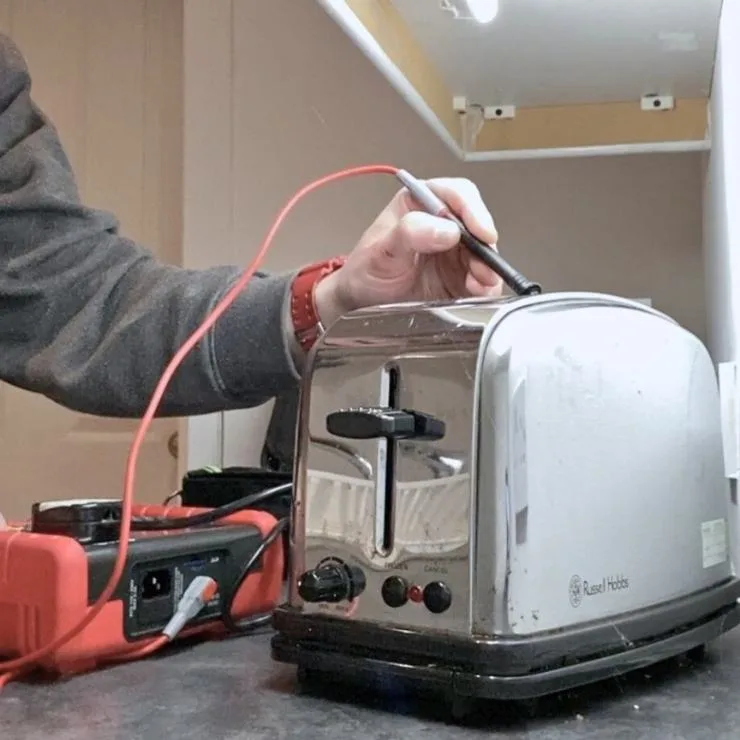
A PAT inspection finds electrical problems that cannot appear during normal use, and a portable appliance testing certificate confirms that such checks took place under recognized practice. The inspector first carefully looks at plugs, cords, and the outer casing of items for wear and damage. Loose connections and damaged insulation often develop due to frequent movement and repeated use. After visual checks, electrical testing check internal safety through calibrated tools. Such tools verify correct current flow and insulation resistance. That process identifies faults that visual review alone cannot reveal. A portable appliance testing certificate records which equipment received inspection and highlights any issues that require attention. Early fault detection supports the removal or repair of unsafe appliances before incidents occur. Detailed inspection records help landlord’s priorities maintenance tasks and plan corrective action. Risk control improves when records remain clear and well organized. Professional inspection relies on recognized testing methods rather than assumptions. Inspection activity also supports broader electrical safety strategies through documentation used during compliance review, insurance discussion, and property oversight, which strengthens accountability and supports safer environments.
Decoding PAT Labels and Certificate Results: Pass, Fail, or Action Needed?
Understanding PAT labels and certificate results helps identify appliance condition and required next steps. A portable appliance testing certificate links directly to PAT labels placed on equipment after inspection. Each label matches the certificate results and shows status through clear wording that confirms safety at the time of testing. A pass result shows an acceptable condition. A failed result shows faults, and the item should remain out of use. Action needed highlights minor wear that requires monitoring or follow-up. Certificate records provide added detail through notes that explain findings and observations. Correct interpretation supports maintenance planning and reduces confusion during audits or property reviews. Incorrect reading of labels can lead to continued use of unsafe equipment. An accurate understanding supports quick decisions about repair or replacement. Inspection results only add value when clearly understood and applied. A portable appliance testing certificate also supports accountability by showing responsibility for appliance safety. Correct use of labels and certificates turns inspection data into practical guidance for electrical safety and informed management across different workplaces.
How Often Does Portable Appliance Testing Affect the Cost?
Discussion around inspection frequency often links directly to budgeting decisions and planning cycles. A portable appliance testing certificate reflects how often appliances receive formal review and how widely the inspection scope extends across a property or organization. Shorter intervals usually apply where appliances face heavy use or constant movement, which can influence portable appliance testing cost over time. Longer intervals may apply where risk remains lower and handling stay limited. Portable appliance testing requirements encourage a risk-based approach rather than fixed schedules, which means inspection planning shapes overall financial impact. A portable appliance testing certificate provides clarity by recording inspection dates and appliance status, which supports planning and avoids unnecessary repetition. Questions frequently arise around service availability and coordination for portable appliance test London work due to dense property layouts and shared equipment usage. Accurate cost guidance normally follows assessment of appliance quantity, access conditions, and reporting needs through a qualified provider. Direct discussion with a professional team provides tailored insight aligned with safety expectations and operational priorities.
| Testing Frequency | Typical Property Type | Indicative Service Range |
|---|---|---|
| Annual review | Offices and rentals | £75 – £150 |
| Biannual review | Workshops | £120 – £220 |
| Quarterly review | High use environments | £200 – £400 |
Portable appliance testing cost depends on appliance quantity, usage level, access conditions, and inspection frequency, and accurate details usually follow direct assessment by a qualified team.
PAT Certificate Expiry: Retest Timelines Every Landlord Should Know
PAT Certificate Expiry: Retest Timelines Every Landlord Should Know relates closely to electrical safety oversight within rental accommodation and the role of a portable appliance testing certificate in maintaining compliance. Portable appliances supplied to tenants experience regular movement, repeated handling, and varied usage patterns, all of which gradually affect condition and reliability. A portable appliance testing certificate represents safety status at the moment of inspection only, not an ongoing guarantee. Over time, internal wear or cable degradation may develop without obvious visual signs. Retesting restores clarity by confirming the current appliance condition through a documented assessment linked to an updated portable appliance testing certificate. Retest timelines depend on risk profile, appliance category, and usage environment rather than rigid schedules. High-use appliances demand closer review compared to items that remain largely static or lightly used. Certification records support structured planning and consistent review cycles across properties. Expired certification increases uncertainty during inspections, tenancy transitions, and insurance discussions. Proactive retesting maintains continuity of records and reduces exposure to unmanaged electrical risk. PAT Certificate Expiry: Retest Timelines Every Landlord Should Know also supports asset planning by identifying appliances nearing the end of safe service life. Inspection outcomes guide informed repair or replacement decisions based on condition evidence. Structured renewal reinforces accountability, supports safer occupancy, and sustains confidence in electrical compliance across managed rental portfolios.
Frequently asked questions.
Conclusion
A portable appliance testing certificate provides structured evidence of electrical safety and responsible appliance management. Clear certification supports compliance duties, reduces uncertainty during reviews, and strengthens safety oversight across supplied equipment. Regular inspection records help identify wear before faults escalate and support consistent maintenance decisions. Documented testing also supports communication with insurers, auditors, and property stakeholders through clear traceability. Strong certification practices therefore contribute to safer environments, clearer accountability, and confident electrical risk control across operational settings.