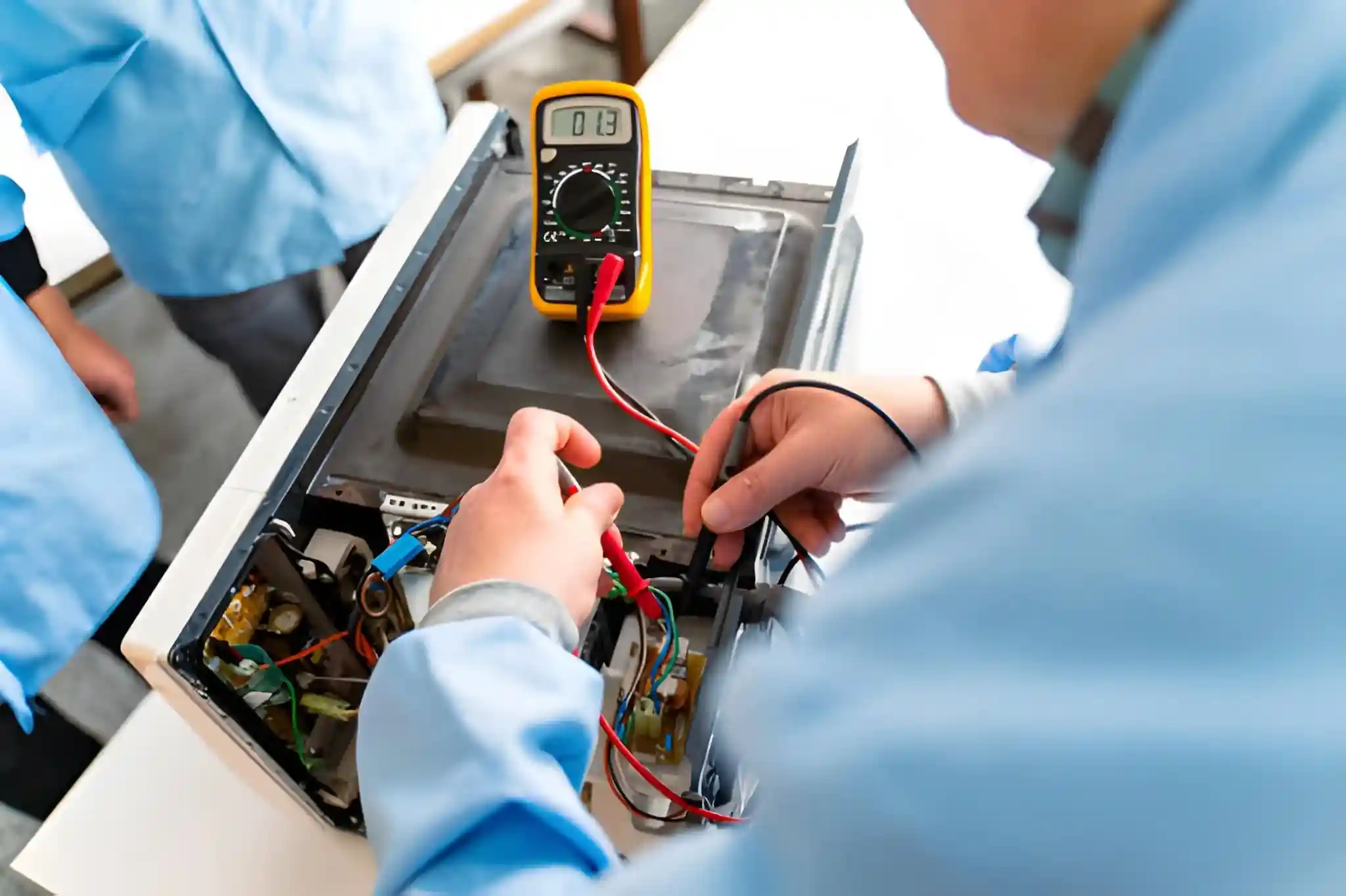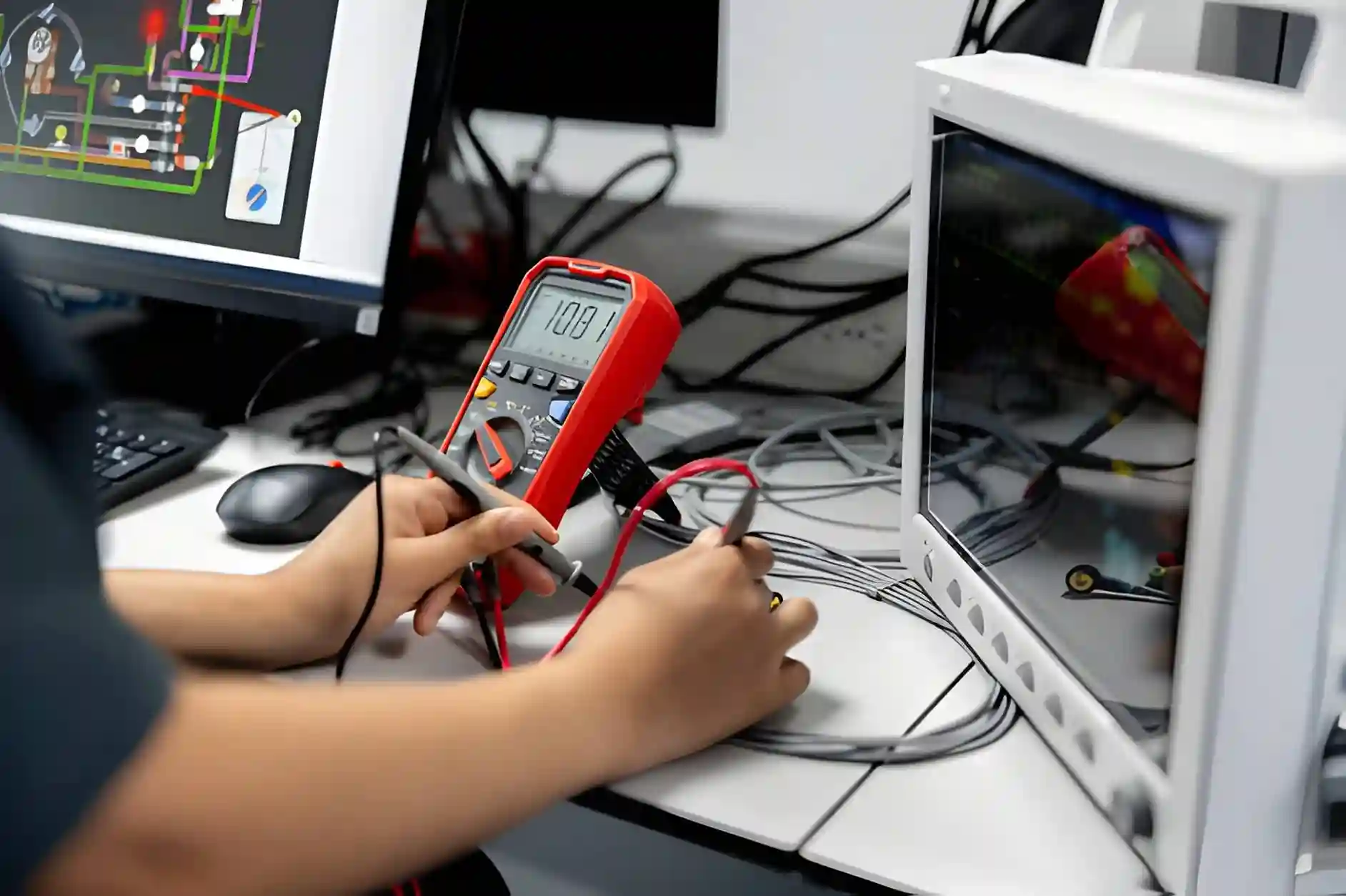
Portable Appliance Testing refers to a formal safety check of electrical appliances used within properties across home and professional spaces. The purpose focuses on risk control, fault detection, and accident prevention. Electrical faults remain a leading cause of property fires, according to UK Fire and Rescue data, which reports thousands of incidents linked to defective appliances each year. The term Portable Appliance Test describes a structured method that verifies appliance safety through visual checks and calibrated instruments. The process supports safety standards applied across rented homes, offices, and commercial buildings. Electrical compliance expectations for landlords, employers, and facility managers. Legal frameworks such as the Electricity at Work Regulations require owners to maintain safe appliance conditions. Insurance providers often request documented proof after incidents occur. PAT testing London supports risk reduction strategies across workplaces and shared residential properties. PAT Test Certificate London acts as formal evidence that appliances meet safety benchmarks on the inspection date. Industry audits often review such documentation during compliance reviews. Residential settings also face exposure to electrical risks. Items such as kettles, extension leads, and office equipment require routine oversight. Portable Appliance Inspection allows early identification of wear, cable damage, or internal faults. Fire safety statistics from Electrical Safety-First highlight appliance defects as a frequent explosion source. Portable Appliance Test London supports consistent safety control across varied property types while aligning with regulatory and insurer expectations.
Key Takeaways
- 1 Electrical appliance safety relies on routine assessment across homes and workplaces
- Portable Appliance Test supports early fault detection before risks increase
- Documented inspection records strengthen compliance reviews and insurance confidence
- Visual checks reveal common defects such as damaged cables and loose plugs
- Electrical measurement confirms insulation strength and earth continuity
- Shared environments face a higher risk due to frequent appliance handling
- Regulatory guidance expects duty holders to maintain safe appliance conditions
- Appliance defects remain a leading cause of indoor fire incidents, according to safety authorities
- Formal testing reduces liability exposure after accidents or claims
- Consistent assessment practices promote safer operations across all property types
How Does a PAT Test Support Electrical Safety?
A PAT Test supports electrical safety through structured checks on plug-in appliances across residential and commercial properties. The approach focuses on early fault detection, controlled risk levels, and compliance with safety guidance issued by the Health and Safety Executive. Electrical Safety-First reports that appliance defects contribute to a significant share of accidental fires across properties each year. The process verifies cable condition, plug integrity, and internal protection features before faults escalate into hazards. Clear records follow each assessment and provide evidence of care for responsible parties. Appliance categories covered under a PAT Test include office appliances, household devices, extension leads, and portable tools. Fault patterns often appear in flexible cables and plugs due to frequent movement and load stress. Fire and rescue service data highlights damaged cords as a recurring explosion factor. Regular checks reduce exposure to shock incidents and equipment failure across shared environments such as rented homes, workplaces, and managed facilities. Insurance assessors often request documented safety confirmation after incidents occur. Regulatory expectations require safe appliance maintenance under workplace and landlord obligations. A PAT Test supports compliance through measurable outcomes and traceable documentation. Industry guidance confirms that consistent inspection practices lower electrical incident rates and support safer occupancy across varied property types.
How Often Should Portable Appliances Receive Safety Checks?
A portable electrical appliance requires routine oversight to maintain safe operating conditions across residential and commercial properties. Regulatory guidance from the Health and Safety Executive confirms that inspection frequency depends on appliance type, usage intensity, and environmental exposure. High-use appliance faces greater wear on cables, plugs, and internal components. Electrical data links frequent handling to elevated fault rates, particularly in extension leads and office devices. A Portable Appliance Test establishes a structured review cycle that aligns appliance condition with safety expectations. Workplaces often apply shorter inspection intervals due to shared use and higher load demand. Managed residential properties also require defined schedules to meet landlord obligations. Fire authority reports show that unnoticed deterioration often leads to insulation failure or overheating. Routine assessment identifies early defects and reduces escalation risk. Documentation from each review supports accountability and traceability during audits or incident investigations. Low-use appliances may follow extended inspection intervals when environmental risks remain minimal. Guidance encourages risk-based scheduling rather than fixed timelines. A Portable Appliance Test supports that approach through measured outcomes and condition assessment. Industry studies confirm that structured inspection planning lowers electrical incident frequency and supports compliance across varied property types.
Who Needs Portable Appliance Testing in London?
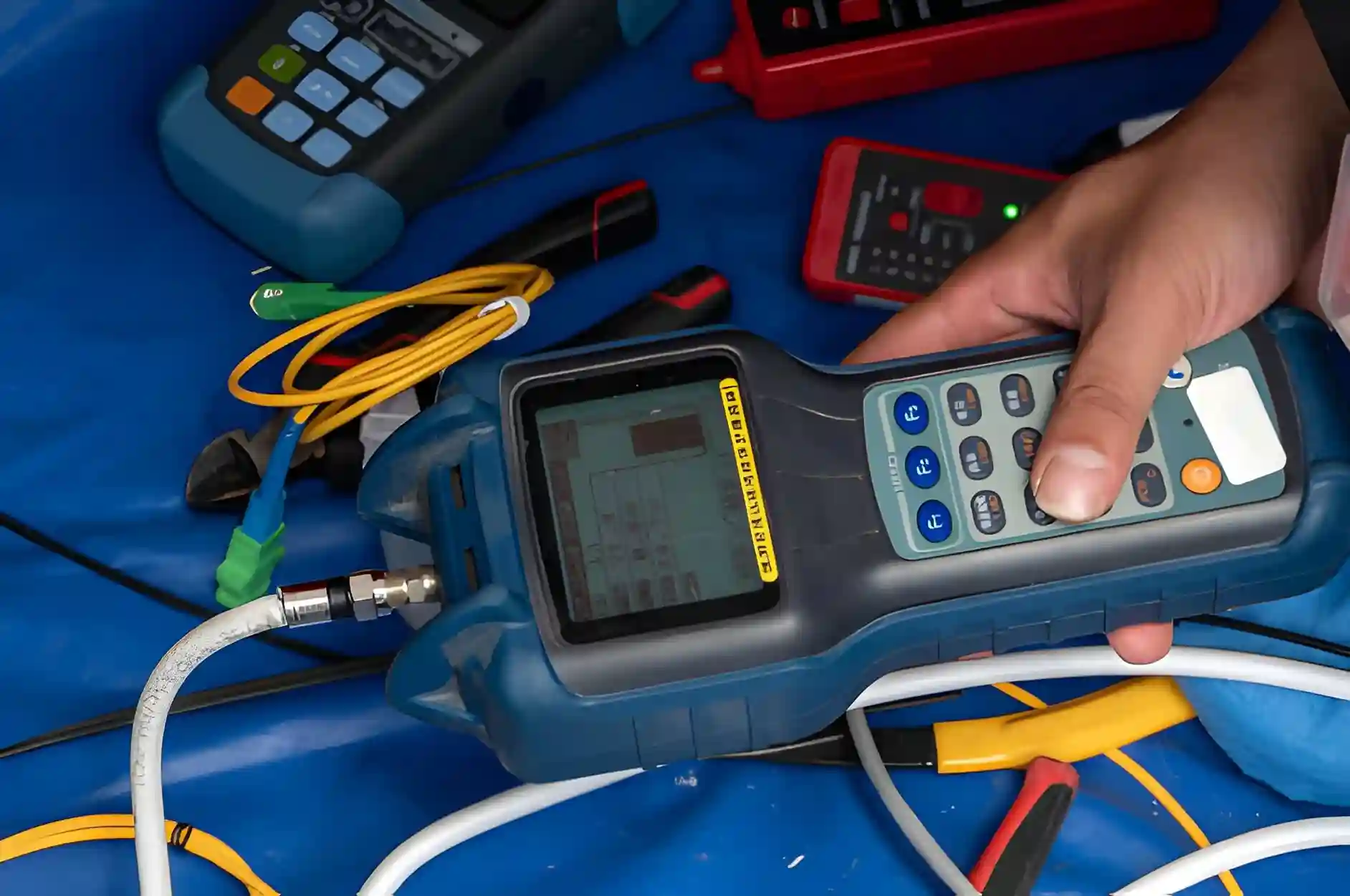
The scope of Portable Appliance Testing extends across multiple sectors that rely on plug-powered equipment during daily operations. Property controllers carry responsibility for equipment safety. Data from. Portable Appliance Test supports structured risk control across diverse operational settings. Office environments and corporate buildings rely on computers, printers, and power extensions that face frequent movement and load variation. Safety oversight reduces disruption and supports care obligations. Landlords and rental property managers face similar exposure due to tenant turnover and varied appliance use. Fire authority reports link damaged plugs and flexible leads to repeated safety failures within rented accommodation. Portable Appliance Test provides documented confirmation that the appliance meets acceptable safety thresholds. Retail units, hospitality venues, and food service operations depend on high-demand electrical appliances. Construction sites and other high-risk environments face increased exposure due to extreme conditions and temporary power setups. Education facilities and care settings require consistent appliance control due to vulnerable occupants. Industry research highlights that routine testing lowers incident frequency and supports safer occupancy across all listed sectors.
How Often Should Portable Appliances Be Tested?
Testing frequency depends on risk exposure, usage patterns, and environmental conditions rather than fixed schedules. Electrical reports that a large share of appliance faults originates from flexible cables and plugs due to regular movement and load stress. A Portable Appliance Test supports structured decision-making by identifying risk factors linked to appliance type and location. Records from previous inspections assist duty holders during schedule planning and safety reviews. Appliance category plays a decisive role in interval selection. Office appliance, such as monitors and printers, typically faces lower mechanical stress compared to tools used within workshops or construction areas. Home environments require attention to frequently handled items such as kettles and extension leads. Surrounding factors such as damp exposure, elevated temperatures, and airflow conditions, vibration also increases deterioration rates and shortens safe intervals. Operational setting further shapes testing schedules. Office spaces present predictable usage patterns, while industrial sites involve heavy loads and constant relocation. Home properties face varied users across shared appliances. A Portable Appliance Test provides measurable evidence that inspection intervals match actual risk exposure and support ongoing electrical safety compliance across diverse environments.
What Appliances Need PAT Testing?
Office environments rely heavily on electrical appliances such as computers, printers, and monitors. Continuous operation and frequent cable movement increase wear risk. Health and Safety Executive guidance links office appliance faults to damaged power leads and loose internal connections. A Portable Appliance Test confirms that such devices remain safe for daily use and supports risk management across professional settings. Workplace fire statistics often reference overloaded sockets linked to office layouts. Kitchen and catering appliances face higher exposure to heat, moisture, and repeated handling. Items such as kettles, microwaves, and refrigerators frequently appear in appliance failure reports published by Electrical Safety First. Portable Appliance Inspection identifies insulation breakdown and plugs faults that often remain hidden during casual checks. Commercial kitchens face elevated scrutiny due to higher fire risk levels. Handheld and portable tools experience mechanical stress due to constant movement. Construction and maintenance reports confirm higher failure rates for drills and power tools. PAT testing London addresses such vulnerabilities across varied property types. PAT Test Certificate London provides documented confirmation after assessment. Portable Appliance Test London supports compliance across shared environments where multiple appliance categories operate together.
Who Requires PAT Testing Across Residential and Commercial Properties?
Electrical safety obligations across a wide range of property types where portable appliances remain in regular use. Landlords manage electrical items supplied within rented accommodation. Employers oversee appliances used by staff within offices, retail spaces, and industrial units. Fire safety data from UK authorities links unmanaged appliances to a high proportion of internal fire incidents across properties. Shared environments present higher exposure due to frequent handling and varied usage patterns. Appliances such as extension leads, kitchen devices, and office appliances experience accelerated wear under such conditions. Structured assessment reduces shock risk and operational disruption across managed settings. Commercial buildings face additional scrutiny from insurers and regulators. Compliance checks often request evidence of appliance safety maintenance after incidents occur. Educational facilities, healthcare sites, and hospitality venues also follow defined safety protocols due to public access. Residential properties with supplied appliances carry similar expectations under landlord safety duties. Clear documentation supports accountability across all settings. Industry audits confirm that defined inspection responsibility lowers dispute risk and supports safer occupancy. Electrical oversight remains a core element of property risk management strategies across varied operational environments.
PAT Testing Certificates & Documentation Explained
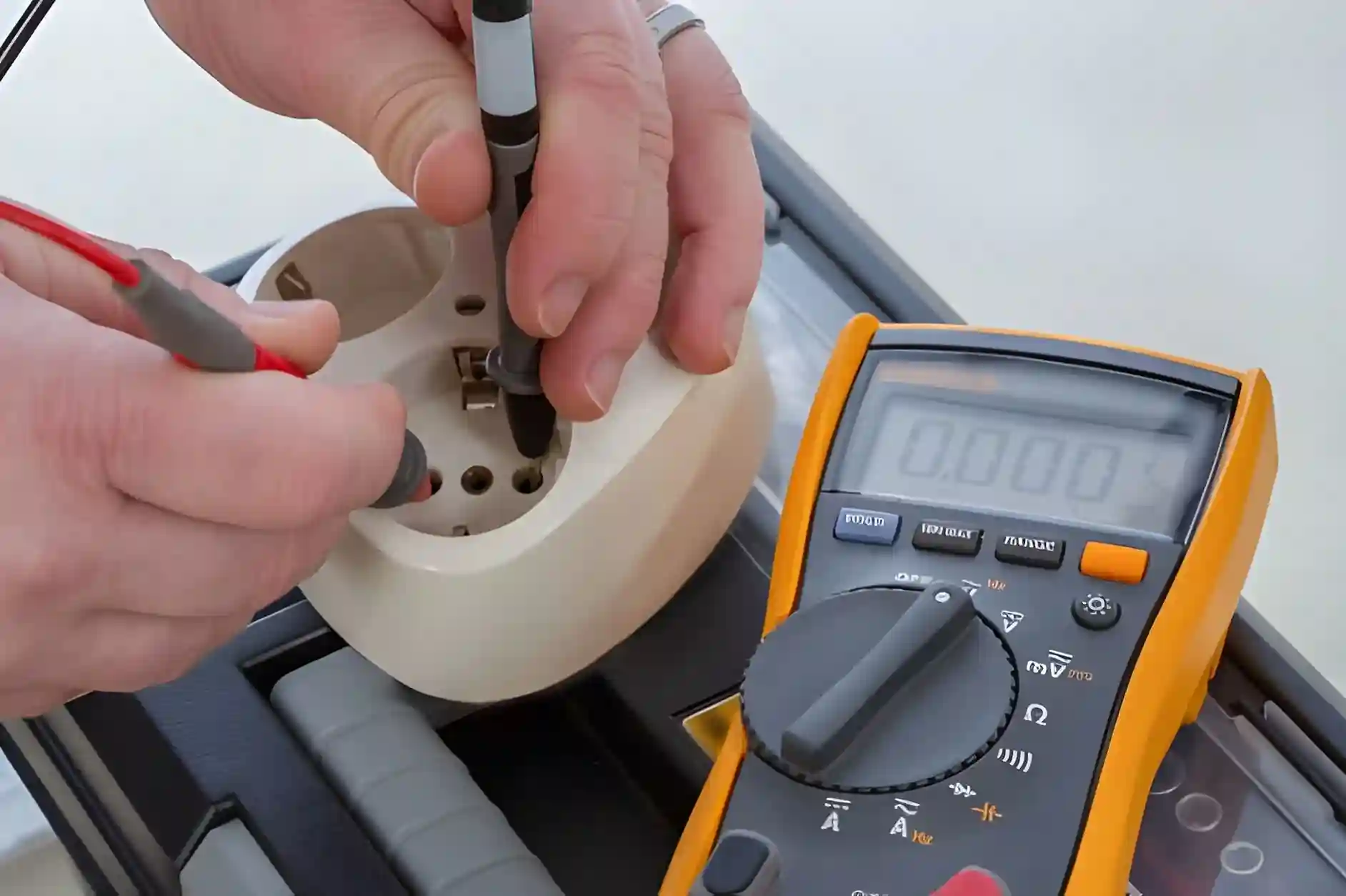
PAT testing documentation provides formal proof that the electrical appliance meets accepted safety standards at the inspection point. A Portable Appliance Test generates records that confirm appliance condition, test results, and identification details. PAT testing in London is commonly conducted across residential blocks, offices, and commercial premises where multiple appliances operate daily. Fire authority data links missing documentation to delayed investigations after electrical incidents. A PAT Test Certificate London includes appliance descriptions, asset references, pass or fail status, and tester credentials. Serial numbers and test dates allow traceability during audits or insurance reviews. Portable Appliance Inspection outcomes appear clearly within the certificate format to support accountability. Industry surveys show that clear documentation reduces dispute risk during safety inspections and claim assessments. Digital records now appear frequently due to ease of access and secure storage. Paper records remain acceptable when maintained accurately. Guidance from the compliance structure recommends record retention aligned with risk profiles and regulatory expectations. Portable Appliance Test London documentation supports long-term safety oversight across managed properties. Insurance providers often request access to historical certificates during claim validation processes.
Frequently asked questions.
Conclusion
Electrical safety remains a core responsibility across properties that includes portable appliances for daily operations. Fault detection through routine assessment reduces fire exposure, appliance failure, and legal disputes. Regulatory guidance confirms that documented checks strengthen duty of care obligations and insurance confidence. The Portable Appliance Test activity provides measurable verification of appliance condition and operational safety. Clear records assist audits, incident reviews, and property management decisions. Electrical data continues to link appliance defects to preventable risks. Consistent inspection practices promote safer environments, stable operations, and long-term compliance across varied buildings where electrical appliance remains in daily use.