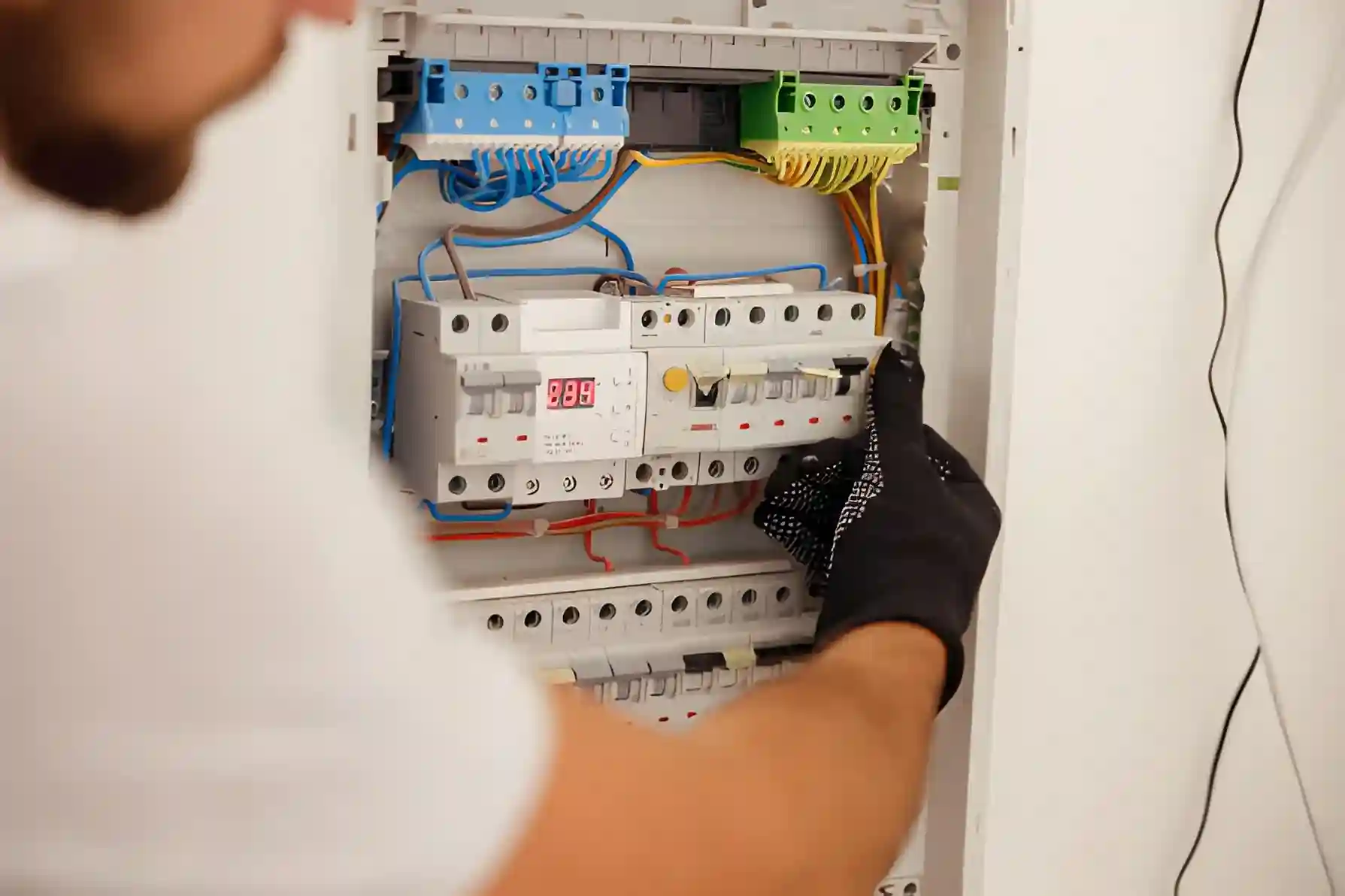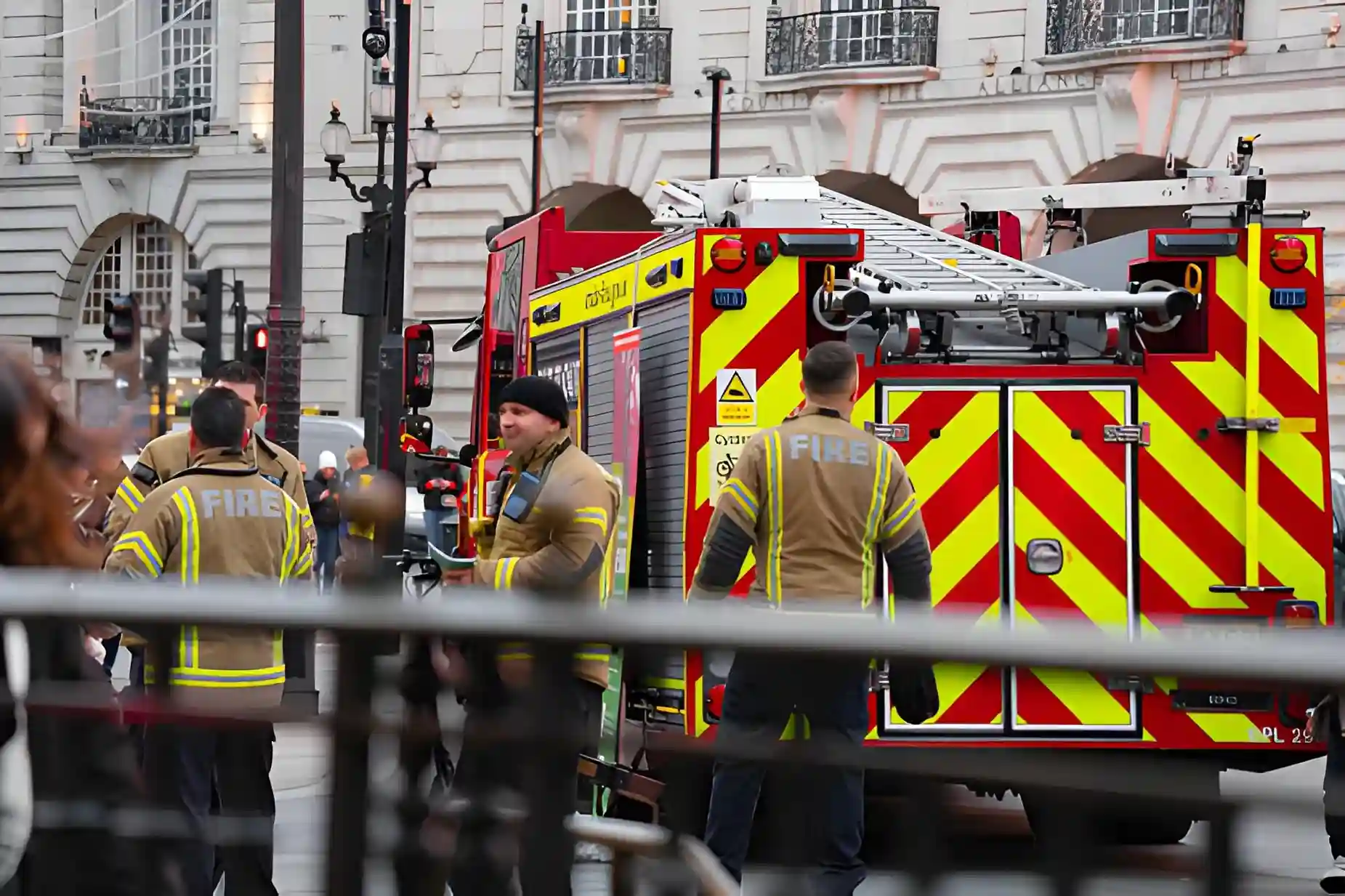
Fire Risk Assessment London remains an essential requirement within property oversight frameworks due to regulatory scrutiny and safety expectations across residential and mixed-use buildings. Property ownership brings accountability for risk identification, control measures, and documented review activity. FRA London aligns assessment practice with statutory responsibilities across single dwellings and complex portfolios. Fire Risk Assessment Legal requirements define expectations around escape routes, detection systems, emergency lighting, and management procedures. Documentation accuracy supports inspection outcomes and demonstrates structured control during regulatory review. A complete fire risk assessment report records findings, assigned actions, and review intervals in a clear and auditable format. Such records assist coordination between managing agents, maintenance teams, and responsible persons. A valid fire risk assessment certificate provides formal confirmation that the assessment activity meets current standards and recognized guidance. Oversight bodies often reference documentation quality when review outcomes occur, which places emphasis on consistency and timely updates. Property layout changes, occupancy variation, and maintenance activity all require reflection within assessment records to maintain relevance. Clear processes reduce enforcement exposure and support continuity during portfolio expansion or management transition. Professional assessment activity strengthens confidence across inspections and supports long-term compliance within property management operations.
Key Takeaways
- Clear responsibility supports consistent safety oversight across large portfolios
- Regular reviews prevent unnoticed safety issues over extended periods
- Accurate records support inspection confidence and accountability standards
- Shared spaces require closer supervision due to higher usage
- Routine maintenance reduces risk escalation across managed properties
- Independent oversight improves assessment quality and clarity overall
- Central tracking supports timely follow ups and closure actions
- Clear communication limits repeat concerns between key stakeholders
- Standard procedures reduce compliance variation across multiple buildings
- Proactive management supports long term safety performance goals
How Fire Risks Differ Across London Building Types
Fire risks vary significantly across different building types due to structure, occupancy patterns, and management complexity. High-rise residential blocks present challenges linked to vertical escape routes, shared services, and reliance on communal safety systems. Converted properties often show hidden voids, altered layouts, and legacy materials that increase risk exposure. Purpose-built flats usually benefit from compartmentation, although poor maintenance can weaken protection over time. Mixed-use buildings add further complexity because commercial activity introduces explosion sources that differ from residential use. Fire Risk Assessment London supports the identification of these varied risk profiles through structured inspection and documentation. Regulatory reviews frequently highlight that assumptions based on building size or age led to gaps in risk control. Older properties often require closer attention to electrical systems, while newer developments depend heavily on active systems that require consistent testing. Fire Risk Assessment London provides a framework that adapts assessment focus according to building design and use. Consistent review enables safety measures to reflect changes in occupancy, renovation work, or system upgrades. Clear documentation strengthens accountability across owners, agents, and contractors. Effective oversight across diverse building types reduces enforcement exposure and supports safer occupancy through informed risk control strategies.
Responsibilities of Landlords and Managing Agents in London
Landlords and managing retailers preserve defined requirements related to fire safety oversight throughout residential and mixed-use properties. Responsibility consists of risk identification, the degree of implementation, and regular evaluation of protection preparations. Oversight screw-ups frequently stand out while responsibilities are cut up throughout more than one event without a clear undertaking. Documentation gaps appear whilst inspection findings follow-up facts or evaluation schedules. Fire Risk Assessment London helps readability by defining roles and expectations within assessment documentation. The regulatory government regularly reviews accountability structures in the course of inspections, which places focus on report accuracy and action monitoring. Managing sellers coordinate inspections, protection activities, and conversations with contractors to ensure safety requirements. Landlords retain ultimate accountability for compliance consequences and must make sure evaluation processes continue to be energetic. Fire Risk Assessment London provides a structured reference that supports coordination between ownership and management functions. Review activity must reflect occupancy change, renovation work, and system upgrades to maintain relevance. Clear communication channels reduce misunderstanding and prevent task duplication. Consistent oversight across portfolios strengthens compliance confidence and reduces exposure to enforcement action. Formal records demonstrate commitment to safety management and support continuity during staff or contractor transition.

Common Fire Safety Issues Identified in London Inspections
Inspection activity across residential and mixed-use properties frequently identifies recurring fire safety concerns. Blocked or poorly maintained escape routes remain a leading issue, often caused by storage in communal areas. Faulty or poorly tested detection systems appear regularly within inspection findings. Fire door defects, including damaged seals or failed self-closing mechanisms, reduce compartmentation effectiveness. Incomplete signage and emergency lighting faults also feature prominently in reports. Fire Risk Assessment London highlights such issues through structured inspection and documentation processes. Poor record keeping often accompanies physical defects, which weakens compliance evidence during review. Inconsistent maintenance schedules contribute to repeated findings across inspections. Fire Risk Assessment London supports early identification of trends, allowing corrective action before enforcement increases. Electrical safety concerns also arise due to overloaded circuits or outdated installations. Waste management practices create ignition risk when disposal areas lack control measures. Clear documentation and timely action reduce repeat observations and strengthen safety oversight. Regular review cycles support continuous improvement and align property management practices with regulatory expectations.
Fire Safety Measures Inspectors Expect to See in Place
Inspection authorities expect clear evidence of active fire safety control across all properties. Maintained detection and alarm systems form a core requirement and must operate reliably at all times. Emergency lighting must function correctly to support safe evacuation during reduced visibility conditions. Fire doors require proper installation, intact seals, and effective self-closing mechanisms to limit fire spread. Clear escape routes must remain free from obstruction and supported by appropriate signage. Fire Risk Assessment London outlines these expectations through structured documentation and recorded findings. Inspectors also review maintenance logs to confirm regular testing and prompt fault resolution. Poor documentation often raises concern even where physical measures exist. Fire Risk Assessment London supports alignment between physical controls and written records, which strengthens inspection outcomes. Access to firefighting appliances such as extinguishers and blankets remains essential, particularly within higher-risk areas. Staff awareness and procedural guidance contribute to effective response during incidents. Clear assignment of responsibilities supports ongoing compliance and reduces repeat findings. Consistent implementation of expected measures strengthens safety confidence and supports positive regulatory review outcomes.
Managing Fire Risk Assessment Records and Follow-Ups
Effective control of fire safety relies on accurate records and timely follow-up actions. Assessment documentation must reflect the current building layout, occupancy levels, and installed safety systems. Missed updates often weaken the compliance position during inspection activity. Fire Risk Assessment London frameworks place strong emphasis on record clarity and action tracking. FRA London supports structured documentation that assigns responsibility and review timelines. Fire Risk Assessment Legal requirements expect evidence that identified issues receive prompt attention and closure. A complete fire risk assessment report provides inspectors with a clear overview of risks, controls, and outstanding actions. Poorly maintained records often lead to repeat findings and increased scrutiny. A valid fire risk assessment certificate offers confirmation that the assessment activity aligns with recognized standards. Consistent filing systems support easy retrieval during audits or regulatory visits. Follow-up tracking ensures corrective measures receive confirmation rather than remaining open indefinitely. Clear version control prevents confusion when multiple reviews occur across a property portfolio. Digital record systems improve accuracy and reduce the risk of lost documentation. Structured oversight of records and follow-ups strengthens accountability, supports compliance confidence, and demonstrates proactive fire safety management across all managed properties.
How Multi-Occupancy Buildings Increase Fire Risk Exposure
Multi-occupancy buildings present elevated fire risk due to shared spaces, varied resident behavior, and complex management structures. Communal corridors, stairwells, and service areas experience higher traffic, which increases the chance of obstruction and wear. Multiple cooking facilities and electrical appliances raise ignition potential across the building. Management complexity often leads to unclear responsibility for maintenance and safety checks. Fire Risk Assessment London supports the identification of these layered risks through structured review and documentation. Inconsistent communication with occupants often results in misuse of shared areas or storage of combustible items. Compartmentation weaknesses may appear where alterations occur without full review. Fire Risk Assessment London highlights how layout design and occupancy density affect evacuation strategy and system performance. Poor coordination between owners, agents, and contractors further increases exposure when follow-up actions remain incomplete. Regular inspection activity supports early detection of emerging risks. Clear records facilitate the tracking of responsibility and resolution across multiple parties. Effective oversight reduces the risk of increase and supports safer occupancy through coordinated fire safety management.
The Role of Professional Fire Risk Assessors in London
Professional assessors play a critical role in maintaining consistent fire safety standards across complex property portfolios. Specialist knowledge allows accurate identification of risks linked to building design, occupancy type, and management practices. Independent assessment supports objectivity and reduces oversight gaps that often appear in internal reviews. Fire Risk Assessment London benefits from assessor expertise through structured inspections and clear documentation aligned with regulatory expectations. Assessors review passive and active safety measures, evacuation strategy, and management controls during site visits. Findings receive prioritization based on risk severity, which supports effective action planning. Fire Risk Assessment London also gains credibility through professional involvement, since inspection authorities often recognize assessor competence during regulatory review. Ongoing guidance from assessors supports follow-up activity and confirms that corrective measures meet required standards. Professional input reduces uncertainty around compliance interpretation and supports consistency across multiple properties. Clear reporting assists owners and managing agents during audits and enforcement reviews. Engagement with qualified assessors strengthens accountability, improves documentation quality, and supports long-term safety governance across residential and mixed-use buildings.
Using Digital Systems to Track Fire Safety Compliance
Digital systems now support stronger control over fire safety compliance across residential and mixed-use properties. Centralized platforms allow assessment records, action logs, and review schedules to remain accessible to authorized parties. Fire Risk Assessment London processes gain consistency when digital records replace fragmented paper files. Automated reminders assist management teams by highlighting overdue actions and upcoming review dates. FRA London frameworks align well with digital tracking because responsibility allocation and evidence storage remain clear and auditable. Fire Risk Assessment Legal requirements emphasize traceable actions, which digital systems support through time-stamped records and controlled access. A complete fire risk assessment report stored within a secure platform reduces the risk of loss or outdated documentation. Version control features help maintain clarity when multiple reviews occur across a portfolio. A valid fire risk assessment certificate uploaded to a central system allows quick reference during inspection activity. Digital dashboards support oversight by highlighting recurring issues and unresolved actions. Data consistency improves communication between owners, agents, and contractors. Structured digital tracking strengthens compliance confidence, supports regulatory review, and improves long-term fire safety governance across managed properties.
Reducing Fire Risk Through Ongoing Property Maintenance
Regular property maintenance plays a key role in controlling fire risk across residential and mixed-use buildings. Poorly maintained systems often lead to defects that increase risk exposure over time. Electrical faults, damaged fire doors, and neglected alarm systems commonly arise where maintenance schedules lack consistency. Fire Risk Assessment London supports the identification of maintenance-related issues through structured inspection and documentation. Planned maintenance activity allows early correction of defects before an increase occurs. Building fabric condition also affects fire spread, particularly where gaps, damaged walls, or altered layouts weaken compartmentation. Fire Risk Assessment London highlights the link between maintenance quality and overall safety performance. Clear maintenance records assist during inspection activity by demonstrating proactive management. Contractor oversight ensures that repair work meets required safety standards and aligns with assessment findings. Routine checks of communal areas reduce obstruction risk and maintain clear escape routes. Maintenance coordination across portfolios strengthens consistency and reduces repeat findings. Structured upkeep supports safer occupancy, reinforces compliance confidence, and contributes to long-term fire safety control across managed properties.
Frequently asked questions.
Conclusion
Effective Fire Risk Assessment London relies on structure, consistency, and active oversight across all property types. Clear responsibility allocation reduces confusion and supports timely action completion. Regular reviews ensure safety measures remain aligned with building use and condition. Accurate documentation strengthens inspection confidence and demonstrates control rather than reaction. Maintenance quality plays a central role in preventing defects that elevate risk. Professional involvement enhances assessment reliability and supports the correct interpretation of regulatory duties. Digital systems improve visibility of outstanding actions and support coordination across stakeholders. Standardized processes across portfolios reinforce uniform safety performance. Proactive management reduces enforcement exposure and supports safer environments for occupants and property stakeholders alike.