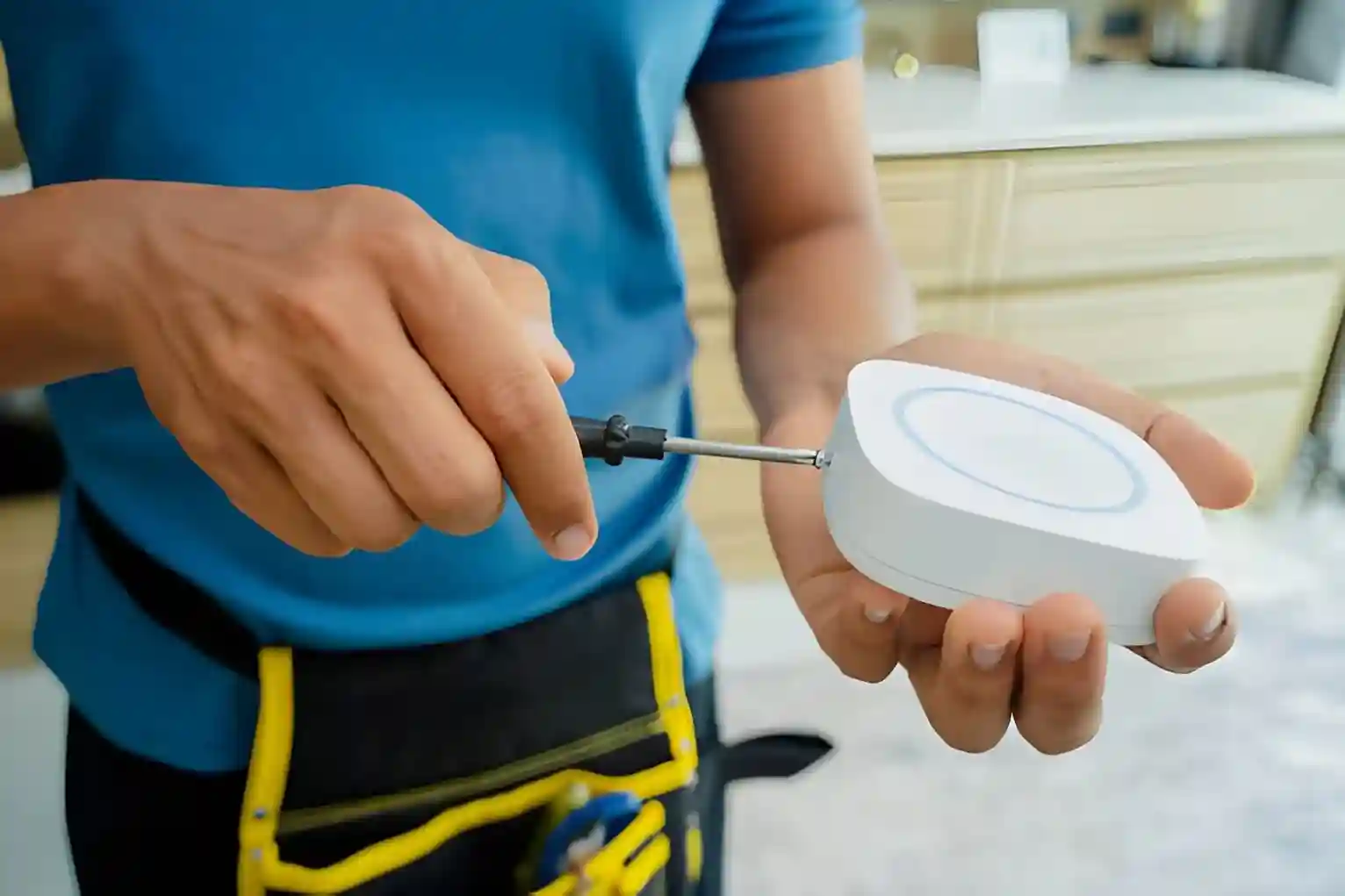
Emergency light inspection is very important for keeping buildings safe from fire. It makes sure the special lights that turn on when power goes out are always ready to help people leave quickly. You should do checks regularly so the system stays strong and reliable. Routine checks stop the lights from failing during an emergency evacuation. Records from each check show that the building follows fire safety standards. Emergency lighting compliance finds problems like faulty wiring, dead batteries, or lights in the wrong place. Regular checks give everyone more confidence in the building’s safety. You should keep clear logs of every test to track performance over time. Proper checks also help staff remember the escape routes. Scheduled checks prevent hazards and keep the building ready for any situation. You can call professionals to do the work and write down all findings. Well-kept systems through regular checks reduce risks and make sure the lights work when needed.
Key Takeaways
- Plan inspections regularly to keep systems fully functional
- Keep detailed records to track performance over time
- Inspect batteries and connections to prevent sudden failures
- Maintain clear and illuminated exit paths at all times
- Monitor safety systems during upgrades or renovations carefully
- Identify small faults early to avoid larger problems later
- Document inspections to show adherence to regulations clearly
- Schedule maintenance cycles to ensure continuous operational safety
- Reliable systems increase occupant confidence and trust in safety
- Regular checks improve reputation for professional building management
Why Are Accurate Records Essential for Safety
Accurate records are very important for keeping any building safe. When you finish the emergency lighting audit, the written notes show the exact test dates and results of each light. Maintenance teams can look at these records and quickly find any issues that keep coming back. The logs from every test help during official reviews to prove the building meets safety standards. A careful Emergency light inspection makes sure no light or device is missed. The recorded information gives clear proof that the building is well cared for and helps lower possible liability. Well-organized logs make work faster and turn hard audits into easy tasks. You should store all records in a safe but easy-to-find place. The history of past tests helps plan smart upgrades or replacements. Tracking every completed test builds strong confidence that the whole system is dependable and ready to protect people.
Regular Inspections Prevent Lighting Failures
Regular checks are a smart way to avoid sudden problems with emergency lights. Emergency lighting compliance done at set times catches issues before they become serious. This inspection finds dead batteries, faulty circuits, and lights that have become too dim. Emergency light inspection helps keep all safe evacuation routes clear and ready. When checks are scheduled properly, good light stays on every exit path. Finding small problems early through consistent checks reduces hazards and prevents safety gaps. Proper checks make sure each device works exactly as it should. Records from every test prove the system is reliable. You should work with the maintenance team to fix issues right after the inspection. Consistent checks improve safety confidence and lower risk. This practice supports long-term system strength and makes the building more prepared for emergencies.
Upgrading Systems to Modern Standards
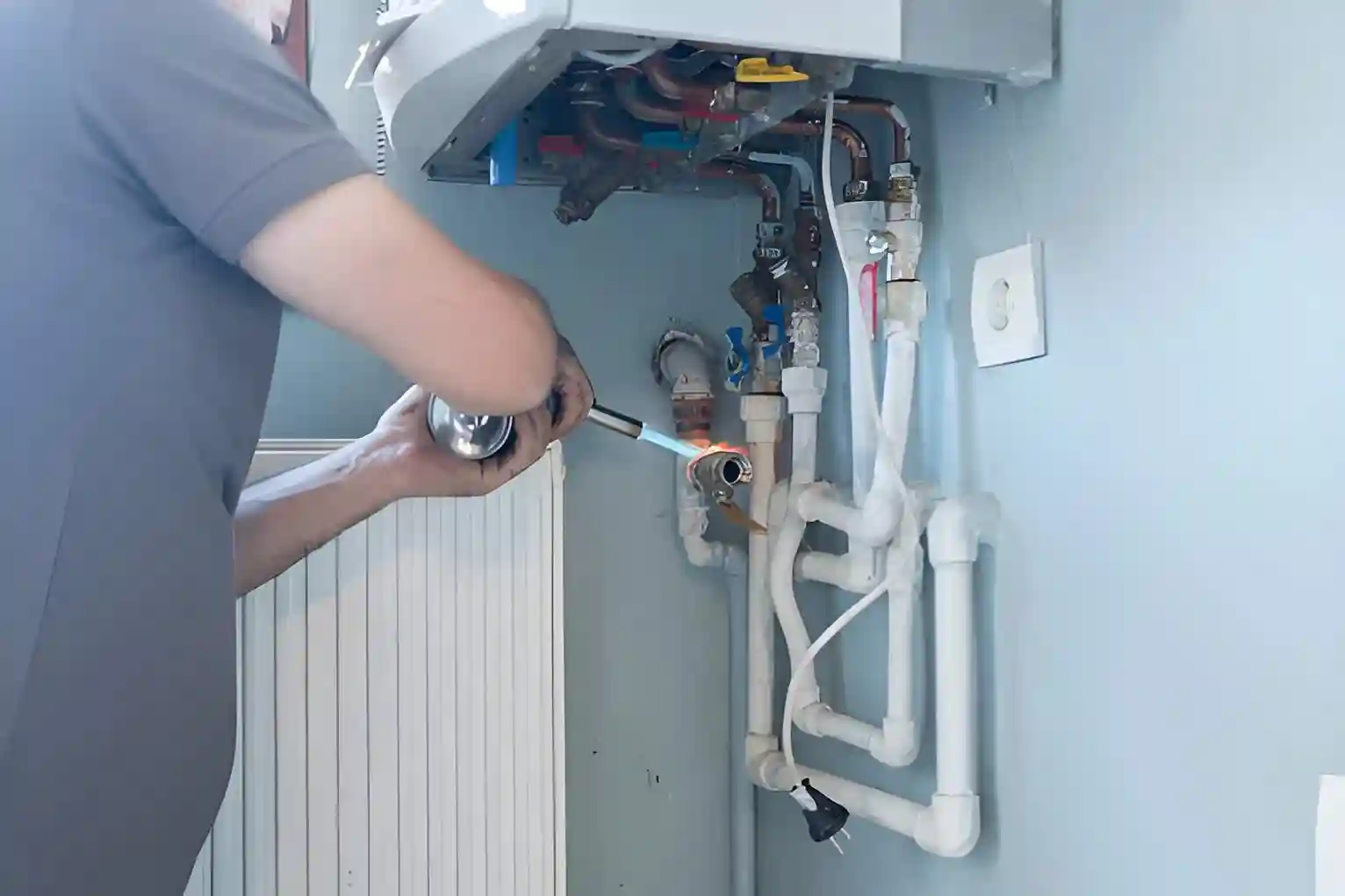
Buildings often need to update emergency lights as rules and technology improve. Emergency lighting check gives clear guidance on which parts should be upgraded to new safety standards. New technology offers longer battery life and brighter lights with less electricity. Emergency light inspection helps identify which old units need replacement. Many buildings now use LED systems because they save energy and need less maintenance. After upgrades, scheduled checks confirm all new units work reliably. Checks make sure new devices connect smoothly with the existing system. Modern upgrades make evacuation paths easier to see and more dependable. Checks support meeting updated regulations without any gaps. Replacing old parts through proper inspection lowers hazards and improves confidence. Checks the document for all changes for future reviews. Upgraded systems perform well in real emergencies. Good planning with regular checks keeps the building safe and ready.
What Are the Consequences of Ignoring Emergency Lighting
Choosing not to care for emergency lights can cause serious problems. Emergency light inspection protects the building from extra liability and legal trouble. When maintenance is ignored, it can create disputes if an incident happens. Faulty lighting may cause insurance companies to reduce coverage. Emergency lighting check shows that building management is responsible and proactive. Non-working units increase danger during evacuation because dark areas create fear and confusion. Proper checks help reduce claim issues and keep the building safe. Scheduling regular checks assures the system is always ready. Documentation from each test supports all regulatory needs. Reliable lighting systems maintained through ongoing checks improve the building’s safety reputation and build trust with everyone who uses it.
How Can Proper Lighting Enhance Safety for Occupants
Good emergency lighting directly improves how safe people feel inside a building. Emergency light inspection confirms that all exit routes stay brightly lit when power fails. Working lights help occupants leave in a calm and fast way. Emergency light inspection finds weak or failing units before they cause trouble. When visible pathways are maintained, panic during emergencies is reduced. Proper checks build real trust in the safety systems. It ensures illumination meets every requirement. Regular checks keep staff and visitors confident. Documented checks show safety is managed responsibly. Scheduling regular checks prevents failures and gives every occupant greater security. Good lighting makes everyone feel more protected in the building.
Scheduling Inspections for Maximum System Reliability
A smart inspection schedule is essential for the highest reliability. Emergency light inspection must cover every unit in the building. You should plan carefully so no device is missed. Emergency light inspection finds faulty batteries, dim lamps, or wiring issues early. Checks stop coverage gaps that could make evacuation unsafe. Well-scheduled checks improve system reliability and occupant safety. You should keep detailed logs after each test. Checks make sure exit paths stay fully illuminated. Timely checks reduce risk during emergencies. Checks help the building meet fire safety standards. Routine checks allow maintenance teams to fix problems immediately. Proper scheduling with regular checks strengthens building safety management and increases trust in the system. Reliable lights protect occupants and reduce liability.
Emergency Lighting Systems Improve Energy Efficiency
Modern emergency lighting can work well while using less electricity. Emergency light inspection helps find units that can be replaced with energy-saving models. New units last longer and need fewer repairs. Emergency light inspection keeps battery performance strong and reliable. You should track how much power each light uses. Checks identify overused or inefficient fixtures. Checks confirm all devices meet safety standards. When lighting is properly maintained, the system lasts longer and becomes more environmentally friendly. Writing down results from each test helps plan future upgrades. Inspection allows small adjustments to brightness so energy is saved without reducing safety. This practice supports both safety and lower energy costs.
Regular Maintenance Strengthens a Building’s Reputation
Taking good care of emergency lights sends a positive message. Emergency light inspection shows that building management cares about occupant safety. Scheduled checks prevent hazards and keep performance steady. Emergency light inspection catches small issues before they grow big. When the lighting system stays reliable, trust grows among all stakeholders. Maintaining devices well strengthens confidence in building management practices. Checks provide proof that the building follows regulations. Documented inspection history shows safety is taken seriously. Routine checks reduce liability risks. Keeping operational lighting in top condition builds a strong safety culture. You should set regular inspection cycles to maintain good performance and protect the building’s excellent safety reputation for many years.
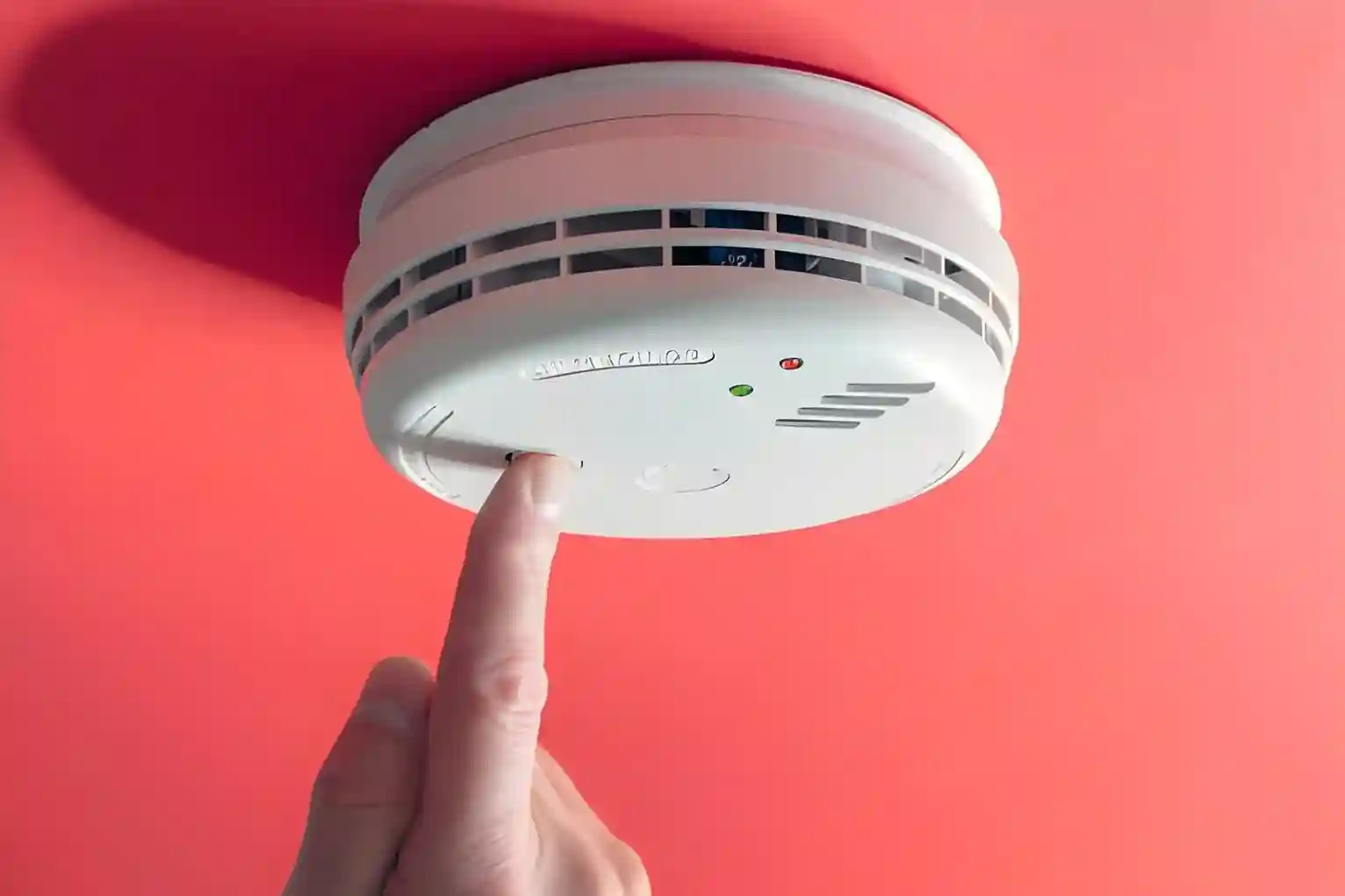
Maintaining Documentation for Safety Verification
Good paperwork is as important as the physical checks. Emergency light inspection works best with complete and accurate records. You should write down every detail after each Emergency light inspection, including performance and any fixes. The logs from every test support easy verification of safety compliance. Proper records help the maintenance team notice repeating faults and solve them permanently. Checks make sure every unit meets operational standards. Detailed logs make audits and reviews much simpler. The documentation from each test proves that safety is handled responsibly. When inspections are combined with strong record-keeping, no device is overlooked. Checks verify that all units respond correctly in tests. Accurate documentation reduces liability by giving clear proof of proper care. Strong records build confidence that the lighting system is reliable and the building is well prepared for emergencies.
Frequently asked questions.
Conclusion
Emergency light inspection is one of the most important activities for keeping buildings safe and following all rules. Regular checks prevent failures and greatly reduce risks when real emergencies happen. You should maintain detailed records to track performance and clearly show that safety standards are followed. Scheduled checks find faulty units, dead batteries, or misaligned fixtures early so they can be fixed quickly. Emergency lighting audit builds strong trust in evacuation routes and lighting systems. Maintaining lights that stay operational increases confidence among staff and visitors and helps create a positive safety culture. You should plan inspection cycles carefully so the building always stays ready. Combining checks with small, timely adjustments keeps the system efficient and dependable for many years. Checks protect every occupant, support full safety rules, and help the building keep a professional safety reputation. When consistent attention is given through regular checks, buildings stay safe, reliable, and completely prepared for any situation.