Landlords must make sure that all gas systems in their rental properties are safe. This protects the people living there and ensures the owner is following the law. The rules are very clear: you must stay on top of regular inspections, keep organized records, and take safety steps immediately when needed.
Legal Safety Requirements
A trained professional checks Gas appliances, pipes, airflow paths, and safety components to confirm they work safely during normal use. Authorities expect proof that safety checks are done and proper care is taken in every property.
Legal Framework for Gas Safety in the UK
The Gas Safety (Installation and Use) Regulations 1998 set the main legal rules for gas safety in rental properties across the United Kingdom. These regulations require landlords to ensure that all gas appliances, pipework, and flues are maintained in a safe condition at all times. Landlords must arrange an annual gas safety check carried out by a qualified engineer and keep a record of the inspection results. A copy of the gas safety certificate must also be provided to tenants within a set time period. Failure to follow these legal duties can lead to serious penalties, including fines or legal action. Following these regulations not only ensures compliance but also protects tenants from potential gas-related risks.
Why Regular Inspections Matter
Regular inspection helps reduce risks like gas leaks or harmful gases inside the home. Written records show that safety rules are followed correctly. The annual gas safety check is the main legal requirement that confirms gas systems are safe and suitable for continued use.
Key Safety Takeaways at a Glance
- Routine safety reviews help keep gas systems under control
- Inspections detect issues that stay hidden during daily use
- Regulations require the responsible handling of gas safety duties
- Approved engineers carry out official system examinations
- Documentation must remain available for future reference checks
- Regular checks lower the risk of leaks and unsafe gas flow
- Air circulation and appliance condition receive full attention
- Proper planning supports smooth inspection arrangements
- Ignoring safety duties can lead to serious legal action
- Consistent maintenance improves overall system performance
Why Gas Safety Checks Matter and What They Cover
Gas systems in rental homes need regular checks to keep people safe and follow the law. If problems are not found early, they can become serious dangers. The inspection looks at appliance condition, gas pipes, air flow, and safety controls. After the check, the results are written down to show that everything was safe at that time. Landlords must show they manage safety actively, not just fix things after a problem happens. Good records help during audits or disputes. Finding faults early lowers risk. A formal check each year is the best way to confirm safety and protect both the property and the people living there.
Legal Compliance: What Landlords Must Provide
A certificate is an official document that proves a property inspection has taken place and that all gas systems were found to be safe at the time of the check. This important paper shows the name of the engineer who did the work, the date of the inspection, and the results of all safety tests. Landlords need this certificate to follow the law and to keep their tenants safe from harm. Insurance companies and local authorities may ask to see this document during a review or after an accident. Keeping accurate records helps avoid disagreements and ensures proper tenancy management.
Key points:
- A certificate proves that a gas safety check was done
- It must list the engineer’s name, date, and test results
- Landlords must keep it safe and easy to find
- Mistakes or missing details can cause legal problems
- Insurers and officials may request it at any time
- Good record-keeping helps pass audits and keeps everyone safe
Landlord vs Tenant Responsibilities
Everyone needs to know their job to plan inspections and avoid delays that break the rules. Landlords must arrange checks, keep records, and fix any safety problems found during the annual gas safety check. Tenants must allow access so that the inspection and repairs can happen. Good communication between both sides helps reduce arguments about dates and times.
The law requires
The person who controls the property, not just who lives there, is responsible for safety. Written notices and records prove that efforts were made. Landlords must fix issues after any inspection, even if the property is empty. A check of the gas safety certificate shows that the annual check was done correctly.
Why Gas Safety Certificates Matter
A certificate is a paper that proves a gas safety check was done. It shows the engineer’s name, the date, and that all gas systems were safe at that time. This record is very important for landlords, tenants, and insurers. It helps avoid arguments and shows that the law was followed. Keep certificates safe and easy to find. A missing or wrong detail can cause big problems. Sometimes you need both a gas and an electric safety certificate. Good records keep everyone safe and ready for a check by officials. If you lose the paper, you may not have proof of safety. So always store it in a clean, dry place.
Rules of Annual Gas Safety Checks
The law requires that you do a gas safety check every year. This keeps the property safe without any gaps. You can book the check a little early or a little late, but do not miss the date. Plan so you don’t have problems with access or scheduling. Write down the exact date of each inspection. If you are late, you may not have a good defence if officials check. Use a reminder system to help you stay on time. Following the yearly rule keeps your tenancy legal and safe.
Key points:
- Do a gas safety check each year.
- Keep a written record of all inspection dates.
- Plan early to avoid missed appointments.
- Late checks can cause legal trouble.
- Use reminders to stay on schedule.
Common Gas Safety Issues and How Engineers Fix Them
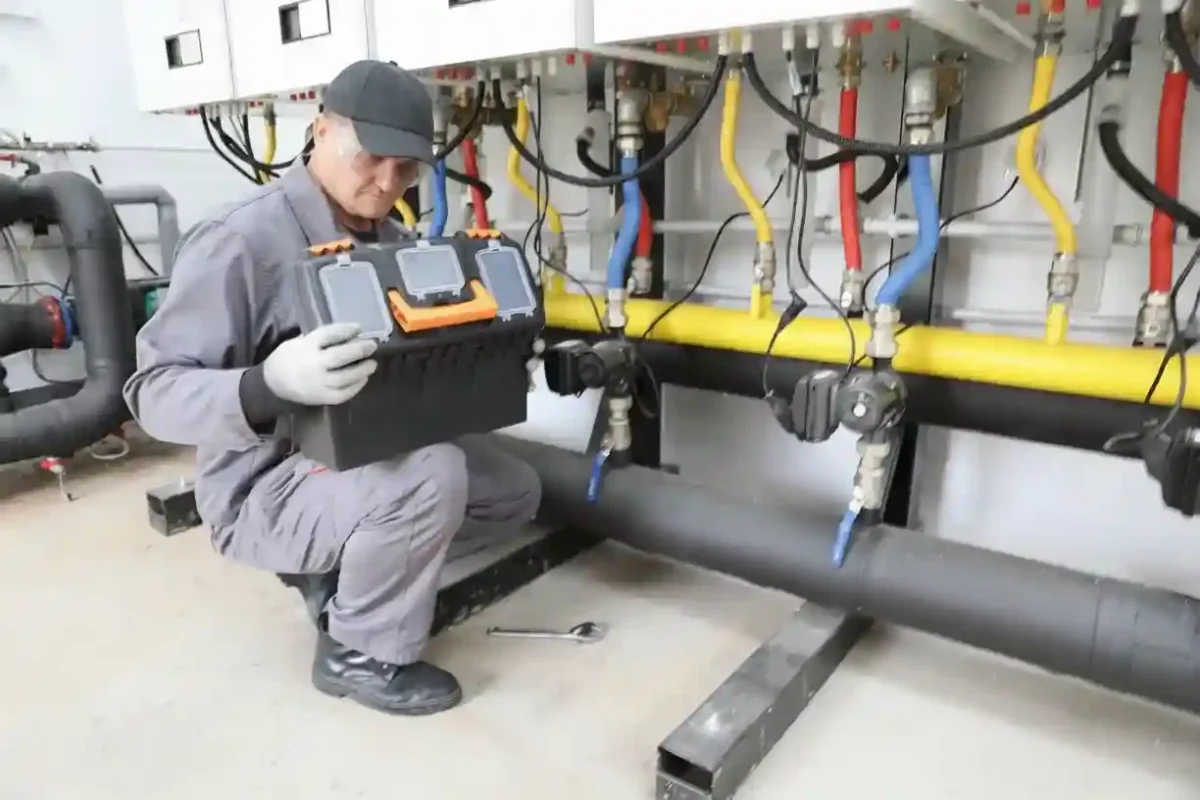
Engineers often find the same types of safety problems during their checks. When they spot a mistake, they fix it by repairing the part, adjusting the settings, or turning off the gas for a short time if it is too dangerous to use. Once they finish the work, they check it again to make sure everything is perfect.
It is very important to keep notes of these repairs to show you are following the safety rules. Finding a small fault now stops it from becoming a big disaster later. By checking your gas every year, you stop the same problems from coming back and keep your building safe for everyone. The annual check is designed to catch these risks before they can cause any real harm.
| Common Problem | How to Fix It |
|---|---|
| Gas leaks from worn joints or seals | The engineer repairs or replaces the damaged part |
| Blocked flues | The engineer clears the blockage |
| Faulty safety shutoff devices | The engineer recalibrates or replaces it |
| Worn appliances affecting combustion | Adjust or replace appliance parts |
| Poor ventilation around equipment | Remove obstructions; ensure airflow |
Fix problems early and keep records of all repairs and checks to stop bigger issues.
Inside a Gas Safety Inspection: What Engineers Check
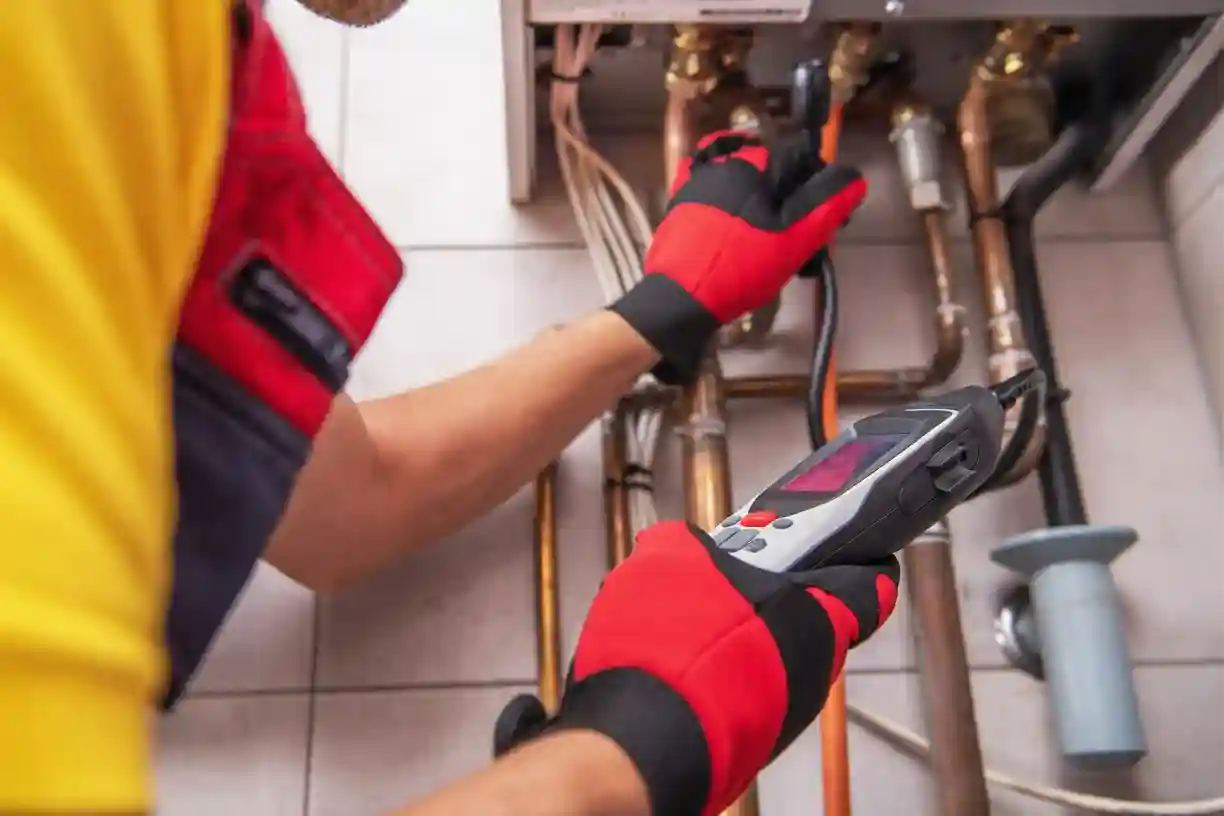
Inspection scope follows recognized technical standards that ensure thorough evaluation of gas systems within the property environment. Engineers assess appliance condition, installation quality, and pipework stability to confirm safe operation. Ventilation assessment verifies sufficient airflow to combustion safety. Flue testing confirms proper exhaust removal without leakage. Gas pressure checks confirm system stability under normal use. Visual inspection identifies corrosion or physical damage. Safety controls undergo functional verification. Findings are recorded clearly for compliance audits. Immediate risks trigger protective action. The annual gas safety check incorporates each of these inspection elements within a structured assessment framework.
Gas Safety Fines and Penalties for Non-Compliance
Authorities may issue formal notices, impose restrictions, or start legal action for serious cases. Missing or invalid documentation can affect insurance. Repeated non-compliance leads to penalties. Gas safety regulations are strictly enforced due to the serious risks associated with gas systems. Failure to complete an annual gas safety check greatly increases regulatory and operational risk.
Typical Penalties for Non‑Compliance
| Violation | Typical Cost / Penalty |
|---|---|
| No valid gas safety certificate | Up to £5,000 |
| Failure to provide a certificate to the tenant | Up to £6,000 |
| Not keeping inspection records | £1,000 – £5,000 fine |
| Missing annual gas safety check | £2,000 – £20,000 |
| Non‑compliance leading to injury or death | Unlimited fine + up to 7 years imprisonment |
How to Prepare for an Annual Gas Safety Check
Effective preparation ensures smooth inspection completion and reduces the number of delays or repeat visits that may affect compliance status. Access coordination ensures engineers can reach appliances without obstruction. Appliance areas require clearance to allow accurate assessment. Previous records support continuity and improve inspection accuracy. Appointment confirmation reduces missed visits. Documentation readiness ensures an efficient inspection flow. Maintenance logs assist technical review. Safety notices inform occupants about inspection activity. Structured preparation improves success rates and inspection reliability. Organised systems support better oversight and lawful operation. Proper preparation strengthens the annual gas safety check process and compliance confidence.
Frequently asked questions.
Conclusion
Following gas safety rules is a key requirement for every landlord. It keeps tenants safe and helps you stay within the law. A proper check confirms that all gas systems work well. The law sets clear job and paperwork rules. Good preparation leads to better inspection results and fewer fines. A gas safety certificate and an electrical safety certificate (EICR) build trust with tenants. Keeping records helps you pass audits. When everyone knows their role, safety never breaks. Fix problems found during the inspection, stay consistent and organised to lower risks over time, and schedule your annual gas safety check today to stay compliant and responsible. Learn more about gas safety, click this blog ‘How to Stay Compliant with the Landlords Gas Safety Certificate UK’.