Home electrical safety depends on clear standards and consistent checks. Old electrical systems and faults appear without visible warning. Property occupants rely on structured checks that align with legal expectations. Safety planning starts with understanding how EICR residential requirements shape household responsibility. Legal frameworks across the UK expect landlords and homeowners to follow defined processes. Compliance safe power distribution reduces exposure to electrical faults. Records also maintain accountability during property use changes. Documentation aligns safety outcomes with recognized benchmarks. Awareness grows when guidance explains how EICR residential requirements affect everyday living. Electrical incidents still cause domestic fires, according to national safety authorities. Fire and rescue data continues to highlight wiring faults as a major factor. Structured assessments reduce such risks. Clear standards also assist insurers during policy review. Property confidence increases through consistent verification. Professional guidance remains available through qualified assessment teams for further clarification.
Key Takeaways
- Electrical safety depends on routine professional assessment
- Fixed wiring faults often develop without visible warning
- Documented checks responsible property management
- Verified inspections reduce fire and shock risks
- Qualified assessors provide a reliable technical evaluation
- Clear records assist insurance and tenancy processes
- Regulatory alignment supports lawful property operation
- Early fault detection limits future disruption
- Consistent reviews improve long-term safety confidence
- Professional guidance informed maintenance planning
What is an EICR and why is it Essential for Home Safety?
An Electrical Installation Condition Report provides a formal assessment of fixed wiring. The report outlines the condition of circuits and connected components. Safety codes guide the assessment process. Clear grading systems identify urgent and non-urgent issues. Property owners gain clarity about the current electrical status. Household safety improves through a structured review rather than assumption. Regulatory bodies link EICR residential requirements with responsible property management. Electrical Safety-First highlights wiring faults as a leading cause of domestic fire incidents. Such findings reinforce the value of formal assessment. Periodic review aligns with risk reduction goals. The report also tenancy transitions and mortgage requirements. Proper assessment links safety with compliance. EICR residential requirements also plan for future upgrades. Where clarification is required, professional teams guide the next steps. Reference material from government safety publications continues to follow this approach.
What Does an EICR Inspection Cover?
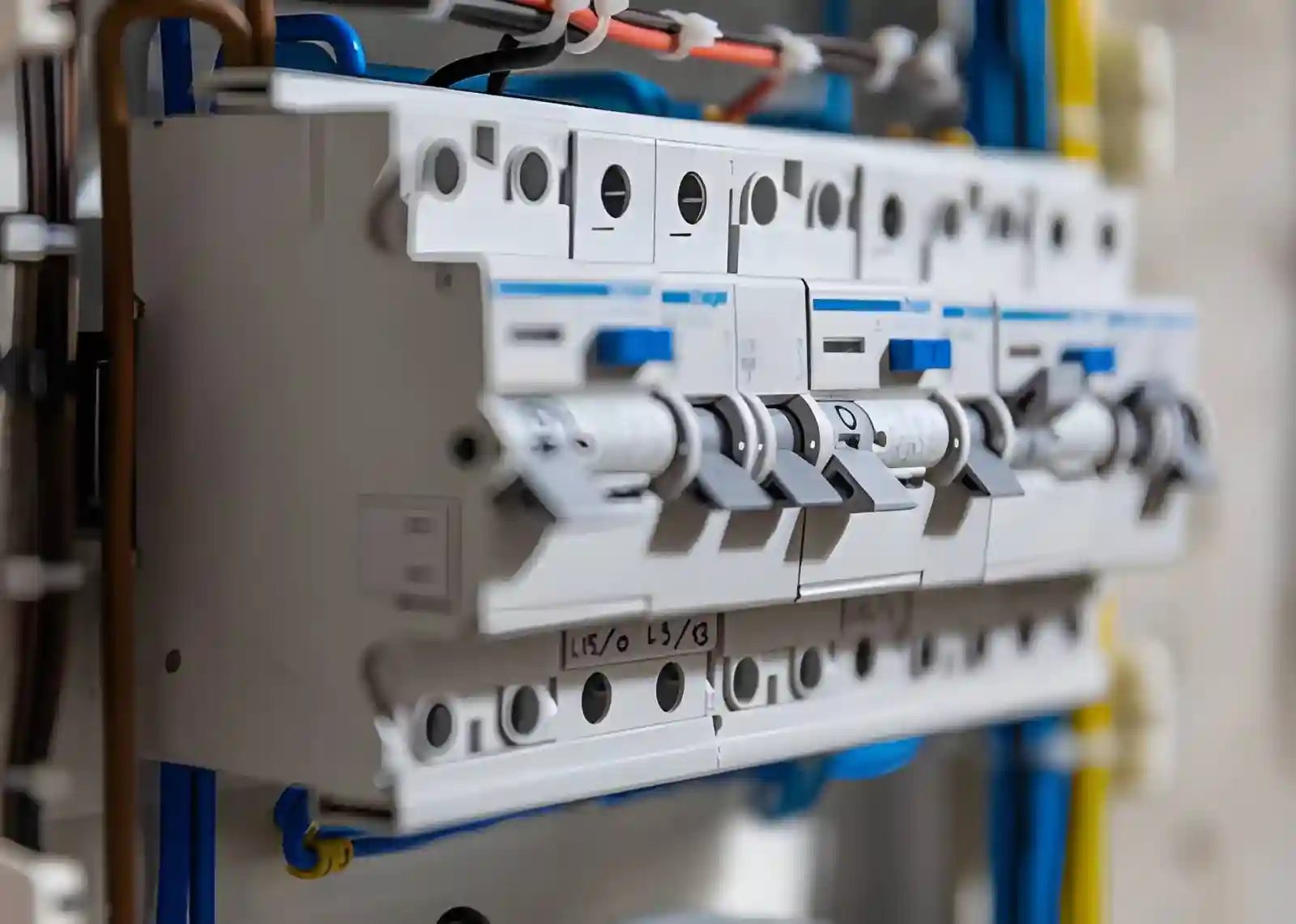
The assessment scope focuses on the fixed electrical infrastructure within a dwelling. Consumer units, sockets, switches, and lighting circuits fall within review boundaries. Protective bonding and earthing arrangements receive close attention. Inspectors test continuity and insulation resistance using calibrated tools. One structured process underpins EICR residential requirements across property types. Fault classification follows nationally recognized coding systems. Findings guide remedial priorities without ambiguity. Electrical Safety-First data indicates that early detection reduces fire risk significantly. One paragraph includes an EICR inspection to clarify the assessment scope. The inspection process avoids disruption while delivering clear outcomes. Safety confidence improves through documented results. EICR residential requirements also ensure consistency across inspections. Property records remain updated for compliance review. Professional teams remain available to explain outcomes and recommended actions where clarification becomes necessary.
Who Can Carry Out an EICR on a Residential Property?
Only competent and qualified electricians may perform formal assessments. Accreditation ensures technical skill and regulatory awareness. Certification schemes monitor ongoing competence and professional conduct. Property owners benefit from verified expertise rather than informal checks. Regulatory guidance links EICR residential requirements with assessor competence. Qualified professionals understand EICR testing protocols and reporting standards. Misinterpretation risk reduces through proper training. Government-backed schemes publish registers for verification. Research from safety regulators shows reduced incident rates when certified assessors perform inspections. Trust builds through transparent credentials. EICR residential requirements depend on the correct interpretation of test results. One paragraph includes EICR testing to reflect procedural accuracy.
What Does a Full Residential EICR Inspection Actually Check?
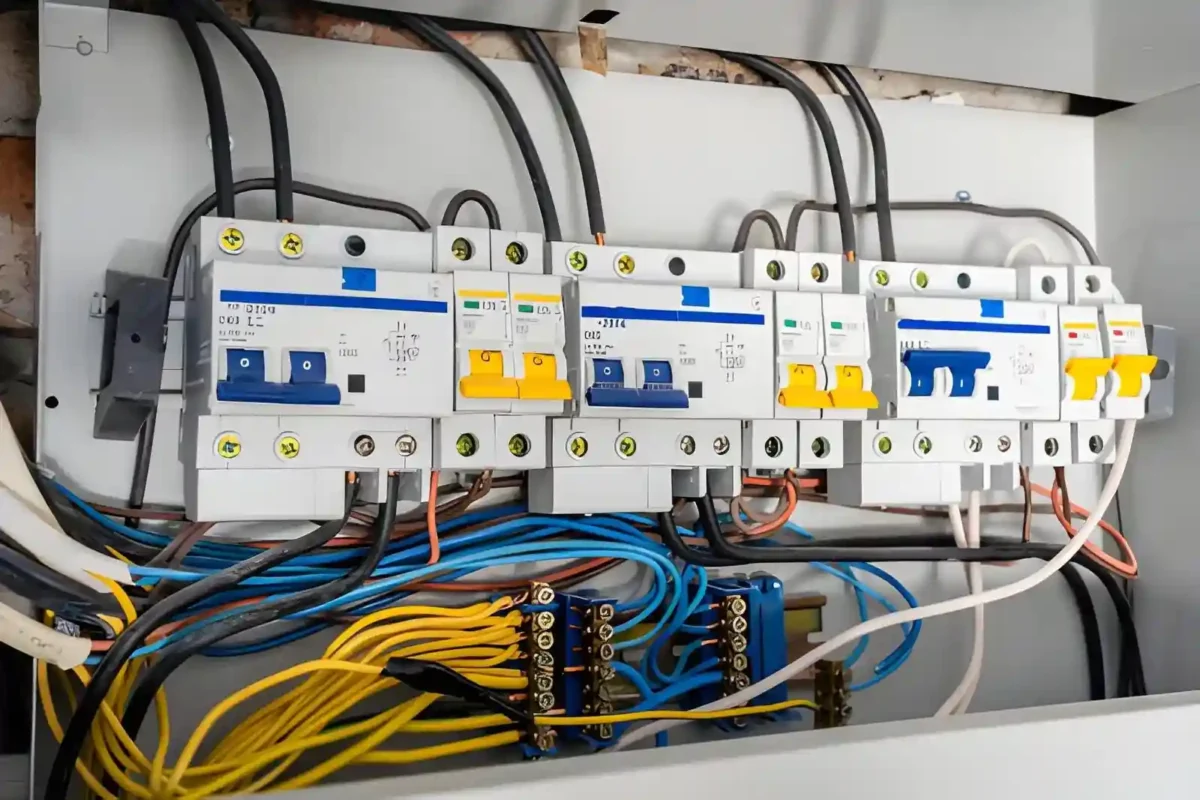
A detailed assessment checks circuit integrity and protective devices. Load capacity alignment with current usage receives review. Signs of overheating or deterioration receive documentation. The inspection also evaluates compliance with current wiring standards. One structured approach to EICR residential requirements across older and newer properties. Risk indicators receive clear classification. National fire statistics continue to link faulty wiring with preventable incidents. Early identification limits escalation potential. One paragraph includes the EICR report to highlight documentation outcomes. Clear reporting informs decision-making. EICR residential requirements also assist long-term maintenance planning. Professional insight clarifies technical findings.
Costs of EICR for Residential Properties in the UK
Financial considerations often raise concerns during compliance planning. Regulatory focus remains on safety rather than expense discussion. Property owners benefit from viewing assessment as risk management. EICR residential requirement rather than an optional activity. Electrical safety authorities consistently emphasize prevention over remediation. Fire incident reports demonstrate the value of proactive assessment. Clear documentation, insurance, and tenancy obligations. EICR residential requirements align with duty of care principles. For detailed information about service arrangements, professional teams provide direct guidance. No fixed figures apply universally due to property variation. Reliable advice ensures clarity without speculation. National safety publications continue to reinforce this structured approach to household electrical safety.
| Property Type | Number of Bedrooms | Estimated Cost (GBP) |
|---|---|---|
| Small Flat | 1 Bedroom | £80 – £120 |
| Standard Flat | 2 Bedrooms | £100 – £150 |
| Small House | 2–3 Bedrooms | £120 – £180 |
| Medium House | 3–4 Bedrooms | £150 – £250 |
| Large House | 4–5 Bedrooms | £200 – £350 |
| Large or Old Property | 5+ Bedrooms | £300 – £500 |
These costs vary depending on property size, age, wiring condition, and location.
Recent Changes and Updates to EICR Residential Regulations
Regulatory frameworks evolve to address emerging safety data. Updates reflect technological change and usage patterns. Authorities refine guidance to strengthen household protection. EICR residential requirements are accepted through the updated codes and reporting standards. Government publications outline revised expectations for landlords and homeowners. Fire safety statistics influence policy direction. Compliance awareness smoother implementation. EICR residential requirements also improve consistency across inspections. Professional bodies distribute updated guidance to accredited assessors. Staying aligned with published updates reduces compliance risk.
What to Expect on the Day of Your EICR Test
Prepare a smooth assessment process. Access to fixed electrical components assists efficiency. Power interruptions remain minimal during checks. The assessor follows structured procedures and safety protocols. EICR residential requirements guide every stage of the visit. EICR testing equipment verifies circuit condition accurately. Findings receive clear classification during documentation. National safety guidance this structured method. EICR residential requirements ensure consistency and transparency. Property occupants receive clear explanations of outcomes. Professional teams provide follow-up clarification where required. Further details remain available through direct contact with qualified assessment providers.
Timelines: Providing the EICR Report to Tenants and Local Authorities
Timelines and completion dates play an important role in ensuring that electrical safety is maintained for residential buildings. When the inspection is completed, the record should be organized immediately so that each party concerned can immediately evaluate the findings. Tenants need to receive documents within a reasonable time frame to be aware of the condition of the property they occupy. The municipal council may request access to the register to verify compliance with security standards. Early delivery can solve some diagnostic problems before they end in extreme crises. Owners are responsible for ensuring that every single result is achieved and necessary measures are taken. Following proper schedules promotes punitive control, reduces risk, and promotes a safe living environment for all residents.
Frequently asked questions.
Conclusion
Residential electrical safety relies on structured checks and clear accountability. Property responsibility connects directly to documented assessment and professional oversight. Electrical faults continue to appear without visible signs. Formal verification reduces uncertainty and ensures safer living conditions. National safety authorities repeatedly link inspection compliance with reduced domestic incidents. Clear records, tenancy management, and insurance review. Confidence grows when actions follow recognized standards. At the center of residential electrical safety, EICR residential requirements remain a critical reference point for maintaining lawful and secure homes.