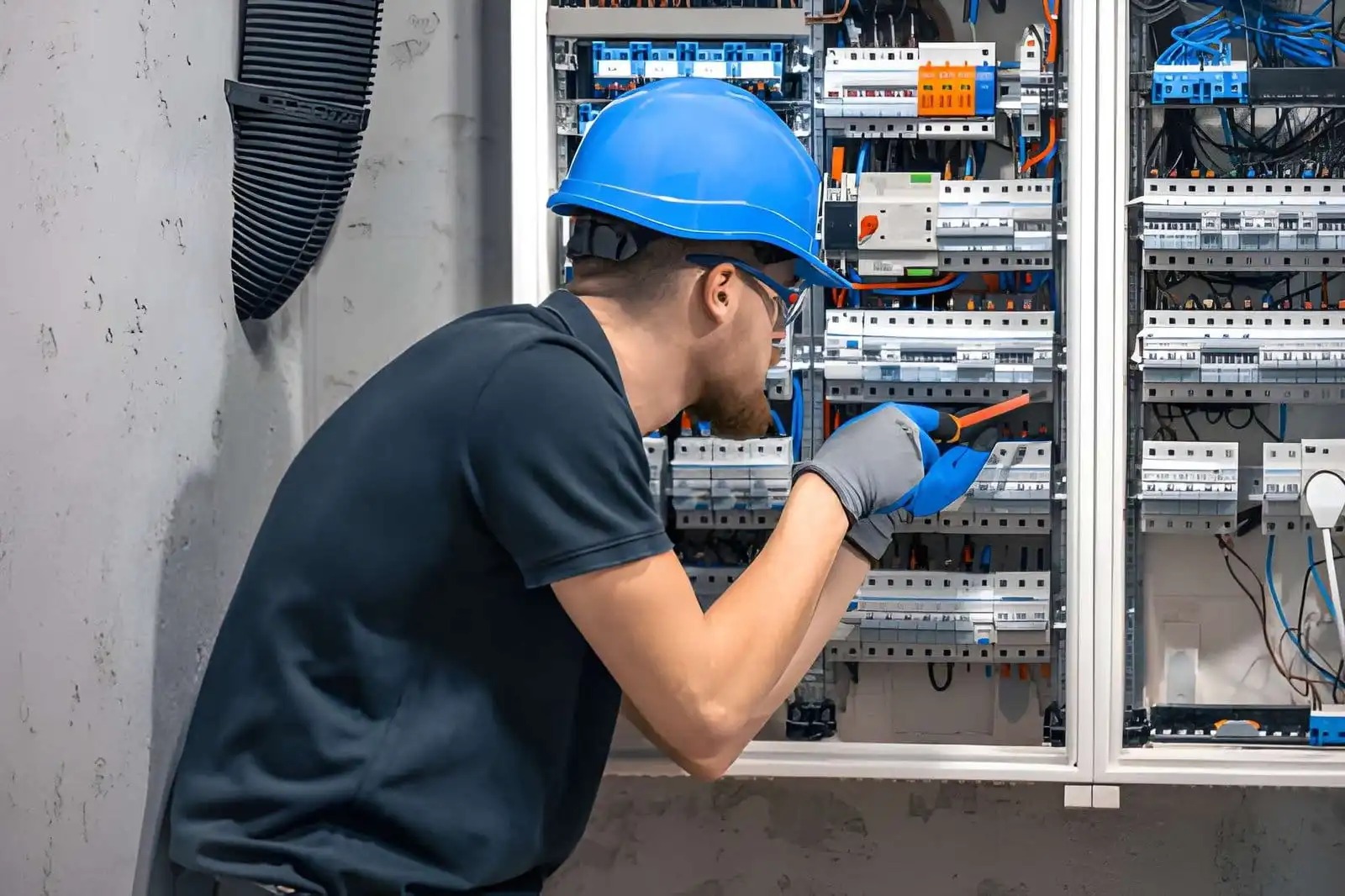
Electrical systems can present serious safety risks when handled incorrectly. A certified electrician has the training and experience needed to carry out emergency fuse box installation safely and in line with current regulations. Professional expertise helps to keep daily operations circuits balanced and wiring solid. Emergency fuse box installation helps restore safe power quickly after an electrical fault. After electrical faults and lowers the possibility of more damage to the system. Proper management helps to control the rise of fire risk across the system and helps to lower unanticipated electrical dangers. Professional help also improves long-term dependability and adherence to necessary electrical safety standards.
Key Takeaways
- Fast action reduces electrical risk
- Old units lack modern safety features
- Isolation prevents wider system damage
- Heat buildup can hide internal faults
- Testing ensures safe circuit flow
- Protection devices reduce fault impact
- Clear wiring supports future upgrades
- Compliance maintains safety standards
- Early faults reduce repair complexity
- Proper setup improves system stability
How Certified Electricians Ensure Safe Emergency Fuse Box Installation
Certified electricians follow structured methods during every stage of work. Planning, isolation, and testing form the foundation of safe practice. Equipment selection follows regulatory guidance and manufacturer instructions, and emergency fuse box installation receives controlled handling to avoid secondary faults.
Correct Fuse Box Installation Supports Long-Term Electrical Safety
Correct fuse box installation ensures load distribution meets circuit demand, and testing confirms earth continuity and fault response accuracy. Certification reports show reduced failure rates where regulated installers complete consumer unit work, and detailed labelling improves maintenance clarity. Professional oversight prevents common wiring errors. Compliance-focused installation supports stable operation under modern electrical demand.
Signs Your Fuse Box Needs Professional Attention
Usually, evident indications of a major malfunction show before one occurs; visible warnings usually signal internal damage, loose connections, or system overload that might develop into safety hazards. Declining protection levels, burn marks, odd noises, or frequent power disruptions, where a local fuse box expert may offer quick risk management and safer electricity flow. Older units increase danger, while electrical fuse box installation restores proper protection and system balance through professional checks.
Common Warning Signs of Fuse Box Problems
| Warning Sign | What It Indicates |
|---|---|
| Frequent power trips | Circuit overload or internal fault |
| Heat marks | Loose wiring or worn parts |
| Buzzing sounds | Arcing inside the unit |
| Old fuse box design | Lack of modern safety devices |
How Professional Fuse Box Installation Helps Prevent Electrical Fires
Professional setup reduces overload risks and supports safer current control across electrical systems.
Modern Safety Devices Improve Fault Protection
Emergency fuse box installation adds advanced protection that quickly isolates dangerous electrical faults.
Proper Connection Techniques Reduce Heat Buildup
Accurate termination reduces overheating and limits the risk of electrical ignition at contact points.
Electrical Fire Statistics Highlight the Importance of Safe Installation
Electrical faults remain a major cause of domestic fires, according to safety authority reports.
Metal Fuse Box Enclosures Enhance Fire Containment
New fuse box installation uses a metal casing to contain sparks and reduce flame spread.
Fault Response Testing Verifies Electrical Safety
Structured testing confirms safe disconnection timing during electrical overload or short-circuit events.
Why Proper Fuse Box Installation Protects Your Home
Electrical protection supports daily living without hidden threats, and proper installation ensures circuits operate within designed limits. Installation of emergency fuse boxes helps to bring back the protective layers that were lost during fault situations. RCD and RCBO devices help to lower the risk of shock and the degree of injury. Modern consumer units offer better defense against electrical problems and enable lower fire and electric shock risk.
Clear Circuit Labelling Improves Maintenance and Emergency Response
Clear circuit identification aids maintenance and emergency response, while correct enclosure placement helps limit accidental contact.
Modern Consumer Units Support Reliable Electrical Performance
A reliable fuse box setup ensures appliance performance, and a structured installation preserves property integrity and occupant well-being.
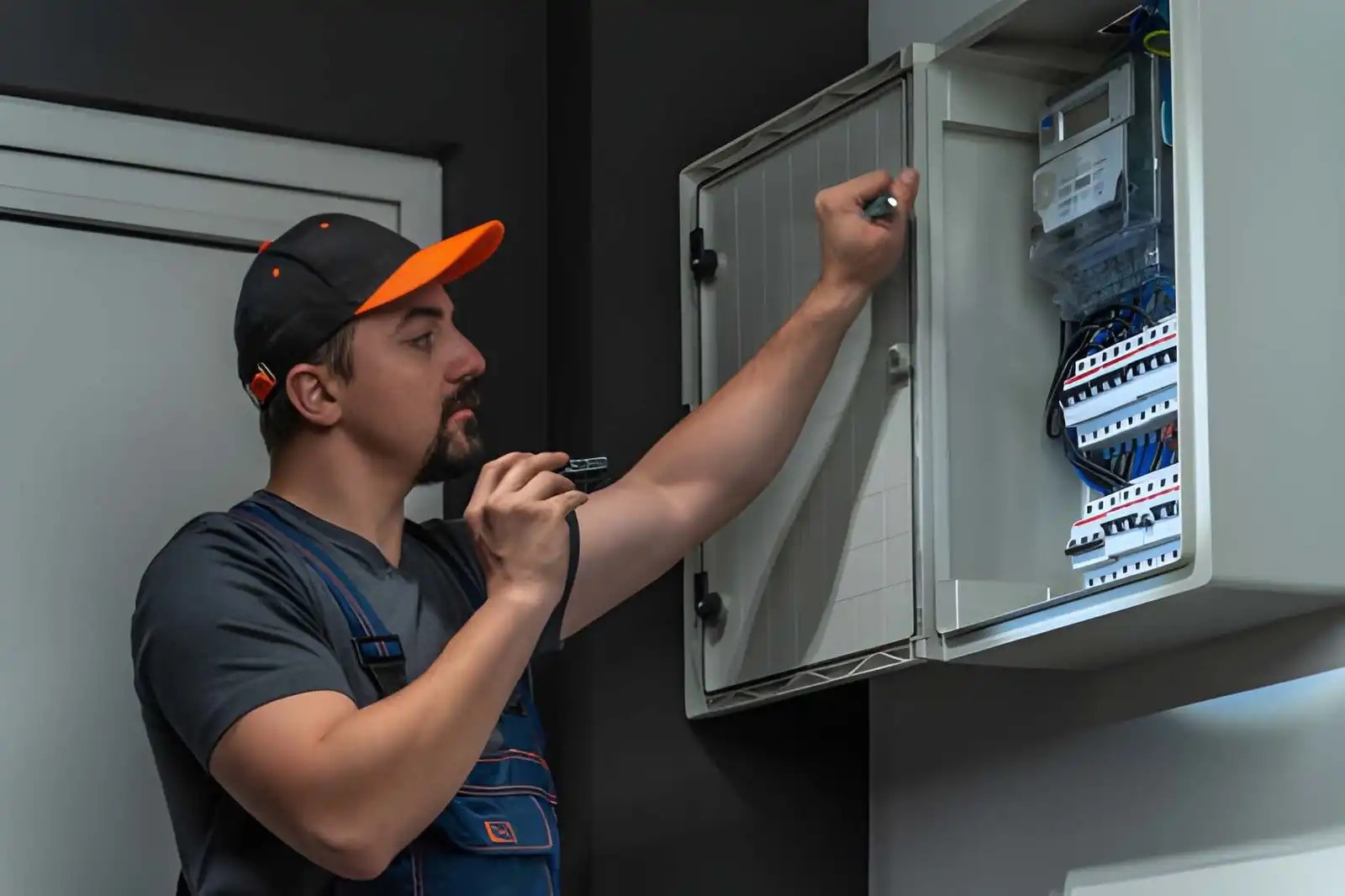
Emergency fuse box installation
How to Verify an Electrician’s Certification and Experience
Certification demonstrates that an electrician meets recognised industry standards, while verification helps confirm their qualifications and professional accountability. Installing an emergency fuse box requires proof of training and registration. Industry registers provide public confirmation of credentials.
Check Professional Registration and Industry Certifications
Certification and registration help confirm that the electrician meets current industry standards and legal requirements.
Review Previous Experience With Fuse Box Installations
Experience reflects exposure to varied fault conditions and system layouts, improving decision-making during emergencies.
Request Documentation and Compliance Records
Documentation such as installation certificates, safety reports, and professional records indicates compliance history. Verified expertise reduces installation errors and legal exposure.
Electrical Regulations That Affect Fuse Box Installation
Qualified Electrician Requirements for Fuse Box Work
Fuse box work must be completed by a registered electrician or reported to building control under Part P regulations.
Mandatory RCD Protection Requirements
Regulations require RCD protection to disconnect power quickly and reduce serious electrical hazards.
Earthing and Bonding Standards for Electrical Safety
Proper earthing reduces shock risk and helps protect metal pipes and appliances from dangerous voltage.
Fuse Box Location and Fire Safety Regulations
Fuse boxes must remain accessible, be installed at a safe height, and stay away from combustible materials.
Electrical Testing and Certification Requirements
Electricians must test the system and issue certification proving safety and regulatory compliance for legal and insurance purposes.
Why Routine Electrical Inspections Help Prevent Emergency Repairs
Routine inspections identify risks before they escalate, and scheduled assessments review fuse box condition and overall circuit integrity.
Early Detection of Electrical Hazards
Emergency fuse box installation often follows inspection findings that reveal immediate safety concerns before major failures occur.
Advanced Testing Methods Reveal Hidden Faults
Inspection data shows reduced emergency incidents where regular checks occur, and thermal imaging alongside electrical testing helps uncover hidden faults.
Preventive Maintenance Improves Long-Term Safety
Maintenance planning improves response times, while documented inspections provide compliance evidence. Early fault detection reduces repair disruption and enhances overall safety planning.
What to Expect After a New Fuse Box Installation
Once installation is complete, the system undergoes testing and verification before power is safely restored. The last steps of emergency fuse box installation are certification, system confirmation, and precise labelling for next maintenance and checks.
Protective Devices Are Tested for Accurate Operation
Protective devices respond accurately during simulated faults, and upgrading to a modern consumer unit can improve electrical reliability and provide better protection against faults.
Installation Certificates Confirm Compliance
Documentation confirms regulatory alignment and provides proof of safe installation.
Improved Safety and Electrical Reliability
Occupants benefit from fewer disruptions, enhanced protection, and more reliable electrical system performance.
Frequently asked questions.
Conclusion: Why Hiring a Certified Electrician Is Essential for Emergency Fuse Box Installation
Electrical safety depends on regulated expertise and timely action, and professional involvement ensures systems operate within safe limits. Emergency fuse box installation addresses urgent risks and restores protection. Certified workmanship aligns installations with legal and safety expectations, and modern consumer units reduce fire and shock hazards.
Professional Installation Supports Compliance and Safety
Structured testing and documentation improve accountability, while ongoing inspections help maintain safety standards.
Long-Term Benefits of Expert Electrical Services
Reliable installation protects property value and occupant welfare. Professional electrical care supports stable living environments, and responsible action strengthens long-term electrical resilience.
For trusted support and fast assistance, contact Landlord Safety Certification for expert guidance, compliant solutions, and reliable electrical safety services tailored to property needs.