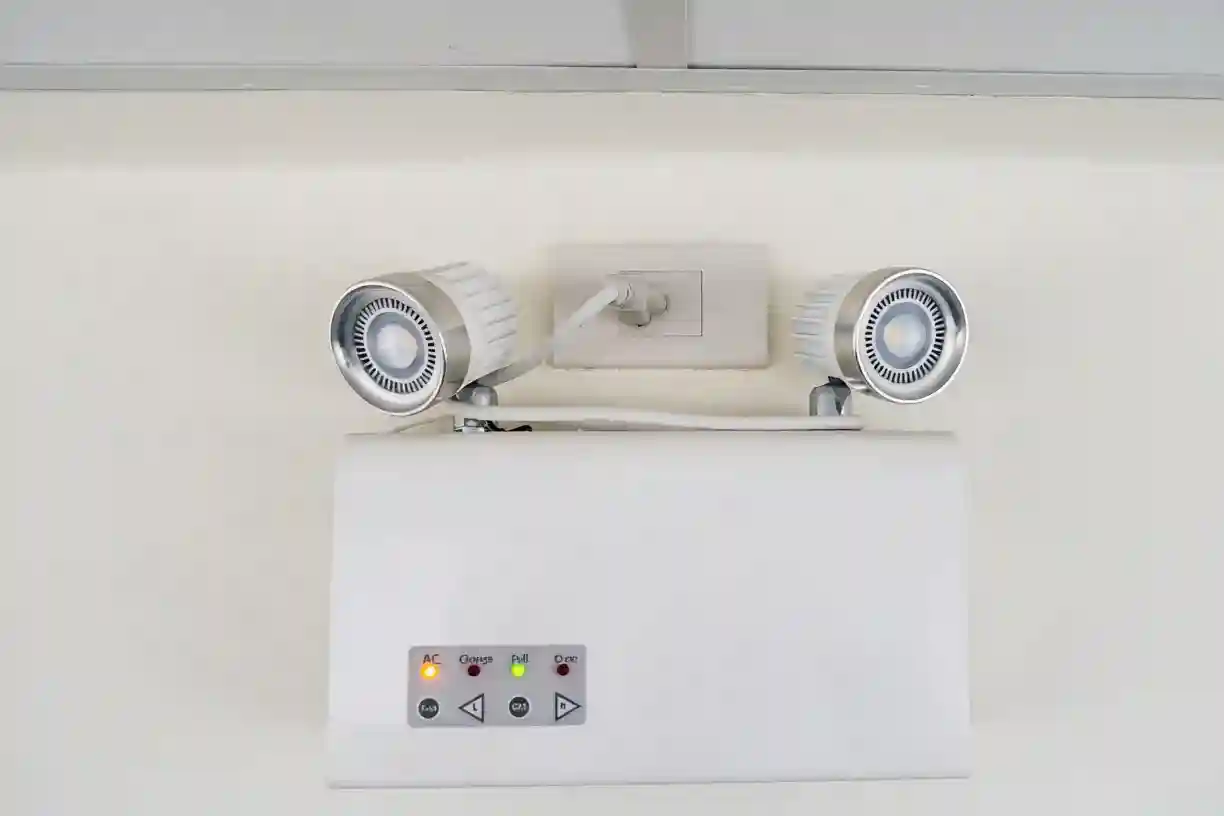
Emergency lighting plays an important role in protecting occupants during power failures and emergencies. Regular testing helps ensure lighting systems operate correctly when needed and supports compliance with UK fire safety regulations. Emergency light testing requirements in the UK need regular checks to meet safety rules under the Regulatory Reform (Fire Safety) Order 2005 and BS 5266-1.
Monthly and Yearly Protocols
A short monthly check is needed where the main power is turned off briefly to confirm that the lights switch on. A longer yearly check is also needed where lights stay on for their full working time, usually up to 3 hours, to confirm battery strength.
Daily Monitoring and Record Keeping
Systems with central power also require daily checks of indicator lights. All checks must be written in a log record, and any faults must be repaired quickly. Daily and monthly checks can be done by the responsible person, but the yearly test should be done by a qualified electrician at a suitable time so batteries can recharge properly after testing.
Key Benefits of Emergency Light Testing
- Emergency lighting activates during sudden power cuts
- Regular inspection helps detect hidden system faults early
- Safe exit paths rely on reliable lighting systems
- Proper records confirm maintenance and safety actions
- Skipped checks raise the risk of lighting failure
- Routine testing improves system performance stability
- Documentation supports safety compliance needs
- Early checks stop unexpected equipment breakdown
- Consistent maintenance keeps systems dependable
- Scheduled testing reduces compliance-related issues
The Main Purpose of Emergency Light Testing
Emergency lighting helps people move safely during power failures, keeps escape routes visible, and reduces confusion during emergencies.
Reliability and Accountability
Regular checks confirm proper activation and system response, and maintenance records support reliability and accountability. Routine inspections help detect faults in emergency lighting units early. Emergency light testing requirements ensure systems remain functional during critical moments. Consistent review improves readiness and safe evacuation conditions across properties.
Protecting Your Investment: Essential Tips for UK Landlords
Landlords hold responsibility for ensuring that shared areas within rented properties are safe, and that exit routes are well-lit in the event of an electrical failure. Emergency light testing requirements provide a structured method for verifying performance in corridors, stairwells, and entrances. Regular testing helps demonstrate compliance with UK fire safety regulations.
Mitigating Risks through Verification
Regular verification reduces exposure to enforcement action linked to missing documentation or system failure. Industry inspection reports show that lighting faults frequently occur in communal spaces without routine checks.
Audit Confidence and Duration Tests
Maintaining accurate records helps improve confidence during safety audits. Testing activity often includes an emergency lighting test, which confirms activation, brightness, and duration under simulated outage conditions.
Residential Safety: Why Homeowners Must Stay Vigilant
Residential properties with shared areas rely on dependable emergency lighting. Hallways, stairways, and entry routes require clear lighting during power loss. Emergency light testing requirements guide regular checks that help maintain safe conditions for occupants and visitors.
Proactive Battery Maintenance
Safety reports show that battery wear often develops without visible warning signs, while routine inspections help reduce failure risks and improve fire safety planning across the property. Proper records also include insurance checks and property transactions.
Enhancing Evacuation Response
Research in fire safety shows better evacuation response when lighting works correctly. Scheduled review may include an emergency lighting inspection that checks fittings, power supply, and exit sign clarity.
Setting the Schedule: How Often to Test in the UK
Inspection frequency follows established safety guidance, while industry standards require visual checks to confirm indicator status and physical condition. Functional checks verify activation during a power interruption.
Preventing System Failures
Emergency light testing requirements outline regular short checks alongside extended duration assessments. Consistent testing helps prevent unexpected failures and ensures compliance. Fire authority data also shows higher fault detection rates when inspections follow a planned schedule.
Compliance and Visibility
Recorded test results provide clarity during safety reviews and official inspections. Routine maintenance also improves equipment reliability and maintains visibility across escape routes.
How Emergency Lighting Improves Safety During Emergencies
Activates instantly when power fails
Emergency lights turn on right away when the main power stops. Battery or backup supply starts within seconds. This keeps space visible and avoids sudden darkness during unexpected power loss.
Illuminates escape routes
Exit signs, corridor lights, and stair lights switch on to show safe paths. Clear lighting helps movement toward exits without confusion inside the building.
Improves Visibility in Smoke
Strong lighting stays visible even when the smoke reduces normal sight. Low-level lights help guide movement when conditions become difficult inside enclosed areas.
Prevents panic and trips
Steady lighting on stairs, doors, and level changes helps avoid falls. Clear visibility reduces confusion and helps people move safely during crowded evacuations.
Runs independently
Emergency lights work on a separate power supply from the main electricity. The system continues for the required duration even if the main circuits fail or get damaged.
Guides people to assembly points
Outdoor lights and exit signs stay active after leaving the building. Clear direction helps people reach safe, open areas away from the building.
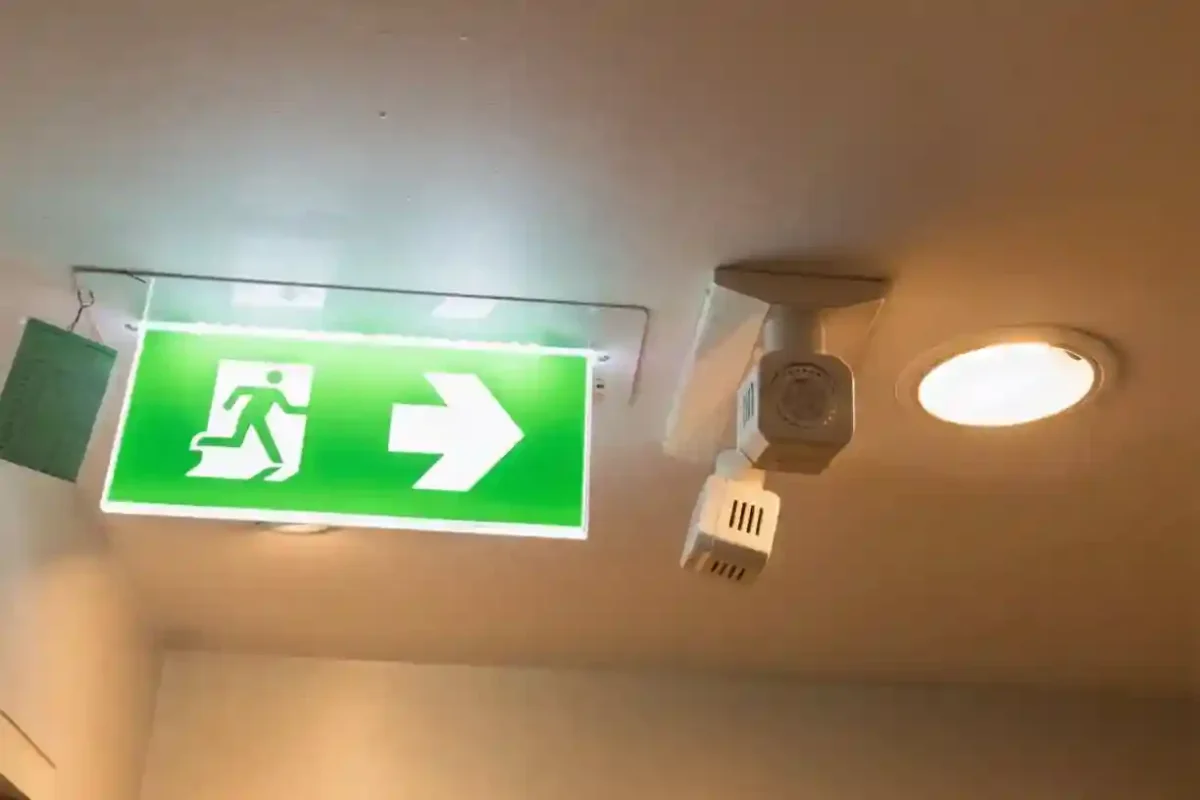
Risks of Skipping Emergency Light Testing
Safety audits frequently identify lighting faults where checks remain inconsistent, and failed emergency lights can delay evacuation and increase injury risk during incidents.
Legal and Insurance Consequences
Regulatory enforcement often follows absent records or poor maintenance history. Insurance reviews may also highlight inspection gaps as compliance concerns. Preventive testing reduces liability risks and helps property controllers and responsible persons meet their duty of care responsibilities.
How Regular Testing Helps Maintain Compliance
Meets legal duties: Regular safety checks help meet UK legal requirements for property safety compliance
Provides written proof: emergency light test certificate and records confirm that safety systems are properly maintained
Avoids fines and prosecution: Proper testing records help prevent penalties linked to missing inspections
Keeps insurance valid: Up-to-date safety checks help maintain valid insurance cover
Flags issues before enforcement: Routine inspections detect faults early before official action or complaints
Protects tenant safety: Regular testing records show responsible safety management in the property
Simple Ways to Keep Emergency Lighting Systems Working Properly
Clear access to fittings allows proper visual checks and functional testing without obstruction. Record updates keep inspection history accurate and easy to trace during reviews.
Coordination and Readiness
Prompt action on detected faults helps maintain steady system performance. Safety reports show improved results when maintenance follows planned schedules. Coordinated management helps ensure emergency lighting remains reliable across all required areas during critical situations.
Frequently asked questions.
Secure Your Property with Consistent Testing
Emergency lighting supports safety during unexpected situations and helps clear movement during evacuation. Emergency light testing requirements help confirm system performance and compliance with safety standards. Regular inspections reduce failure risks, improve reliability, and support proper records for audits, insurance, and official inspections.
Supporting Responsible Property Management
Consistent testing shows responsible property management across all building types. For further details, visit Landlord safety certification or contact our team.