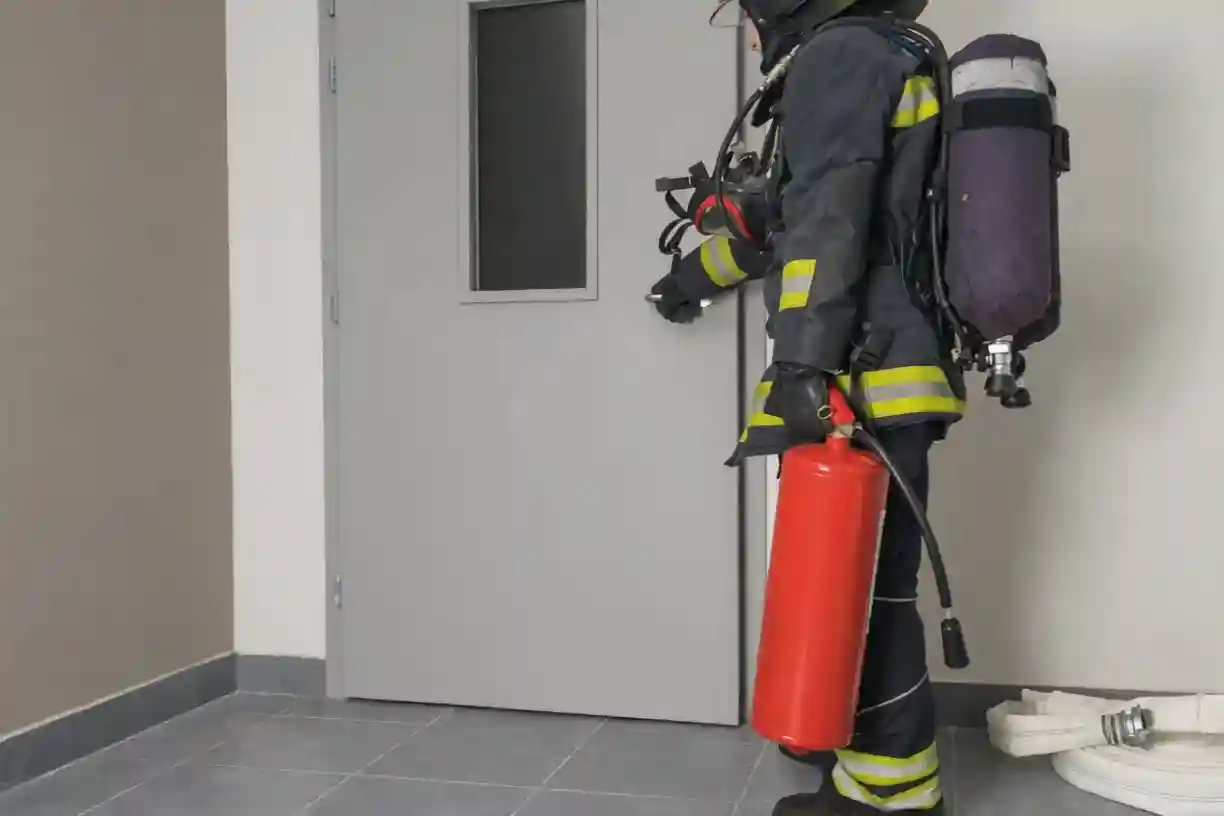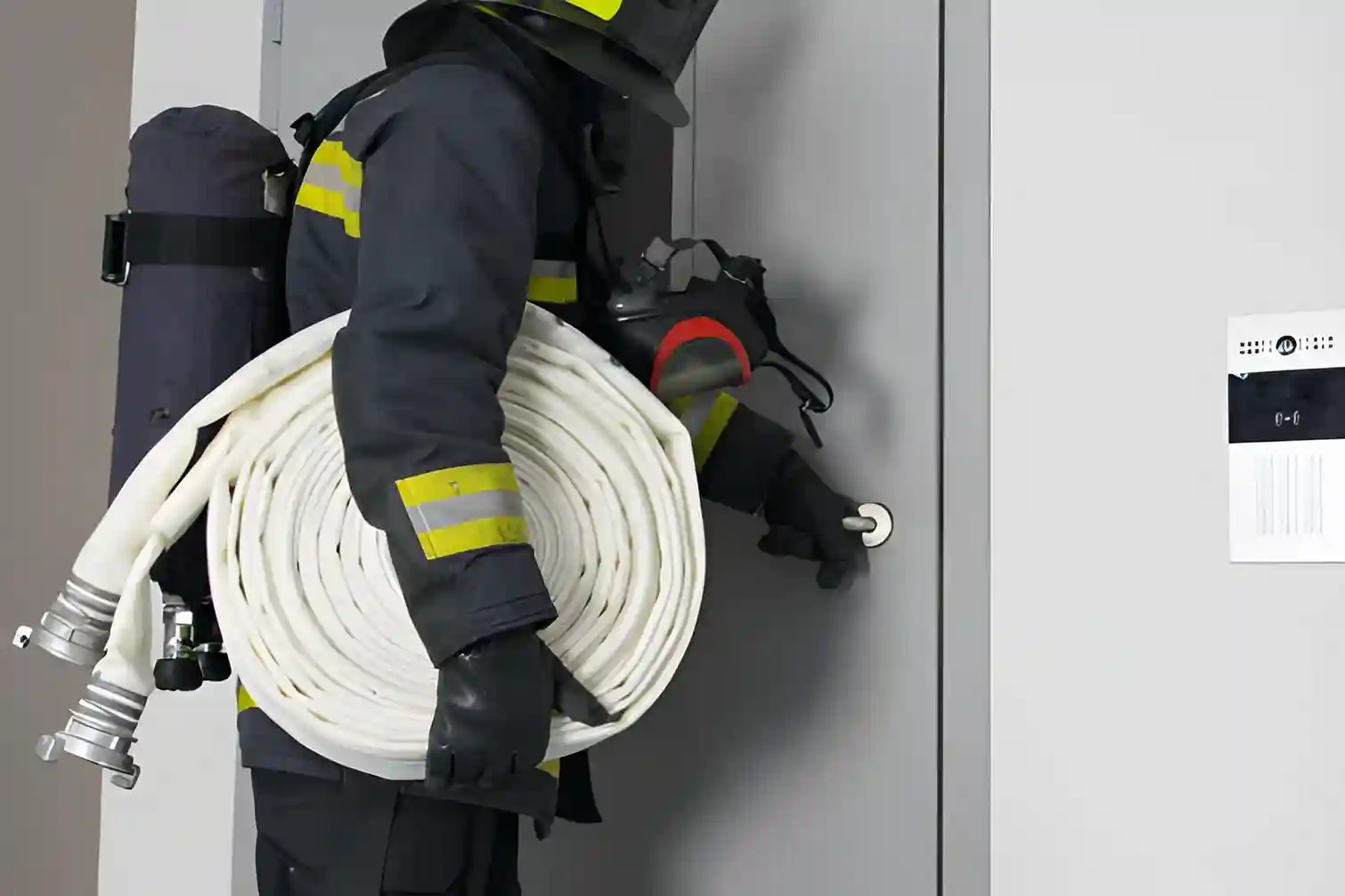
Early warning signs often appear long before a fire event occurs, and awareness of those signals helps reduce serious risk. Regular observation allows safety teams to identify faults that weaken protection and compromise escape routes. Internal damage, altered fittings, or poor closing action usually indicate reduced performance during an emergency. Staff awareness plays a key role, since daily interaction with doors reveals subtle changes that formal reviews may miss. Documentation from inspections also supports accountability and corrective action planning. Fire door inspection supports early detection of failure risks and helps maintain life safety standards across occupied buildings. Maintenance teams rely on structured review methods to confirm that doors meet required performance levels. Records gathered through Fire door inspection also support compliance reviews and ongoing safety planning. Industry fire data consistently shows that neglected doors increase smoke spread speed, which highlights the value of prompt identification and timely corrective action.
Key Takeaways
- Early warning signs often appear before serious failure
- Minor defects can rapidly increase overall safety risk
- Smoke control relies on the correct door condition
- Surface damage weakens protective performance
- Automatic closing supports critical fire safety
- Stable frames help doors function correctly
- Open doors allow fast fire and smoke spread
- Glazed panels must meet strict safety rules
- Secure hardware maintains door reliability
- Clear records strengthen safety management systems
Visible Gaps Around the Door That Allow Smoke to Pass
Excessive gaps around door edges often signal serious safety concerns that require immediate attention. Smoke travels faster than flames and can move freely through unsealed openings. Door edges must remain within approved tolerance limits to slow smoke movement during an emergency. Wear from daily use, frame movement, or poor installation commonly creates these openings. Visual checks often reveal light passing through edges, which indicates compromised protection. Fire door inspection identifies unacceptable gaps before smoke exposure, which places occupants at risk. Measurement tools confirm compliance and support corrective work planning. Inspection records also show repeated gap issues across shared corridors in many properties. Fire door inspection plays a vital role in confirming smoke control performance and supporting safer evacuation routes. Independent fire safety research confirms that correct gap control significantly delays smoke spread and improves escape time.
Damage to Door Leaves Affects Fire Resistance
Physical damage to door panels usually reduces fire resistance without direct precautions. Impact marks, drilled holes, floor separations, or moisture loss weaken the core of the door. Even small flaws can allow heat to enter during fire conditions. Regular annotations facilitate the detection of deterioration due to daily wear and tear or unauthorized changes. Structural integrity depends on the door being last intact and unaltered. Fire door inspection confirms that door panels are of approved construction and physical strength. Qualified inspectors check surface conditions and check for maintenance that could affect performance. Inspection reports often show damage caused by unapproved symbols or hardware modifications. Faregate monitoring supports early recovery options that restore protection before extreme failures occur. Evidence audits often refer to door letter status as a major compliance issue, highlighting the importance of careful follow-up supported by fire door testing and timely intervention.
Missing or Faulty Intumescent Seals and Strips
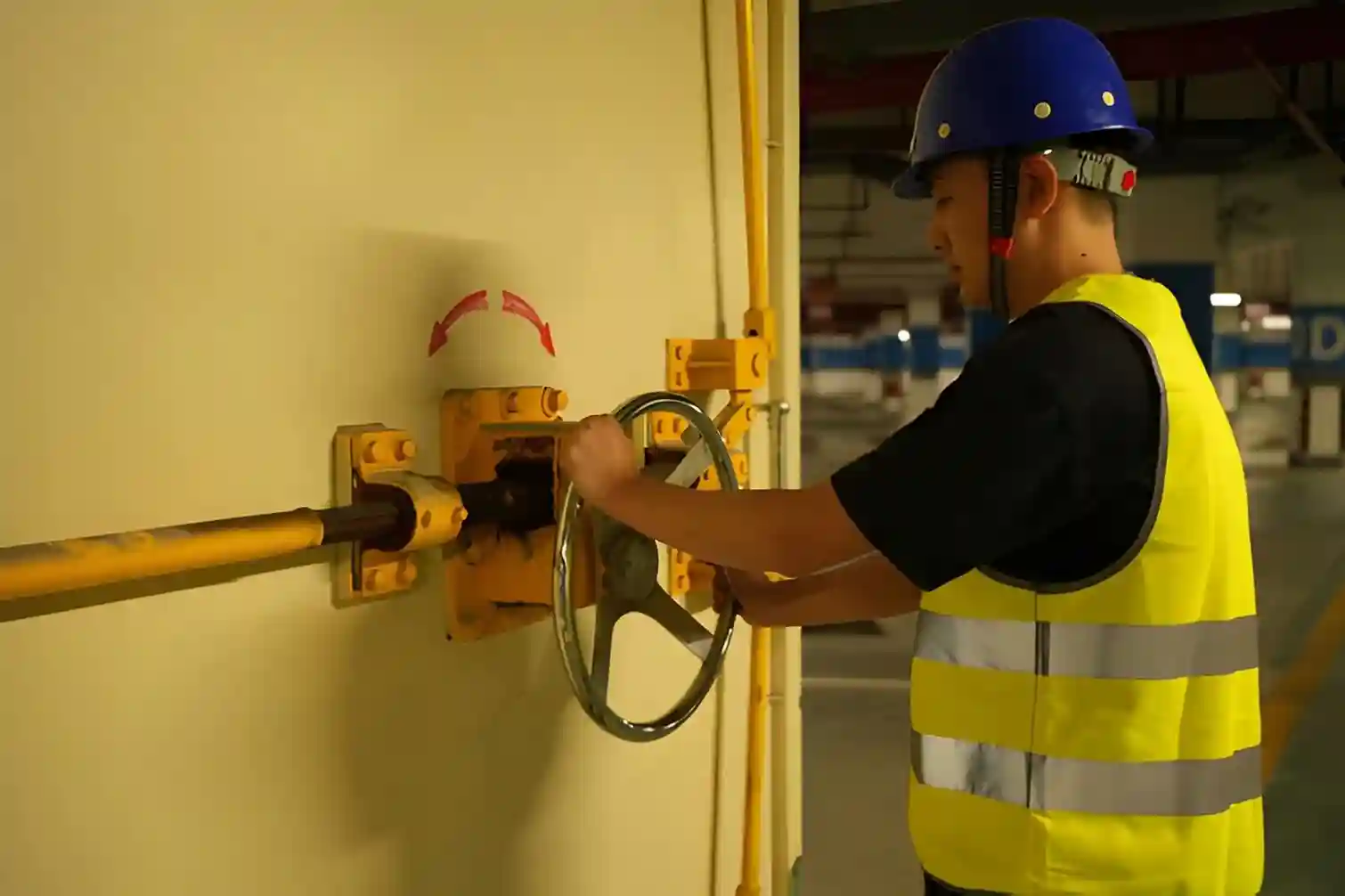
Intumescent seals play an important role in the progression of fire propagation through increasing sub-temperature and sealing gaps. Missing, overpainted, or damaged coins fail to trigger effectively. Conventional studies usually examine coins that have finished at some level of protection or broken through impact. My own visual inspection cannot verify the effectiveness of the position without a qualified assessment. Proper seal installation and location ensure heat and smoke suppression at some point in the initial fire stages. Fire door inspection verifies that seals are continuously uninterrupted, undamaged, and effectively equipped. Inspection results often indicate the receipt of older coins that require replacement. Maintenance groups use monitoring statistics to prevent deterioration as well as prioritize corrective action. Fire door inspections additionally assist central fire safety technologies by verifying that passive protection systems remain objective. Fire officials often cite sealing defects as a common cause of non-compliance, reinforcing the importance of regular inspections.
Door Closers That Fail to Shut the Door Fully
Door closers perform a few automatic shutdowns after use, which is important in times of emergencies. A nearby door that does not close completely can cause smoke and fire to spread quickly. Hydraulic leaks, negative adjustments, or mechanical wear often cause incomplete closure. Daily use will increase the pressure on denser systems over the years. Observations at some point in the normal motion often show lagging or partial closing movements. Fire door inspection checks the closing speed, latch installation, and resistance to obstructions. Inspectors check that the doors approach close to any open attitude. The records often show repeated neighborhood failures in high-traffic areas. Fire door monitoring allows for timely repair planning and reduces the possibility of a risky fire station. Fire safety certification incident reviews consistently show that failed door closers contribute significantly to rapid smoke movement and demanding evacuation situations.
Incorrect Door Frame Installation or Wear
Door frames provide essential structural support and alignment for fire doors. Incorrect installation or frame wear creates alignment issues that affect closing and sealing performance. Movement within the building structure may also distort frames over time. Visual signs include cracked joints, loose fixings, or uneven gaps. These issues often develop gradually and remain unnoticed without structured review. Fire door inspection assesses frame stability, fixings, and alignment against approved standards. Measurement checks confirm correct tolerances around the door perimeter. Inspection reports frequently identify frame defects linked to early installation errors. Fire door inspection supports corrective work planning before alignment failure leads to door malfunction. Fire safety compliance reviews often emphasize frame condition as a critical factor, reinforcing the importance of systematic assessment and linkage to Fire safety certification requirements.
Fire Doors That Are Propped Open Regularly
Propping fire doors open removes their protective function entirely during an emergency. Convenience often drives, particularly in busy environments. Wedges, extinguishers, or furniture commonly hold doors open throughout the day. This practice allows smoke and flames to spread unchecked across compartments. Awareness campaigns highlight the danger, yet misuse remains widespread. Fire door inspection identifies signs of habitual propping, such as damaged closers or worn floor surfaces. Inspection records support targeted corrective actions and staff education initiatives. Fire door inspection also strengthens enforcement of fire safety certification across occupied buildings. Fire safety data consistently shows that open doors accelerate smoke spread within minutes, which demonstrates the severe risk associated with this and the importance of consistent monitoring and control.
Glazing Panels That Do Not Meet Safety Standards
Glazed panels within fire doors require specialist fire-rated glass and correct installation. Standard glass fails rapidly under heat exposure. Incorrect glazing beads or damaged seals further reduce performance. Visual appearance alone cannot confirm compliance. Documentation and marking checks remain essential. Fire door inspection verifies glass type, certification markings, and fixing methods. Inspectors also assess bead material and installation quality. Records often reveal unauthorized glass replacement following damage. Fire door inspection supports early detection of non-compliant glazing before exposure to fire conditions occurs. Fire testing research confirms that unapproved glazing fails quickly, allowing flames and smoke to pass freely. These findings underline the need for consistent review and reference to approved performance data supported through Fire door test evidence.
Loose or Non-Compliant Hinges and Hardware
Hinges and hardware support door stability and movement during daily use and emergencies. Loose fixings or incorrect hinge types reduce load-bearing capacity under heat stress. Missing screws or non-approved materials often indicate non-compliance. Hardware wear develops through constant use and poor maintenance. Observation during door operation often reveals movement or noise from failing components. Fire door inspection confirms hinge quantity, material grade, and secure fixing. Inspectors also check the latches and handle for correct operation. Reports frequently highlight hardware faults as early indicators of wider door failure. Fire door inspection enables corrective action before component failure affects door integrity. Fire safety guidance consistently links compliant hardware to improved door performance during fire exposure.
Poor Alignment Preventing Proper Latching
Correct alignment allows the latch to engage fully and hold the door closed. Misalignment prevents secure closure and compromises fire containment. Building movement, hinge wear, or frame distortion often causes this issue. Visual signs include doors rebounding open or failing to latch without force. These faults often worsen gradually over time. Fire door checks latch engagement and closing consistency from multiple positions. Adjustment requirements become clear through a systematic review. Inspection records often show alignment faults following minor building alterations. Fire door inspection supports quick correction and restores effective compartmentation. Fire incident investigations regularly identify unlatched doors as a major contributor to smoke spread, reinforcing the value of regular alignment checks and corrective maintenance.
Lack of Routine Checks and Recorded Inspections
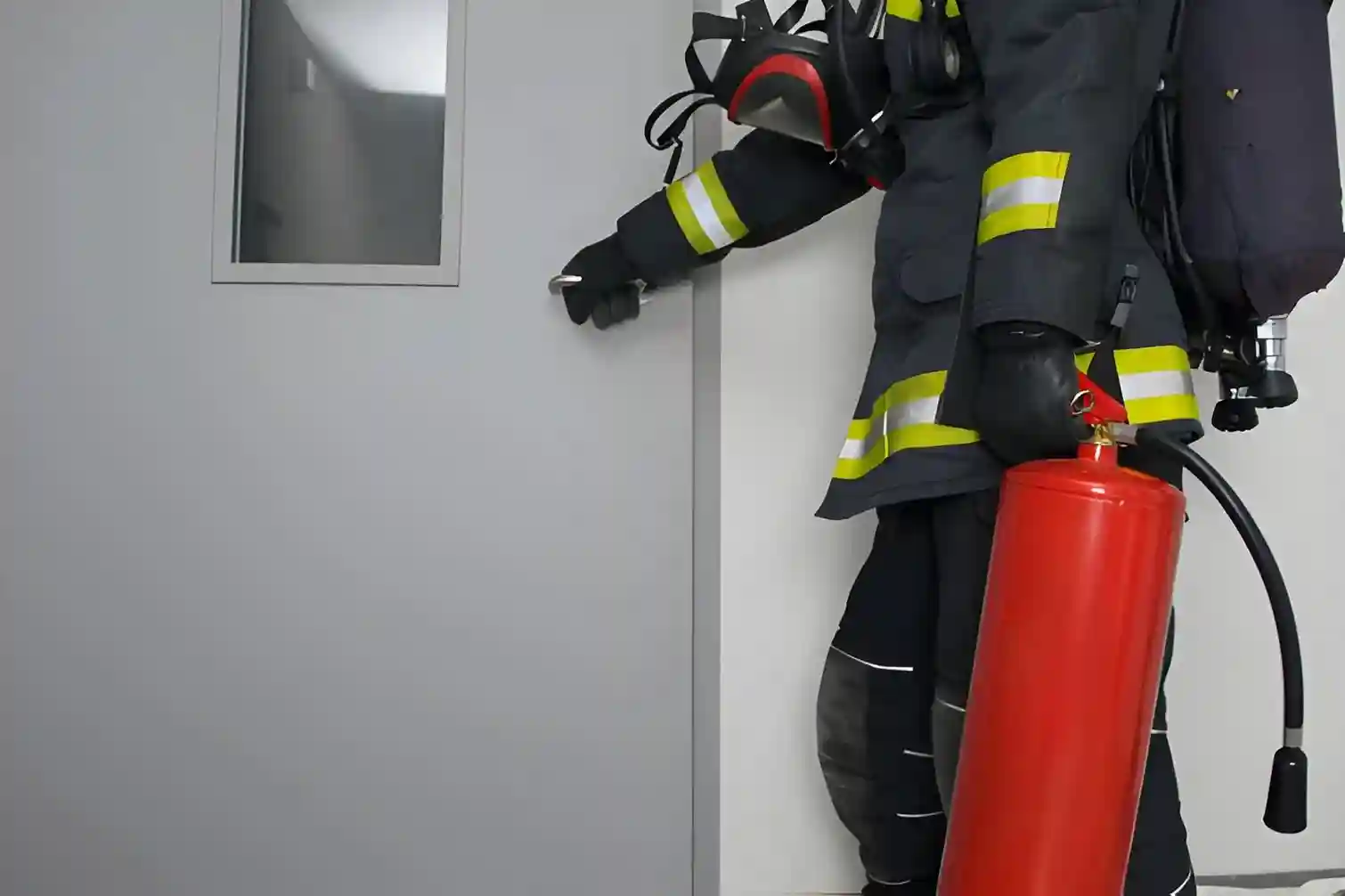
Lack of training assessment increases the risk of a neglected fire door failure. Documentary evidence weakens compliance evidence and obligations. Regular reviews help with early identification of errors and deliberate retention. Without facts, accountability remains questionable, and corrective actions may face delays. Fire door inspections prioritize a structured assessment process supported by the use of written evidence. Monitoring logs establish the status, movements taken, and observation requirements. Auditors typically request that information at some point in the audit. Fire door monitoring strengthens the protection system and demonstrates live hazard management. Fire authority management data consistently shows that a lack of monitoring information slows down management, highlighting the importance of structured assessment systems supported by the use of detailed documentation and ongoing monitoring.
Frequently asked questions.
Conclusion
The overall performance of a Fire door inspection depends on paying attention to the elements in all maintenance measures and regular inspections. Obvious warning signs are usually already visible, but neglected checks can escalate minor errors into danger. Regular critiques help establish that defensive capabilities are consistently powerful at critical stages. Documented transfers help with accountability and demonstrate responsible management practices. Firewall monitoring plays an important role in detecting vulnerabilities before security is compromised and altered. Tangible impact depends on educated assessments, accurate facts, and well-timed corrective action. Continuous assessments also support compliance with comprehensive supervisory responsibilities and strengthen medium-security strategies. Fire door monitoring reinforces confidence that the doors will perform as intended when stress increases. Links to fire door testing, fire protection certification, and fire door inspections. Certificates support further assurance of protection and long-term compliance. The established mode ensures that the protection against assumptions remains effective, promoting a safe environment for all residents.