Property safety requires clear preparation and rapid action, which helps reduce danger during sudden fire events. A professional Fire Extinguisher Test ensures your equipment is always ready for an emergency.
Fast Response Helps Prevent Major Fire Damage
Fire extinguisher home Incidents in residential areas spread rapidly, requiring immediate intervention. A planned safety approach reduces risk and improves emergency preparedness. The home location of fire extinguishers plays an important role in the initial response and allows small fires to be extinguished before they increase.
Keep Equipment Easy to Access
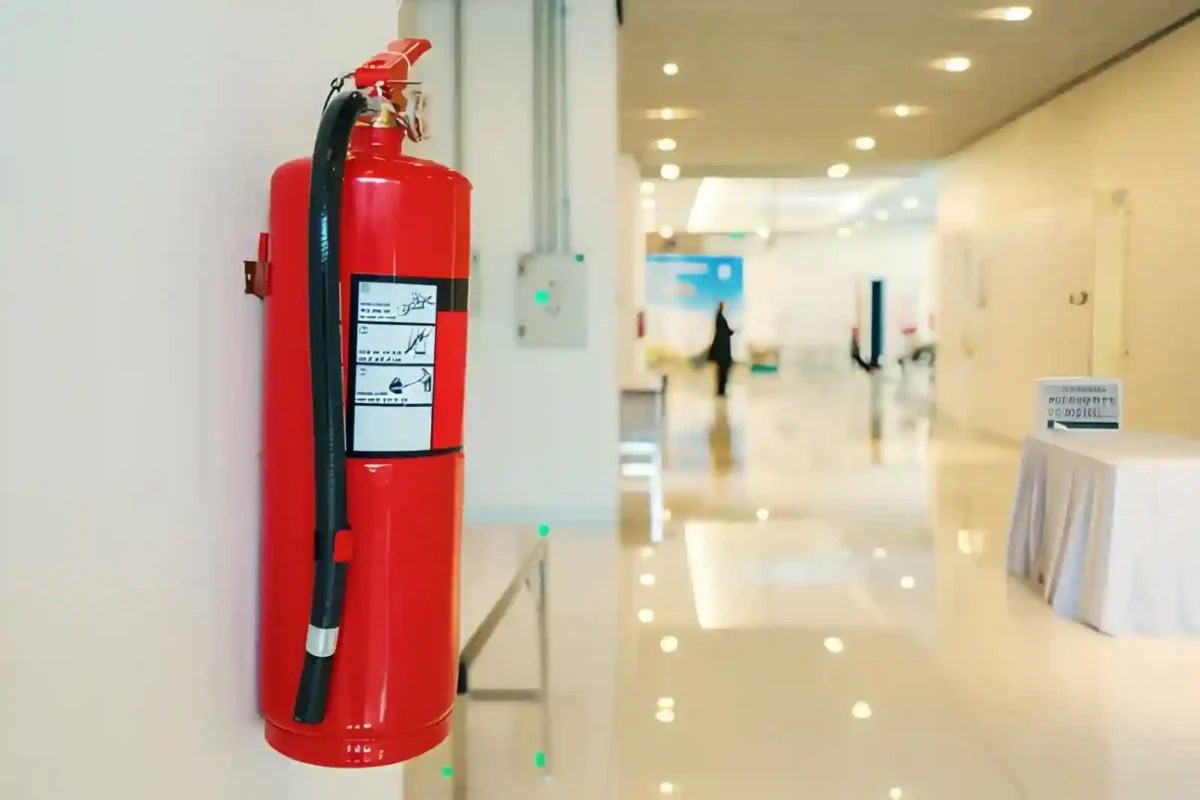
Keep extinguishers easily accessible, clearly visible, and properly placed to improve response time. Proper training protects property, reduces injuries, and creates a safer environment during emergencies.
Key Takeaways
- Fast action helps stop the fire before it spreads
- Easy access makes emergency response much quicker
- Regular checks keep equipment ready when needed
- The right placement helps you reach it without delay
- Routine care keeps performance strong over time
- Different fire types need different safety tools
- Clear space around equipment avoids confusion in a rush
- Knowing what to do reduces panic in emergencies
- Simple checks help spot issues early
- Proper use lowers the chance of fire coming back
The Importance of Fire Extinguishers in Every Property
Residential environments contain multiple ignition sources and include cooking areas along with electrical circuits that create constant fire risk in daily life. A basic response device allows immediate action and helps control small flames before they spread across rooms. Delay often leads to greater loss and increases damage to property and belongings. A fire extinguisher home provides immediate response capability and improves early fire control. Safety guidance promotes access within reachable distance so action stays fast during emergencies. Residential fires often start small, and quick action stops the spread. Prepared properties show better safety outcomes.
Understanding Different Fire Types and Suitable Extinguishers
Class A Fires – Solid Materials
Wood, paper, fabric, and furniture fires. The water cools and soaks the material to prevent reignition.
Class B Fires – Flammable Liquids
Gasoline, paints, solvents and oils. Never use water because it can spread the fire and make the situation worse.
Category C Fires – Flammable Gases
Leaks of propane, butane, or natural gas. Use an ABC powder extinguisher. The first step is to close the gas delivery if it is safe, and then contact emergency services if necessary.
Electrical Fire Risks in Homes
wiring, fuse boxes, and household appliances. Use a CO2 fire extinguisher. CO2 does not conduct electricity and leaves no residue. Never use water on electrical fires.
Category F Fires – Cooking Oils and Fats
Grease fryers and chip pans. Use a wet chemical extinguisher. As the oil cools, it forms a layer that smothers it. Water can cause dangerous flare-ups and spread burning oil.
How Fast Fire Response Helps Reduce Damage
Immediate response helps stop heat from spreading inside a property because fire grows stronger when left without action and begins to affect walls, floors, and structural parts very quickly, while smoke also moves through rooms and reduces visibility and air quality.
Preventing Structural Damage
Early control reduces repair needs and limits overall damage spread. A fire extinguisher home setup allows fast action at the start of a fire and helps protect nearby areas from heat impact while also reducing long recovery time and keeping property condition more stable after an incident.
Smart Fire Protection Habits for Modern Homes
Fire protection at home includes simple daily habits, correct equipment use, and clear awareness of risks, which together reduce chances of fire spread and protect lives and property in emergencies.
| Measures | Action |
|---|---|
| Smoke alarms | Install on every level and test regularly |
| Escape route | Keep exits clear and easy to reach |
| Fire extinguishers | Place near exits for quick access |
| Electrical safety | Avoid overload and check wiring often |
| Safe cooking | Never leave cooking unattended |
Why Fire Extinguishers Matter During Emergencies
The first response often determines how severe the damage becomes. Homeowners and emergency responders must act quickly to control electrical fires, which require non-conductive extinguishing agents.
Protection for Electrical Fire Situations
A CO2 fire extinguisher is suitable for electrical equipment and wiring. The quick discharge cools the flame without any residue. Proper use protects home appliances and wiring.
Benefits of Early Suppression
Early fire suppression helps reduce damage and improve safety. Clear training material boosts confidence. Proper technique prevents re-ignition. Immediate action helps stabilise the situation until emergency services arrive. Prepared environments manage emergencies more effectively.
Fire Protection Duties for Homeowners and Landlords
Ownership includes responsibility for safety, and housing compliance requires preventative planning. Documented safety measures help property owners maintain compliance and accountability, which helps manage fire risks in common areas. Carrying out a regular Fire Risk Assessment is the first step for landlords to identify which extinguishers are needed.
Importance of Regular Monitoring
Periodic inspections help confirm that fire protection equipment remains compliant and operational. Safety guidance and regular communication help residents understand fire protection procedures. A strong fire protection structure helps reduce risk, while failure to maintain safety measures can increase legal liability.
Building a Safer Property Environment
Property owners should establish regular monitoring and preventive safety measures. Visible safety equipment shows a commitment to fire prevention. Regular inspections and visible safety measures help reduce the impact of fire incidents.
Signs Your Fire Extinguisher Needs Replacement or Recharge
After Any Use
Even if only discharged briefly, extinguishers must be recharged or replaced. Once the seal is broken, pressure drops and it won’t work next time.
Pressure Gauge in Red
Check the gauge monthly. If the needle is outside the green zone, it’s over- or under-pressurised and needs servicing or replacement.
Physical Damage or Corrosion
Dents, rust, cracked hoses, or missing safety pins mean the unit isn’t reliable. Replace it immediately.
Missed Annual Inspection
Under BS 5306-3 standards, a qualified engineer reviews the condition and may recommend a recharge or full replacement after assessment.
Extended Service Requirements
Most extinguishers need an extended service every 5 years for water/foam/powder and 10 years for CO2. This includes a full discharge, internal inspection, and refill.
Expired Fire Extinguishers
Check the manufacturer’s date stamp. Most units last 5-15 years. Beyond that, parts and seals degrade, so replacement is safer.
Outdated Fire Extinguisher Types
Older extinguishers with colour-coded bodies or halon are now illegal. Replace with current BS EN 3 compliant red units with coloured labels.
Importance of Regular Servicing
Quick monthly visual checks and yearly professional servicing keep you compliant and safe. If your extinguisher needs recharging, servicing, or replacing, you can book through our site, and we’ll handle it with certified engineers.
Professional Fire Protection Support for Residential Buildings
Simple safety systems help reduce fire risks inside residential properties, and these safety measures include proper equipment installation, simple checks and clean operations, so every part of the property stays better organised for sudden fire situations that may start from kitchen areas, electric heating or other sources.
Creating an Effective Safety Plan
There are also clear instructions for residents so they understand how to respond during the early stages of a fire emergency, and this method facilitates trust building, improves response times and ensures that safety measures are followed during challenging situations.
Step-by-Step Guide to Proper Fire Extinguisher Installation
A correct setup keeps a fire extinguisher ready for urgent use and improves fast response. Simple steps make access easier and reduce delay. Proper placement lowers panic and helps with quick action. Clear visibility helps people locate the extinguisher quickly during emergencies. Secure fixing stops damage and keeps the unit stable. Planned setup improves safety at home or work and supports better emergency control.
Best Places to Buy a Fire Extinguisher
Home fire extinguishers are available through online stores and local suppliers, which makes selection simple and quick. Online ordering allows fast delivery, while local shops allow physical checks before purchase. Direct booking through a service provider allows supply and fitting together, which reduces effort. Certified units with professional fitting support safety needs. Annual checks can also be arranged at the same time, which keeps everything managed in one place.
Essential Fire Extinguisher Installation Steps
Select the Correct Extinguisher Type
Choose the right type for the risk area, such as powder, CO2, or wet chemical
Install at an Accessible Height
Mount at a reachable height so the handle stays easy to access
Position Near Exit Points
Place fire extinguishers near exits so escape routes stay clear and safe
Secure the Unit Properly
Fix it with a wall bracket so the unit stays stable and secure
Use Clear Safety Signage
Add clear signage so the extinguisher stays easy to spot
Schedule Annual Servicing
Arrange yearly servicing so the unit stays ready for use
Correct placement helps protect people and property, and expert help is available when needed
Frequently asked questions.
Final Thoughts on Home Fire Protection
Residential safety depends on preparation and awareness because fire risks can appear during normal daily activities such as cooking or electrical use, so strong preventive tools improve response speed and control. Fire extinguisher home planning builds confidence and reduces damage risk in critical moments. Regular checks keep equipment ready and reliable, while proper placement improves access during emergencies. Clear responsibility and professional guidance strengthen the safety structure. If you want proper assistance or setup guidance, contact our team for quick and reliable fire protection solutions.