Gas safety review follows a structured legal framework within rental property standards. The gas CP12 certificate acts as core proof of safe gas systems and supports regulated property compliance. The gas CP12 certificate confirms appliance condition, pipe safety, and system readiness under official gas safety rules. A gas safety engineer focuses on appliance condition, pipe network status, and safe fuel delivery. Visual examination covers boilers, cookers, and heaters. Appliance layout receives attention for safe placement and connection stability. Gas flow path receives a detailed review for safe distribution across property systems. Legal housing standards connect with the Gas Safety as formal documentation output from assessment work. The gas safety records system conditions and safety status after the full review process. Gas safety report supports landlord records and compliance validation. Regulatory structure demands a safe gas environment across all residential units. Fault detection covers leaks, pressure imbalance, and system weakness. Safety confirmation depends on technical review outcomes aligned with the national gas safety framework.
Key Takeaways
- Safe condition of gas appliances confirmed after full technical review
- Pipework checked for leaks and structural strength across the entire system
- Pressure levels evaluated to ensure stable and controlled gas flow
- Ventilation pathways assessed for proper air circulation and combustion
- Exhaust routes inspected to prevent blockage and unsafe gas buildup
- Installation quality reviewed for correct fitting and secure connections
- Burner performance examined for stable flame and efficient operation
- Safety controls tested for correct response during system operation
- Corrosion and wear are identified to prevent long-term system failure
- Emergency shutoff function verified for rapid isolation during fault conditions
Appliance and Fitting Review Works in CP12 Inspection
Appliance and fitting review forms core stage of gas system evaluation. The gas CP12 certificate represents official confirmation that the appliance’s condition meets the required safety standards. The gas CP12 certificate also reflects proper installation alignment and secure connection status within the gas system structure. A gas engineer evaluates boilers, cookers, and heating units for structural stability. Appliance casing receives close attention for wear or damage signs. Connection points receive an assessment for secure fitting status. Safety layout receives confirmation for proper positioning within the property system design. The legal compliance framework connects with the gas inspection certificate as a formal record of appliance and system assessment. A gas inspection the verification of safe appliance condition under regulated standards. Gas inspection certificate strengthens compliance documentation for property records. System reliability depends on correct appliance setup and safe integration with the pipe network. Fault conditions often arise from loose connections, damaged parts, or incorrect installation. Technical review ensures system alignment with the approved safety structure.
Gas Pipework and Leak Review Is Conducted
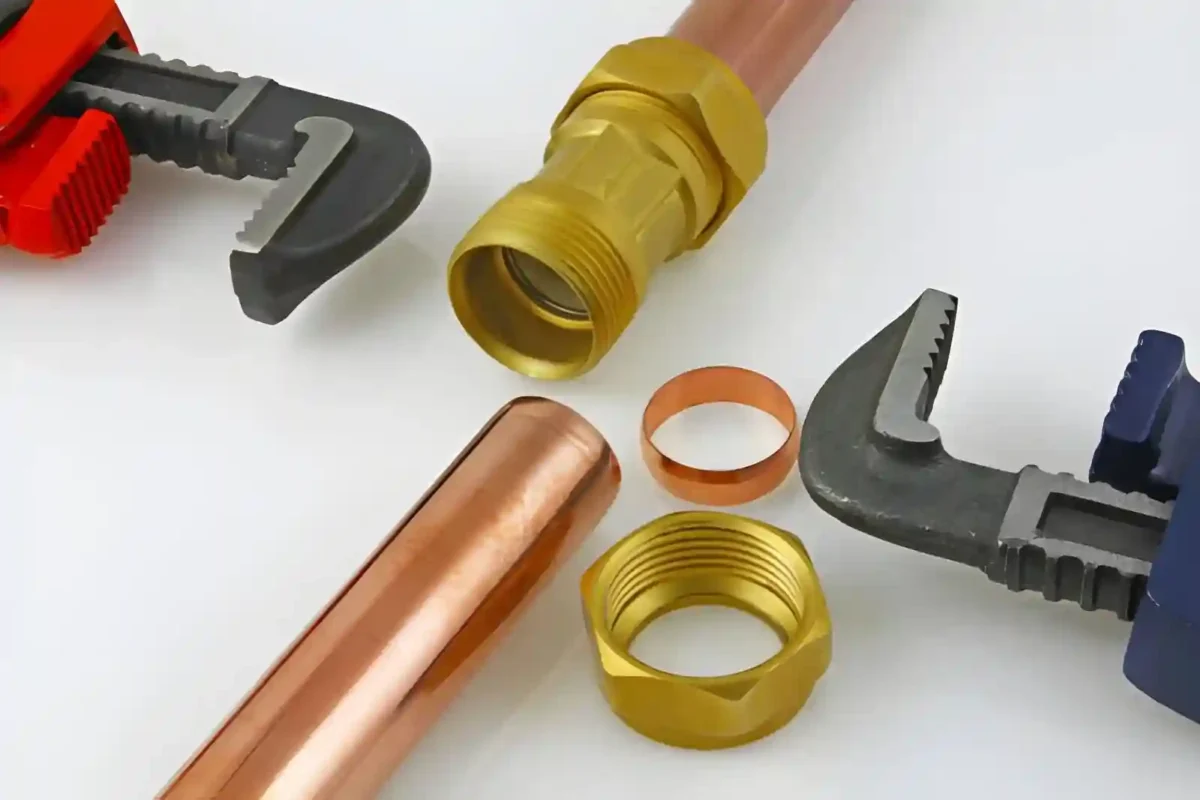
Pipework review focuses on structural condition and leak prevention across the gas network. The gas CP12 certificate also validates the absence of leakage risk within distribution lines and connection joints. Gas engineer examines pipe routes for damage signs, weak joints, and corrosion impact. Pipe joints receive a detailed assessment for stability and sealing strength. Gas flow continuity receives evaluation for safe delivery across the system network. Pressure balance supports safe operation across connected appliances. Compliance documentation aligns with the Gas compliance certificate as official proof of safe gas system condition. A gas compliance certificate supports regulatory approval for rental property gas systems. Gas compliance certificate strengthens legal compliance record for safety audits. Leak prevention depends on the structural integrity of the pipe network and secure joint configuration. Fault detection focuses on pressure irregularity and material weakness. Safe gas transport relies on stable pipe design and correct installation methods.
Gas Pressure Stability Is Evaluated in the Gas CP12 Certificate
Gas pressure stability review ensures safe fuel delivery across the entire system. The gas CP12 certificate confirms pressure levels remain within the approved safety range after the technical assessment. The gas CP12 certificate also validates system readiness for safe appliance operation under controlled conditions. A gas engineer measures pressure consistency across system connection points. Pressure variation receives a detailed evaluation to identify imbalance risk. Appliance response receives assessment under controlled gas flow conditions. Stable pressure ensures safe combustion performance across heating units. System documentation aligns with the gas safety report as a formal record of pressure assessment results. Gas safety report records pressure stability findings and system condition summary. Gas safety report supports compliance verification and property safety documentation. Pressure imbalance often leads to appliance malfunction or safety risk. Stable flow ensures proper fuel delivery and safe system operation. Technical evaluation focuses on consistency across the full gas network structure.
Ventilation and Airflow Conditions Affect the CP12 Certificate
Ventilation review ensures safe air circulation within the gas appliance environment. The gas CP12 certificate confirms adequate airflow supports safe combustion and system stability. The gas CP12 certificate also validates that ventilation pathways remain clear and functional for safe gas operation. Gas engineer assesses air entry and exit routes within appliance areas. Air circulation balance receives evaluation for safe combustion support. Ventilation pathways receive review for obstruction or structural limitation. Proper airflow supports safe gas system performance. Safety documentation connects with the gas as a structured record of the ventilation condition. Gas inspection certificate confirms safe air movement and system compatibility. Gas inspection compliance verification across property safety systems. Poor ventilation often leads to unsafe combustion conditions and system inefficiency. Airflow stability ensures a safe gas burn process and reduces operational risk. The technical review focuses on ventilation structure and air balance consistency.
Flue and Chimney Safety Is Assessed in the Certificate
Flue and chimney review ensures safe exhaust gas removal from appliance systems. The gas CP12 certificate confirms that exhaust pathways remain clear and structurally sound after full assessment. The gas CP12 certificate also validates safe emission discharge within regulated safety limits. Gas engineer evaluates flue alignment, blockage risk, and structural integrity. Exhaust route receives a detailed review for safe gas exit flow. The chimney structure receives an assessment for material condition and stability. Safe exhaust movement supports system efficiency and safety. The compliance record aligns with the gas compliance as formal confirmation of exhaust system safety. Gas compliance certificate strengthens documentation for property safety records. Blocked exhaust paths increase the risk of unsafe gas accumulation. Clear flue structure ensures safe emission release and system stability. Technical evaluation ensures proper exhaust flow across the complete system design.
Appliance Setup and Installation Quality Is Verified
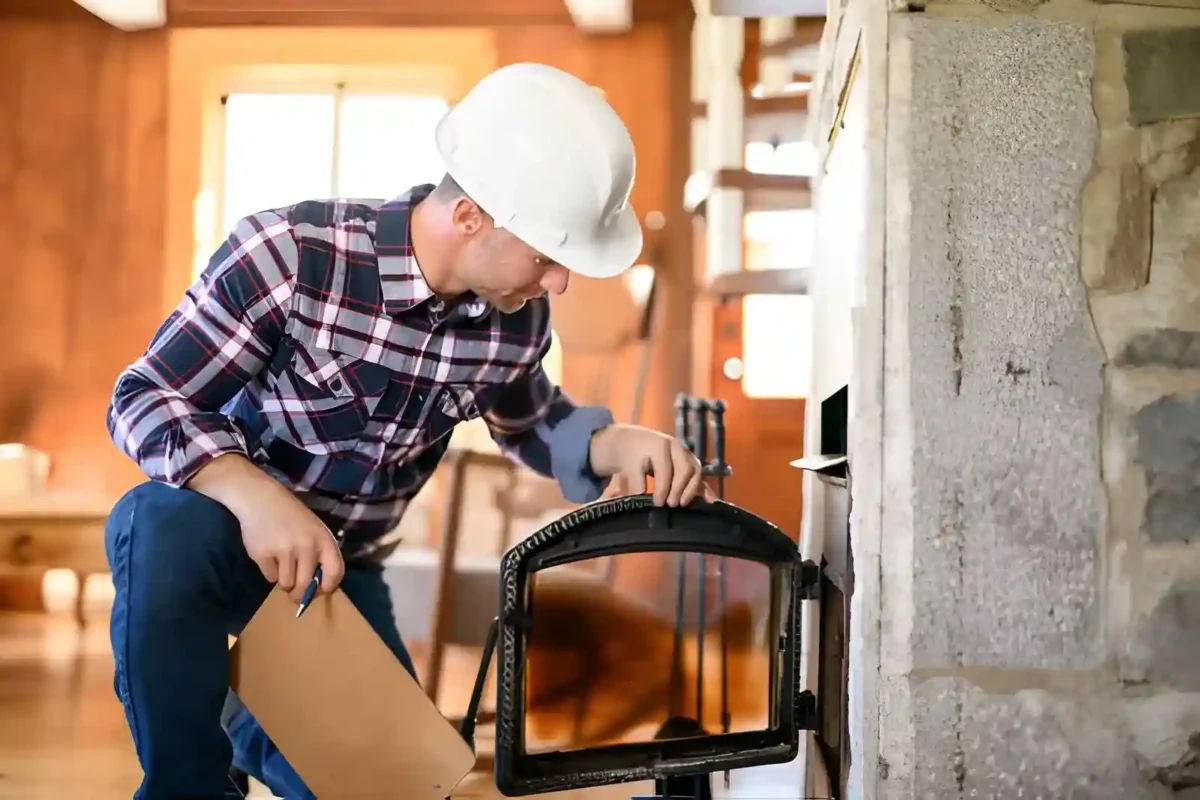
Installation review ensures correct appliance placement and system connection quality. The gas CP12 certificate confirms installation meets the required safety standards after a full technical assessment. The gas CP12 certificate also validates the correct alignment between the appliance and the gas supply system. A gas engineer evaluates connection strength, mounting stability, and system integration. Appliance placement receives review for a safe operational position. Connection points receive assessment for secure attachment and stability. Installation quality ensures safe system performance across the full setup. Technical documentation aligns with the Gas as a structured record of installation conditions. Gas report records system setup quality and safety compliance outcome. Gas safety formal compliance documentation for property systems. Incorrect installation often leads to safety risks and system failure. Proper setup ensures stable gas flow and safe appliance operation. Technical review ensures alignment with approved installation standards.
Safety Controls and Burner Performance Are Evaluated
Safety control review ensures system response accuracy and operational stability. The gas CP12 certificate also validates that burner performance meets the required combustion standards. A gas engineer evaluates ignition response, flame stability, and control system reaction. Burner output receives an assessment for consistent combustion quality. Safety device response receives review for correct activation and system control. Stable flame performance ensures safe gas operation. Compliance structure aligns with the Gas inspection as a formal record of burner and control system condition. Gas inspection certificate strengthens regulatory documentation for system approval. Unstable flame patterns often indicate system imbalance or control faults. Proper burner performance ensures safe energy output and system reliability. Technical review ensures combustion quality across all appliance units.
Frequently asked questions.
Conclusion
A full gas safety review ensures complete system compliance and operational safety. The gas CP12 certificate confirms overall gas system meets the required safety standards after a technical assessment. The gas CP12 certificate also provides formal confirmation of the appliance, pipe, and control system condition. Gas engineer evaluates full system structure, including appliances, pipework, ventilation, and safety controls. Each component receives a structured review for safety assurance. System stability depends on the combined performance of all gas elements. Final safety outcome depends on full system integrity and regulatory alignment. Reliable gas systems require structured assessment and certified confirmation for safe operation across all components.